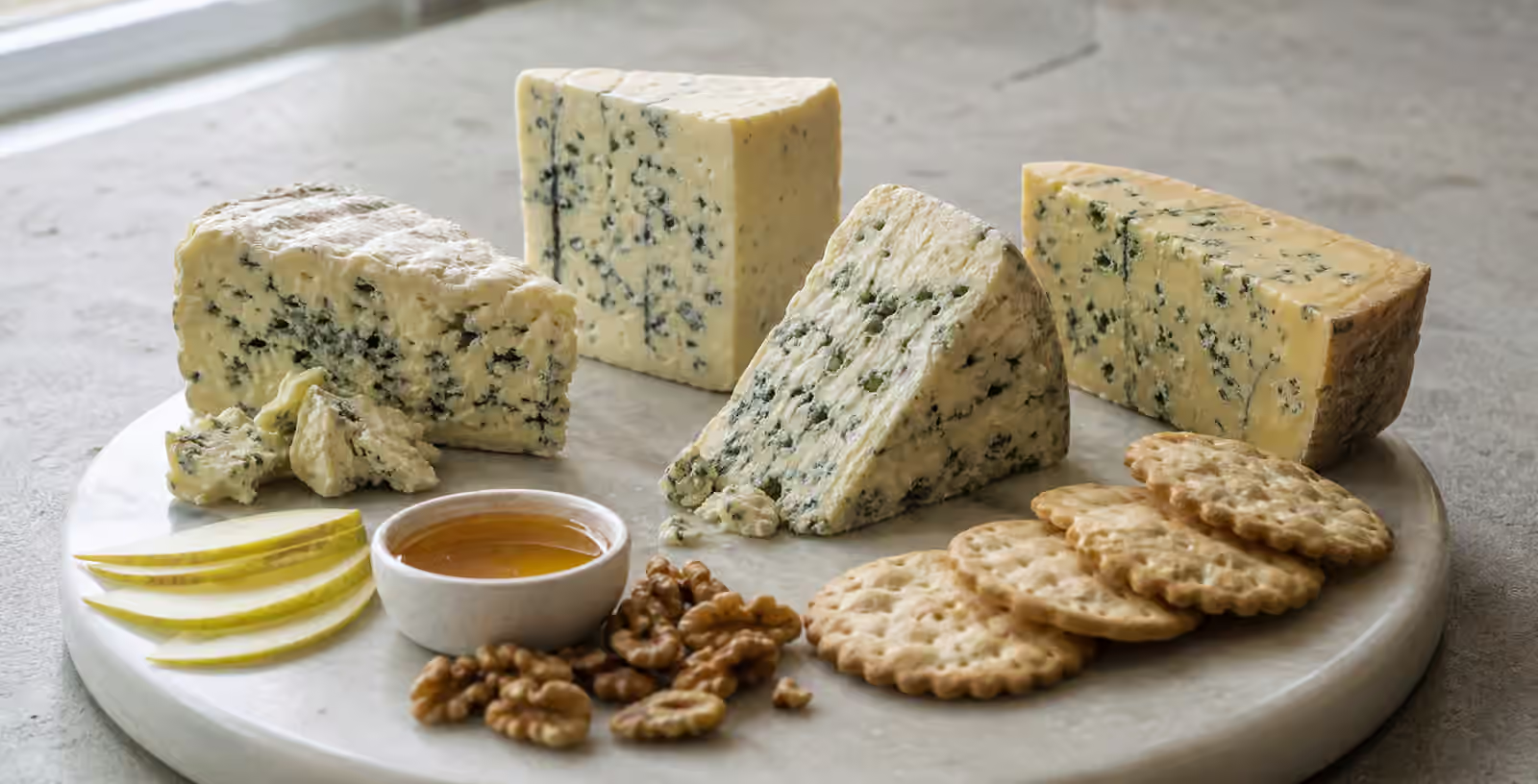
Washed-rind cheese announces itself before it explains itself. The rind may be peach, rust, brick-orange, or gold. The aroma may reach the table before the plate does. People lean in, hesitate, laugh, and sometimes move the wedge to the far side of the board before they have tasted a thing.
That reaction is understandable, but it misses what makes the style so useful. Many washed-rind cheeses taste gentler than they smell. Their rinds carry the loudest notes, while the paste inside can be silky, meaty, brothy, buttery, or quietly sweet. The trick is learning how to read the aroma as information instead of treating it like a warning.
If Cheese Rinds gives you the broad map of cheese surfaces, washed rinds deserve their own close look because they behave with unusual drama. They can make a small board feel alive, but they also punish careless timing. Too cold and they taste muted. Too warm or too ripe and the aroma can swamp the room. Served with the right portion, temperature, and companions, they become one of the most hospitable styles in the case.
What washing actually does
A washed rind begins with repeated attention to the surface. During aging, the cheesemaker or affineur washes or brushes the cheese with brine, sometimes with beer, wine, cider, or another aromatic liquid. The point is not to flavor the cheese like a marinade. The point is to shape the rind environment.
Salt, moisture, temperature, and repeated washing encourage certain yeasts and bacteria to grow on the surface. Those surface organisms help create the orange color, tacky texture, and savory aroma that define the style. The rind ripens the cheese from the outside inward, so the edge can be softer and more aromatic than the center. In a ripe piece, you may see a creamy band just under the rind and a slightly firmer heart in the middle. That contrast is part of the pleasure.
The smell is often described in colorful ways, but the useful words are simple. Washed-rind cheese can smell brothy, oniony, yeasty, beefy, earthy, barny, or like damp straw. Some people reach for harsher comparisons because the aroma is unfamiliar. That does not mean the cheese is spoiled. It means the rind is active, moist, and doing what this style is built to do.
Spoilage has a different feel. A healthy washed rind should smell strong but coherent. It may challenge you, but it should still suggest food. Harsh chemical notes, rotten garbage, visible collapse, unexpected fuzzy growth on a cut face, or a paste that has become unpleasantly slimy are different signals. When in doubt, ask the cheesemonger before buying, and at home use the storage habits from How to Store Cheese to avoid pushing a good cheese past its best window.
The rind is loud, the paste is often gentle
The most important washed-rind lesson is that aroma and flavor are not identical. The rind sits in contact with air, wash, salt, and surface microbes, so it carries the strongest personality. The paste is protected inside. Depending on the cheese, it can taste like warm cream, chicken stock, buttered mushrooms, roasted nuts, cured meat, or sweet milk.
This is why a person who recoils from the smell may still enjoy a careful bite. Start with a small piece of paste from the center, then taste a second piece with a little rind attached. The comparison teaches quickly. Some washed rinds are best with the rind included because the edge gives the paste depth. Others are more pleasant when the rind is trimmed narrowly, especially if the cheese is very ripe or the rind has become bitter.
Eating the rind is common, but it is not a loyalty test. A cheese can be made by its rind and still be better at your table with some of that rind removed. The goal is pleasure, not proving toughness. If the rind makes the bite taste savory and complete, keep it. If it overwhelms the paste, trim it and enjoy what remains.
Ripeness is the whole story
Washed-rind cheese has a ripeness window that matters more than its name. The same style can be shy one week and thunderous the next. A young piece may have a firm center, a mild aroma, and a tidy rind. A ripe piece may have a softening edge, fuller smell, and a paste that gives under the knife. An overripe piece can slump, leak, or smell so sharply ammoniated or rotten that the finer flavors disappear.
At the counter, ask where the cheese is in that window. This is one of the most useful habits from How to Buy Cheese : do not ask only whether a cheese is good. Ask whether it is ready for tonight, this weekend, or later. Washed rinds are especially sensitive to that question because they continue changing after you bring them home.
If you are serving cautious guests, buy a piece on the moderate side of ripeness. It should smell present but not aggressive, and the paste should be supple rather than runny. If you are serving people who already love strong cheese, a riper piece can be wonderful, but give it enough space on the board and keep the portion modest. A washed rind is an accent with a strong voice. It does not need a huge wedge to be memorable.
Temperature changes everything
Cold washed-rind cheese can taste mostly salty and strange. The fat is firm, the aroma is muted in one direction and sharp in another, and the paste cannot show its softness. Too warm, though, and the rind can become sticky, the smell can swell, and the cheese may turn from inviting to exhausting.
The useful middle is cool room temperature. For many small washed-rind cheeses, twenty to forty minutes out of the refrigerator is enough. Larger or firmer pieces may need a little longer. Very ripe cheeses may need less because they soften quickly. Watch the cheese more than the clock. When the paste gives slightly and the aroma smells rounded rather than cold and closed, it is ready.
Cutting helps manage intensity. Small wedges or narrow slices let people taste without committing to a huge mouthful. If the rind is especially assertive, cut pieces so some bites have less rind and some have more. That gives guests a choice without turning the board into an explanation. The serving logic in How to Cut and Serve Cheese matters here because portion size changes flavor. A bite that is beautiful at one inch can feel punishing at three.
Pairings that calm and clarify
Washed-rind cheese loves companions that either echo its savory depth or clean up after its richness. Bread is the first partner because it gives the cheese structure and makes the aroma feel more like food than fog. A simple baguette, rye bread, seeded crackers, or toasted country bread can all work. The bread should not be so sweet or flavored that it competes with the rind.
Acid is the second partner. Cornichons, pickled onions, mustard, tart apples, crisp pears, lightly dressed greens, and dry cider all reset the mouth. They keep the cheese from becoming heavy. This is the same pairing principle used in Cheese Pairing Beyond Wine : fat needs lift, salt needs balance, and aroma needs a bridge.
Sweetness can help, but it should be quiet. A small amount of apple butter, pear, roasted grapes, or fig can soften salt and make the paste taste rounder. Too much jam can make a washed rind seem stranger because sugar sits on top of the savory aroma instead of meeting it. If you want sweetness, keep it close to fruit rather than candy.
Drinks work best when they bring bubbles, malt, acid, or gentle bitterness. Dry cider is one of the easiest matches because apple acidity feels natural with dairy richness. Malty beer can echo the cheese’s brothy and yeasty notes. Sparkling wine can be excellent when the cheese is not too funky. For a non-alcoholic table, sparkling water with citrus peel, ginger beer, or strong cold tea can do real pairing work rather than merely filling a glass.
Storage without suffocation
Washed rinds need humidity, but they do not want to sit wet. They need protection, but they do not want to be sealed so tightly that the rind turns harsh. The home routine is simple: breathable paper against the cheese, then a small container to protect the rest of the refrigerator from aroma and to keep the cheese from drying out. If condensation forms inside the container, crack the lid briefly or replace damp wrapping.
Do not press a washed rind directly against delicate cheeses. Its aroma can travel, and its surface life is part of its identity. Give it a separate container if possible. Rewrap after cutting, use clean knives, and buy amounts you can finish while the cheese is still appealing. A small ripe cheese eaten over two good days is better than a large wedge that becomes a fridge project.
Leftovers can still be useful even when the cheese feels too strong for a board. A modest amount can melt into potatoes, eggs, a tart, a grilled sandwich, or a cream sauce, where heat and starch soften the rind’s force. Use gentle heat and restraint. The broader rules from Cooking with Cheese still apply: strong aged or aromatic cheeses often work best as seasoning, not bulk.
Let the aroma do its job
Washed-rind cheese becomes easier when you stop asking it to be mild. It is supposed to have presence. Its job on a board is to bring savor, warmth, and a little tension. The question is not how to hide that character, but how to frame it so people want another bite.
Buy a small piece. Ask about ripeness. Serve it warmer than the fridge but not loose and sweaty. Give it bread, acid, and one quiet sweet or crunchy partner. Taste the paste alone, then with rind, then with a pickle or apple. The style starts making sense when you let each part speak separately before asking them to work together.
A washed rind is not a dare. It is cheese with an active surface and a generous interior. Treated with attention, it can turn a board from pleasant to memorable without requiring a dozen other cheeses around it.