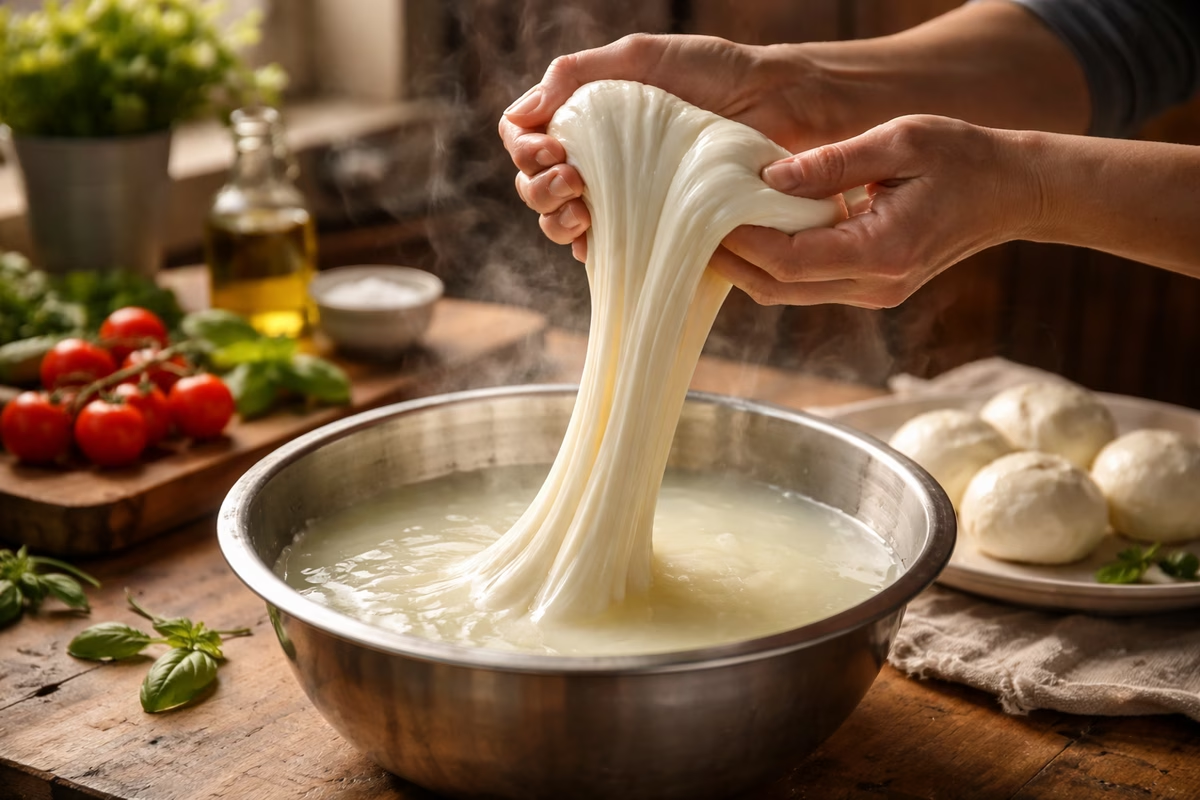
Stretched-curd cheese is the reason a slice of pizza can pull into long white threads, a ball of mozzarella can tear in soft layers, and a piece of provolone can feel both firm and elastic. The family is often known by the Italian term pasta filata, but the useful idea is simpler than the name: the curd is warmed, worked, and stretched until its proteins line up in a way that ordinary curd does not.
That stretching changes how the cheese feels before it ever reaches a plate. Fresh mozzarella is tender because its structure is elastic and moist. Burrata is dramatic because that structure forms a pouch around cream and shreds. Provolone can age into a sliceable, savory cheese while still keeping some of the pull of its youth. Oaxaca-style cheese unwinds into strands because the curd has been worked into ribbons. These cheeses do not all taste alike, but they share a physical memory of heat, acid, and handling.
If How Cheese Is Made gives the broad path from milk to curd, salt, rind, and age, stretched-curd cheese is one of the best examples of process becoming texture. It also explains why the same cheese can be wonderful cold, different at room temperature, and completely transformed under heat. For cooks, shoppers, and board builders, that makes this family especially useful.
Stretch begins before the stretching
A curd does not become stretchable just because someone pulls on it. The milk has to reach the right balance of acidity, calcium, moisture, and protein structure first. In many stretched-curd cheeses, rennet helps set the milk into a cohesive gel, then cultures or added acid move the curd toward the point where it can be heated and stretched without breaking into grainy bits.
This is where the details in Rennet, Acid, and Vegetarian Cheese become practical. Rennet gives many cheeses a cuttable curd. Acid changes how that curd behaves. In stretched-curd cheese, those two forces have to meet in a narrow working zone. Too little acidity and the curd may resist, tear, or stay rubbery. Too much acidity and it can lose elasticity, becoming brittle, leaky, or sour.
The cheesemaker tests the curd by warming a small piece and pulling it. If it stretches into a smooth sheet or strand, the curd is ready. If it breaks, the curd needs more time or is already past its best point. That test is humble, but it carries the whole style inside it. The cheese will later melt, tear, slice, or braid according to what happened in that short window.
Why mozzarella feels different from ordinary fresh cheese
Fresh mozzarella sits beside ricotta, chevre, burrata, and feta in many cheese cases, but it is not simply another soft fresh cheese. Its appeal comes from a worked curd rather than a loose curd. A good ball should have tenderness, light spring, and a clean dairy aroma. When you cut or tear it, the paste should show layers rather than crumble like a drained acid-set cheese.
That is why mozzarella can seem disappointing when it is too cold. The structure tightens, the milk flavor shuts down, and the texture feels less generous. Give it enough time to lose the hard chill, and the cheese opens. It becomes softer, a little more aromatic, and easier to taste. The point is not to leave it out carelessly for hours. It is to serve it with enough warmth that its texture makes sense.
Fresh Cheeses covers mozzarella as part of the wider fresh family, but stretched curd deserves its own close look because it behaves differently in the kitchen. Ricotta can dissolve into a sauce. Chevre can soften and spread. Feta can warm and slump while keeping its salty shape. Fresh mozzarella releases water, softens, and pulls. That pull is not decoration. It is the architecture of the cheese showing itself.
Burrata is built from contrast
Burrata is often treated as luxury mozzarella, but the pleasure is more specific. The outer shell is stretched curd, usually mozzarella-like in feel. Inside is stracciatella, a mixture of cream and shredded stretched curd. The first cut turns a tidy pouch into something flowing, and that contrast is the whole reason burrata works.
Because burrata is so rich, it needs partners that give it direction. Tomatoes, bitter greens, grilled bread, roasted peppers, olive oil, anchovy, citrus, and herbs all make sense because they give the cream somewhere to go. Pairing it only with other soft, mild things can make the plate feel heavy. A crisp edge of bread or a bright vegetable keeps the cheese from becoming a bowl of dairy for its own sake.
Burrata also has a shorter serving window than firmer stretched-curd cheeses. Once cut, it begins to spread. On a board, it is better in a shallow dish or on a plate with a slight rim than in the middle of a crowded spread where the cream can run into everything. It should feel generous, not messy.
Provolone, scamorza, and age
Not every stretched-curd cheese stays fresh and wet. Provolone shows how the same family can move toward age, salt, and density. Young provolone can be mild, smooth, and sliceable, useful in sandwiches or on a board when you want something friendly but not blank. Sharper versions become firmer and more savory, sometimes with a noticeable tang or piquant finish.
Scamorza sits nearby, often made in a tied, pear-like shape and sometimes smoked. It can be eaten as a table cheese, melted into sandwiches, or warmed until the outside browns and the interior turns elastic. Smoked versions can be excellent when the smoke behaves like seasoning rather than perfume. Too much smoke can flatten the milk flavor and make every bite taste the same, so a small piece often goes farther than expected.
Aging changes stretched-curd cheese in familiar ways. Moisture leaves, salt feels more prominent, and the paste becomes firmer. But the original worked structure still matters. An aged provolone will not behave exactly like a cheddar of similar firmness. It may slice with a smoother resistance, melt with a different pull, and carry a different balance of tang and savor. This is the same lesson that runs through Aged Firm Cheese : age matters, but the make still sets the frame.
Oaxaca-style cheese and the pleasure of strands
Oaxaca-style cheese is one of the clearest ways to understand stretched curd because the structure is visible. The cheese is pulled into ribbons, wound into a ball, and then peeled or pulled apart for eating and cooking. It has a gentle milk flavor, moderate salt, and an elastic texture that makes it especially good in quesadillas, tlayudas, and warm bread-based dishes.
The point of Oaxaca-style cheese is not sharpness. It is movement. It melts into strands and gives a dish stretch without needing a dominant flavor. That makes it useful with chiles, beans, mushrooms, corn, herbs, and roasted vegetables, where a stronger cheese might pull attention away from the dish. Like fresh mozzarella, it should be judged partly by texture. If it is dry, tough, or rubbery before cooking, heat will not turn it into something graceful.
This is a good reminder that mild cheese can still be highly specific. Mildness is sometimes treated as absence, but in stretched-curd cheese it can be a deliberate role. The cheese gives texture, moisture, and dairy sweetness while letting the rest of the food speak.
Cooking with stretch
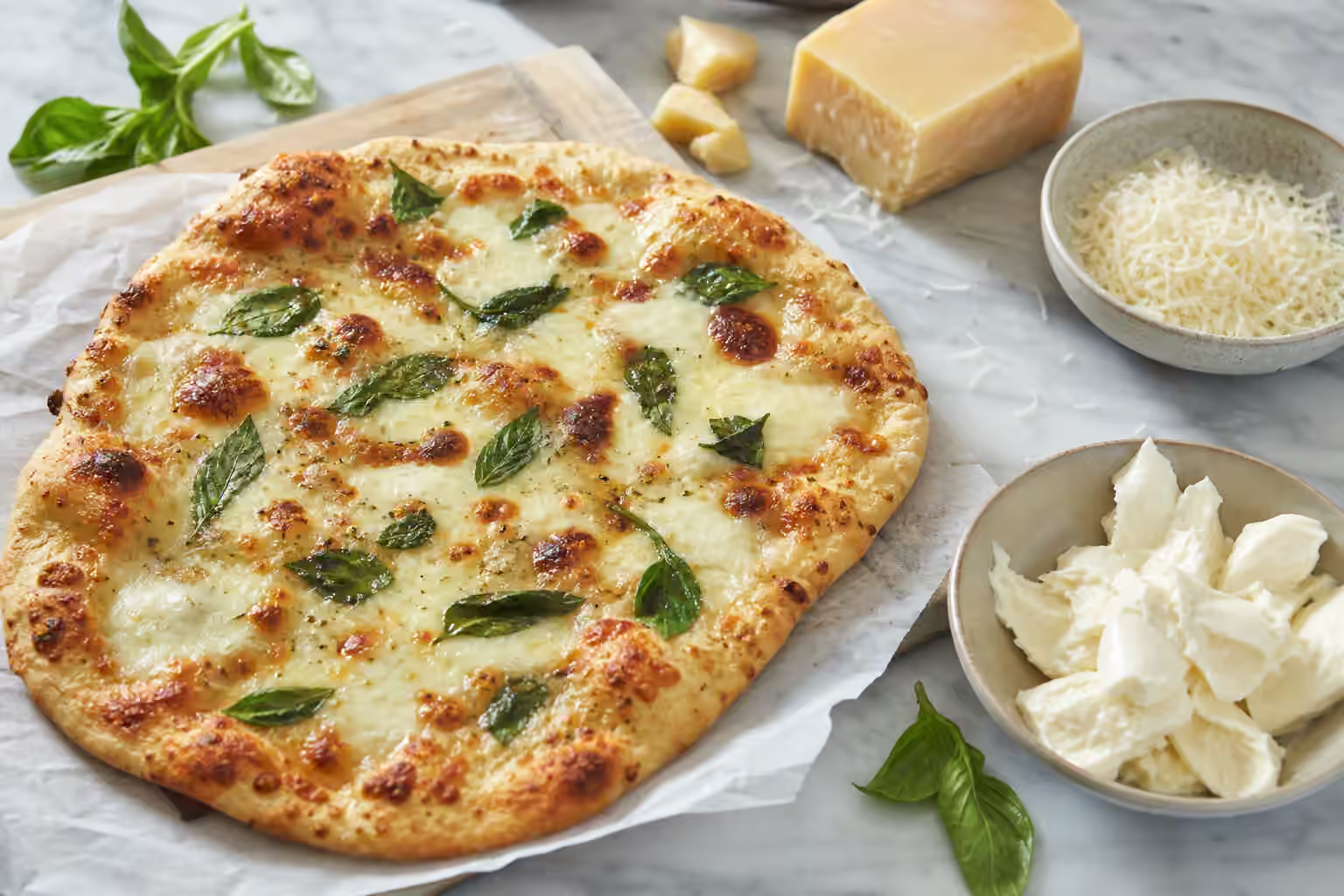
Stretched-curd cheeses are famous for melting, but they do not all melt the same way. Fresh mozzarella brings tenderness and water. Low-moisture mozzarella brings more predictable browning and stretch, which is why it is common on pizza. Provolone brings a smooth melt with more savory depth. Oaxaca-style cheese brings pull and gentleness. Scamorza can brown, soften, and add a faint smoky edge when that suits the dish.
The practical rule is to match moisture to the job. Fresh mozzarella can make a pizza watery if it is piled on thickly or added without enough heat and airflow. Draining, tearing, and using restraint help. Low-moisture mozzarella is less romantic on a tomato plate but often better in an oven. Provolone can make a sandwich taste more complete without needing much extra cheese. Oaxaca-style cheese melts beautifully in enclosed heat, where steam and warmth let the strands relax.
Cooking with Cheese explains the broader problem of greasy or grainy results, and stretched-curd cheeses show the pleasant side of that problem. They usually want enough heat to relax, but not so much abuse that they tighten, oil off, or turn leathery. A broiler can be useful when you want browning. Gentle enclosed heat is better when you want pull. The same cheese can fail or shine depending on which texture the cook is asking for.
Buying and storing stretched-curd cheese
At the counter, ask about use before asking for a famous name. For a tomato plate, you want fresh mozzarella that arrived recently, tastes clean, and still feels tender. For pizza, you may want low-moisture mozzarella or a drier fresh mozzarella handled with care. For sandwiches, provolone or scamorza may serve you better than a very wet cheese. For strand-heavy cooking, Oaxaca-style cheese should pull apart cleanly and smell fresh.
Look for clean dairy aroma and texture that fits the style. Fresh mozzarella should not smell sour, harsh, or stale. Burrata should feel intact and lively, not swollen with neglect. Provolone should have a coherent paste, not a dry cracked face. Smoked stretched-curd cheese should smell like cheese first and smoke second. If the smoke is all you can smell, the flavor may be just as blunt.
Storage depends on moisture. Fresh mozzarella and burrata usually need their liquid or original container until serving. Once opened, they are best treated as short-window cheeses rather than long-term fridge projects. Oaxaca-style cheese should be wrapped against drying but not forgotten until it turns tough. Provolone and scamorza are more forgiving, though the cut face still needs protection from refrigerator air. The routine in How to Store Cheese applies here, with extra attention to wet cheeses that dry quickly once exposed.
Serving is just as physical as storage. Tear fresh mozzarella rather than slicing it mechanically when you want the layers to show. Cut provolone thin enough that its salt and firmness feel pleasant. Pull Oaxaca-style cheese into strands when the form matters to the dish. The habits in How to Cut and Serve Cheese are not only about neatness. With stretched-curd cheese, the cut can reveal or hide the very texture you bought it for.
Stretched-curd cheese is easy to love because it is visible. You can see the pull, the braid, the tear, the pouch, the melting strand. But the visible drama comes from quiet control: the right acidity, the right heat, the right amount of working, the right moisture for the final use. Once you notice that, mozzarella stops being just the cheese on tomatoes, provolone stops being just a deli slice, and every melted strand starts to tell you how the curd was made.