Smoked cheese can be generous or clumsy, depending on how much smoke the cheese carries and what you ask it to do. At its best, smoke adds a browned, savory edge that makes a mild cheese feel deeper and an aged cheese feel warmer. At its worst, it covers the milk, flattens the rind, and leaves every bite tasting like a campfire instead of cheese.
The useful way to think about smoked cheese is not as a separate universe. It is ordinary cheese with one strong layer added. That layer can be beautiful when it supports the cheese underneath. It can also become the only thing anyone notices. The goal is to read the base cheese first, then decide whether the smoke is helping.
If you already use Cheese Texture and Moisture to understand how a wedge will cut, melt, or crumble, smoked cheese asks for the same attention. A smoked mozzarella, a smoked cheddar, a smoked Gouda-style cheese, and a smoked blue do not behave alike. Smoke changes aroma more than structure. The texture still comes from moisture, age, make, salt, and fat.
Smoke Should Have a Base
Smoke without a good base cheese is just seasoning looking for a subject. A mild, elastic cheese can take on smoke and become more useful for sandwiches, baked dishes, and snack boards. A firmer aged cheese can pick up campfire, bacon-like, toasted, or roasted-nut notes that echo its natural savor. A delicate fresh cheese can be overwhelmed if the smoke is too heavy, because there is not enough depth underneath to hold it.
This is why smoked cheese is easiest to enjoy when you ask what the cheese was before the smoke arrived. If it was a young melting cheese, expect the smoke to show quickly and the texture to stay supple. If it was an aged firm cheese, expect a denser bite and a longer salty finish. If the smoke seems to hide the milk completely, the cheese may still be useful in cooking, but it may not be the best piece for careful tasting.
Color can help, but it is not proof. Some smoked cheeses have a darker outside and pale interior. Others are colored by annatto, paprika, or surface treatment, so the orange or brown tone may not tell you much about actual smoke. Smell matters more. A good smoked cheese smells savory and clean, not acrid, stale, or chemical.
Taste Smaller Than Usual
Smoked cheese often tastes louder than its size. A cube that would be pleasant with plain cheddar can feel heavy with smoked cheddar. A thick slice of smoked Gouda-style cheese can dominate a sandwich before the bread, mustard, and pickles have a chance to help. Small cuts give smoke room to be interesting without becoming tiring.
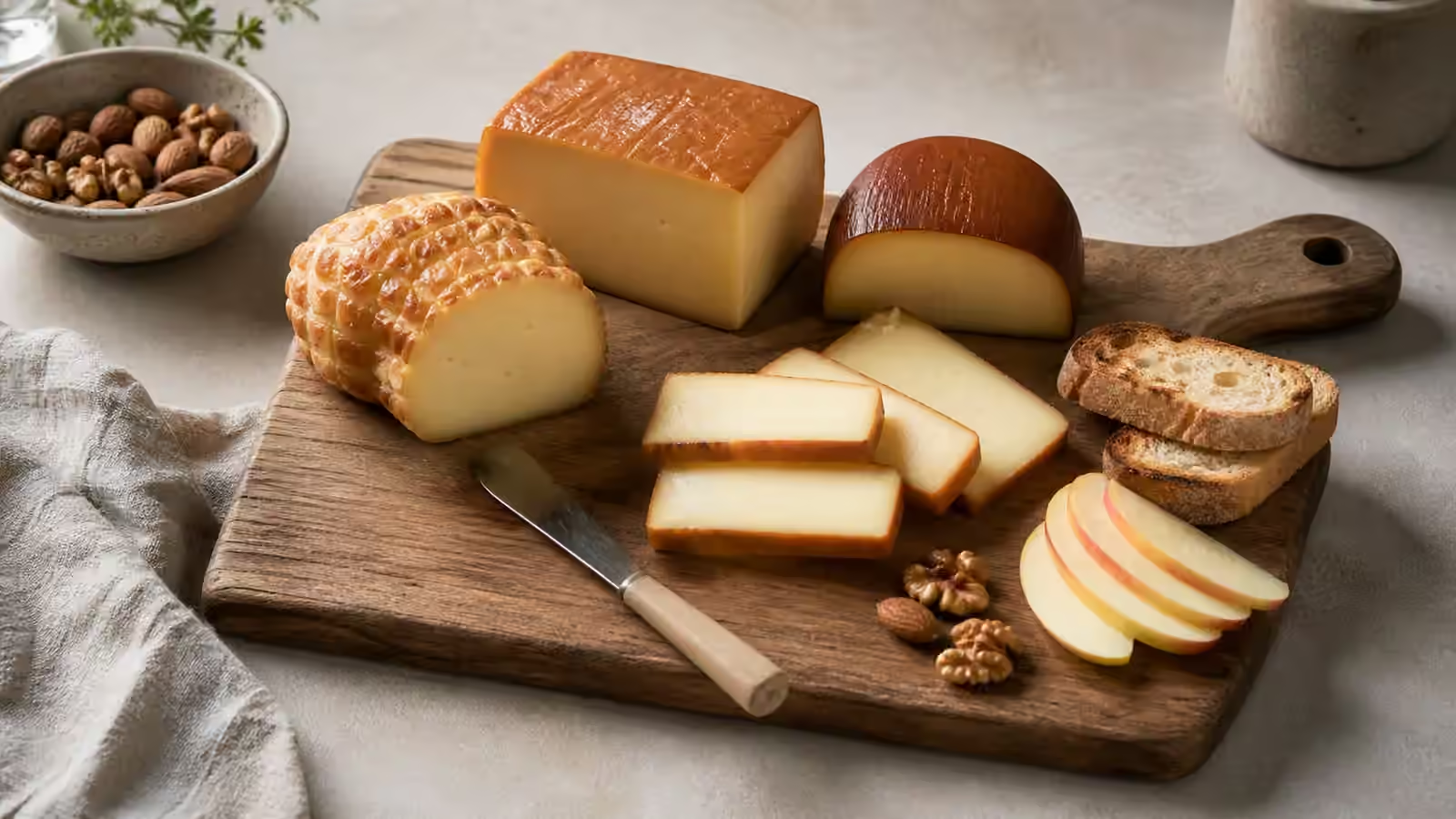
For a board, slice smoked cheese thinner than you might slice its unsmoked cousin. If the cheese is firm, small shards or narrow batons work better than thick blocks. If it is semi-soft, a few starter slices encourage people to take modest bites. The same advice in How to Cut and Serve Cheese applies here with extra force: the cut is part of the flavor.
Temperature also changes smoked cheese. Cold smoke can taste blunt and salty. Slight warmth lets fat soften and makes the aroma rounder. Too much warmth can make smoke feel heavy, especially in oily or very salty cheeses. Let a firm smoked cheese sit long enough to lose the refrigerator chill, then taste it before deciding how large the serving should be.
Pair Smoke With Brightness
Smoke likes contrast. Apples, pears, pickles, mustard, onions, tomatoes, bitter greens, and crisp crackers all help because they keep the cheese from becoming one dark note. A smoked cheese beside only nuts and cured meat can feel too savory, especially if the cheese is already salty. A little acidity or freshness makes the smoke more legible.
Fruit works because it brings water and sweetness. Apple slices can make smoked cheddar feel cleaner. Pear can soften a smoked blue. Grapes can help, but they are often sweeter than they are acidic, so they may need a crisp cracker or a tart condiment nearby. Pickles and mustard are even more direct. They cut through fat and make the smoke feel intentional rather than heavy.
Drink pairing follows the same logic. The broader pairing ideas in Cheese Pairing Beyond Wine are useful, but smoke narrows the choices. Malty beer can echo toasted flavors. Dry cider can clear the palate. Black tea can make a smoked cheese feel calmer and less greasy. Very bitter drinks can work with rich smoked cheese, but they can also turn sharp and metallic when salt is high, so taste before committing a whole board to the match.
Cooking Makes Smoke Travel
Heat spreads smoke through a dish faster than people expect. A small amount of smoked cheese in a sauce, gratin, omelet, or baked pasta can make the whole dish taste seasoned. Too much can make every bite identical. Treat smoked cheese like a strong accent before treating it like the main cheese.
The safest cooking move is blending. Use a reliable melter for body and a smoked cheese for flavor. A young Gouda-style cheese, Monterey Jack, Fontina, or low-moisture mozzarella can provide the smooth melt, while a smaller amount of smoked cheddar or smoked Gouda-style cheese adds aroma. Cooking with Cheese explains why a sauce needs moisture and gentle heat; smoked cheese follows those rules too.
Smoked cheese is especially useful in potatoes, eggs, beans, cornbread, savory biscuits, grilled sandwiches, and simple vegetable bakes. These foods have enough starch, sweetness, or moisture to carry the smoke. It is less useful when the dish already has many smoky ingredients. Smoked paprika, charred vegetables, bacon, grilled meat, and smoked cheese in one dish can become crowded. One smoke signal is usually clearer than four.
Storage Keeps Smoke Contained
Smoked cheese can perfume the refrigerator. Wrap it well, then give it a small container if the aroma is strong. The storage habits in Cheese Storage still apply: protect the cheese from drying, avoid trapping excess moisture, and rewrap after cutting. The special smoked-cheese issue is odor transfer. A smoky wedge stored carelessly can make butter, fruit, and delicate cheeses taste faintly smoked.
If the cut face dries, trim it and taste the interior. If the surface becomes sticky in a way that does not fit the cheese, rewrap in fresh paper and give it a little more airflow inside the container. Smoke can mask early signs of staleness, so do not rely on aroma alone. Look at texture, surface condition, and flavor.
Smoked cheese is most satisfying when it stays in proportion. Buy smaller pieces unless you already know how you will use them. Serve thinner cuts. Pair with freshness. Cook with restraint. The smoke should make the cheese feel warmer, deeper, and more savory. It should not make you forget there was cheese there in the first place.