Sheep milk cheese often tastes richer than its modest wedges suggest. The milk is naturally dense, and many sheep milk cheeses carry that density into the paste: a rounded mouthfeel, a savory sweetness, and a finish that can move from cream to toasted nuts to broth. If cow milk cheese is the broad middle of the cheese counter and goat cheese is the bright edge, sheep milk often feels like the deep center.
Milk Types in Cheese gives the broad comparison between cow, goat, sheep, and mixed milk. This guide focuses on how sheep milk behaves on the board and in the kitchen. It is not one flavor. A brined sheep milk cheese, a young sheep milk tomme, an aged pecorino, and a Manchego-style wedge can feel like different languages spoken with the same warm voice.
Richness is the first clue
Sheep milk contains more solids than many cow and goat milks, which is one reason sheep milk cheeses can feel dense and satisfying. You may notice this before you can name any flavor. A sheep milk wedge can taste full even when the piece is small. It can feel creamy without being soft, sweet without being sugary, and savory without needing heavy funk.
That richness changes how you serve it. Thick chunks of aged sheep cheese can become tiring because the flavor is concentrated. Thin slices, small triangles, or rough shards often work better. They let the cheese warm quickly and dissolve across the tongue. A brined sheep milk cheese may need the opposite treatment: larger soft pieces that show moisture and salt, then a partner like tomato, cucumber, herbs, or bread.
Sheep milk cheese also rewards temperature. Fridge-cold, it can taste mainly salty or firm. After a rest, the sweetness and nuttiness come forward. The Cheese Serving Temperature guide is useful here, but a simple test works too. Cut one small piece cold, then taste another after twenty or thirty minutes. The second bite usually explains why the cheese deserved patience.
Aged sheep milk cheese
Aged sheep milk cheese is where many people fall hard. Manchego-style cheeses, pecorino styles, Ossau-Iraty, and other firm sheep milk wheels can be nutty, grassy, caramel-like, lanolin-rich, or deeply savory. Some are smooth and sliceable. Others become granular or crystalline. The age, rind, milk quality, and make all shape the final character.
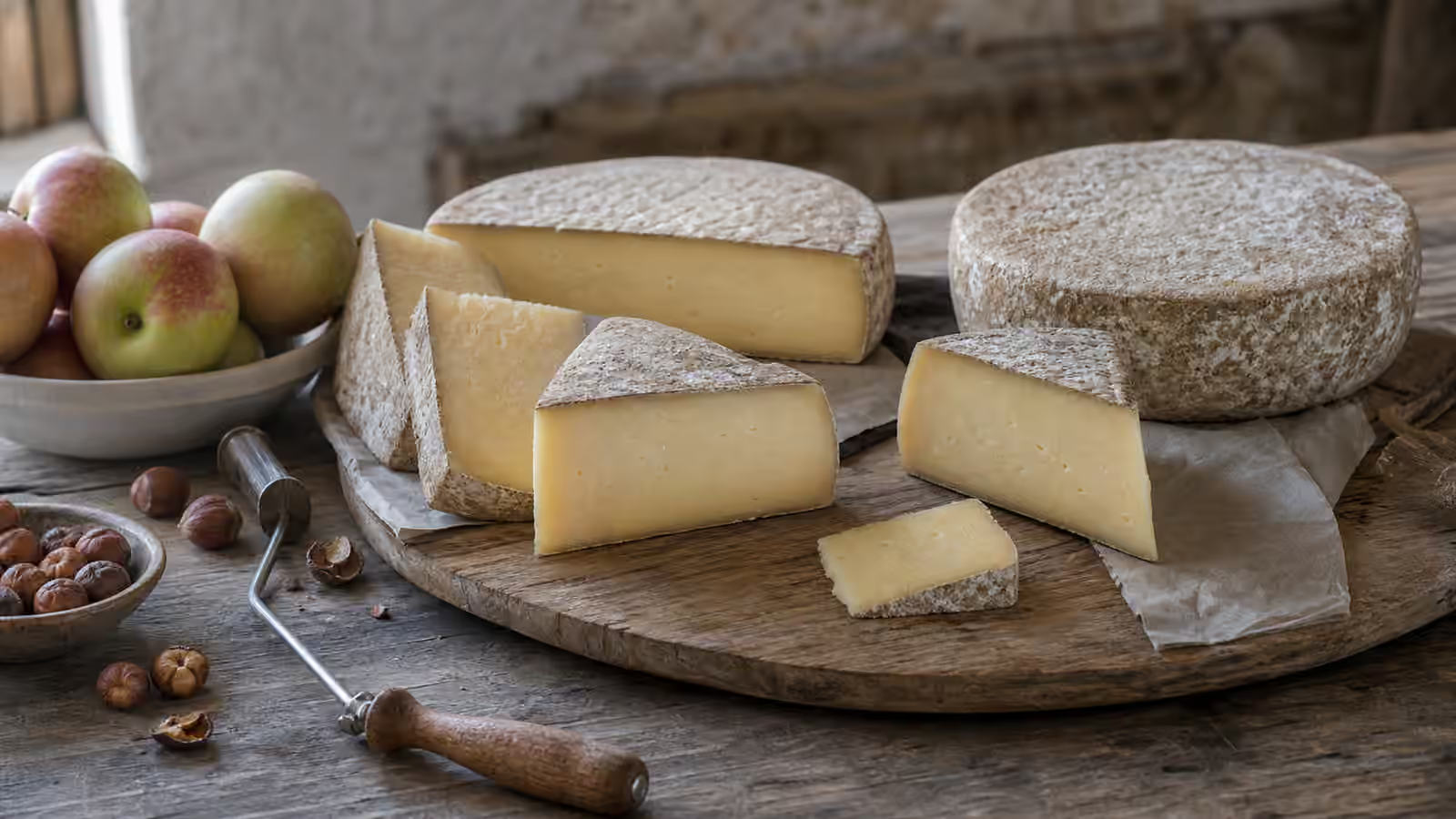
The mistake is treating all firm sheep cheese like a grating cheese. Some pecorino styles are salty, hard, and built for grating. Others are table cheeses with a softer paste and a more rounded flavor. Manchego-style cheeses can range from young and supple to aged and intense. A young sheep tomme may be gentle enough for a picnic board, while a long-aged wedge may want fruit, nuts, and small pours of something bright.
When shopping, ask about age and texture. If the cheesemonger says a sheep milk cheese is “six months,” that suggests a different eating experience than one aged “eighteen months.” Younger pieces often bring milk sweetness and a pliable bite. Older pieces concentrate salt, aroma, and texture. If you buy from a supermarket case, look for clean cut faces, no oily sweating, and rind that looks sound rather than neglected. The same condition rules from Cheese Ripeness and Condition apply here.
Brined and fresh sheep milk cheeses
Sheep milk also excels in brined and fresh styles. Feta-style cheeses, mixed milk brined cheeses, soft baskets, and fresh curds can show a different side of the milk: tangy, saline, creamy, and direct. The salt is not just seasoning. It preserves texture, controls moisture, and frames the cheese’s sweetness. The Salt in Cheese guide explains that broader role, and sheep milk makes the lesson easy to taste.
A brined sheep milk cheese should not be judged the same way as an aged wedge. Its beauty may be in the clean break, the creamy crumble, the way salt moves into tomatoes, or how it softens in warm beans and greens. If it tastes too salty on its own, do not write it off immediately. Pair it with water-rich vegetables, olive oil, herbs, grains, or unsalted bread. Salt that feels loud alone can become exactly right in context.
Fresh sheep milk cheeses are less common in some markets, but they are worth noticing when available. They can be plush, mild, and sweet, with less of goat cheese’s bright tang and more body than many cow milk fresh cheeses. Serve them simply. A heavy jam or aggressive cracker can hide the milk’s quiet richness. Good bread, ripe fruit, olive oil, and a little black pepper are often enough.
Pairing sheep milk cheese
Sheep milk cheese likes partners that either echo richness or cut through it. Almonds, hazelnuts, walnuts, figs, dates, quince paste, roasted peppers, honey, and crusty bread all make sense because they respect the cheese’s density. Acid matters too. Apples, pears, tomatoes, pickled onions, dry cider, sparkling wine, and crisp white wine can keep the bite from becoming heavy. The Cheese and Wine Pairing Guide covers classic beverage logic, but sheep milk often benefits from a simple rule: the richer the cheese, the more useful freshness becomes.
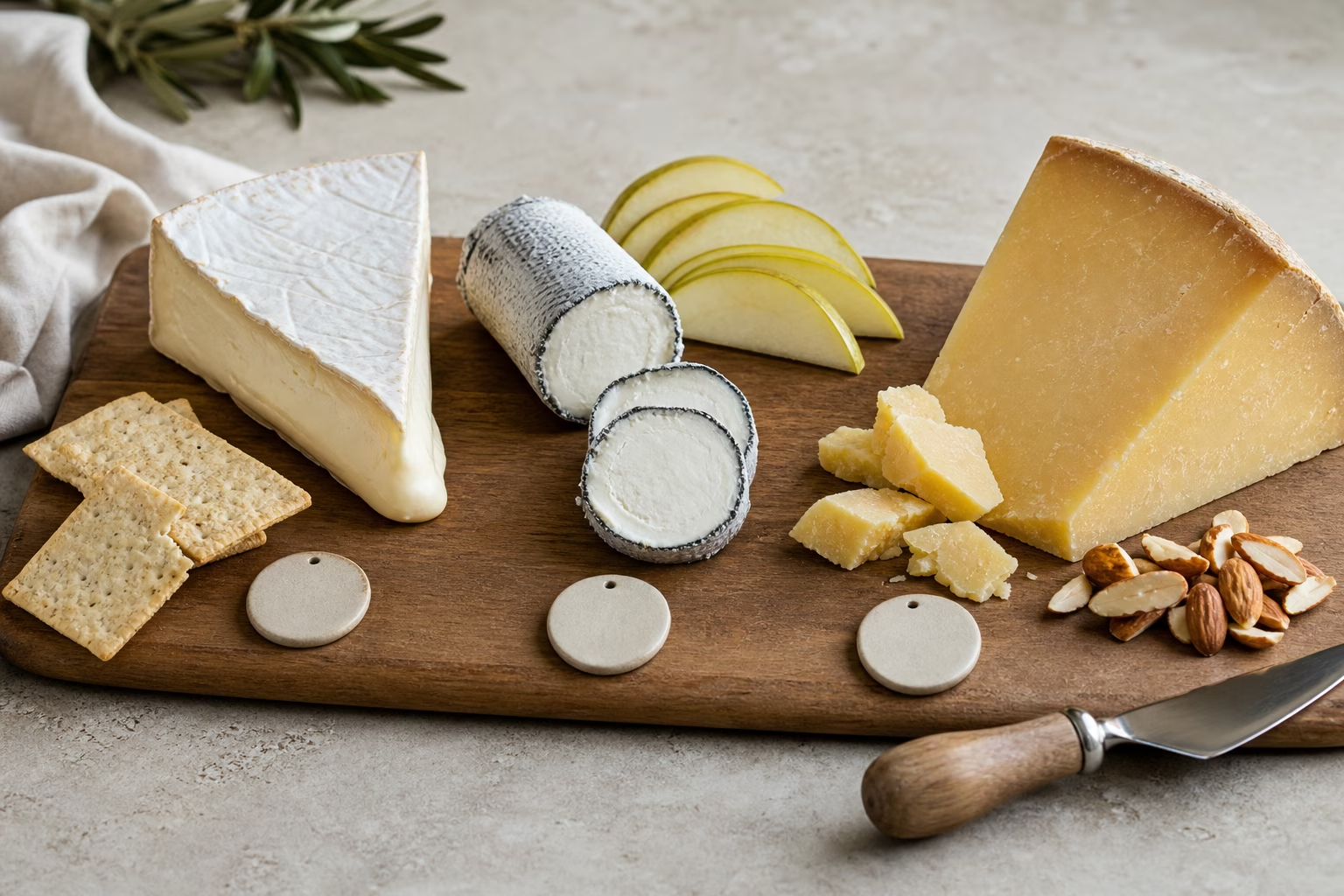
On a board, sheep milk cheese can play several roles. A young sheep tomme can be the gentle center. An aged sheep wedge can be the savory anchor. A brined sheep cheese can be the bright salty piece near vegetables. A hard pecorino-style cheese can be the finishing accent, shaved rather than served in big chunks. Decide its role before you cut it, and the board will feel more intentional.
In cooking, sheep milk cheese can be powerful. Pecorino-style cheeses bring salt and sharpness, so add them gradually and taste before adding more salt. Brined sheep cheeses can enrich baked vegetables, eggs, beans, and salads, but they can toughen or weep if handled roughly under heat. Aged sheep cheeses can be shaved over warm dishes where residual heat releases aroma without turning the cheese greasy.
Learn by comparing milk families
The clearest way to understand sheep milk is to compare it with cow and goat cheeses of similar texture. Try a young cow milk gouda, a young goat tomme, and a young sheep milk cheese. Or compare aged cheddar, aged goat, and aged sheep. Keep the accompaniments plain at first, then add fruit or nuts after the first taste. You will likely notice that sheep milk sits with more weight on the palate and often carries a sweet-savory finish.
That comparison also keeps you from reducing sheep milk to one famous name. Manchego, pecorino, feta-style cheese, and mountain sheep wheels are related by milk, not identical in purpose. Some are table cheeses, some are cooking cheeses, some are built for brine, and some are built for long aging. Once you taste the richness underneath those differences, sheep milk becomes easier to buy and easier to serve.