Cheese is often sold as if it were timeless. A wedge sits in the case, wrapped and labeled, looking as though it could have appeared in any month. Some cheeses are made to be steady that way. Others carry the season plainly: the grass the animals ate, the fat and protein in the milk, the temperature of the aging room, the size of the wheel, and the amount of time between milking and serving.
Seasonality does not mean a cheese is good only in one month. It means the wheel has a calendar behind it. Fresh cheese may speak most clearly when the milk is bright and plentiful. Alpine and firm cheeses may show summer pasture months later, after aging has turned grass into nuts, broth, and caramel. Some washed rinds and soft cheeses belong emotionally to colder weather because they ask for bread, potatoes, cider, and a table that can handle aroma.
If Milk Types in Cheese explains the animal starting point and Cheese Aging explains time, seasonality explains how those two ideas move through the year.
Milk Changes Before Cheese Begins
Milk is not a blank ingredient. It carries water, fat, protein, minerals, sugar, color, and aroma. Those qualities change with feed, breed, climate, lactation cycle, and handling. A farm that milks animals on fresh pasture may see milk shift as grasses, herbs, and flowers change. A dairy working with stored feed may have a steadier flavor profile. Neither is automatically better, but they do not taste identical.
The most visible seasonal clue is often color in cow milk cheeses. Pasture rich in beta carotene can help produce a warmer golden paste, especially in firm cheeses where color concentrates as water leaves. That color is only a clue, not proof. Some cheeses are colored with annatto, some animals process pigments differently, and some seasonal differences are too subtle for the eye. Still, when a summer-made alpine wedge glows beside a paler wheel, the color may be telling part of the pasture story.
Flavor changes are quieter. Spring milk can taste fresh, grassy, and delicate when made into young cheeses. Summer milk can be aromatic and rich when animals graze diverse pasture. Cooler-season milk can be steadier, denser, or shaped more by stored feed than by fresh herbs. These are tendencies, not rules. The cheesemaker still decides culture, curd handling, salt, rind, and age. Season gives the starting material; craft decides what happens to it.
Fresh Cheeses Show the Season Quickly
Fresh cheeses have little aging to hide behind. Ricotta-style cheeses, fresh chevre, mozzarella, fromage blanc, burrata, and young lactic cheeses are close to the milk they came from. That is part of their pleasure. When the milk is vivid, fresh cheese can feel almost immediate: clean dairy, gentle acidity, soft sweetness, grass, lemon, cream, or mineral notes depending on the milk and make.
Because they are young, fresh cheeses also show handling quickly. They do not gain depth from sitting in the refrigerator. They lose brightness, absorb odors, and weep moisture. The freshness habits in Fresh Cheeses matter especially when the season offers good milk and you want to taste it clearly.
Seasonal eating with fresh cheese is not complicated. In spring and early summer, pair young goat cheese or fresh cow cheese with herbs, peas, asparagus, young greens, or strawberries if those foods suit your table. In high summer, mozzarella with tomatoes and basil works because the cheese is mild enough to carry ripe produce without competing. In cooler months, fresh cheese can still be excellent, but it may need warmth from toast, roasted vegetables, olive oil, honey, or citrus rather than raw garden freshness.
The point is not to chase romance. It is to choose accompaniments that make sense for the cheese in front of you. A fresh cheese that tastes bright does not need heavy jam. A mild fresh cheese in winter may welcome toasted bread and herbs. Seasonality is useful only when it improves the bite.
Aged Cheese Carries Earlier Months
Firm and hard cheeses complicate the calendar because they arrive long after the milk was produced. A wheel made from summer milk may be sold in autumn, winter, or the following year. By then, the pasture notes have passed through culture, curd cooking, salt, moisture loss, rind development, and aging. The fresh grass is no longer fresh grass. It may become hay, nuts, broth, caramel, browned butter, fruit, or savory depth.
This is why some mountain cheeses feel seasonal even when they are aged. The Alpine Cheese Trail tells that story through place, but the broader lesson applies elsewhere. A large wheel records milk, make, and cave conditions over time. The label may not tell you the month of production, but the cheese may still carry the logic of that month.
Age also changes when a cheese reaches its best moment. A young tomme made from fragrant milk might be most enjoyable after a short rest. A cooked-curd alpine wheel may need months before its texture and flavor feel complete. A cheddar may show different sides at six months, twelve months, and two years. The season of making matters, but so does the season of readiness.
At the counter, ask practical questions rather than romantic ones. Ask when a cheese is tasting good, what changed in the current batch, or whether the wheel is fruitier, nuttier, grassier, or sharper than usual. A good cheesemonger may not give you a lecture about pasture, but they can often tell you whether this cut tastes bright, brothy, sweet, earthy, or intense right now. That answer matters more than a poetic origin story.
Rinds Respond to Weather and Rooms
Rind cheeses are shaped by environment after the milk has already become curd. Humidity, airflow, temperature, washing, brushing, and handling all influence the surface. A bloomy rind needs enough moisture to ripen gracefully but not so much that it traps harsh aroma. A washed rind needs surface care and humidity but can become too assertive if conditions push it hard. Natural rinds need drying and airflow so the surface protects the paste without turning stale.
This is one reason seasonal cheesemaking is not just about animals outside. The aging room has its own climate. Traditional cellars changed with the year, and modern rooms try to control that change. Even with good control, a cheesemaker may adjust turning, washing, wrapping, or aging time because the cheese behaves differently.
For the home buyer, this matters most after purchase. A ripe bloomy cheese bought for tonight should not become a week-long refrigerator experiment. A washed rind that is perfect on Friday may be too loud by Tuesday. A firm natural-rind cheese may tolerate time better, but its cut face still dries if neglected. Cheese Storage is the home version of respecting season and environment. You cannot recreate the cave, but you can avoid undoing good ripening with tight plastic, dry air, or too much delay.
Seasonal Boards Should Feel Specific
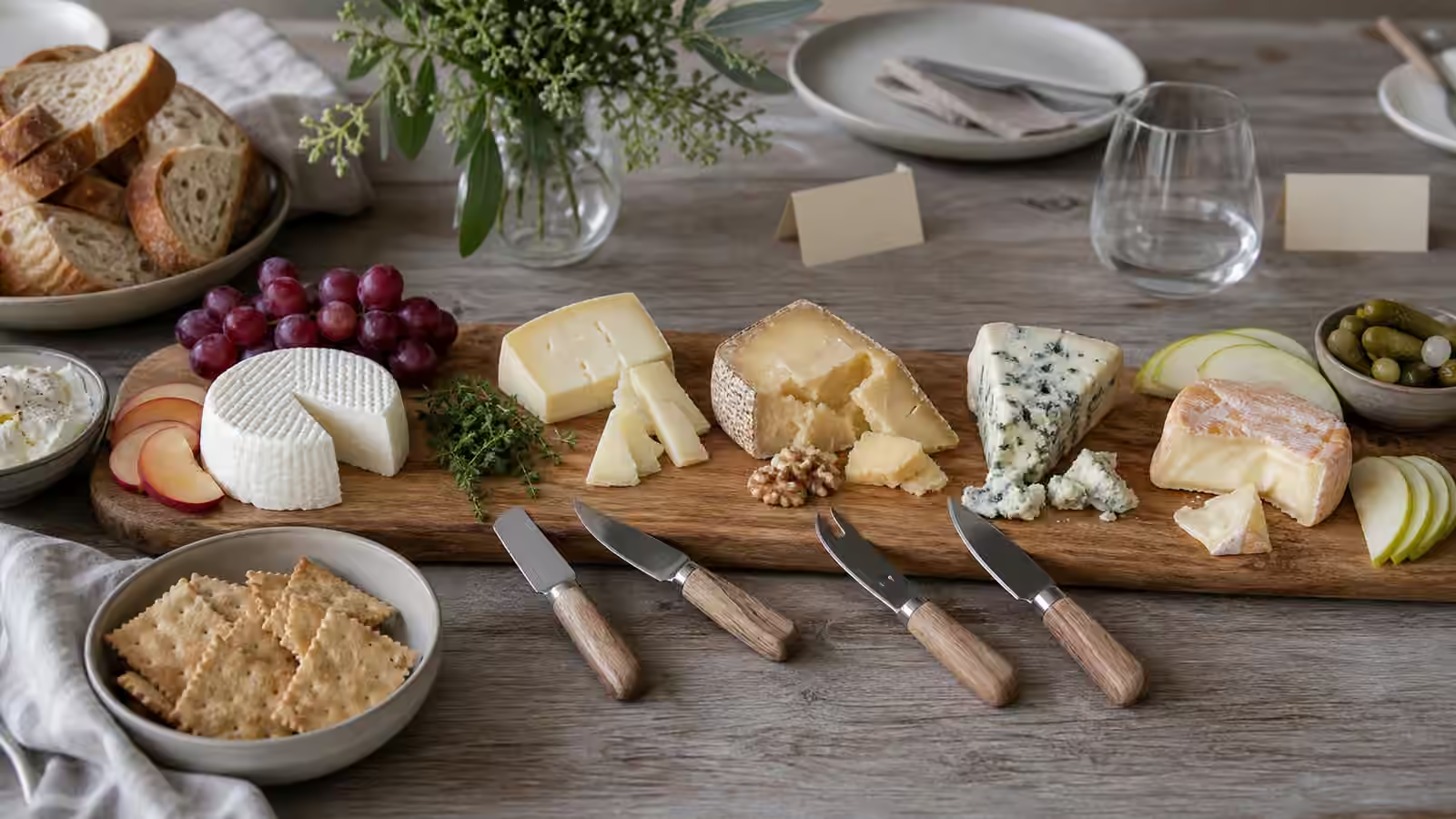
A seasonal cheese board does not need decorations that announce the month. It needs cheeses and accompaniments that make sense together. In spring, a young goat cheese, a mild bloomy rind, and a gentle firm cheese can feel alive with herbs, radishes, crisp bread, and lightly acidic fruit. In summer, fresh mozzarella, feta, young sheep cheese, or a mild tomme can sit beside tomatoes, peaches, cucumbers, olives, and bread. In autumn, aged Gouda, cheddar, alpine cheese, and sheep milk wedges can carry apples, pears, nuts, mustard, and darker honey. In winter, a washed rind, a blue, a dense alpine cheese, or a baked cheese dish may fit the appetite better than a fragile fresh board.
Those examples are not rules. They are ways to think about weight. Warm weather often wants moisture, acid, and lift. Cool weather often welcomes density, toast, salt, and savory depth. The cheese may lead the board, or the season’s produce may lead it. The best boards make both feel intentional.
Cut and temperature still matter. A summer board can fail if soft cheeses sit in the heat too long. A winter board can fail if aged wedges stay fridge-cold and taste only salty. Seasonality does not replace basic serving judgment. It gives that judgment a direction.
Reading Labels Without Overreading Them
Labels can hint at season through words like farmstead, pasture, alpine, transhumance, summer milk, winter milk, raw milk, hay, cave-aged, clothbound, or natural rind. These words can be meaningful, but they are not guarantees. A beautiful label cannot tell you whether the particular piece was cut well, stored well, or ripe for your table.
Use label language as an invitation to ask better questions. If a label emphasizes pasture, ask what that shows in the flavor. If it names a season, ask whether this batch tastes different from another. If it names age, ask whether the cheese is ready for shaving, slicing, cooking, or serving as a board centerpiece. How to Read Cheese Labels helps with the vocabulary, but the cheese itself should always get the final word.
Seasonal cheese is not about making shopping precious. It is about noticing that cheese comes from living systems and patient rooms, not from a permanent category called cheddar, brie, or goat. Once you notice that, buying becomes more interesting. You stop asking only what a cheese is and start asking when it is, where it has been, and whether this is the moment to eat it.