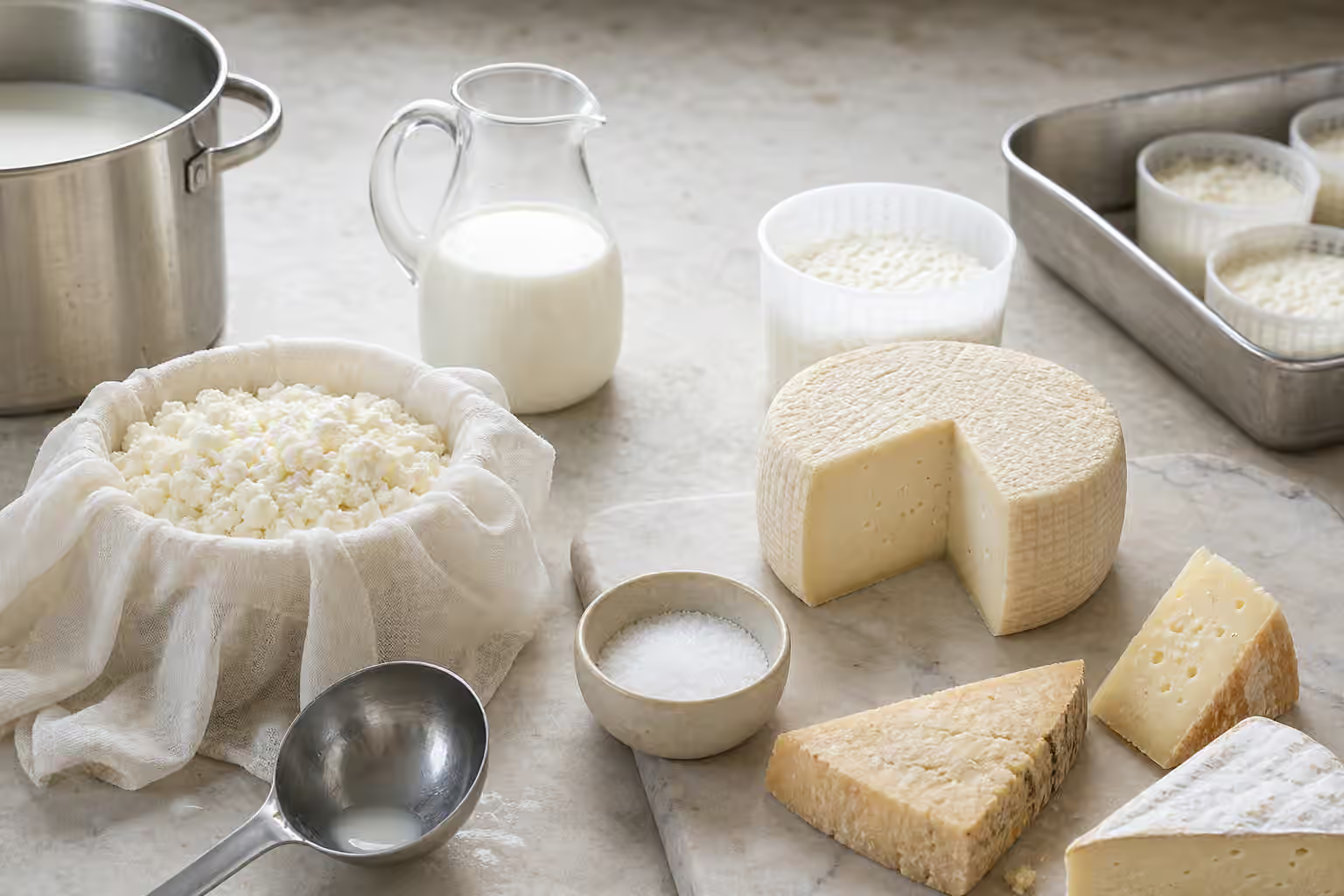
Cheese changes most dramatically in a quiet moment. Milk that was fluid begins to hold a shape. A spoon no longer moves through it like cream; it breaks a delicate gel. From that point forward, the cheesemaker is not just handling milk. They are handling curd, and the way that curd formed will follow the cheese all the way to the table.
That setting step can sound like a technical detail, but it explains many ordinary cheese questions. Why does fresh ricotta feel tender and slightly grainy while a young Gouda slices cleanly? Why does mozzarella stretch, while paneer holds its shape in a pan? Why do some cheeses say vegetarian rennet, microbial rennet, animal rennet, or no rennet at all? Those labels are not trivia. They are clues about how the milk proteins gathered, how much moisture the cheese kept, and what kind of texture the finished cheese was built to have.
If How Cheese Is Made is the broad map from milk to curd, salt, rind, and age, this guide zooms in on the first structural turn. It is useful for shoppers, home cooks, and anyone trying to understand cheese labels without turning the counter into a chemistry exam.
The Set Is the Beginning of Texture
Milk looks smooth, but it is full of tiny structures. Casein proteins gather in small clusters that stay suspended in water, fat, lactose, minerals, and other milk solids. Cheese begins when those proteins stop floating so independently and start joining into a network. That network traps water and fat. The cheesemaker then cuts, stirs, drains, salts, and shapes it.
There are two common paths into that network. Rennet creates a firm, elastic gel by changing how casein proteins hold together. Acid creates a different set by pushing milk toward a point where the proteins lose their easy suspension and clump. Cultured cheeses often use both forces in sequence: bacteria make acid over time, while rennet gives the curd enough strength to cut and handle.
That difference matters because a curd is not just a step on the way to cheese. It is the architecture of the cheese. A rennet-set curd can be cleanly cut into cubes, stirred, cooked, and pressed into a wheel. An acid-set curd is often more fragile, tender, or crumbly. One pathway favors elasticity and age. The other favors brightness, immediacy, and a different kind of softness.
What Rennet Does
Rennet is a coagulant. Its best-known enzyme, chymosin, changes the surface of casein proteins so they can gather into a gel. The milk may look unchanged for several minutes after rennet is added, then suddenly it has a body. Cheesemakers test that body by watching how the curd breaks, because the firmness of the set affects everything that follows.
When the set is right, the curd can be cut into pieces. Larger pieces keep more moisture. Smaller pieces release more whey. A soft bloomy-rind cheese needs a different curd size and handling rhythm than a firm alpine wheel. A cheese destined for long aging needs enough structure to drain, salt, and mature without collapsing. Rennet helps create that structure.
Rennet does not make cheese taste strongly of rennet. Its influence is mostly structural, though structure becomes flavor over time. A clean, cohesive curd can drain evenly. Even drainage helps salt distribute. Salt and moisture influence aging. Aging changes aroma, texture, and intensity. By the time you taste a wedge, the original set is hidden inside a chain of later choices, but it is still part of the reason the cheese behaves the way it does.
This is why many sliceable and ageable cheeses are rennet-set or partly rennet-set. Cheddar, Gouda, Gruyere-style wheels, Manchego-style cheeses, many blues, and many bloomy rinds all depend on a curd that can be handled with some confidence. If you already use Cheese Types as a shopping map, rennet is one reason those types have such different bodies.
How Acid-Set Cheese Feels Different
Acid-set cheese forms when acidity does the main work of gathering the proteins. That acid may come from lemon juice, vinegar, another food acid, or lactic cultures that slowly acidify the milk. The resulting curd often feels softer, more delicate, or more crumbly than a rennet-set curd. It can taste bright, milky, and direct because it is usually eaten young.
Ricotta-style cheeses, fresh farmer cheeses, paneer, queso fresco, some fresh goat cheeses, and many simple lactic cheeses show this logic clearly. They do not need a long cave life to be interesting. Their charm comes from clean milk flavor, tang, moisture, salt, and the way they receive olive oil, herbs, fruit, vegetables, or warm bread. The details in Fresh Cheeses make more sense when you remember that many fresh styles are built around acid, gentle draining, and short timelines.
Acid-set does not mean weak. Paneer is a good example. It is acid-set, but pressing gives it enough body to cut into cubes and cook without melting into a sauce. It browns, warms, and holds its shape because its proteins have gathered in a way that does not create the stretchy melt of mozzarella or the smooth flow of Fontina. That makes paneer useful in dishes where a melting cheese would disappear.
Acid-set also does not mean rennet-free in every case. Some cheeses rely mostly on culture acid but use a small amount of rennet for texture. Others use rennet and acid together in a carefully timed balance. Labels can simplify this complexity, so it is better to treat them as helpful clues rather than complete explanations.
Animal, Microbial, and Plant Coagulants
Traditional animal rennet comes from the stomach lining of young ruminants. It has been used for centuries because it is especially effective at setting milk into a curd suitable for many aged cheeses. Some classic cheeses are still made this way because producers value the texture, tradition, and aging behavior it gives.
Microbial rennet is produced by microorganisms rather than taken from animals. Fermentation-produced chymosin is made through controlled fermentation and is widely used because it can behave very much like chymosin from animal rennet while avoiding direct animal sourcing. Plant coagulants also exist. Thistle is the famous example in certain Iberian sheep milk cheeses, where it can help create a lush, sometimes slightly bitter, custardy texture. Fig sap, nettle, and other plants appear in historical or regional cheesemaking, though not all plant coagulants behave predictably in every cheese.
The important point is that coagulant choice is not only an ethics label. It can affect texture, aging, bitterness, and consistency, especially in cheeses held for a long time. Some microbial or plant coagulants may work beautifully in one style and less well in another. Good producers choose the coagulant that fits the milk, the make, and the intended cheese.
For shoppers, the label is still useful. If you avoid animal rennet for vegetarian, religious, or personal reasons, look for clear language such as vegetarian rennet, microbial rennet, fermentation-produced chymosin, or rennet-free. If the label is vague and the distinction matters to you, ask the cheesemonger or producer. The habits in How to Buy Cheese Like a Cheesemonger apply here: plain questions get better answers than embarrassed guessing.
What Vegetarian Cheese Labels Can Tell You
Vegetarian cheese usually means the coagulant was not derived from animal stomach. It does not automatically tell you the milk source, the culture details, the rind treatment, or whether a cheese fits a particular religious standard. It also does not guarantee a specific flavor. A vegetarian cheddar-style cheese may taste familiar and slice cleanly. A plant-coagulated sheep cheese may taste unusually custardy or herbal. A rennet-free fresh cheese may be bright and tender.
The safest way to read the label is to separate values from texture. If the question is dietary, the coagulant source matters. If the question is cooking, the finished moisture, fat, acidity, and age matter more. A vegetarian cheese can melt well or poorly depending on its make. An animal-rennet cheese can be mild or intense depending on milk, salt, rind, and age. The rennet label answers one question, not every question.
This is where Milk Types in Cheese becomes useful. Cow, goat, sheep, and mixed milks already bring different fat, protein, color, and flavor tendencies. Coagulant choice sits on top of those tendencies. A sheep milk cheese set with thistle does not taste the way it does only because of the plant coagulant. The sheep milk matters. The salt matters. The ripening room matters. Cheese is never one variable wearing a label.
Why the Set Matters in the Kitchen
Heat reveals structure. A cheese that was built to melt will relax, flow, and sometimes stretch. A cheese that was acid-set may soften and brown but keep its shape. A long-aged cheese may grate beautifully yet turn grainy if forced to become the bulk of a sauce. The cooking advice in Cooking with Cheese rests on this simple fact: cheese remembers how it was made when it meets heat.
Mozzarella is the obvious lesson because stretched-curd cheesemaking aligns proteins so the cheese pulls into strands. Fontina and young Gouda melt smoothly because their moisture, fat, acidity, and protein structure cooperate. Paneer, halloumi-style cheeses, and queso fresco behave differently because their structure resists flow. They can be grilled, fried, simmered, or crumbled without becoming a blanket of melted cheese.
When a sauce breaks, rennet is rarely the only answer. High heat, low moisture, too much age, insufficient liquid, and aggressive boiling are more common culprits. Still, knowing the set helps you choose the right tool. If you want cubes to stay intact, choose an acid-set or grilling-friendly cheese. If you want a smooth sauce, choose a young, moist cheese known for melting and add it gently. If you want savory depth, use an aged cheese as seasoning rather than expecting it to behave like a melter.
How to Use This at the Counter
The next time you see a label, ask what problem you are trying to solve. If you are shopping for a vegetarian guest, coagulant source matters first. If you are shopping for a board, texture and ripeness matter alongside the label. If you are shopping for cooking, ask how the cheese behaves under heat. “Is this vegetarian?” is a good question. “Will this melt smoothly?” is a different good question. “Is this more acid-set or rennet-set?” can be useful in a serious cheese shop, but you do not need to ask it every time.
You can also taste with the set in mind. Put a fresh lactic goat cheese beside a young Gouda and a cube of paneer. Notice how the goat cheese spreads and brightens, how the Gouda bends and slices, and how the paneer feels firm and quiet. None is more correct than the others. They are different solutions to the same old problem: how to persuade milk to become food you can cut, serve, cook, and remember.
That is the value of understanding rennet and acid. It does not make cheese less pleasurable or more academic. It gives pleasure a handle. Once you know how milk sets, the cheese case becomes easier to read, recipes become easier to troubleshoot, and labels become less mysterious. The curd may form quietly, but it has a long memory.