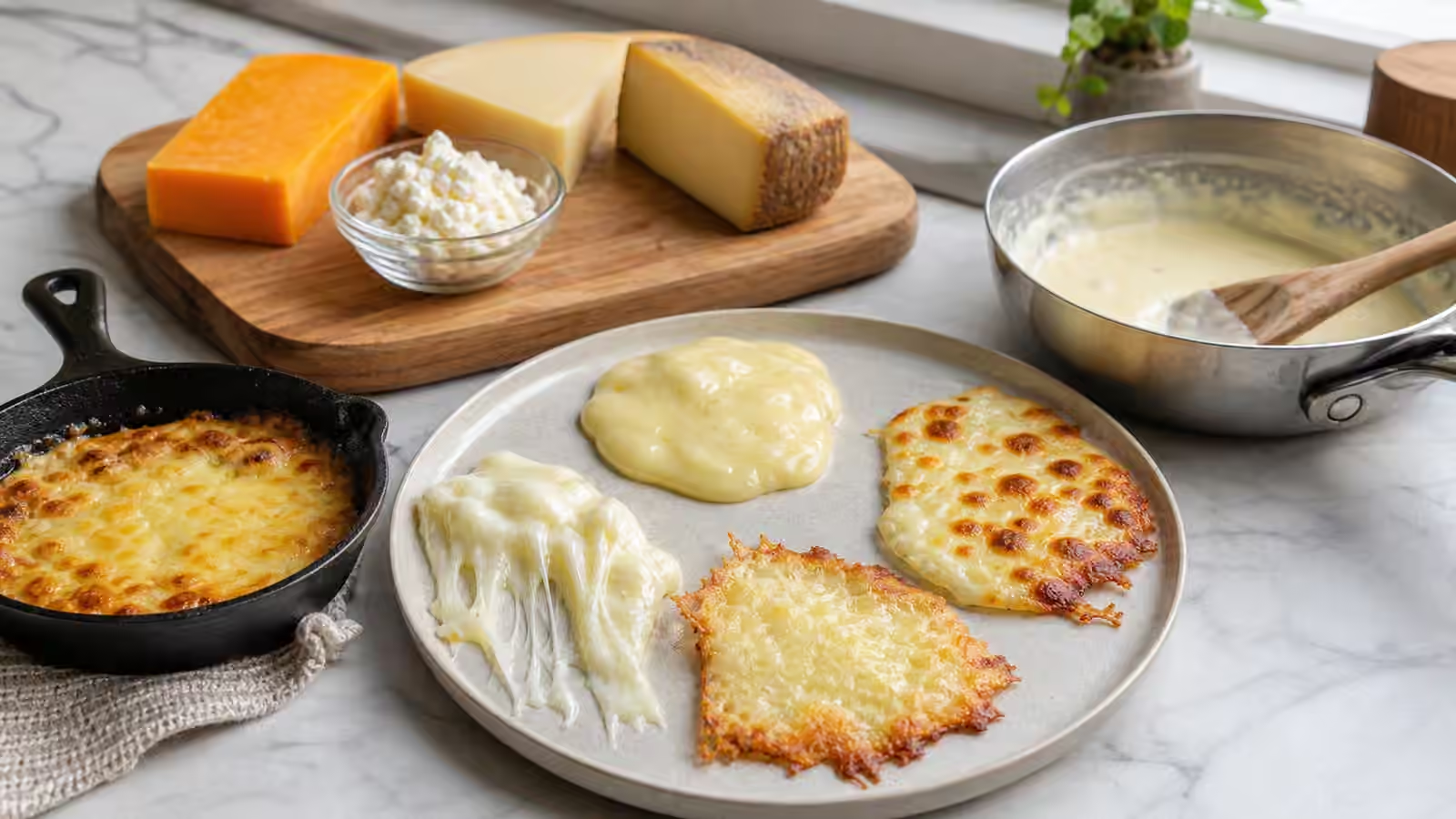
Some cheeses are interesting because they melt. Others are interesting because they refuse. A cube of paneer can simmer in sauce without disappearing. A slice of halloumi-style cheese can brown in a hot pan and keep a springy center. A crumble of queso fresco can soften over beans while staying recognizable. These cheeses are not failing to melt. They are built for a different kind of heat.
That difference matters in the kitchen. When you understand which cheeses hold their shape, you stop asking every cheese to become a sauce, a pull, or a blanket. You can use cheese as a browned surface, a warm cube, a crisp edge, a salty garnish, or a protein-rich bite in the middle of a plate. The result feels less like cheese added on top and more like cheese acting as an ingredient with structure.
Rennet, Acid, and Vegetarian Cheese explains the curd-setting side of this story. This guide stays at the stove. It is about how to choose, cook, and serve cheeses that soften under heat without flowing away.
Holding Shape Is a Feature
Melting depends on moisture, fat, acidity, salt, and protein structure. Some cheeses relax into smooth pools because their protein network loosens under heat. Others tighten, brown, squeak, or soften while keeping enough structure to hold a cut edge. Acid-set cheeses such as paneer often behave this way. Brined grilling cheeses can do it too, partly because of their make and salt. Fresh crumbling cheeses may soften but remain in pieces.
The important habit is to stop judging these cheeses by mozzarella standards. Paneer is not meant to stretch. Halloumi-style cheese is not meant to vanish into a sauce. Queso fresco is not meant to become glossy like Fontina. Each one has a different promise. The promise is shape, chew, browning, and contrast.
That contrast is useful. A warm cube of non-melting cheese can sit beside juicy vegetables without making them watery. Seared slices can give a salad a hot, salty center. Crumbled fresh cheese can cool a spicy dish while still feeling like food, not decoration. When a plate needs substance without a heavy sauce, non-melting cheese often solves the problem.
Dry the Surface Before Heat
Browning needs a dry surface. Many non-melting cheeses come packed in brine or moisture, and that liquid is useful for storage but unhelpful in a hot pan. If the surface is wet, the cheese steams before it browns. The outside may toughen while the color stays pale. A brief pat dry changes the result.
With brined cheese, taste before cooking. If it is intensely salty, a short soak can make the finished dish more balanced, though soaking also changes texture. The goal is not to erase the character of the cheese. It is to make the serving size comfortable. A very salty grilling cheese can be excellent in small slices with lemon and herbs, but too much in a thick slab can tire the palate.
Paneer often benefits from a different kind of preparation. It can be cut into cubes or planks, dried gently, and seared until the edges color. Some cooks marinate it, but the marinade should not be so wet or sugary that it burns before the cheese warms through. A simple coating of oil, spices, herbs, or yogurt can work if the surface is not dripping when it reaches the pan.
Use Enough Heat, Then Stop
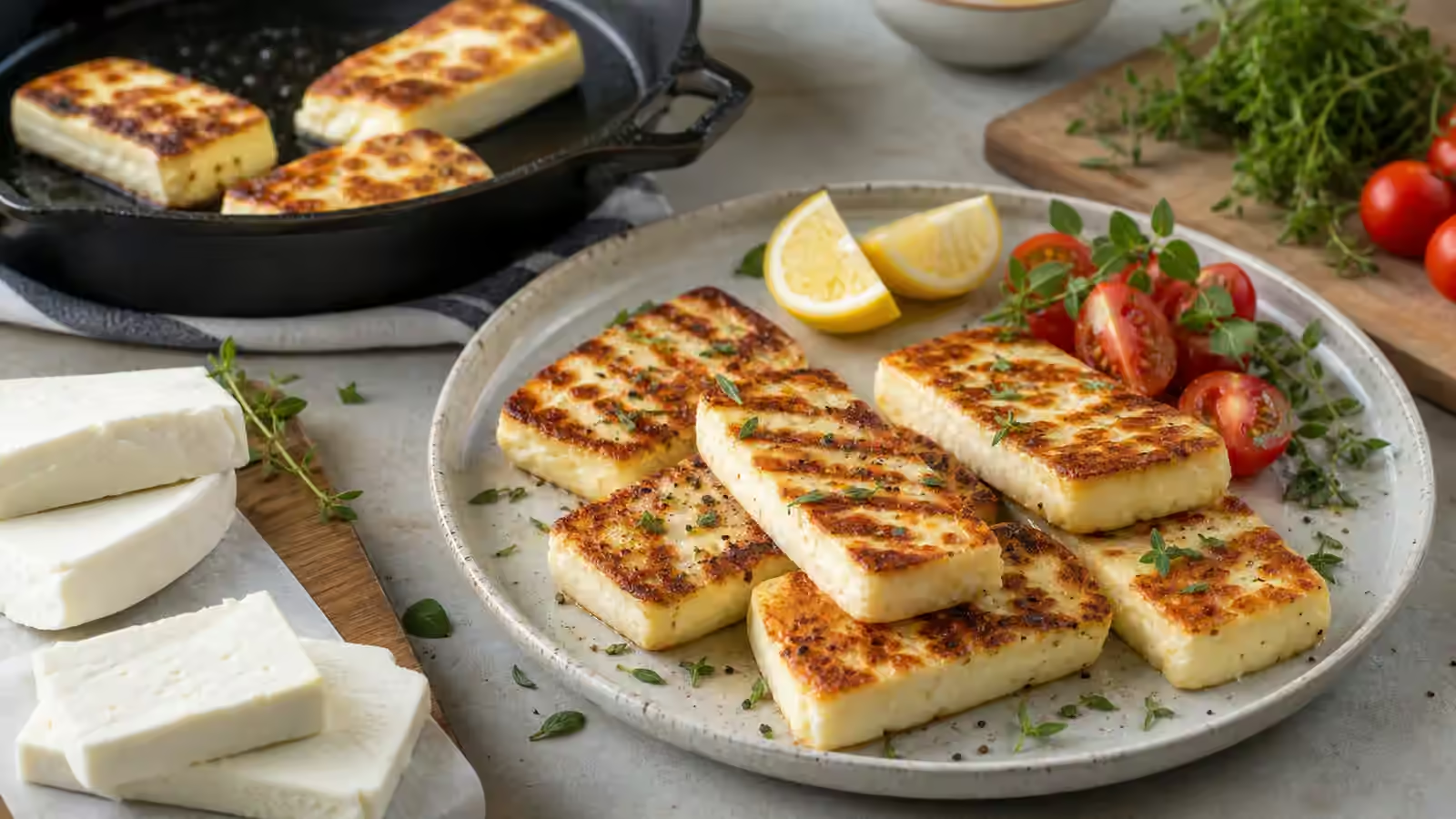
Non-melting cheese usually wants confident heat, not endless heat. A moderate to hot pan gives browning before the interior dries. Once the surface is golden and the center is warm, cooking has done its work. If you keep going, the cheese may toughen, squeak harshly, or become rubbery.
This is especially true for halloumi-style cheese. It can move from delightful to stiff if it sits too long after cooking. Serve it soon, while the browned outside and warm center still contrast. Lemon juice, tomatoes, herbs, cucumbers, bitter greens, or warm grains can meet it at the plate. Without contrast, the salt and chew become the whole story.
Paneer has more flexibility because it can simmer after searing. It may not need aggressive browning if it will finish in a sauce. In that case, the sear adds a little texture and flavor, then the sauce carries the rest. The cheese stays present in the dish, which is exactly the point.
Match the Cheese to the Dish
Paneer belongs where a mild, firm, absorbent cheese is useful. It can sit in tomato-based sauces, spinach dishes, spiced vegetables, or simple broths because it does not compete too loudly. Its gentleness is a strength. It gives the dish chew and milkiness while letting sauce or vegetables lead.
Halloumi-style and other grilling cheeses are louder. They are saltier, springier, and more assertive. They work best when the plate has water, acid, or sweetness nearby. Think tomatoes, watermelon, citrus, cucumbers, beans, herbs, or roasted peppers. A plain plate of hot salty cheese may be fun for three bites, but a balanced plate stays good to the end.
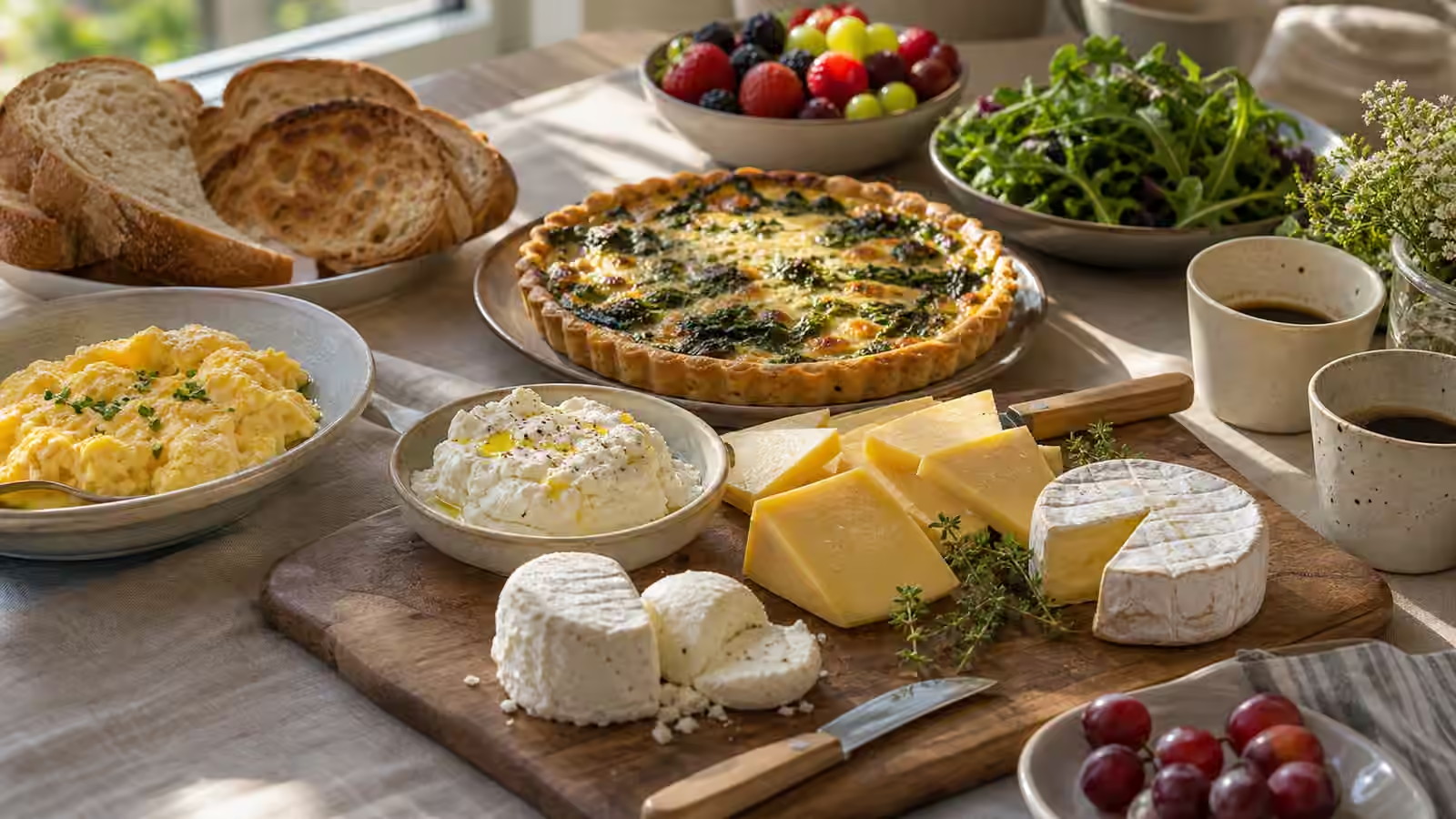
Queso fresco and similar fresh crumbling cheeses are often better softened than seared. Scatter them over beans, eggs, soups, vegetables, or warm tortillas and let residual heat do the work. They keep their shape enough to give texture, but they do not need a crust to make sense. Brined Cheese covers salty white cheeses in more detail, and the same lesson appears again here: cut, salt, and moisture decide how much cheese a dish can carry.
Do Not Force a Sauce
The fastest way to misunderstand non-melting cheese is to demand smoothness. If you need a sauce, use a cheese that wants to melt, or blend a small amount of non-melting cheese into a base that can support it. A pan full of paneer cubes will never become a silky cheddar sauce. A grilling cheese will not behave like young Gouda just because the heat is high.
Cooking with Cheese gives the general melting map. This guide is the other side of the map. When cheese resists flow, use that resistance. Brown it. Cube it. Crumble it. Warm it gently. Let it sit where a melting cheese would vanish.
Non-melting cheese gives a plate a physical center. It can be cut with a fork, tucked into bread, stirred through vegetables, or eaten as a warm bite with lemon. Once you treat the shape as the gift, the category becomes much easier to cook. The cheese is not stubborn. It is dependable.