Macaroni and cheese looks forgiving because the promise is so familiar: pasta, sauce, cheese, heat. Yet the dish exposes every weak decision. A sauce that tasted good in the pan can turn dry in the oven. A strong cheese can make the first forkful exciting and the rest salty. A delicate pasta shape can collapse under a heavy sauce. A crunchy topping can become the best part of the dish or a dry lid that steals moisture from the pasta beneath.
The better way to think about macaroni and cheese is construction. Pasta shape, sauce thickness, cheese blend, baking time, and topping all have to fit each other. The dish can be creamy from the stovetop, firm and sliceable from the oven, loose and saucy for serving immediately, or browned and structured for a table. Those versions are related, but they are not the same recipe with different moods.
This guide starts where Cheese Sauce Without Breaking leaves off. A smooth sauce matters, but macaroni and cheese also has to survive pasta starch, oven heat, serving delay, and leftovers.
The Cheese Blend Needs Two Jobs
A good macaroni and cheese blend usually needs one cheese for melt and another for flavor. Young cheddar, mild cheddar, Monterey Jack, Fontina-style cheese, young Gouda, young alpine-style cheese, and similar cheeses can give the sauce body and flow. They melt more willingly because they still have enough moisture and elasticity. Very aged cheeses bring sharpness, nuttiness, and depth, but they become rough if they are asked to do all the textural work.
Sharp cheddar is useful because it tastes like the dish many people expect. It still needs context. If it is very aged and dry, pairing it with a younger melting cheese makes the sauce smoother. If the sauce tastes mild, a smaller amount of aged cheddar, hard grating cheese, mustard, pepper, or hot sauce can add focus without adding another mountain of shreds.
Blue cheese, smoked cheese, washed-rind cheese, and very assertive aged cheese can work, but they should be accents. Macaroni and cheese is repetitive by nature. Every forkful returns to the same sauce. A strong cheese that feels clever in a small taste can become tiring when it coats a full bowl. Use strong cheese where the dish has partners that can answer it: bitter greens, roasted onions, mushrooms, breadcrumbs, pickles on the side, or a sharp salad.
Pasta Shape Controls Sauce
The pasta shape decides how the sauce is carried. Elbows, shells, cavatappi, and ridged short tubes are useful because they hold sauce without becoming too large. Smooth pasta can work, but it may let the sauce slide. Very small pasta can make the dish dense. Very large pasta can create dry pockets unless the sauce is loose enough to fill the spaces.
Cook pasta with the final method in mind. For stovetop macaroni and cheese, the pasta can be cooked to the texture you want at serving because it will not spend long in the oven. For baked macaroni and cheese, it should usually be slightly underdone because it will continue absorbing liquid. Fully cooked pasta in a long bake can become soft and swollen, especially if the sauce is thin.
Rinsing pasta is usually not helpful because surface starch helps sauce cling. The exception is a specific make-ahead method where cooling quickly matters, but even then the pasta needs sauce that accounts for lost surface heat and future absorption. The ordinary move is simple: drain, combine while warm, and keep enough sauce loose enough that the pasta can drink a little without drying out.
Sauce Should Be Looser Than the Final Dish
Macaroni and cheese thickens as it sits. Pasta absorbs liquid. Cheese firms as it cools. Breadcrumbs pull moisture. Oven heat evaporates. Because of all that, the sauce in the pot should often look slightly too loose if the dish is going to be baked or held. A sauce that looks perfect before the oven may come out dry.
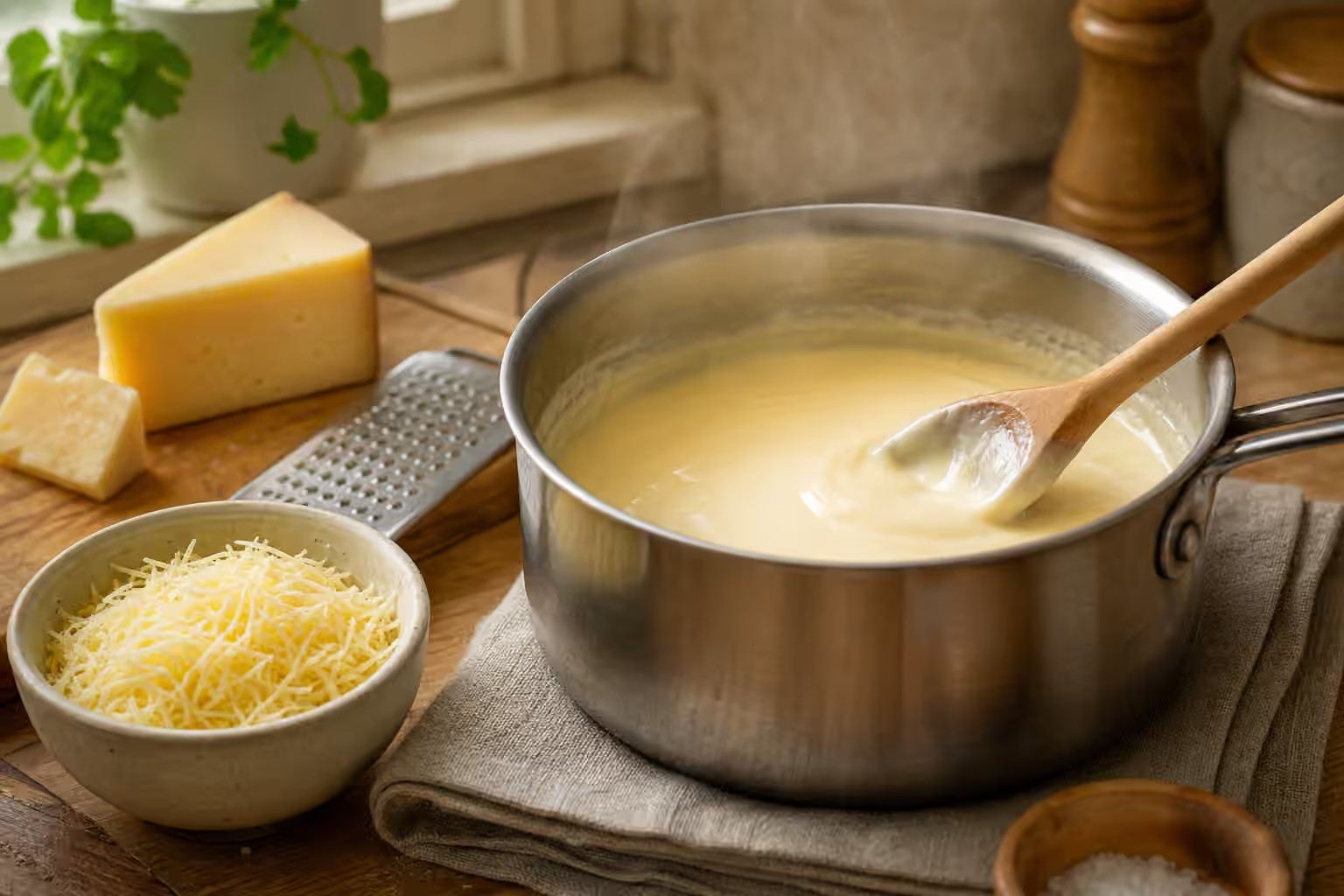
A bechamel base is reliable because starch holds water and fat together while cheese melts. The base should be seasoned, but not pushed too salty before the cheese enters. Cheese brings salt, and the concentration becomes clearer as the dish bakes. If the sauce tastes flat, it may need mustard, pepper, a little acidity, or a sharper cheese rather than more salt.
Add cheese after the base has calmed down. Boiling the sauce once cheese is in invites graininess. Stir in cheese gradually, taste, and stop when the sauce has the flavor and body you want. If it becomes too thick, loosen with warm milk, stock, pasta water, or another appropriate liquid. A sauce that can move will coat pasta better than one that sits like paste.
Stovetop and Baked Versions Need Different Thinking
Stovetop macaroni and cheese is about immediacy. The sauce should be glossy, the pasta tender, and the dish served before cooling tightens the cheese. It does not need a thick crust or a long rest. It benefits from a sauce that is smooth enough to flow and flavorful enough to taste complete without browning.
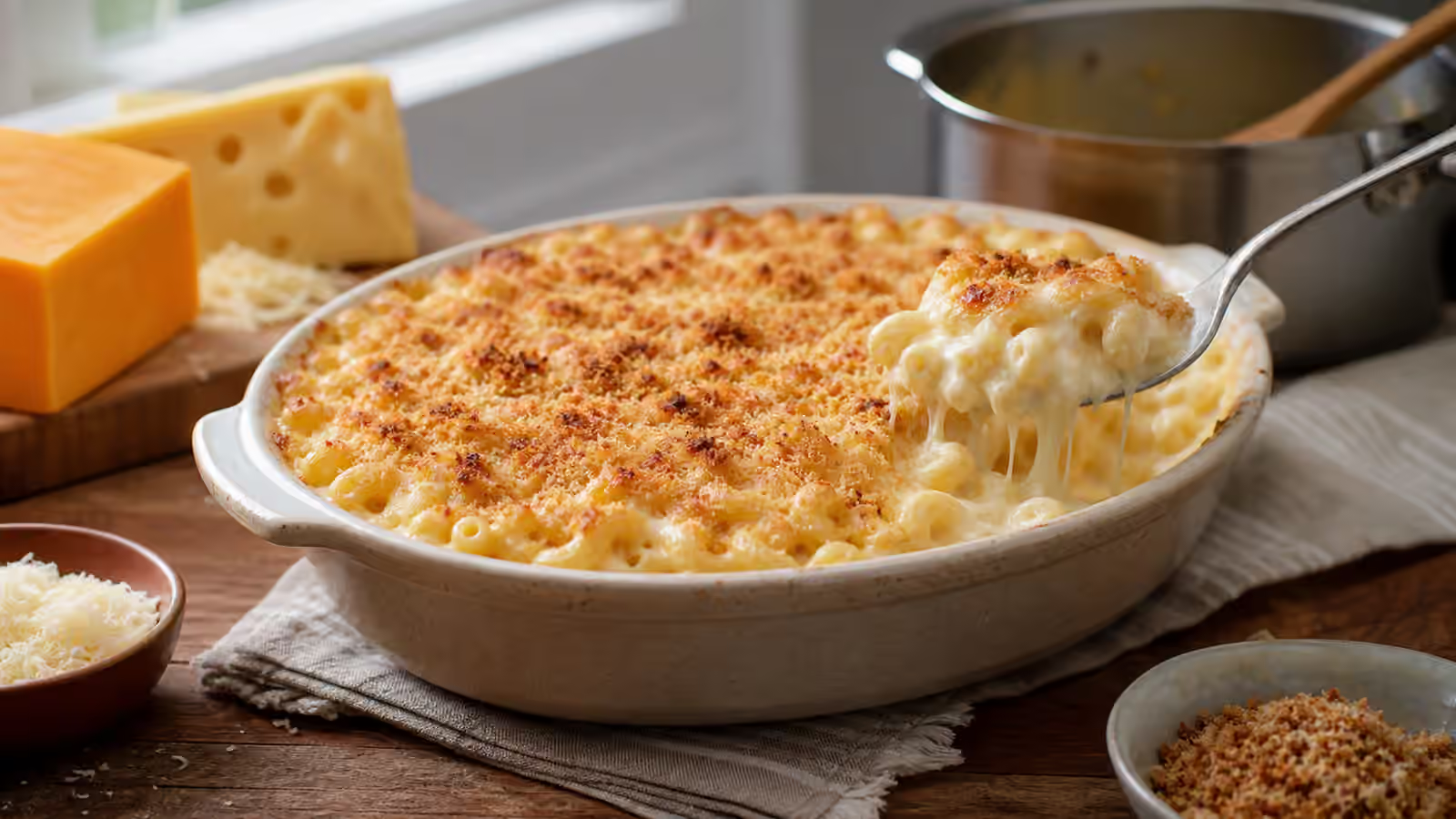
Baked macaroni and cheese is about structure. It needs enough sauce to survive the oven, enough cheese to brown, and enough time to heat through without drying. A short bake can set the top while keeping the interior creamy. A long bake creates a firmer, sliceable dish, but the sauce must be looser and the pasta less cooked at the start. The oven is not just reheating. It is changing the whole texture.
Broiling is a useful separate step when you want browning without overcooking the interior. Bake or warm the dish until the center is ready, then brown the top briefly. This protects the sauce from spending extra time in the oven simply to chase color. Browned cheese tastes good, but dry macaroni and cheese is a high price for it.
Toppings Should Add Contrast, Not Absorb the Dish
Breadcrumbs, cracker crumbs, toasted nuts, fried onions, herbs, and grated hard cheese can all make macaroni and cheese better. They add crunch, aroma, and relief from softness. They can also steal moisture if used too heavily or baked too long. A topping should sit on the dish, not become a dry mattress.
Fat helps toppings brown and taste integrated. Breadcrumbs tossed with butter or olive oil brown more evenly and feel intentional. A small amount of hard cheese in the topping adds savor, but too much can make the top salty and tough. If the sauce underneath is delicate, the topping should be restrained. If the dish is rich and simple, a sharper topping can help.
Freshness belongs at the table. Chives, parsley, scallions, pickled jalapenos, hot sauce, mustardy greens, or a crisp salad can make macaroni and cheese easier to enjoy. The dish itself may be soft and rich by design. The meal around it should not have to be.
Reheating Needs Moisture and Patience
Leftover macaroni and cheese is not the same dish the next day. Pasta has absorbed sauce, cheese has set, and the texture has tightened. Reheating with dry heat alone often makes it oil out at the edges while the center stays stiff. Add a small splash of milk, water, or stock before reheating, then warm gently.
For a small portion, a covered pan on low heat can work well because you can stir and adjust moisture. A microwave can work if you heat in short intervals and stir between them. An oven is better for a larger dish, especially if you cover it first and uncover only near the end to refresh the top. The goal is not to return the dish to its original state exactly. It is to make the leftover version pleasant on its own terms.
Macaroni and cheese succeeds when each part knows its job. The melter gives body. The flavor cheese gives focus. The pasta holds sauce. The sauce starts loose enough for the method. The oven browns without drying. The topping interrupts softness. Once those choices fit together, the dish tastes generous without becoming blunt, and the cheese feels like structure rather than excess.