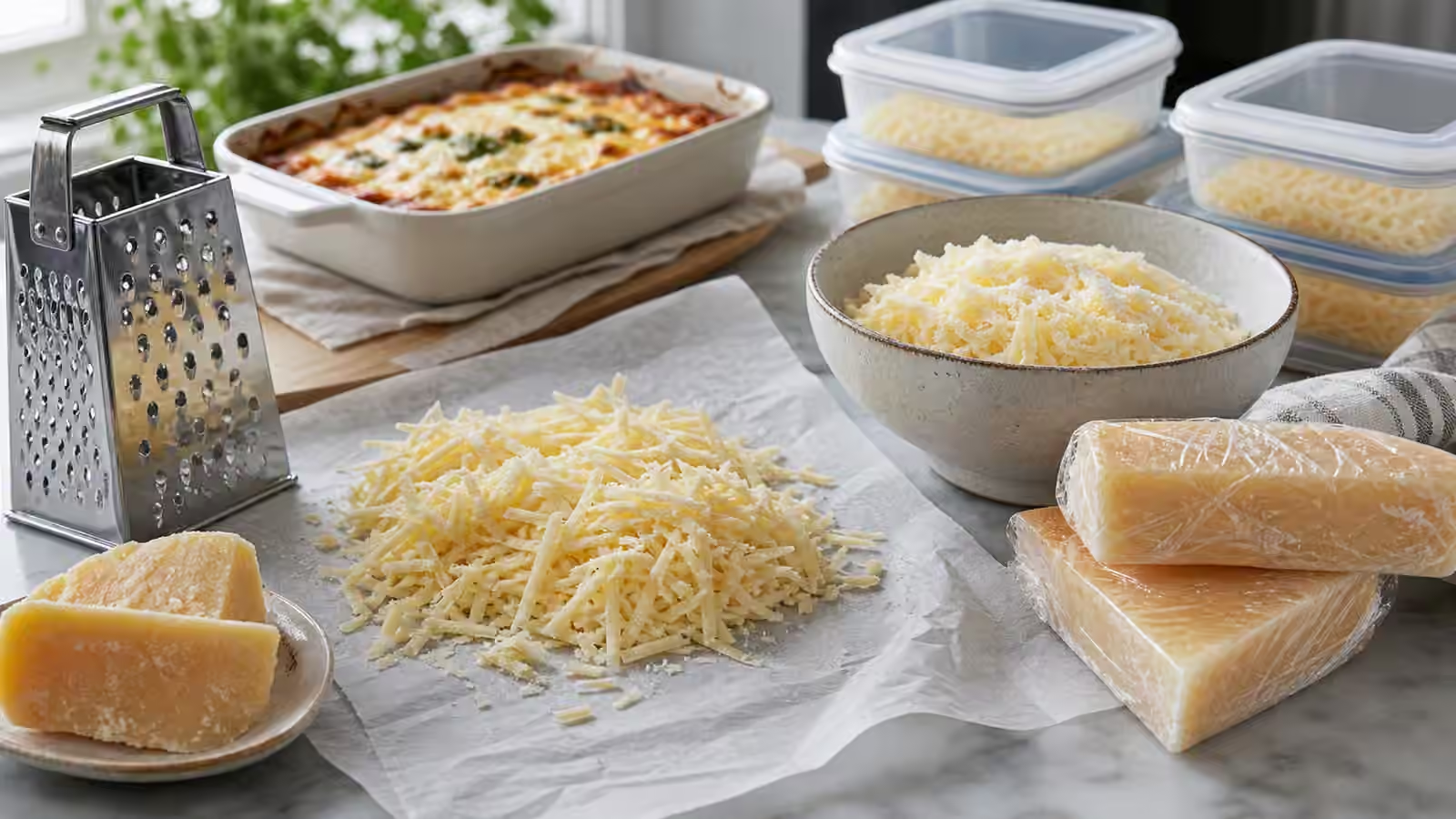
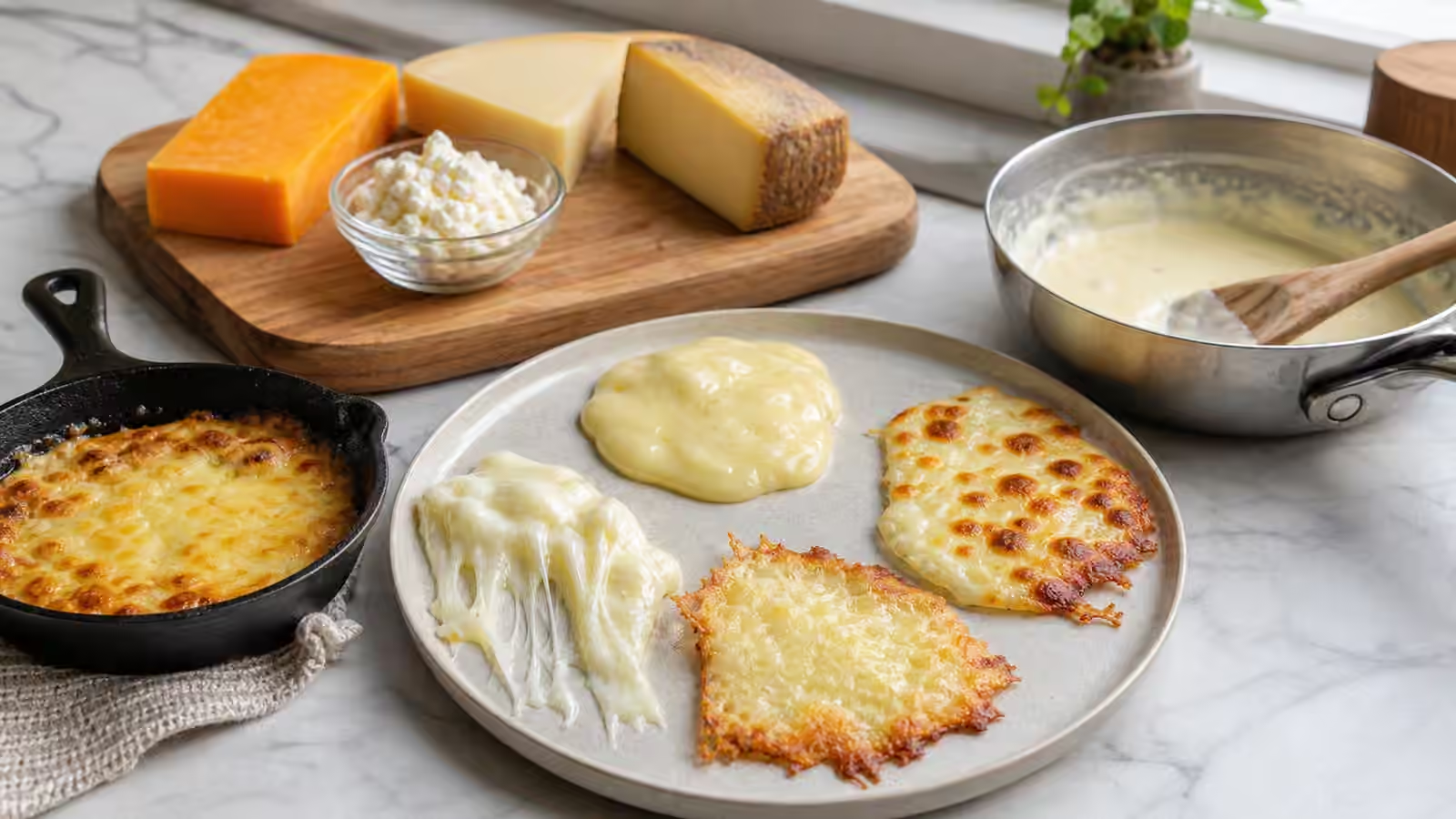
Leftover cheese has a way of becoming invisible. A small heel of cheddar dries in its paper. A little blue remains after a board. A hard rind sits in the drawer because it feels too valuable to throw away and too awkward to use. Fresh goat cheese gets pushed behind yogurt. None of these pieces looks like a meal, so they wait until they are past their best.
The better habit is to treat leftover cheese as an ingredient with a deadline. How to Store Cheese helps keep pieces in good condition, but storage is only half the work. The other half is having a few uses that match the type of scrap you have. A dry end, a soft spoonful, a briny crumble, and a hard rind do not want the same treatment.
First decide whether the cheese is still worth using
Leftover cheese should smell and look like a more tired version of itself, not like a different food. A firm cheese may have a dry cut face that can be trimmed. A bloomy rind may become stronger as it ripens. A blue cheese will already have intentional mold and a salty smell. Those are style questions. A cheese that smells clearly rotten, tastes bitter in a way that does not belong to the style, feels slimy when it should not, or shows growth that seems out of character is not a project. It is a discard.
This distinction matters because thrift can become stubbornness. The point is not to rescue everything. The point is to use good scraps while they are still good. Cheese is expensive enough that small habits matter, but no sauce is improved by a piece that should have been let go.
Once you decide a piece is worth using, separate it by behavior. Will it melt? Will it grate? Will it crumble? Will it infuse flavor without fully dissolving? The answer tells you where it belongs.
Firm ends belong in grating, sauces, and cooked dishes
Firm leftover cheese is usually the easiest to use. Cheddar, Gouda, alpine cheeses, Manchego, tommes, and similar wedges can move into daily cooking without ceremony. A dry edge can be trimmed if needed. The remaining cheese can be grated into eggs, folded into biscuits, scattered over roasted vegetables, stirred into mashed potatoes, or melted into a sandwich.
The main caution is heat. Older, drier scraps may taste excellent but melt poorly on their own. They can become oily or grainy if you ask them to form the whole body of a sauce. Cooking with Cheese explains the mechanics, but the practical leftover rule is simple: use dry aged scraps as flavor boosters and pair them with moisture. A little aged cheddar in a sauce with a younger melting cheese can be wonderful. A pot made entirely from dry ends can be harsh.
Small firm pieces are also excellent in crumbs. Grate the cheese, mix it with breadcrumbs, herbs, and a little oil or butter, then use it as a topping for vegetables, pasta bakes, soups, or savory pies. The cheese does not need to melt into silk. It needs to brown, season, and add savor.
Soft leftovers need gentler plans
Soft cheeses are less forgiving. A small piece of bloomy rind, triple-cream, fresh goat cheese, or washed rind can be delicious the next day, but it rarely benefits from being forgotten. These cheeses often work best when folded into something warm rather than blasted with heat.
Fresh goat cheese can be stirred into warm grains, spread on toast, tucked into an omelet after the heat is lowered, or loosened with yogurt, olive oil, and herbs into a quick spread. Brie-style leftovers can melt into a grilled sandwich, enrich scrambled eggs off heat, or soften over roasted mushrooms. Washed-rind scraps can be powerful, so use them in small amounts where their savory aroma has support: potatoes, onions, bread, eggs, or a mild melting cheese.
Do not assume every soft scrap belongs in pasta sauce. Some rinds become bitter or too aromatic under heat. Taste a tiny bit first. If the rind tastes pleasant, use it. If the paste is good but the rind is distracting, trim it. The guidance in Cheese Rinds is useful here because leftover cooking often amplifies the edge of a cheese.
Soft leftovers can also become the anchor of a small lunch. Spread a ripe cheese on toast and add pickles, mustard, fruit, or bitter greens. The goal is not to rebuild the original cheese board. It is to give one small piece enough contrast that it feels intentional.
Blue cheese scraps want sweetness, fat, or bitterness
Blue cheese leftovers can dominate a container and intimidate the cook, but they are among the most useful scraps when portioned carefully. A little blue can sharpen a salad dressing, deepen a burger, season roasted squash, or make a simple toast taste deliberate. The trick is to treat blue as a seasoning rather than a bulk cheese.
Blue loves fat because fat softens salt and carries aroma. Crumble a small amount into sour cream, yogurt, or mayonnaise for a dressing. Mash a little into butter for vegetables or bread. Stir a restrained amount into cream for a sauce, but keep the heat gentle and taste as you go. Blue also loves sweetness. Pears, figs, honey, roasted onions, and winter squash can make a leftover crumble feel balanced instead of aggressive.
Bitter greens are another useful partner. Endive, radicchio, arugula, and sturdy lettuces can handle a salty blue accent. Add nuts or apples and the scrap becomes part of a composed dish. This is where Cheese Accompaniments becomes more than board advice. The same bridge foods that help cheese on a platter help leftovers in a meal.
Hard rinds can flavor liquid
Some hard natural rinds and grating-cheese rinds can give flavor to soups, beans, broths, sauces, and braises. They do not melt like grated cheese. They steep. A rind from a hard Italian-style cheese, for example, can sit in a pot of beans or vegetable soup and add savory depth while the liquid simmers. At the end, the rind may be softened enough to nibble, or it may simply be removed.
This is not a universal rule for all rinds. Wax, cloth, paper, leaves, and coatings are not cooking ingredients. Rinds that taste bitter, gritty, or unpleasant before cooking are unlikely to become beautiful in the pot. Use only clean, food-side rinds from cheeses whose surfaces make sense for cooking, and avoid anything that has picked up stale refrigerator flavors.
Rinds are easiest to use when you save them deliberately. Wrap them separately, label them plainly if needed, and use them soon enough that they still smell like cheese. A rind drawer that never empties is not thrift. It is postponed cleaning.
Make a small ends board before cooking everything
Not every leftover needs to be cooked. Sometimes the best use is a small ends board for one or two people. Take the pieces out while you prepare the rest of the meal. Trim dry edges. Cut firm scraps into small shards. Add bread, apple slices, pickles, nuts, or a spoonful of jam. Suddenly the awkward pieces become the first course.
This works because leftover cheese often fails from presentation, not flavor. A lonely heel looks sad in paper. The same heel cut into small pieces beside something crisp and acidic can taste generous. The board does not need abundance. It needs enough contrast that each piece has a reason to be there.
Ends boards are also useful for learning. You can compare how a cheese tasted on day one and day three. You can notice which styles held well and which faded quickly. Over time, this changes how you shop. You buy less of the fragile cheese, more of the useful firm cheese, and only as much blue as you actually enjoy.
Build a weekly cheese habit
The best leftover strategy is routine. Before shopping, open the cheese drawer and look honestly. What needs to be used tonight? What can become lunch? What should be grated before it dries further? What has reached the end?
A small mixed pile can become a sauce if you balance it with a reliable melter. A firm heel can become grated topping. Fresh cheese can become toast. Blue can become dressing. Rinds can go into soup. Soft pieces can support eggs or potatoes. Once those patterns feel familiar, leftover cheese stops being a guilt object and becomes one of the easiest ways to make ordinary food taste finished.
Cheese scraps are not second-class cheese. They are cheese with a narrower window and a more specific job. Use them while they still have character, match the method to the texture, and the last piece of a wedge can be as satisfying as the first.