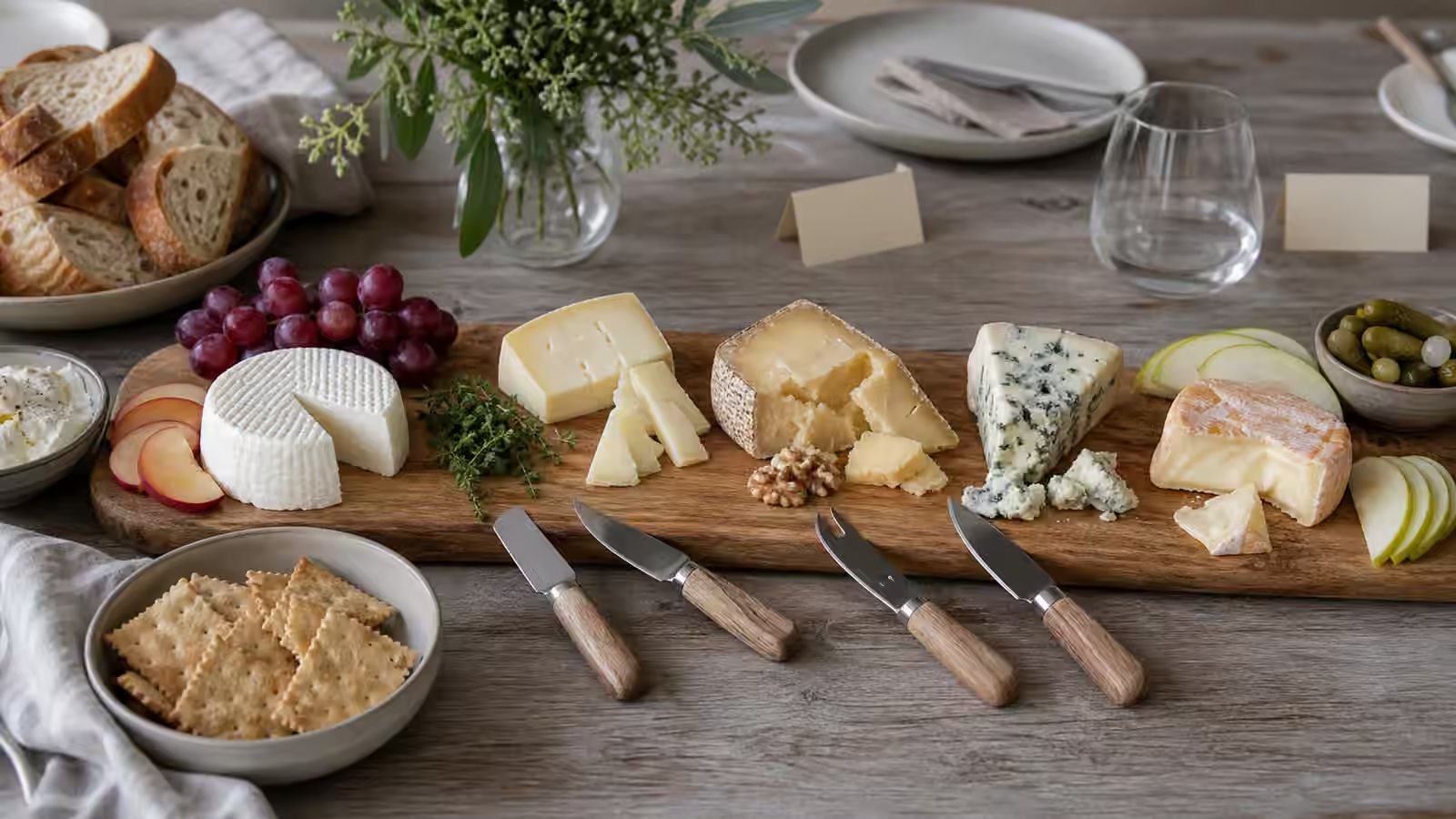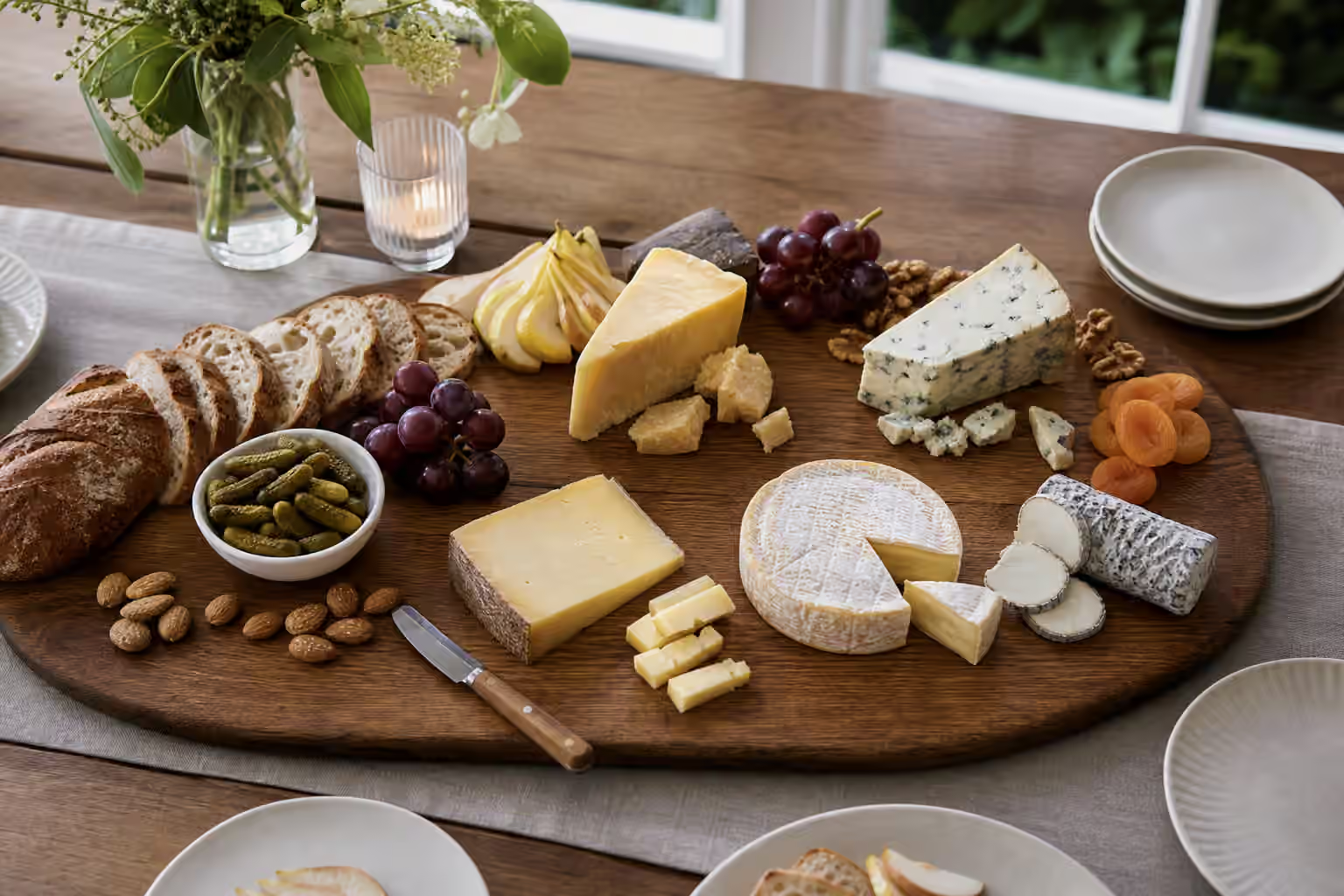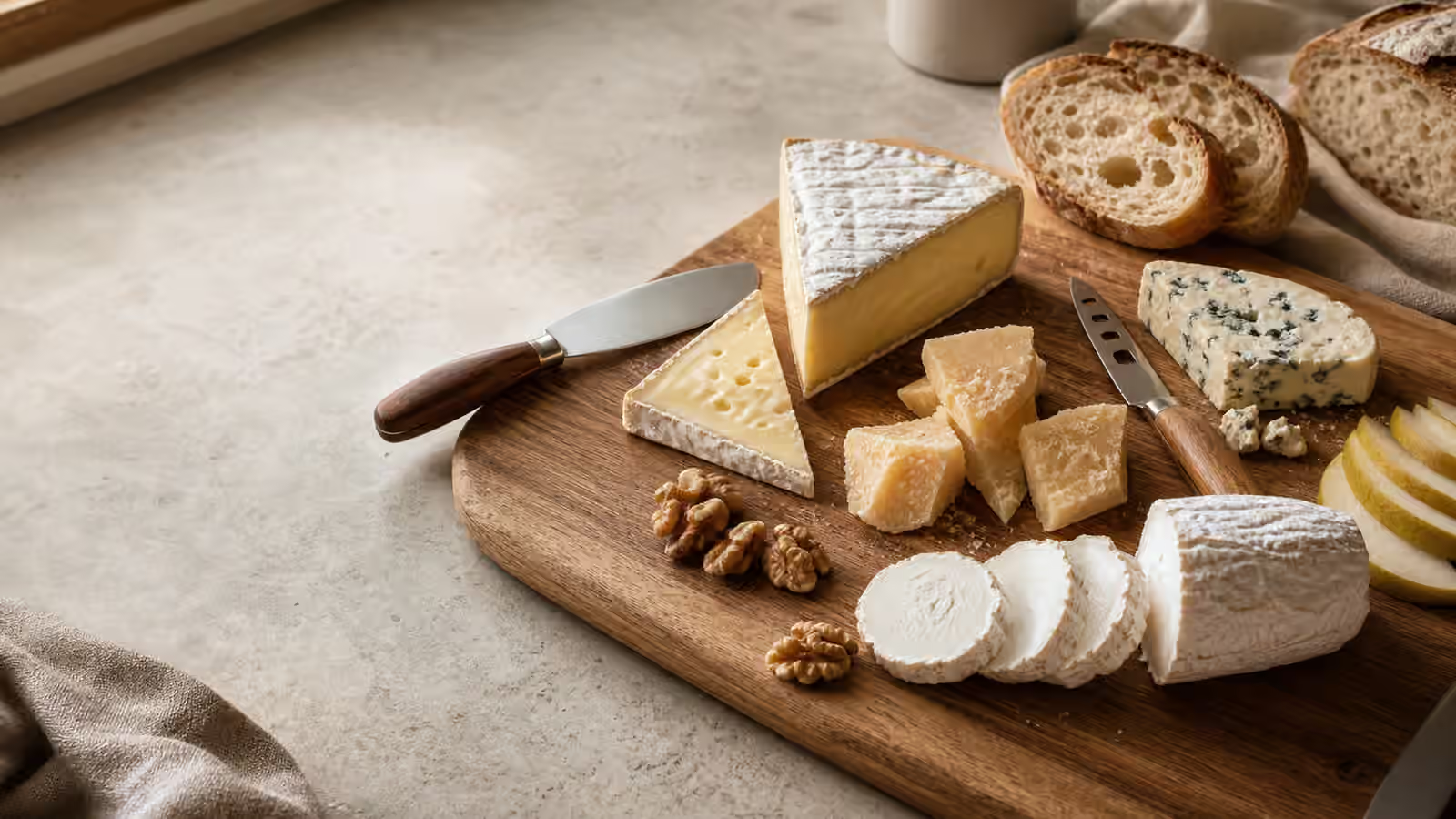
Cutting cheese looks like a small detail until it goes wrong.
A wheel of Brie can turn into a wedge where one person gets all rind and another gets only paste. A beautiful aged cheese can sit untouched because nobody wants to be the first person to attack a perfect block. A blue cheese can smear itself across the mild goat cheese because every guest uses the same knife. None of these mistakes ruins the evening, but they all make the cheese less clear than it could be.
Good cutting is not about ceremony. It is about fairness, texture, and invitation. The cut decides whether each bite contains the parts that make the cheese interesting. It decides whether the cheese warms evenly. It decides whether guests understand how to serve themselves without needing a lesson at the table.
If you already use Cheese Board for Learning to build a tasting board, this guide is the practical companion. The board can have perfect contrast, but the cutting still has to make each cheese legible.
Cut for the Cheese, Not the Board
The easiest mistake is cutting every cheese into the same polite little square. Cubes are convenient, but they flatten the differences between styles. A cube of cheddar may be fine. A cube of bloomy rind cheese is often awkward because it separates the experience into random bits of rind and paste. A cube of hard aged cheese can feel clunky when a thin shard would melt more elegantly on the tongue.
Before choosing a knife, look at the cheese as a structure. Does it have a rind that matters? Does the paste change from the center to the edge? Is the texture spreadable, sliceable, crumbly, or crystalline? A good cut follows that structure instead of fighting it.
Bloomy rind cheeses are the clearest example. A wedge of Brie or Camembert is not uniform. The rind has a mushroomy aroma, the paste near the rind is often softer and richer, and the center may be firmer. If you cut only from the tip, the first guest gets mostly interior. If someone trims away the side, another guest gets mostly rind. The fair cut runs from the center outward, so every slice includes a little rind and a little paste. That is not fussy etiquette; it is the only way the cheese tastes like itself.
Firm and hard cheeses ask for a different kind of respect. Aged Gouda, Comte, Manchego, cheddar, and Parmigiano-style cheeses often show their best texture when they are sliced thinly, shaved, or broken into rugged pieces. Breaking a hard cheese with a sturdy knife can reveal crystals and grain that a neat cube hides. Thin pieces also warm faster, which matters because cold cheese mutes aroma. The same principle shows up in Cheese Storage : temperature is not an afterthought. Cutting affects temperature because surface area affects how quickly a piece relaxes.
Give Guests a Starting Point
An untouched cheese can be oddly intimidating. People hesitate because they do not want to damage the board, take too much, or cut the wrong direction. The simplest host move is to start every cheese yourself. Slice a few pieces from the soft cheese, break a few shards from the aged cheese, and loosen a small corner of the blue. Once guests see the intended shape, they follow it.
This is especially useful when serving a mixed group. A whole wedge may look generous, but generosity is not only about quantity. It is also about ease. A cheese that requires confidence before anyone can eat it is less hospitable than a cheese that already has an obvious path.
Starting the cut also helps with aroma. Cheese opens where it is exposed. A hard cheese broken shortly before serving gives off a clean nutty smell that a sealed face cannot. A soft cheese cut too early may slump if it is very ripe, but a few starter slices near serving time make the texture inviting without turning the board into a puddle. If you are unsure about ripeness, ask the counter when buying, as in How to Buy Cheese Like a Cheesemonger . The answer often tells you how boldly to portion it before guests arrive.
Match the Knife to the Texture
You do not need a drawer full of specialty tools. You need clean blades, enough utensils to prevent strong flavors from traveling, and a sense of which textures resist which motions.
Soft cheeses prefer less drag. A thin-bladed knife, wire cutter, or even a plain piece of unflavored dental floss can move through fresh goat cheese or a soft bloomy wedge more cleanly than a thick chef’s knife. If the knife sticks, wipe it between cuts with a damp towel. This small habit keeps the paste from building up on the blade and tearing the next slice.
Semi-firm cheeses are forgiving. A regular cheese knife or small chef’s knife works well for cheddar, young Gouda, Havarti, Fontina, and many Alpine-style cheeses. Cut slices that are easy to pick up and eat in one or two bites. If the cheese is meant for sandwiches or cooking later, keep the serving pieces modest and leave the remaining wedge intact so it stores better.
Hard aged cheeses often prefer pressure and fracture over sawing. A short, sturdy knife can break off chunks by leaning into the natural grain. The goal is not perfect geometry. The goal is to expose the interior texture. Parmigiano-style cheeses, aged Gouda, and dry sheep milk cheeses can be beautiful in irregular pieces because the broken faces catch light and show crystals. Those broken faces also make flavor land quickly.
Blue cheese deserves its own utensil. Not because blue is dangerous, but because it is persuasive. A smear of blue on a mild Brie changes the Brie. A blue knife dragged through a fresh goat cheese can make the whole board taste more assertive than intended. Washed rinds deserve similar caution when they are especially aromatic. Separate knives keep each cheese honest.
Rinds Should Guide the Portion
Rind is part of the serving decision. Some rinds are meant to be eaten, some are meant to be trimmed, and some sit in the useful middle where they shaped the cheese but do not improve every bite. The deeper guide to that question is Cheese Rinds , but cutting is where the decision becomes physical.
For bloomy rinds, leave the rind attached unless it smells sharply ammoniated or dominates the cheese. Cut slender wedges that give each person rind, cream line, and center. For washed rinds, cut smaller pieces than you would for a mild cheese. Their aroma can fill the room, and a modest portion often feels more generous than a large slab. For natural rinds on firm cheeses, taste a little edge before serving. If it is earthy and pleasant, leave some attached. If it is gritty, bitter, waxy, or cloth-covered, trim it before the board reaches the table.
This trimming is not wasteful when it makes the edible portion better. Cheese was aged with its rind, but the rind does not always have to be the guest’s problem. Removing a tough edge before serving also makes the board easier to approach. Nobody has to wonder whether they are supposed to chew through wax, cloth, or a rind that looks more structural than delicious.
Portion Size Changes Flavor
A large piece of cheese does not taste the same as a small one. Size changes temperature, aroma, texture, and salt perception. A thick slab of aged cheddar can feel blunt, while a thinner slice can taste savory and balanced. A big piece of blue can overwhelm the mouth, while a small crumble with pear or honey can feel elegant. A soft cheese served in a tiny smear may disappear before its aroma has time to register.
Think of portion size as volume control. Mild cheeses can handle larger pieces because they do not fatigue the palate quickly. Firm crowd-pleasers can be sliced generously because people return to them. Very salty, blue, washed-rind, or highly aged cheeses are often better in smaller portions. Their job is to add intensity, not to dominate every bite.
For a board, make the first cuts smaller than you think. Guests can always come back. Smaller pieces also make pairings easier. A slice of pear can balance a small piece of blue; it cannot rescue a mouthful that is three times too large. A thin shard of aged cheese can sit beautifully on bread; a heavy cube may turn the bread into a delivery platform rather than a pairing.
Timing Is a Cutting Choice
Serving temperature and cutting schedule belong together. Whole wedges warm slowly. Thin slices and broken pieces warm quickly. This can help you when the cheese is running late from the refrigerator, but it can also hurt you if you cut a delicate cheese too far ahead.
Fresh cheeses need only a short time out of the refrigerator. Cut goat cheese rounds or mozzarella pieces close to serving so they stay clean and moist. Bloomy rind cheeses should come out early enough to soften, but very ripe ones can collapse if they are portioned too soon. Semi-firm and hard cheeses can be cut earlier because they hold their shape and benefit from more exposed surface.
If guests arrive before the cheese is ready, cut the firm cheeses first. They will warm faster in smaller pieces and give people something to start with. Leave the softest cheese mostly intact until it feels relaxed but not runny. This little adjustment makes the board feel intentional even when the timing is imperfect.
Make the Board Easy to Read
The final test is simple: can someone glance at the board and know what to do? A soft wedge should have a knife beside it and one slice already started. A hard cheese should have a few broken pieces nearby. A spreadable cheese should have a spreader, not a sharp knife that encourages hacking. A blue cheese should sit slightly apart with its own tool. Bread, crackers, and fruit should be close enough that guests do not have to drag cheese across the whole board.
This readability matters more than elaborate styling. A beautiful board that is hard to eat becomes decoration. A readable board becomes food. The best serving choices disappear into the experience. Guests take a piece, add pear or bread if they want it, and taste the cheese in the shape that suits it.
Cutting cheese well is a quiet skill. It asks you to notice texture, rind, ripeness, and strength before the first bite. Once you do, the board changes. Brie tastes more complete because every slice has rind and paste. Aged cheese feels more alive because the broken pieces show grain and crystals. Blue becomes inviting because the portions are modest and the knife stays in its lane. The cheese has not changed, exactly. You have simply served it in a way that lets it speak clearly.