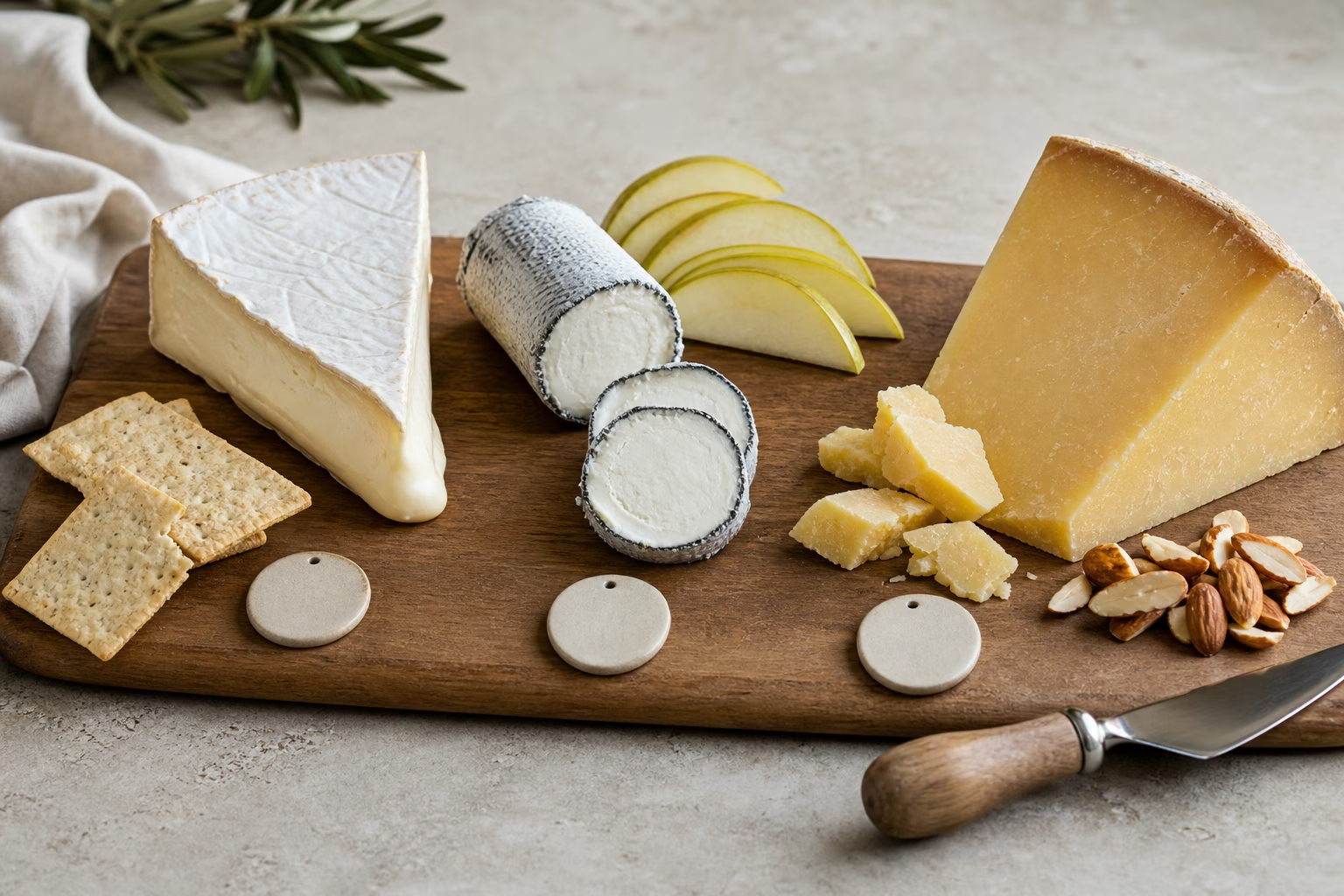
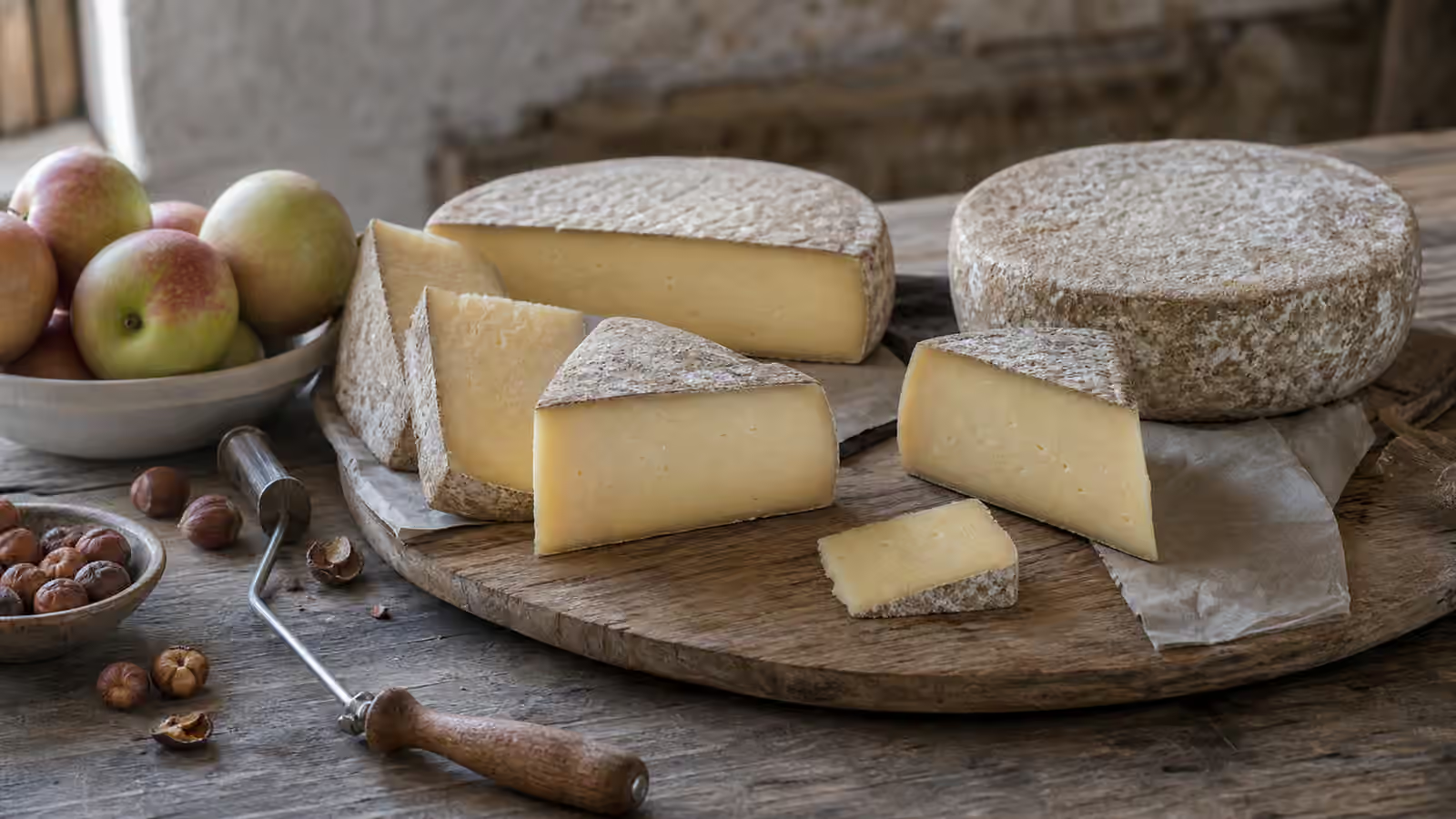
Goat cheese is often treated as one thing: a fresh white log with a bright tang. That version is useful, but it is only the front door. Goat milk can become soft, chalky, fluffy, wrinkled, ash-coated, bloomy, dense, aged, sliceable, and surprisingly nutty. Once you see the range, “goat cheese” stops being a single flavor and becomes a family of textures.
The larger Milk Types in Cheese guide explains why goat milk often tastes brighter than cow or sheep milk. This guide stays closer to the plate. It asks what kind of goat cheese you are holding, how ripe it is, what texture it wants to show, and how to serve it without flattening its charm.
Fresh goat cheese is direct, not simple
Fresh chevre is the style most people know. It is usually bright, lightly acidic, moist, and spreadable, with a clean lactic flavor that can read as lemony, grassy, or lightly earthy. The best examples feel alive without tasting harsh. They spread cleanly, break softly, and make bread, herbs, vegetables, eggs, and salads taste more alert.
Because fresh goat cheese is close to milk, condition matters. It should smell clean and tangy, not stale or sharply sour. The surface should not be dried into a crust unless the cheese is intentionally aged. A log that looks cracked at the ends may still be usable in cooking, but it will not have the same soft freshness. If there is liquid in the package, it should look clean rather than cloudy or sticky.
Fresh goat cheese is one of the easiest cheeses to overcomplicate. It does not need a crowded board. Warm toast, olive oil, herbs, a few roasted vegetables, honey, or ripe fruit can be enough. On a cheese board, it often works best as the bright opening bite before aged, blue, or washed-rind cheeses take over the room. For more on serving order, Cheese Board for Learning gives a useful tasting path.
Ash and bloomy rinds soften the tang
Ash-ripened goat cheeses look dramatic, but the ash is usually there for more than color. It can affect surface acidity and help rind development, giving the cheese a more complex ripening path. These cheeses may have a dark line under a white rind, a wrinkled surface, or a soft cream line beneath the rind. The flavor often moves from fresh tang at the center toward mushroom, cream, and mineral notes near the edge.
That contrast is the pleasure. A young ash-ripened goat cheese may feel chalky in the center and creamy just under the rind. A riper one may soften more deeply and smell earthier. Neither stage is automatically correct. The question is what you enjoy. If you like clean acidity, buy younger. If you like a softer texture and a fuller aroma, buy a riper piece from a shop that manages turnover well.
Bloomy goat cheeses follow a related logic. They share some behavior with Brie-style cheeses, which the Bloomy-Rind Cheese guide covers in more depth, but goat milk changes the tone. The cheese may be more citrusy, more mineral, or more herbal than a cow milk bloomy rind. Serve it with restraint. Plain bread, apple, pear, roasted beets, or a little honey can make the contrast clear without burying the cheese.
Aged goat cheese is where many people are surprised
Aged goat cheese can catch people off guard because it does not always taste like the fresh log they know. As moisture leaves and proteins change, the cheese can become dense, savory, nutty, and sometimes caramel-like. Small goat tommes, aged wheels, and firm goat cheeses may slice or shave beautifully. They can sit beside aged cow and sheep milk cheeses without feeling like a novelty.
The tang does not disappear, but it changes role. In a fresh cheese, acidity is often the first thing you notice. In an aged goat cheese, acidity may become a clean line that keeps richness from feeling heavy. The finish can be herbal, toasted, brothy, or slightly earthy. If the cheese is very dry, thin shavings often taste better than thick chunks because they melt more readily on the tongue.
Aged goat cheese is useful for people who think they dislike goat cheese because it lets them meet the milk through texture and age rather than fresh acidity. Pair it with almonds, hazelnuts, roasted squash, figs, honey, or a crisp drink. It can also be excellent grated lightly over vegetables or shaved onto salads where you want brightness without the moisture of fresh chevre.
Serving goat cheese by texture
Texture should drive serving. Fresh goat cheese spreads, so give it bread or vegetables that can carry it. A small spoon or spreader is better than a narrow knife that smears the cheese into crumbs. Ash-ripened or bloomy goat cheese should be cut to show rind, cream line, and center if those zones are present. Aged goat cheese often wants a sharp knife, a plane, or small broken pieces, depending on firmness.
Temperature matters, but goat cheese can be less forgiving than some aged cow cheeses. Fresh chevre usually needs only a short rest outside the refrigerator. Too warm, and it can become pasty or loose. Rinded goat cheeses benefit from a longer rest, especially if the center is chalky and the edge is creamy. Aged goat cheese can take more time, like other firm cheeses, because warmth opens aroma and softens texture. Cheese Serving Temperature gives broader timing, but your eyes and nose should still lead.
Storage should match moisture. Fresh goat cheese belongs cold, wrapped or sealed according to its package, and eaten promptly after opening. Rinded goat cheeses need enough protection to avoid drying but not so much suffocation that the rind turns harsh. Aged goat cheese behaves more like other firm cheeses: parchment or cheese paper, a protective outer layer, and a stable fridge spot.
Pairing without losing the cheese
Goat cheese loves brightness, but too much acidity can make it taste sharper than it is. Lemon dressing, pickles, tart apples, and sharp wine can all work, but they should not pile up on the same bite unless the cheese is rich enough to handle it. Sweetness is a gentler partner. Honey, figs, roasted carrots, ripe pears, and caramelized onions can round the tang while leaving the cheese recognizable.
Herbs are natural friends. Thyme, chives, mint, basil, and tarragon can make fresh goat cheese feel more aromatic. Nuts and toasted grains can give aged goat cheese a savory echo. For drinks beyond wine, cider, wheat beer, green tea, and lightly sparkling non-alcoholic drinks can all work when they refresh rather than dominate. The principles in Cheese Pairing Beyond Wine apply especially well here because goat cheese is so sensitive to balance.
The best way to learn goat cheese is to taste three stages together: one fresh, one rinded, and one aged. Keep the accompaniments quiet at first. Notice where the tang sits, how the texture changes, and what the finish does after the cheese is gone. That small comparison makes the whole family easier to understand, and it keeps the fresh log in its proper place: important, delicious, and only one part of the story.