
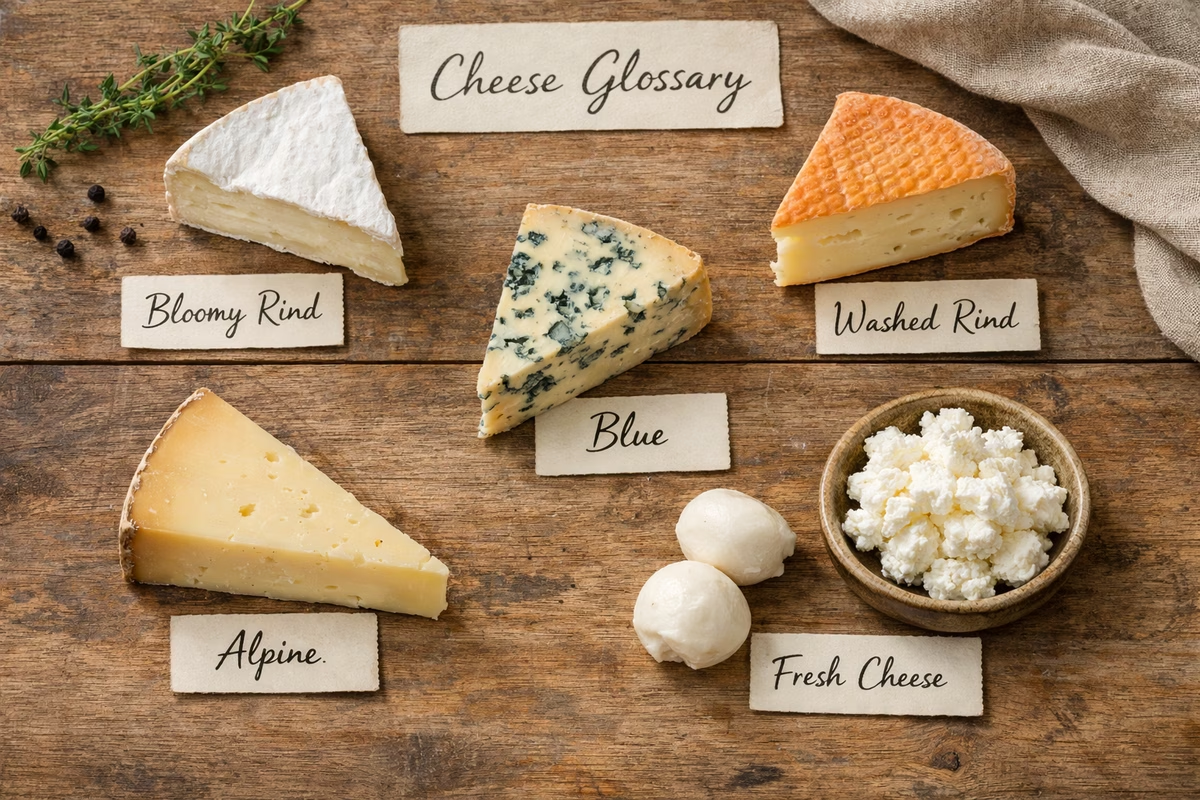
Cheese Glossary
A quick reference for cheese terms from dairy farm to cheese board. Use it when a label, rind, or tasting note needs a plain answer.
How to use this glossary
- Learning: pick five new words and look for them on rinds, labels, and menus.
- Tasting: use one texture word and one aroma word.
- Shopping: words like “bloomy,” “washed,” and “alpine” make the counter easier to use.
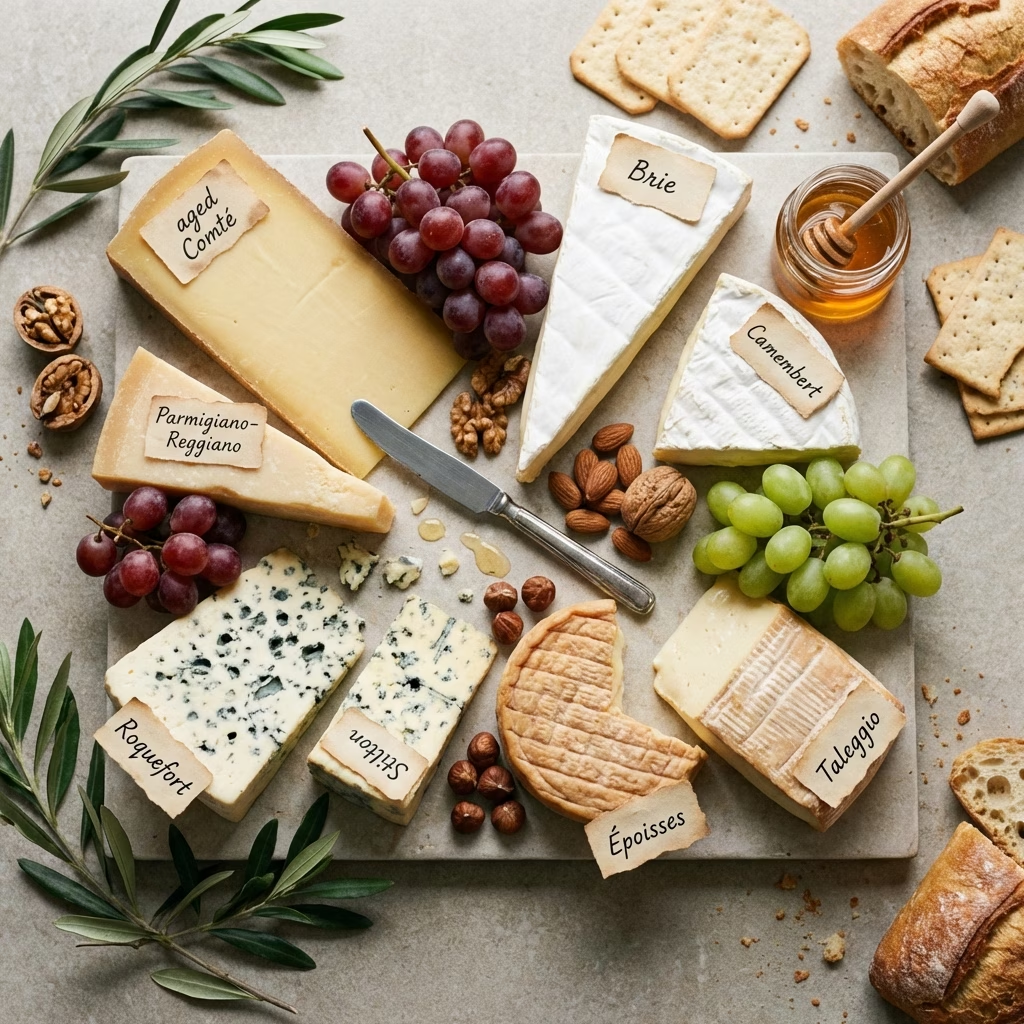
A tiny tasting cheat sheet
- Fresh/young: milky, lemony, yogurt‑like
- Aged: nutty, brothy, caramel, long finish
- Bloomy rind: mushroom, cream, buttery
- Washed rind: savory, cured‑meat aromas, often gentler on the palate than the smell suggests
- Blue: salty, tangy, peppery; loves sweetness
A
Acidification: Lowering pH of milk through bacterial fermentation or direct acid addition.
Affinage: French term for cheese aging and professional care of maturing cheese.
Affineur: Specialist who ages and cares for cheese, bringing it to perfect ripeness.
Aging: Time period cheese matures, developing flavor and texture.
Alpine: Style of cheese from mountain regions (Swiss, French Alps), typically hard with nutty flavors.
Ammonia: Pungent smell from overripe soft-ripened cheese (Brie, Camembert).
Animal Rennet: Coagulating enzyme from animal stomach lining (traditional).
Annatto: Natural orange coloring from achiote seeds, used in cheddar and other cheeses.
AOC (Appellation d’Origine Contrôlée): French protected designation of origin.
Artisan: Small-scale cheese made by hand using traditional methods.
Ash: Vegetable ash coating on some cheeses (chèvre, Morbier), decorative and functional.
B
Bacteria: Microorganisms crucial for cheese flavor, texture, and safety.
Bandaged: Cloth-wrapped cheddar aged traditionally.
Basket: Mold shaping fresh cheese (ricotta baskets).
Bloomy Rind: White, fuzzy rind from Penicillium candidum mold (Brie, Camembert).
Blue: Cheese with blue-green veins from Penicillium roqueforti mold.
Boiling: Cooking curds in whey (Swiss-style cheeses).
Brine: Salt-water solution for washing or soaking cheese.
Brine-Washed: Cheese regularly washed with salt water during aging.
Bucheron: Aged French goat cheese log.
Buffalo: Water buffalo milk, used for authentic mozzarella di bufala.
Butterfat: Fat content in milk and cheese, affects richness.
C
Casein: Primary milk protein forming curds.
Cave: Cool, humid environment for aging cheese, often underground.
Cheddaring: Stacking and turning curd slabs to expel whey and develop texture (cheddar).
Cheesecloth: Loose-weave cloth for draining curds or wrapping cheese.
Chèvre: French for goat; goat cheese.
Coagulation: Milk proteins forming curds through rennet or acid.
Cow’s Milk: Most common milk for cheesemaking.
Cream Line: Layer of cream forming on unhomogenized milk.
Crème Fraîche: Cultured, thick cream, not technically cheese but related.
Crottin: Small, aged French goat cheese.
Cryovac: Vacuum-sealed plastic packaging.
Cultures: Beneficial bacteria added to milk to acidify and develop flavor.
Curd: Solid milk proteins separated from whey.
Curing: See Aging.
D
DOP (Denominazione di Origine Protetta): Italian protected designation of origin.
Dry Matter: Cheese solids excluding moisture.
Dutch: Style of cheese from Netherlands (Gouda, Edam), typically semi-hard.
E
Enzyme: Protein catalyst; rennet contains enzymes coagulating milk.
Eyes: Holes in Swiss-style cheese from carbon dioxide bubbles (Emmental, Jarlsberg).
F
Farmhouse/Farmstead: Cheese made on farm from that farm’s milk.
Fat Content: Percentage of butterfat in cheese (often “fat in dry matter”).
Fermentation: Bacterial or enzymatic breakdown creating flavor compounds.
Feta: Brined Greek cheese, traditionally sheep’s milk.
FDM (Fat in Dry Matter): Fat percentage excluding moisture.
Firm: Texture between semi-soft and hard.
Flavor Profile: Overall taste characteristics.
Fresh Cheese: Unaged cheese consumed soon after making (chèvre, ricotta, queso fresco).
Fromage: French for cheese.
Fromager/Fromagère: French cheese maker or monger.
G
Goat’s Milk: Tangy milk making distinctive cheese (chèvre).
Grana: Italian term for hard, grainy cheese (Parmigiano-Reggiano, Grana Padano).
Grating Cheese: Hard cheese suitable for grating (Parmesan, Pecorino).
Gruyère: Swiss cheese, firm texture, nutty flavor, few or no eyes.
H
Hard Cheese: Aged cheese with low moisture (Parmesan, Pecorino, aged cheddar).
Havarti: Danish semi-soft cheese, mild and creamy.
Hoop: Mold shaping cheese during draining.
Humidity: Moisture level in aging environment, crucial for proper ripening.
I
Inoculation: Adding cultures or mold to milk or cheese.
J
Jersey: Cow breed producing rich, high-fat milk.
K
Kosher: Cheese made according to Jewish dietary laws.
L
Lactase: Enzyme breaking down lactose (milk sugar).
Lactic Acid: Acid produced by bacteria fermenting lactose.
Lactose: Milk sugar; most aged cheese contains little to none.
Ladling: Gently transferring curds to molds without breaking them.
Lancashire: English crumbly white cheese.
Lipase: Enzyme breaking down fats, creating piquant flavor (used in Italian cheeses).
Listeria: Harmful bacteria; raw-milk cheese aged 60+ days considered safe in US.
M
Manchego: Spanish sheep’s milk cheese, firm and nutty.
Milling: Cutting or grinding curds (cheddar process).
Moisture: Water content in cheese, affects texture and aging potential.
Mold (fungus): Beneficial or decorative fungi on cheese (Penicillium, etc.).
Mold (tool): Form shaping cheese.
Monger: Cheese seller/specialist (cheesemonger).
Morbier: French cheese with ash layer through middle.
Mozzarella: Fresh Italian cheese, stretched curd, traditionally buffalo milk.
Munster: Alsatian washed-rind cheese, pungent and orange.
N
Natural Rind: Rind developing without added mold or washing.
Nutty: Common flavor descriptor for aged cheese.
O
Oiling: Rubbing cheese rind with oil during aging.
Ovine: Sheep’s milk.
P
Pasta Filata: Stretched curd technique (mozzarella, provolone).
Pasteurization: Heat treatment killing bacteria in milk.
Paste: Interior of cheese (the part you eat, excluding rind).
Pecorino: Italian sheep’s milk cheese, often aged and salty.
Penicillium Candidum: Mold creating bloomy white rind (Brie, Camembert).
Penicillium Roqueforti: Mold creating blue veins in blue cheese.
Piercing: Making holes in cheese to introduce oxygen for blue mold growth.
Piquant: Sharp, tangy flavor.
Pressing: Applying weight to expel whey and consolidate curds.
Propionibacterium: Bacteria creating eyes in Swiss cheese.
Q
Quark: Fresh, soft German cheese similar to thick yogurt.
Queso: Spanish for cheese.
R
Raw Milk: Unpasteurized milk (US requires 60-day aging for raw-milk cheese).
Rennet: Enzyme coagulating milk into curds.
Renneting: Adding rennet to milk.
Rind: Exterior of cheese, natural or cultivated.
Rind-Washed: See Washed-Rind.
Ripening: Aging process; also enzymatic changes in cheese.
Roquefort: French blue sheep’s milk cheese, aged in specific caves.
Rubbing: Brushing or wiping cheese rind during aging.
S
Salting: Adding salt to curds or brine-soaking cheese.
Scalding: Heating curds to expel more whey (Swiss cheeses).
Semi-Firm: Texture category (young Gouda, Havarti).
Semi-Hard: Texture firmer than semi-soft (cheddar, Gruyère).
Semi-Soft: Texture between soft and semi-hard (young Gouda, Havarti).
Sheep’s Milk: Rich, sweet milk making prized cheeses (Manchego, Roquefort, Pecorino).
Smear-Ripened: See Washed-Rind.
Soft Cheese: High-moisture cheese, often young (Brie, fresh chèvre).
Stilton: English blue cheese, creamy and tangy.
Stirring: Cutting and moving curds in whey.
Stretched Curd: See Pasta Filata.
Surface Mold: Mold growing on cheese exterior.
Sweet Milk: Non-cultured milk (vs. soured).
T
Taleggio: Italian washed-rind cheese, fruity and pungent.
Tasting: Systematic evaluation of cheese flavor, aroma, texture.
Terroir: Environmental factors (climate, soil, pasture) affecting milk and cheese character.
Texture: Physical characteristics (crumbly, creamy, crystalline, etc.).
Thermophilic: Heat-loving bacteria, used in cheeses cooked at higher temperatures.
Triple Crème: Cheese with extra cream added, min. 75% fat in dry matter, very rich.
Truckle: Small wheel of cheese, especially cheddar.
Turning: Flipping cheese wheels during aging for even development.
Tyrosine: Amino acid forming crunchy white crystals in aged cheese (good sign!).
U
Ultrafiltration: Modern technique concentrating milk proteins.
Unpasteurized: See Raw Milk.
V
Vegetarian Rennet: Microbial or vegetable-based coagulant (not from animals).
Velvety: Smooth, luxurious texture.
W
Washed Curd: Rinsing curds with water to remove lactose, creates milder, sweeter cheese (Gouda).
Washed-Rind: Cheese regularly washed with brine, beer, or spirits, developing orange rind and pungent aroma (Taleggio, Époisses, Limburger).
Wheel: Large, round cheese form.
Whey: Liquid separated from curds during cheesemaking.
Wrapping: Covering cheese for aging or storage (cloth, paper, wax, plastic).
X
(No common cheese terms begin with X)
Y
Yeast: Fungi sometimes present on cheese rinds.
Yield: Amount of cheese produced from quantity of milk.
Yogurt: Cultured milk product, related to cheesemaking but not cheese.
Z
Zymology: Science of fermentation.
Quick Reference: Cheese Categories
By Texture/Moisture
Fresh (70-80% moisture):
- Mozzarella, ricotta, chèvre, queso fresco
- Consumed within days/weeks
- No aging
Soft (50-70% moisture):
- Brie, Camembert, fresh chèvre
- Bloomy or washed rinds
- Age 0-8 weeks
Semi-Soft (45-55% moisture):
- Havarti, young Gouda, Fontina
- 1-6 months aging
- Smooth, creamy
Semi-Hard (40-50% moisture):
- Cheddar, Manchego, Gruyère
- 3-12+ months aging
- Firm, sliceable
Hard (<40% moisture):
- Parmigiano-Reggiano, Pecorino, aged Gouda
- 12-36+ months aging
- Grating texture
By Milk Type
Cow (Vache): Most common, versatile Goat (Chèvre): Tangy, digestible Sheep (Brebis/Ovine): Rich, sweet, prized Buffalo: Creamy, authentic mozzarella
By Rind Type
Bloomy: White, fuzzy (Penicillium candidum) - Brie, Camembert Washed: Orange, sticky, pungent - Taleggio, Époisses Natural: Self-formed, often crusty - Some cheddars Blue: Moldy interior, no distinct rind - Roquefort, Stilton None: Fresh cheese - Mozzarella, ricotta
Common Abbreviations
- AOC: Appellation d’Origine Contrôlée
- DOP: Denominazione di Origine Protetta
- PDO: Protected Designation of Origin
- PGI: Protected Geographical Indication
- FDM: Fat in Dry Matter
- ACS: American Cheese Society
- CCP: Certified Cheese Professional
Use this glossary when you need a term checked fast. It can help with labels, shopping, and tasting.
Practice notes for this page
Pick three entries or ideas from Cheese Glossary and connect each one to something concrete. One might change what you buy, one might change what you notice, and one might simply give a better name to a thing you already understood.
Then say each idea in your own words. If the explanation becomes shorter and clearer, the page is doing its job. If it becomes more confusing, follow the term into a fuller guide before relying on it.
Use the page again after a real experience. A tasting, build, purchase, recipe, pour, service visit, or design decision will make some definitions feel obvious and reveal others that need more context.
This back-and-forth keeps reference material from becoming a static list. The entries become useful when they help you act with more care, ask a better question, or describe an experience more accurately.
When a cheese term still feels abstract, take it to a counter or board. Smell a bloomy rind beside a washed rind, compare a young cheddar with an aged one, or notice how a blue changes with honey or bread. The vocabulary becomes friendlier when it is tied to a bite, not only a definition.