Freezing cheese is not a way to pause perfection. It is a way to save useful cooking cheese from waste. That distinction matters. The freezer changes texture, especially in cheeses with more moisture or delicate structure. A wedge that was supple on a board may come out crumbly, drier, or slightly grainy. A grated firm cheese, on the other hand, may move from freezer to pasta, eggs, soup, or gratin with very little drama.
If you freeze cheese expecting it to return as a pristine table cheese, you will often be disappointed. If you freeze cheese with cooking in mind, the freezer becomes practical. It lets you hold odds and ends for sauces, fillings, baked dishes, omelets, casseroles, and bread. It also helps when you buy a larger piece of a sturdy cheese than you can finish while it is at its best.
This guide extends How to Store Cheese and Leftover Cheese Scraps . It is not a replacement for good fridge habits. It is a second plan for cheese that is better cooked later than forgotten now.
The freezer changes water first
Cheese texture depends on water, fat, protein, and salt. When cheese freezes, its water forms ice crystals. Those crystals can disturb the paste, especially in cheeses with high moisture. When the cheese thaws, moisture may separate and the structure may feel crumbly or wet. This is why some cheeses seem to survive freezing better than others.
Firm and semi-firm cheeses are usually the most useful candidates. Cheddar-style cheeses, low-moisture mozzarella, Monterey Jack-style cheeses, young Gouda, provolone-style cheeses, and many grating cheeses can be frozen for cooking with reasonable results. They may not slice as beautifully afterward, but they can melt into dishes, brown on top, or be folded into fillings.
Very soft cheeses are less predictable. Brie-style cheeses, fresh mozzarella, ricotta, cottage cheese, and many fresh goat cheeses can become watery or grainy. That does not always make them useless, but it changes their role. A thawed soft cheese may be better in a baked filling than on a board. If the cheese was delicate before freezing, assume it will need a forgiving recipe afterward.
Freeze for a future dish, not for vague someday
The most effective freezer habit begins before wrapping. Decide what the cheese will become. If it is destined for pasta, grate it. If it is destined for a gratin, portion it in the amount you usually need. If it is for soup, sauce, or beans, cut it into chunks that can be added directly. If it is a hard rind or end, label it as a flavoring piece, not as a snack.
Vague freezer storage creates small mysteries. A lump of unknown cheese in frost-covered wrap is less likely to be used than a flat bag labeled for macaroni, eggs, or soup. You do not need elaborate labeling. You need enough information to recognize the cheese and use it without thawing the whole package.
Small portions also protect quality. Opening and closing a frozen bag lets moisture in and encourages freezer burn. A few modest packets are more useful than one large frozen block. If you often cook with grated cheese, freeze it in thin, flat bags so you can break off a handful without defrosting the whole supply.
Grating before freezing solves many problems
Grated cheese freezes well because it is already meant to disappear into a dish. Texture changes matter less when the cheese will be melted, tossed, stirred, or browned. The freezer may make shreds a little drier, but that can be fine for pizza, pasta bakes, eggs, soups, and gratins.
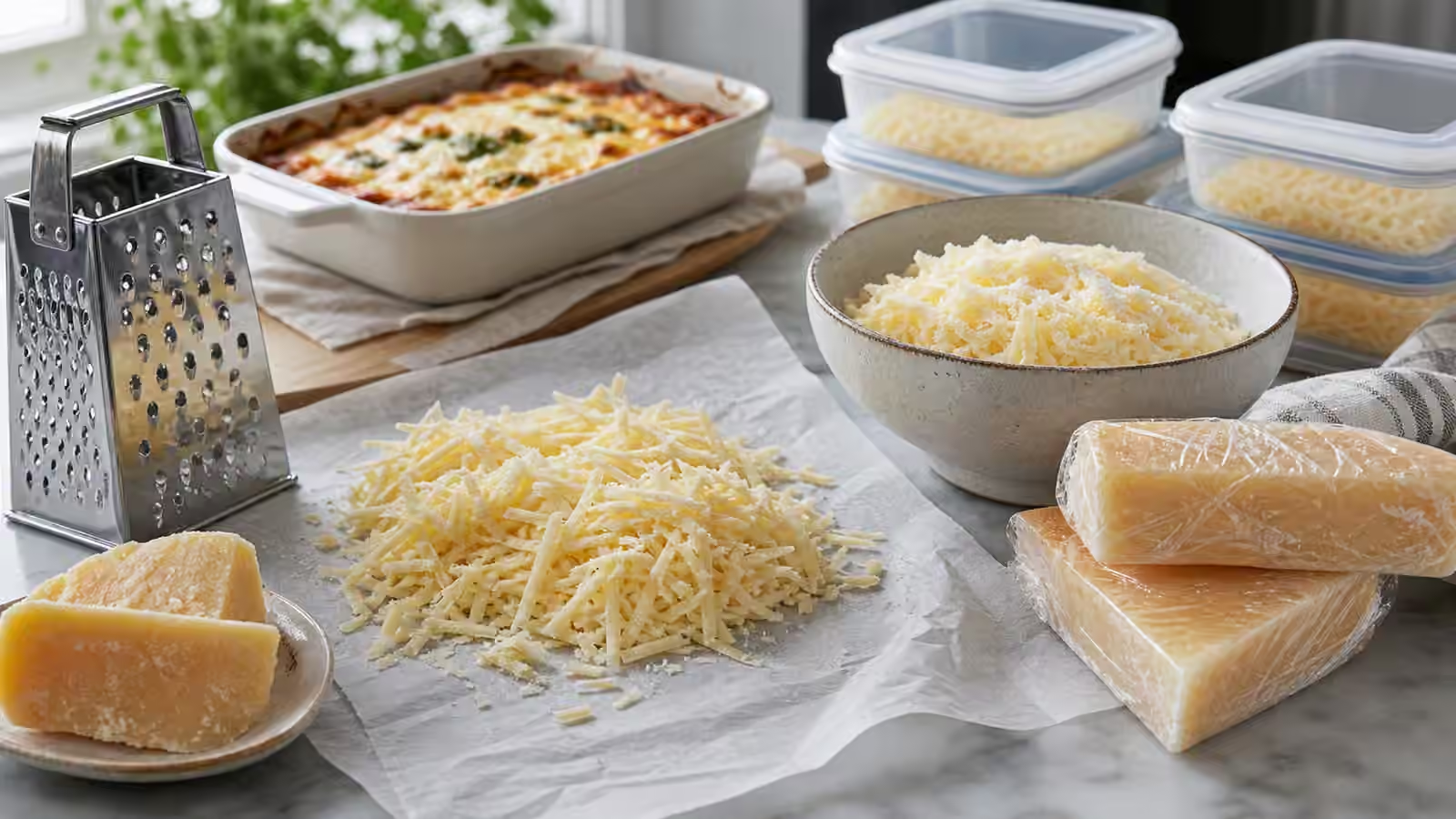
Grate cheese while it is fresh and firm. Very cold cheese grates cleanly. If a cheese is too soft, chill it briefly before grating. Spread the shreds loosely on parchment and freeze them briefly before bagging if you want them to stay separate, or simply pack them in a thin layer if you do not mind breaking them apart later.
Avoid adding starches unless you have a reason. Commercial shredded cheese often contains anti-caking ingredients, and those can affect sauces. Home-grated frozen cheese may clump a bit, but it gives you more control. For a smooth sauce, add the frozen cheese gradually and use gentle heat. Cheese Sauce Without Breaking covers the heat control that matters after the freezer has done its work.
Wrap against air and odor
Freezers are dry, and cheese absorbs odors. Good wrapping is not fussy. It is protection against air, frost, and stale flavors. Parchment against the cheese can help with firm pieces, followed by a freezer bag or airtight container. For grated cheese, a freezer bag pressed flat works well. Remove as much air as you reasonably can without crushing the cheese into a paste.
Do not rely on the loose shop wrap for freezing. It was meant for short fridge storage, not weeks of frozen air. Rewrap cleanly, label the package, and keep cheese away from strongly scented foods when possible. A cheese that tastes faintly like old freezer or onion will not improve the dish.
Date the package. This is less about strict rules and more about honest rotation. Frozen cheese is best used while it still tastes like cheese, not after it has become an archaeological object. If a package is frosty, dry, or smells stale after thawing, use judgment and do not force it into a dish where it will dominate.
Thawing depends on the cooking plan
Grated cheese for hot dishes often does not need full thawing. It can go into a sauce, soup, casserole, or egg dish in small amounts, provided the heat is controlled. If a large frozen mass of shreds hits a sauce at once, it can cool the sauce and clump. A handful at a time behaves better.
Blocks and wedges should usually thaw slowly in the refrigerator. Slow thawing gives moisture a better chance to redistribute. Keep the cheese wrapped while it thaws, then unwrap and blot gently if the surface is damp. Do not expect the cut face to look as smooth as it did before freezing. That is normal.
Avoid repeated thawing and refreezing. Each cycle damages texture more and creates more opportunity for moisture problems. Portion before freezing so you only thaw what you need. If a thawed cheese seems too crumbly for slicing, change the plan and cook with it.
What frozen cheese does best
Frozen cheese is excellent in places where texture is already transformed. Baked pasta, macaroni and cheese, gratins, casseroles, savory bread puddings, omelets, frittatas, soups, beans, quesadillas, pizza, biscuits, scones, and stuffed vegetables can all welcome cheese that would be less appealing on a board.
Use stronger cheeses as accents. A thawed aged cheddar may be crumbly, but a small amount can give a sauce real flavor. A frozen hard grating cheese can still finish pasta if grated before freezing, though very delicate finishing may be better with fresh cheese. Low-moisture mozzarella can be useful for pizza and baked dishes, especially if it was portioned well.
Frozen cheese is less satisfying in raw service. A cheese board exposes texture. A sandwich with unmelted slices exposes dryness. A salad with thawed soft cheese may expose graininess. When in doubt, use frozen cheese where heat, moisture, and other ingredients can make its changes useful.
Rinds and hard ends have a separate life
Hard rinds and dry ends are some of the best freezer candidates. They are already firm and often too tough to eat directly, but they can flavor soups, beans, broths, sauces, and braises. Keep them clean, wrap them well, and label them clearly so they do not become anonymous scraps.
Not every rind belongs in the pot. Wax, cloth, heavy coatings, and rinds that smell unpleasant should be left out. Natural hard rinds from grating cheeses are the classic example, but judgment matters. Cheese Rinds explains which rinds are part of the cheese and which are packaging or protection.
Frozen rinds should be treated as flavoring, not magic. They add savor and body, but they will not rescue a bland pot on their own. Use them with aromatics, good liquid, enough time, and proper seasoning.
The freezer is a waste plan, not a storage philosophy
The best cheese still deserves good buying and fridge storage. Buy amounts you can use, wrap cheese properly, and serve it at its best when it is meant for the table. Freezing enters when life interferes, when a recipe leaves leftovers, or when a sturdy cheese is clearly headed for cooking.
If you see the freezer as a cooking pantry, it becomes useful without pretending to preserve everything. Grate firm cheeses before they decline. Portion them for dishes you actually make. Freeze rinds for soups. Thaw gently. Cook with moisture and controlled heat. Let the cheese be slightly less perfect but still valuable.
That is the honest bargain. The freezer takes away some delicacy and gives you time. Use that time for dishes where cheese melts, seasons, browns, or disappears into comfort, and the trade will usually feel worthwhile.