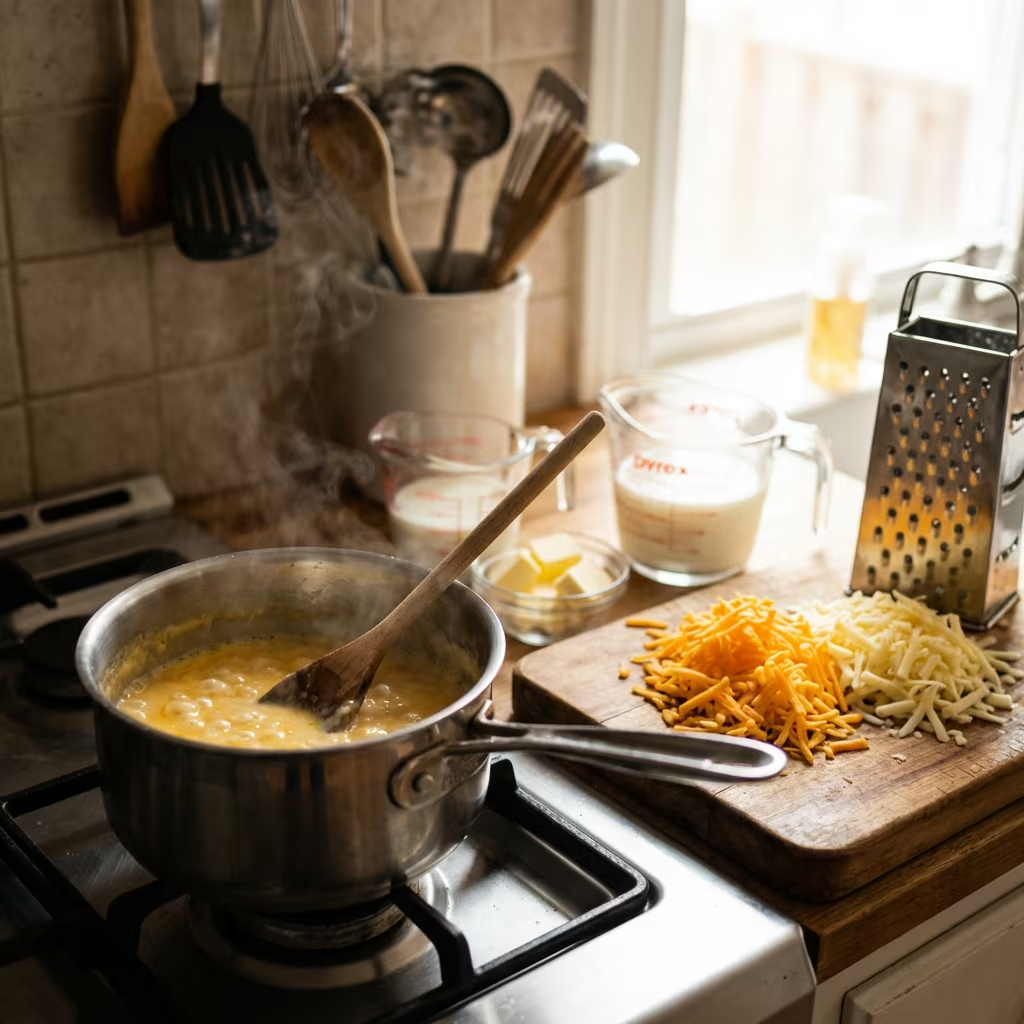
The first time I made fondue, I burned the cheese.
It was a full failure. The pot scorched, the cheese split, and the whole thing turned greasy.
Two weeks later, I tried again. That second attempt was one of the best meals I have hosted.
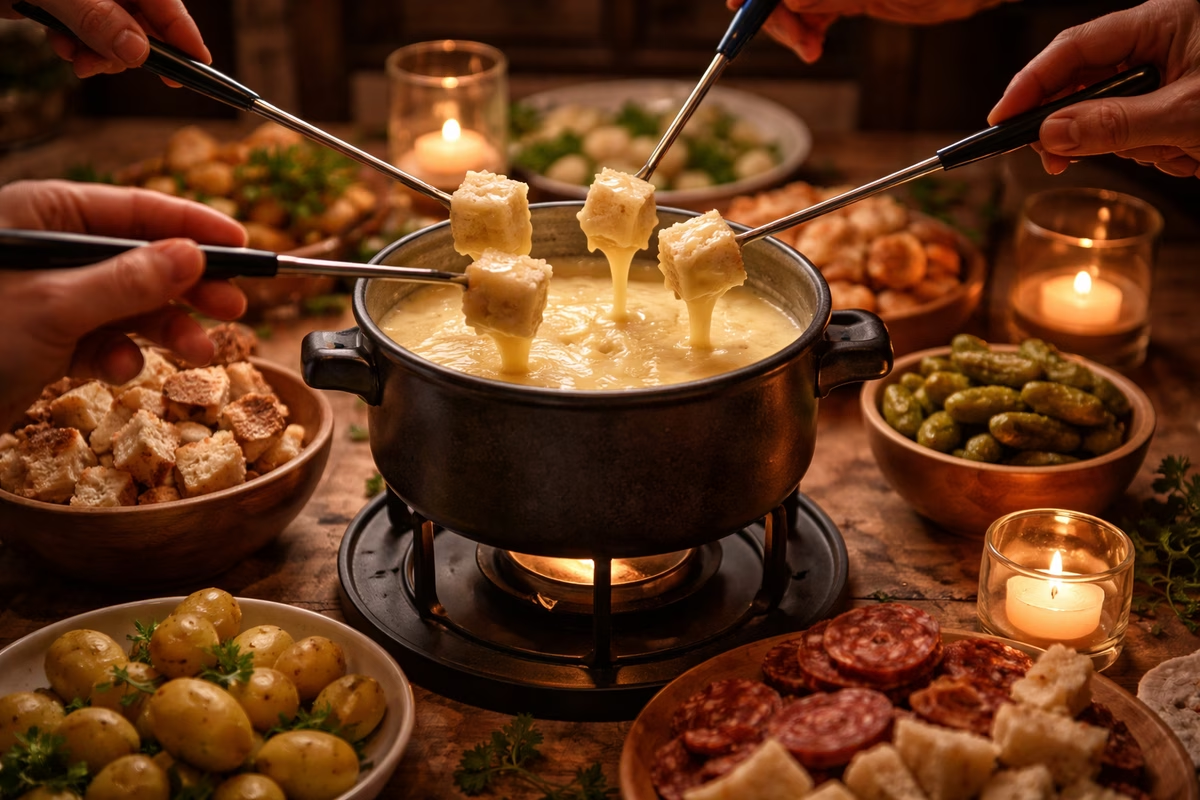
Fondue works because it makes people slow down. Everyone has to lean in, take turns, and talk.
After that night, fondue became a monthly thing. I also learned a lot about how cheese behaves under heat.
Why fondue works
Fondue is cheese sauce served at the table. It looks simple, but it depends on a few things:
1. How cheese melts
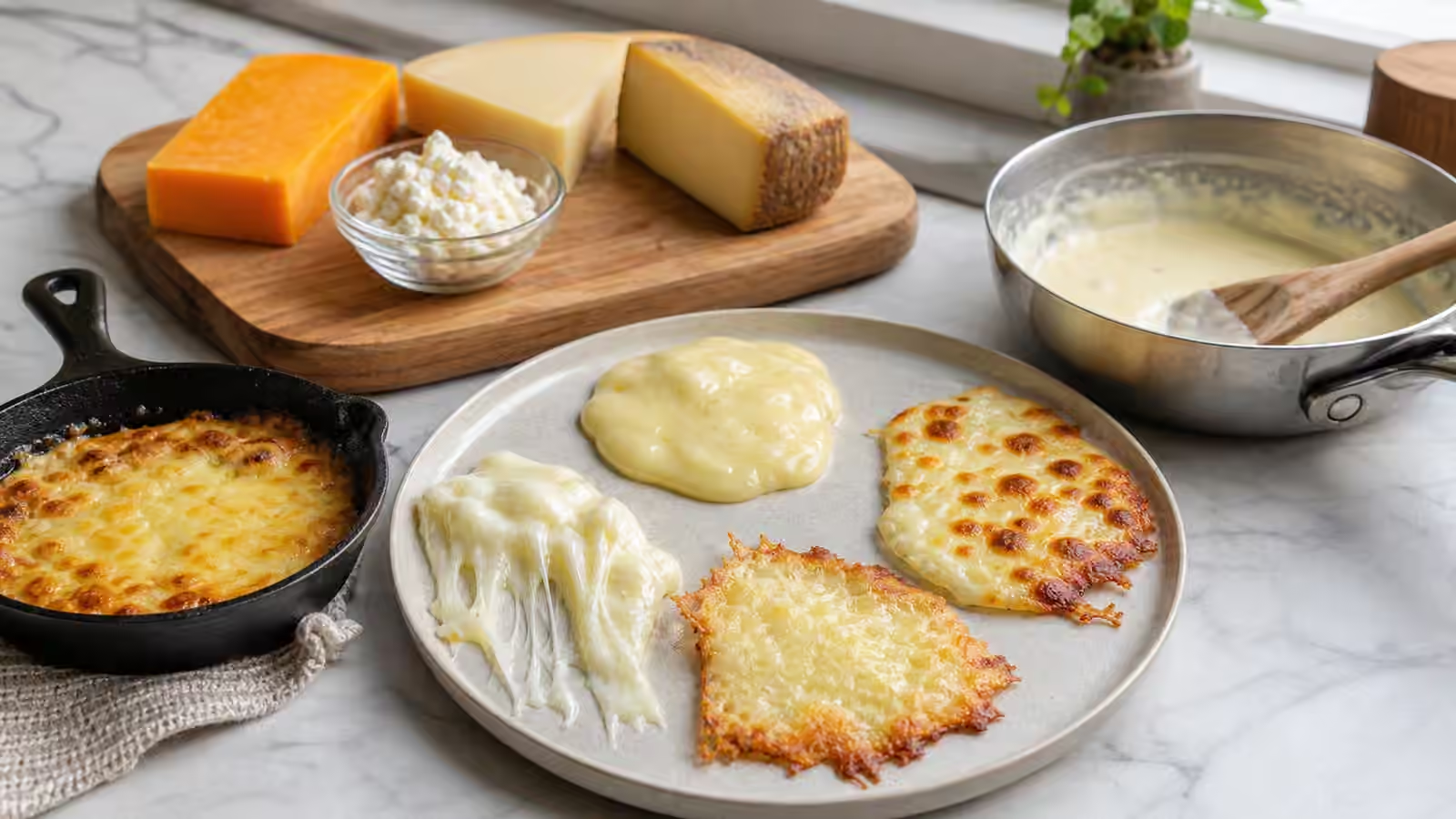
Cheese does not all melt the same way. Soft, wet cheese can go stringy. Very dry aged cheese can clump.
Fondue works best with semi-firm cheeses like Gruyère and Emmental because they melt smoothly.
2. How acid stabilizes cheese
My first fondue failed because I skipped the wine.
The acid in white wine helps the cheese melt smoothly. Without it, the cheese can split and turn greasy.
3. How starch prevents seizing
Cornstarch helps the cheese melt evenly and gives the fondue body.
The classic recipe
After the bad first attempt, I went back to the classic version.
Ingredients (serves 4-6)
- 400g Gruyère, grated
- 200g Emmental, grated
- 300ml dry white wine
- 1 clove garlic, halved
- 1 tablespoon cornstarch mixed with 2 tablespoons kirsch (cherry brandy)
- Pinch of nutmeg
- Fresh-ground black pepper
Method
Step 1: Prepare the pot. Rub the pot with the cut garlic clove.
Step 2: Heat the wine. Warm it over medium-low until it steams a little. Do not boil it.
Step 3: Add the cheese gradually. Add it a handful at a time and stir until each handful melts.
Step 4: Add the starch mixture. Stir it in when the cheese is smooth.
Step 5: Season. Add nutmeg and pepper.
Step 6: Transfer to the burner. Put the pot on the table burner.
Step 7: Serve. Bring bread and dipping items.
Beyond the classic: fondue variations
Once you’ve mastered the Swiss classic, the format opens up:
French (Savoyarde) fondue
Uses Comté, Beaufort, and Reblochon. They are alpine cheeses from the French side of the border. The fondue is richer and more complex than the Swiss version.
Italian fonduta
Uses Fontina Val d’Aosta, egg yolks, butter, and milk instead of wine. It is creamier and more delicate.
Beer fondue
Replaces wine with a pale ale or wheat beer. It works well with cheddar-based fondue.
Raclette (fondue’s cousin)
Not technically fondue, but it has the same communal feel. Melt the cheese and scrape it onto potatoes, pickles, and cured meats.
The dipping philosophy
What you dip matters too. Bread is the classic choice, but variety helps.
Essential dippers
- Bread cubes (baguette, sourdough, or country loaf)
- Boiled baby potatoes (waxy varieties hold together in the pot)
- Cornichons (the acid and crunch cut through the richness)
- Pickled onions (same principle as cornichons)
- Blanched broccoli and cauliflower (sturdy enough to survive the dip)
Unexpected winners
- Apple slices (the sweetness and acid complement Gruyère beautifully)
- Pear slices (same logic, fruit and cheese works well together)
- Cured meats (wrap bread around a slice of prosciutto before dipping)
- Roasted mushrooms (earthy, meaty, and fondue-compatible)
- Grapes (a classic pairing that translates perfectly to the pot)
The lost-bread rule
If a bread cube falls into the pot, there is a penalty. It keeps people paying attention.
What fondue teaches about cheese
Making fondue taught me things about cheese that I would not have learned from tasting alone:
Age affects melting behavior. Young Gruyère melts more smoothly. Older Gruyère has more flavor but can get grainy.
Not all “Swiss cheese” is Emmental. Real Emmental tastes better and melts better.
Cheese is a living ingredient. Every batch melts a little differently.
Wine and cheese work together. The wine helps the cheese melt smoothly and keeps the mix balanced.
The monthly tradition
That second fondue night turned into a monthly dinner.
We tried different cheese mixes. Some worked better than others.
The pot I scorched the first time is still the one I use.
The best meals are not the most complicated ones. They are the ones that bring people to the table.
Hosting your first fondue night
The setup
- A fondue pot and a burner
- Long fondue forks
- Small plates for dippers
- Napkins
The shopping list
- 600g total cheese
- 1 bottle dry white wine
- 1 baguette or country loaf
- Cornichons and pickled onions
- Baby potatoes
- Apple or pear slices
- Kirsch if you want it
The timeline
- 2 hours before: Grate cheese, cube bread, prep dippers
- 30 minutes before: Set the table
- 15 minutes before: Start the fondue
- Serve: Bring everyone to the table
The only rule
Keep stirring. If someone loses their bread, make them sing.
Next steps
- Read Wine and Cheese Pairing for the science of matching
- Explore Cooking with Cheese for more melted-cheese techniques
- See How to Buy Cheese for selecting quality Gruyère and Emmental
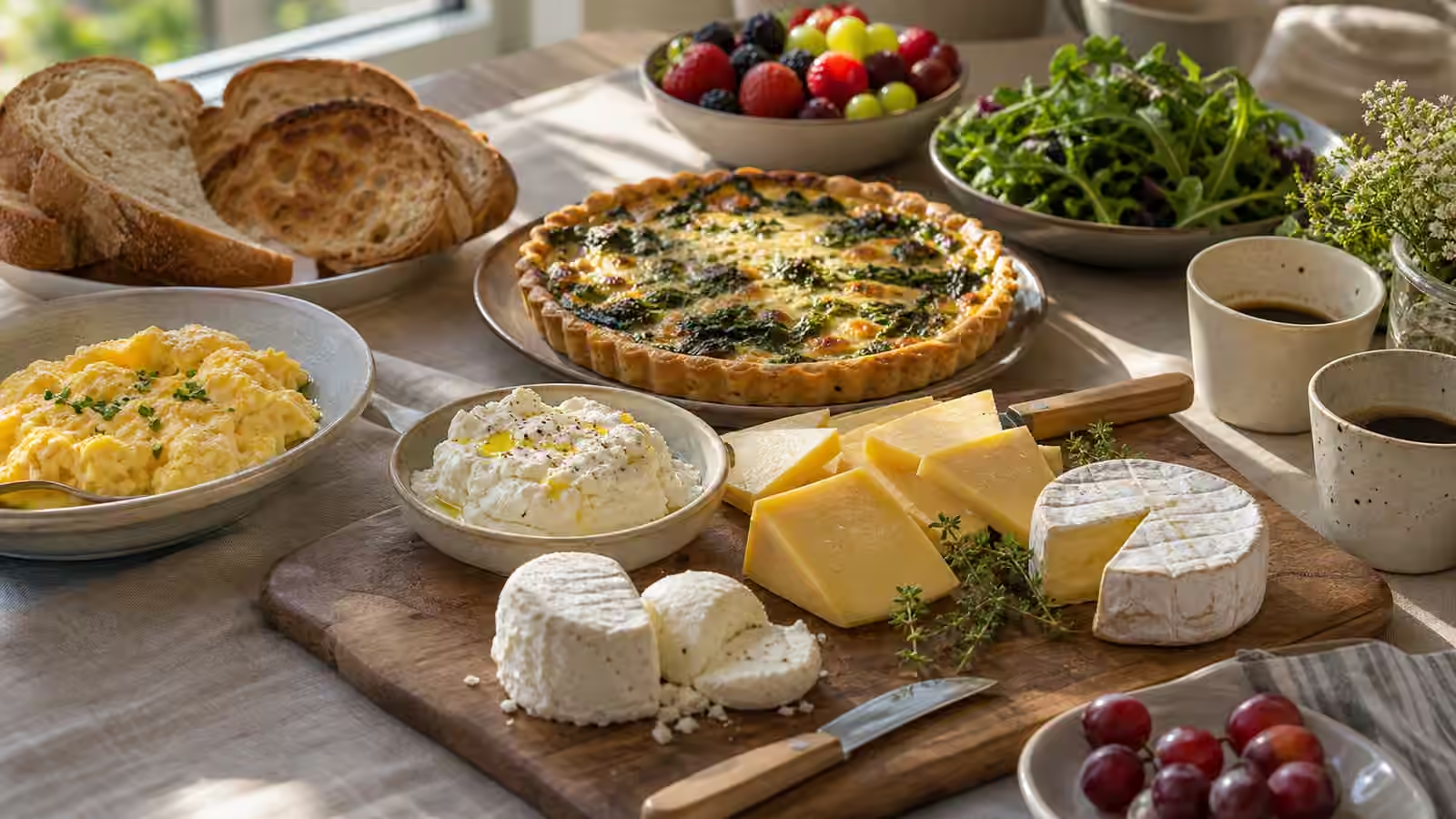
- Try Building a Cheese Board for another communal cheese experience
- Check Cheese Storage for keeping your fondue cheese fresh
Taste the lesson at the counter
After reading Fondue Night Story, try the idea with one cheese at the right temperature. Notice aroma, rind, paste, salt, texture, and finish before adding pairings. Cheese changes as it warms, and many lessons only appear after the chill has lifted.
Use contrast carefully. A crisp apple, a piece of bread, honey, nuts, tea, beer, or wine can reveal different parts of the cheese, but too many pairings at once blur the lesson.
Storage is part of the experience. Wrap, humidity, time, and refrigerator odors can change a cheese as much as the pairing does. A good note includes how the cheese was kept.
The goal is to buy, serve, and enjoy with more confidence, not to turn the counter into an exam.
Practice notes for this page
Pick three entries or ideas from Fondue Night Story and connect each one to something concrete. One might change what you buy, one might change what you notice, and one might simply give a better name to a thing you already understood.
Then say each idea in your own words. If the explanation becomes shorter and clearer, the page is doing its job. If it becomes more confusing, follow the term into a fuller guide before relying on it.
Use the page again after a real experience. A tasting, build, purchase, recipe, pour, service visit, or design decision will make some definitions feel obvious and reveal others that need more context.
This back-and-forth keeps reference material from becoming a static list. The entries become useful when they help you act with more care, ask a better question, or describe an experience more accurately.