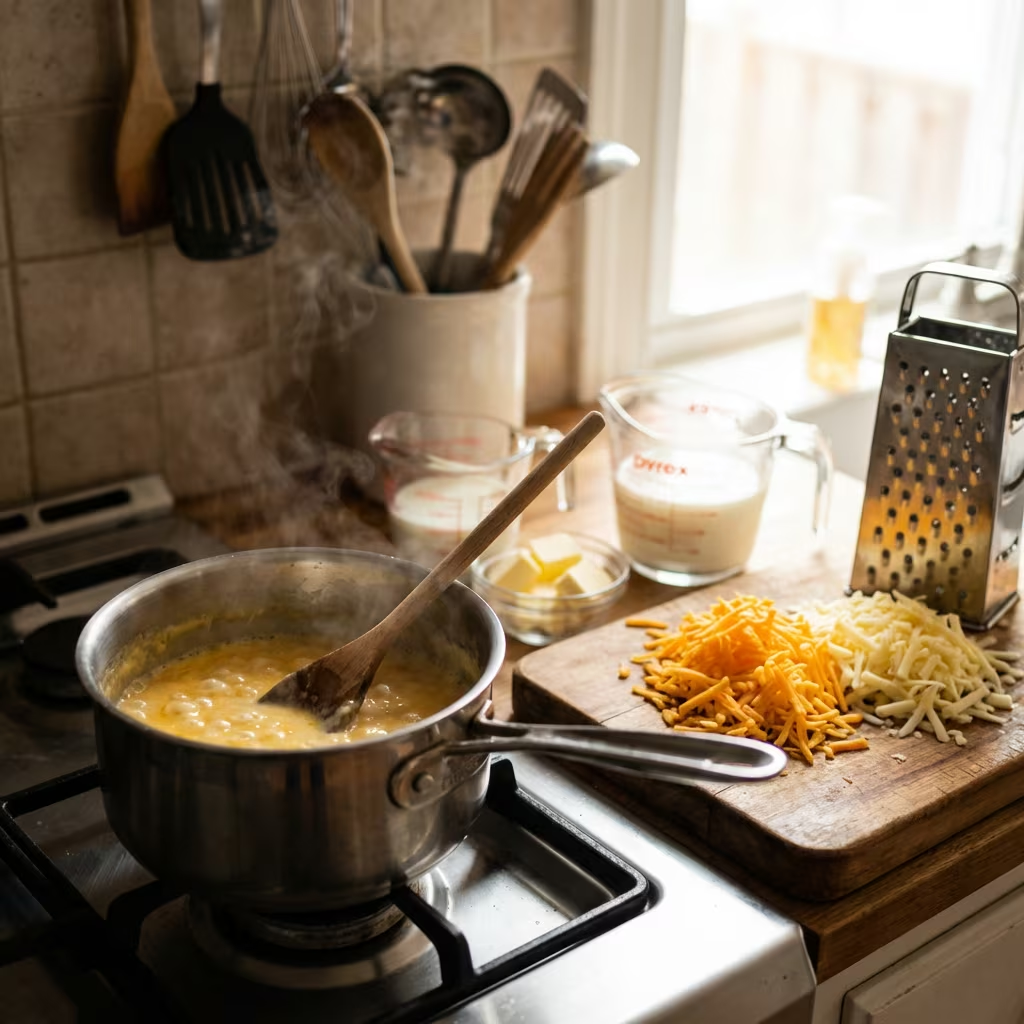
The first time I made fondue, I burned the cheese.
Not a gentle scorch. A full, smoke-alarm, scrape-the-pot-with-a-chisel burn that left a blackened crust of what had once been Gruyère at the bottom of my grandmother’s fondue pot. The rest of the cheese—the part that wasn’t cemented to the enamel—had turned into a stringy, greasy, separated mess that looked like melted plastic.
My four dinner guests were polite. They dipped bread into the portions that were still edible and said things like “it’s really not that bad” and “the flavor is great, actually.”
It was that bad.
But two weeks later, I tried again. And the second attempt—informed by everything I’d done wrong the first time—was one of the best meals I’ve ever hosted.
Not because the fondue was perfect (it was close). Because the format was perfect. Six people around a single pot, sharing a meal that requires everyone to lean in, take turns, and talk. Fondue doesn’t allow you to eat in silence while staring at your phone. The pot demands your attention. And when the pot has your attention, the conversation flows naturally.
That second fondue night became a monthly tradition. Over the next year, I learned more about cheese from making fondue than from any tasting class—because fondue teaches you how cheese behaves under heat, how it interacts with wine and acid, and how small changes in technique produce dramatically different results.
Why fondue works as a meal (and a cheese education)
Fondue is, at its core, a cheese sauce served communally. But the simplicity is deceptive. Making good fondue requires understanding three things about cheese:
1. How cheese melts
Not all cheese melts the same way. Young, high-moisture cheeses (like mozzarella) melt into stretchy strings. Aged, low-moisture cheeses (like Parmigiano) don’t melt smoothly at all—they break into greasy clumps.
The ideal fondue cheese occupies a middle ground: semi-firm to hard, with enough fat and moisture to melt smoothly but enough protein structure to hold together. This is why Swiss fondue traditionally uses Gruyère and Emmental—both are alpine cheeses with the right balance of moisture, fat, and casein protein for smooth melting.
2. How acid stabilizes cheese
My first fondue failed because I skipped the wine. I’d figured the wine was optional—a flavor enhancement, not a structural ingredient.
Wrong. The acid in white wine (typically tartaric acid) lowers the pH of the cheese mixture, which causes the casein proteins to denature more gently. Without acid, the proteins clump together and squeeze out the fat, creating a greasy, separated mess. With acid, the proteins relax into a smooth, creamy emulsion.
Wine isn’t a flavor choice in fondue. It’s chemistry.
3. How starch prevents seizing
Traditional fondue calls for tossing the grated cheese in cornstarch before adding it to the pot. The cornstarch serves two purposes: it thickens the liquid slightly (giving the fondue body) and it coats the cheese particles, preventing them from clumping together as they melt.
Skip the cornstarch and the cheese melts unevenly. Include it and the fondue comes together into a smooth, velvety sauce.
The classic Swiss fondue: the recipe that works
After the disastrous first attempt, I went back to the original. Classic Swiss fondue has been made the same way for hundreds of years, and the recipe is elegant in its simplicity.
Ingredients (serves 4-6)
- 400g Gruyère, grated (aged 6-12 months, not the young “Swiss cheese” from the deli)
- 200g Emmental, grated (the holey Swiss cheese—but real Emmental from Switzerland)
- 300ml dry white wine (a Swiss Chasselas or Fendant is traditional; any crisp, dry white works)
- 1 clove garlic, halved
- 1 tablespoon cornstarch mixed with 2 tablespoons kirsch (cherry brandy)
- Pinch of nutmeg
- Fresh-ground black pepper
Method
Step 1: Prepare the pot. Rub the inside of the fondue pot (caquelon) with the cut garlic clove. This deposits garlic oil on the surface—a subtle flavor base.
Step 2: Heat the wine. Pour the wine into the pot and heat over medium-low until it’s just starting to steam. Small bubbles around the edges. Not a boil—never a boil.
Step 3: Add the cheese gradually. Add the grated cheese a handful at a time, stirring constantly in a figure-eight pattern. Wait for each handful to melt before adding the next. This is the patience step—rushing it by dumping all the cheese in at once guarantees clumping.
Step 4: Add the starch mixture. When all the cheese is melted and smooth, stir in the cornstarch-kirsch mixture. The fondue will thicken slightly and become glossy.
Step 5: Season. Add nutmeg and pepper. Taste. Adjust.
Step 6: Transfer to the burner. Move the pot to the fondue burner at the table. The burner keeps the fondue warm enough to stay liquid without cooking it further.
Step 7: Serve. Provide long fondue forks, cubed bread (day-old bread works best—it has more structure), and a selection of dipping items.
Beyond the classic: fondue variations
Once you’ve mastered the Swiss classic, the format opens up:
French (Savoyarde) fondue
Uses Comté, Beaufort, and Reblochon—three alpine cheeses from the French side of the border. Richer and more complex than Swiss fondue, with nutty, fruity notes from the Comté.
Italian fonduta
Uses Fontina Val d’Aosta, egg yolks, butter, and a splash of milk instead of wine. Creamier and more delicate than Swiss fondue. Often served with shaved white truffle on top—the Piedmontese version of luxury comfort food.
Beer fondue
Replaces wine with a pale ale or wheat beer. Works especially well with cheddar-based fondue (sharp cheddar, a little Gruyère, Dijon mustard). The malt sweetness and carbonation create a distinctly different character—more casual, more pub than alpine lodge.
Raclette (fondue’s cousin)
Not technically fondue, but the same communal spirit. A half-wheel of raclette cheese is heated until the surface melts, then scraped onto boiled potatoes, pickles, and cured meats. The experience is the same—shared food, shared conversation, cheese at the center.
The dipping philosophy
What you dip matters almost as much as the fondue itself. The classic pairing is cubed bread—typically a crusty country loaf, day-old for better structure—but the table benefits from variety.
Essential dippers
- Bread cubes (baguette, sourdough, or country loaf)
- Boiled baby potatoes (waxy varieties hold together in the pot)
- Cornichons (the acid and crunch cut through the richness)
- Pickled onions (same principle as cornichons)
- Blanched broccoli and cauliflower (sturdy enough to survive the dip)
Unexpected winners
- Apple slices (the sweetness and acid complement Gruyère beautifully)
- Pear slices (same logic—fruit and cheese is always a great pairing)
- Cured meats (wrap bread around a slice of prosciutto before dipping)
- Roasted mushrooms (earthy, meaty, and fondue-compatible)
- Grapes (a classic pairing that translates perfectly to the pot)
The lost-bread rule
Swiss fondue tradition says that if you lose your bread cube in the pot (it falls off the fork), you owe a penalty: a round of drinks, a song, or a dare. This rule exists to keep people engaged and entertained—and to punish careless dipping technique.
What fondue teaches about cheese
Making fondue regularly taught me things about cheese that I wouldn’t have learned from tasting alone:
Age affects melting behavior. Young Gruyère (3-6 months) melts more smoothly but has less flavor. Aged Gruyère (12+ months) has intense nutty complexity but can be grainy if the temperature isn’t perfect. The sweet spot for fondue is 6-10 months—enough age for flavor, enough moisture for smooth melting.
Not all “Swiss cheese” is Emmental. Real Emmental (from the Emme valley in Switzerland) has complex, nutty, slightly sweet flavors. American “Swiss cheese” is a pale imitation with rubber texture and minimal character. For fondue, the difference is dramatic. Use the real thing.
Cheese is a living ingredient. Every batch melts slightly differently. A wheel from one producer in one season behaves differently from another. This variability is what makes cheese endlessly interesting—and why fondue requires attention rather than autopilot.
Wine and cheese are structural partners. The wine in fondue isn’t there for flavor (though it adds brightness). It’s there to control chemistry. This same principle applies to all wine-and-cheese pairings: the acid in wine cuts through cheese fat, the tannins in red wine interact with cheese proteins. Understanding this chemistry makes you a better pairer.
The monthly tradition
That second fondue night—the successful one—turned into a monthly gathering. Same friends, same pot, different cheese combinations each time.
We tried a Comté-only fondue that was nutty and caramelized. We tried a cheddar-and-beer fondue for a football game that was the best thing anyone had eaten that week. We tried a blue cheese fondue (Roquefort and cream) that was polarizing—three people loved it, one person couldn’t finish a single dip.
We argued about bread-cutting technique, perfected our figure-eight stirring, and instituted an elaborate penalty system for lost bread cubes that now includes a minimum of three rounds of karaoke.
The fondue pot—my grandmother’s, the one I’d scorched the first time—is now seasoned with a decade of cheese nights. The enamel has a patina that no amount of scrubbing can remove. It smells faintly of Gruyère even when it’s clean.
It’s the most used piece of cookware I own, and every dinner around it proves the same thing: the best meals aren’t the most complicated. They’re the ones that bring people to the table and keep them there.
Hosting your first fondue night
The setup
- A fondue pot (cast iron or ceramic) and a burner (Sterno or electric)
- Long fondue forks (at least one per person, ideally color-coded)
- Small plates for dippers
- Napkins (fondue is messy—embrace it)
The shopping list
- 600g total cheese (Gruyère and Emmental, grated)
- 1 bottle dry white wine (you’ll use 300ml for the fondue and drink the rest)
- 1 baguette or country loaf, cubed
- Cornichons and pickled onions
- Baby potatoes, boiled
- Apple or pear slices
- Kirsch (optional but traditional)
The timeline
- 2 hours before: Grate cheese, cube bread, prep dippers
- 30 minutes before: Set the table, arrange dippers on plates
- 15 minutes before: Start the fondue
- Serve: Move pot to burner, invite everyone to the table
The only rule
Keep stirring. And if someone loses their bread, make them sing.
Next steps
- Read Wine and Cheese Pairing for the science of matching
- Explore Cooking with Cheese for more melted-cheese techniques
- See How to Buy Cheese for selecting quality Gruyère and Emmental
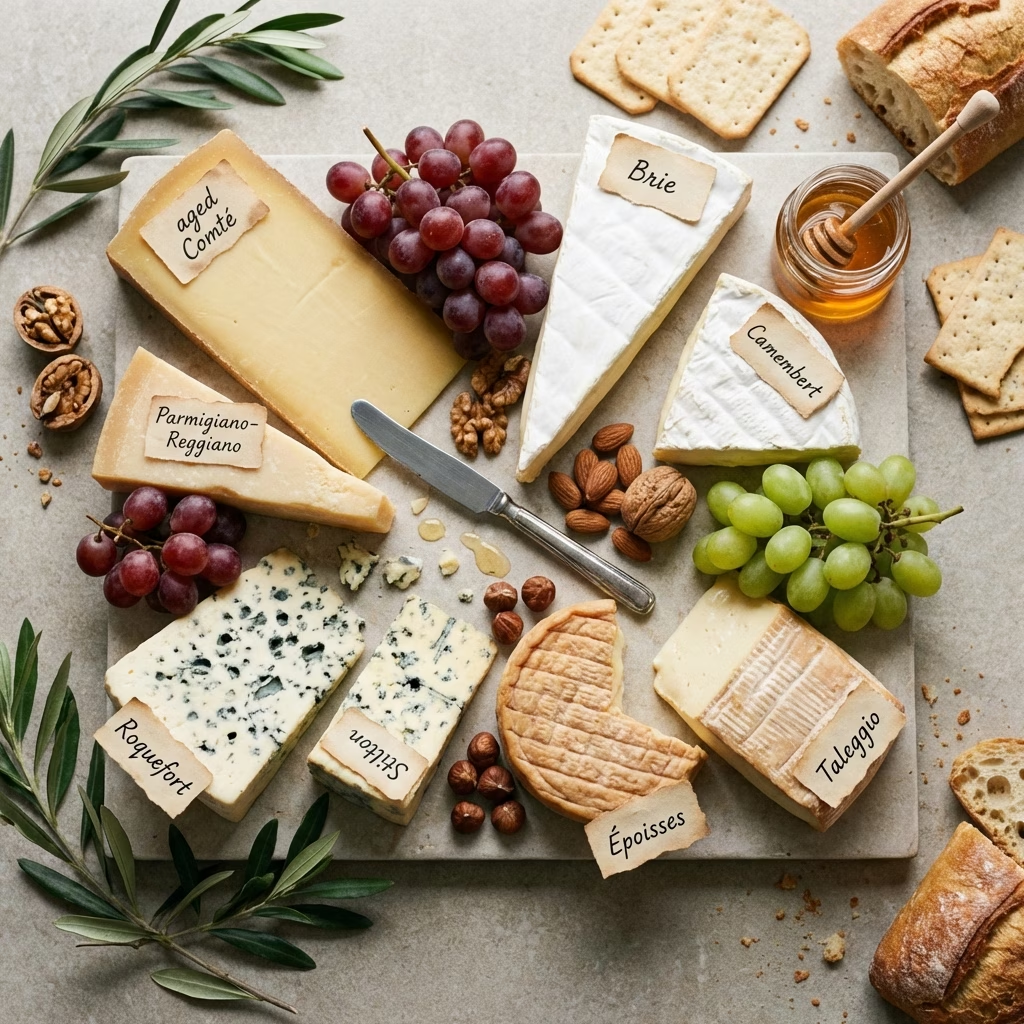
- Try Building a Cheese Board for another communal cheese experience
- Check Cheese Storage for keeping your fondue cheese fresh