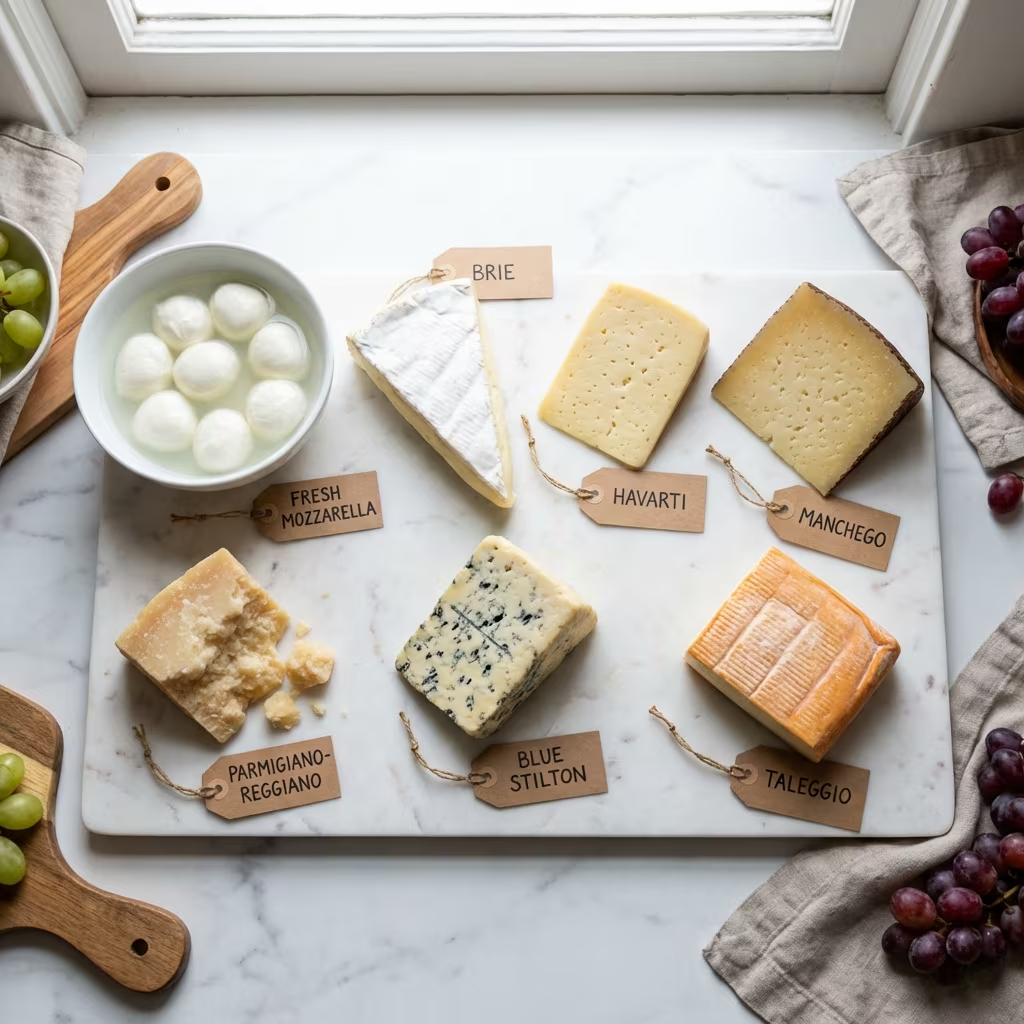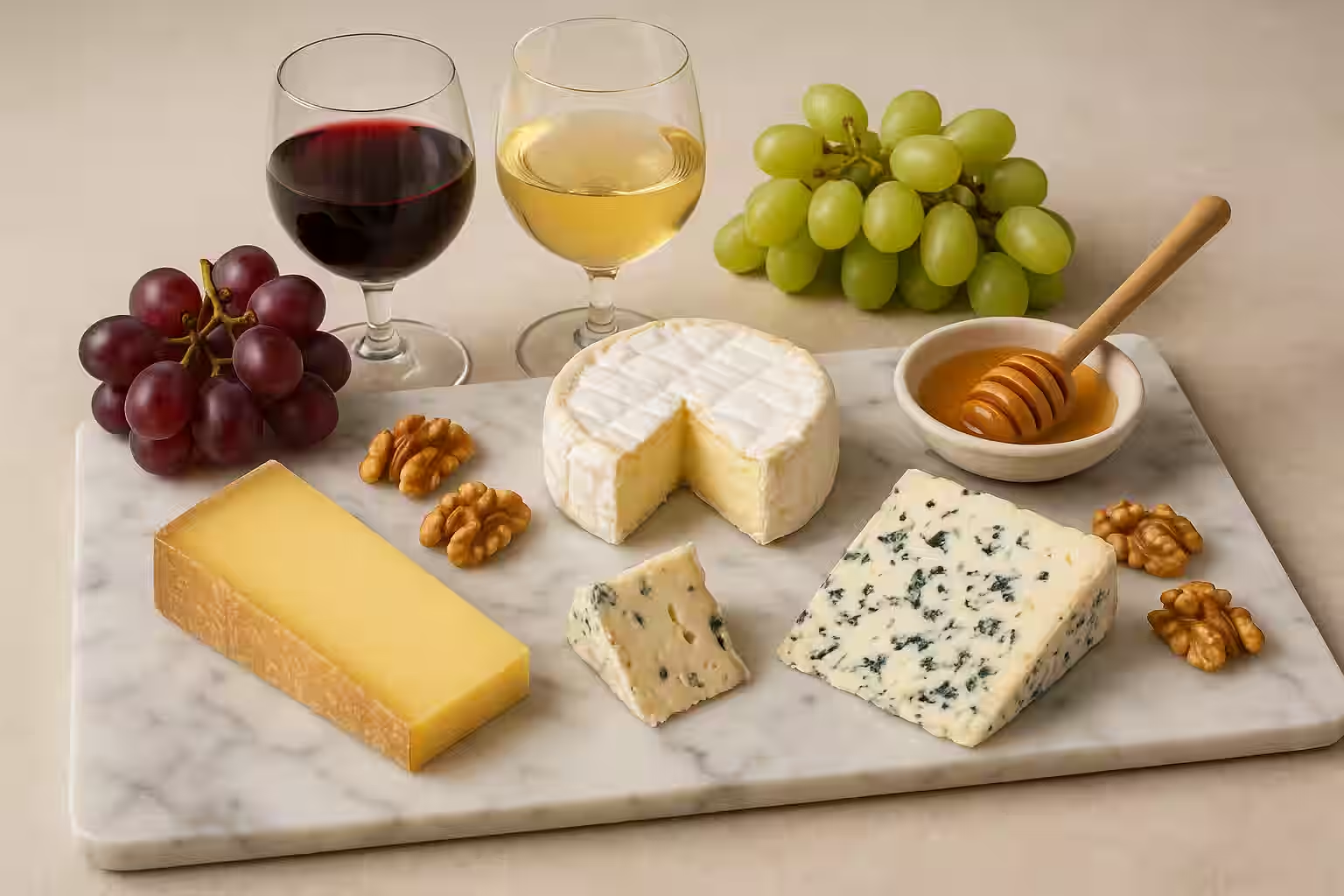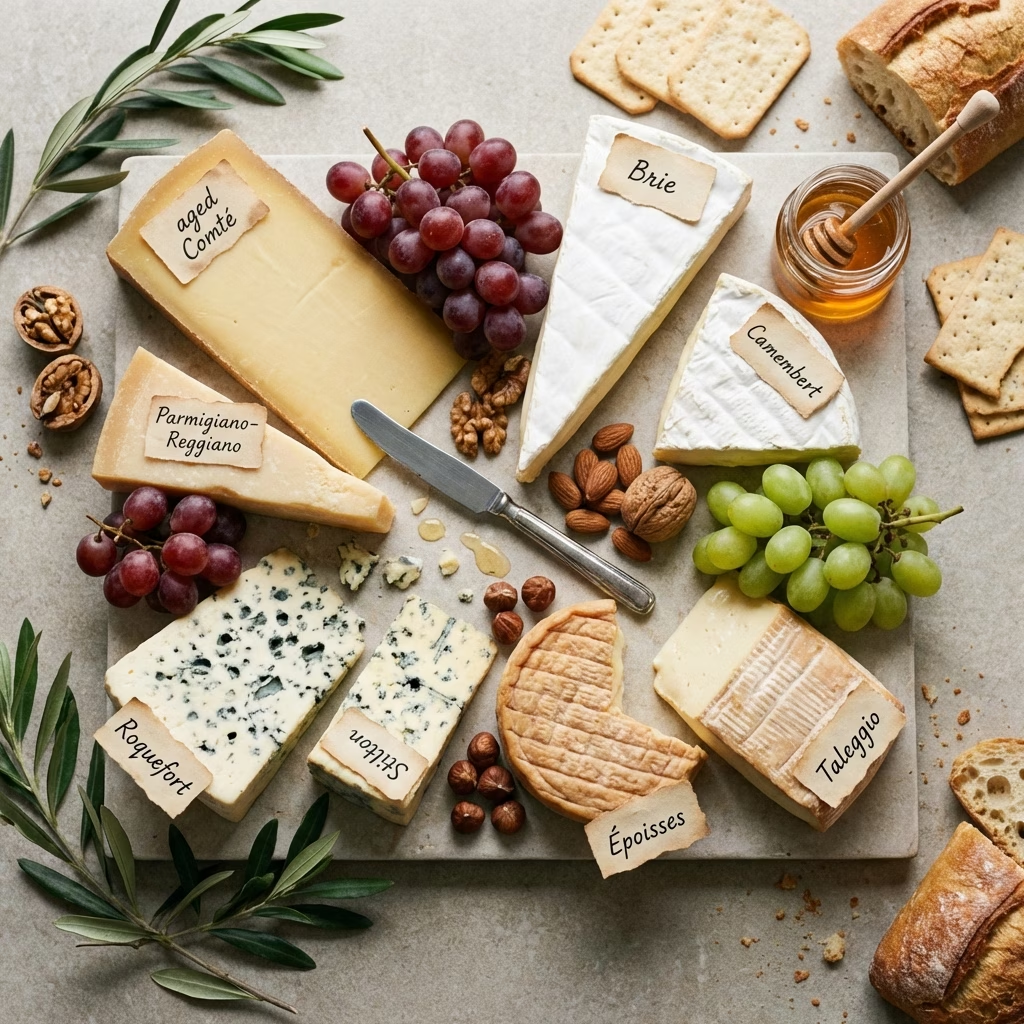
The first cheese board I made was too beautiful to eat.
I had seen photos—perfect crescents of brie, fan-sliced apples, rosemary like a tiny forest, little bowls of honey placed as if the board were a magazine cover. I wanted that feeling: effortless elegance, the sense that a normal evening could be upgraded by arrangement alone.
So I built a board that looked right.
And then nobody touched it.
Not because the cheese was bad, but because the board felt like decoration. People didn’t know where to start. They didn’t know what belonged together. They didn’t want to be the first person to mess up the picture.
That night taught me the best cheese-board lesson: a board’s job is not to be photographed. A board’s job is to disappear.
This guide is how to build the kind that disappears.
The calm concept: contrast, comfort, and permission
A great cheese board has three elements:
- Contrast so each bite feels like a choice.
- Comfort so the flavors feel generous rather than challenging.
- Permission so people start eating without asking.
Most boards fail on the third element. They look too precious.
So we’re going to build a board that reads as food.
What to buy: three cheeses is the sweet spot
For most first boards, buy three cheeses.
Three is enough variety to feel intentional, but not so many that the board becomes a museum.
Choose three personalities:
- Soft and friendly (creamy, mild, crowd-pleasing)
- Firm and nutty (satisfying, sliceable, “snackable”)
- Bold (blue, washed rind, or something with a decisive finish)
You don’t need the “right” names. You need the right roles.
If you want a visual cue while shopping: one cheese that spreads, one that slices cleanly, and one that crumbles or stands out.
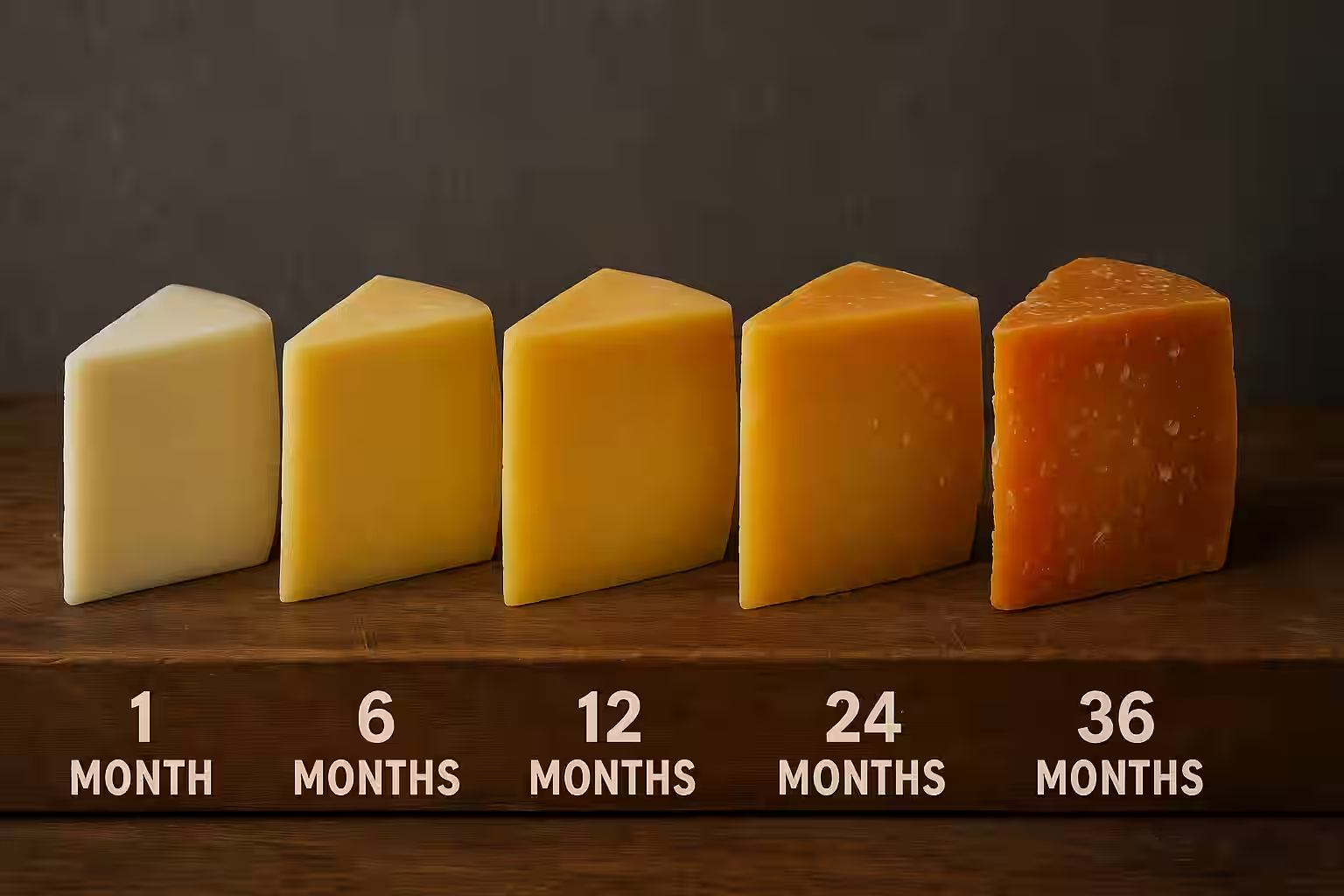
How much to buy (the rule that prevents stress)
For a board that’s a snack for 4–6 people, a practical amount is:
- 2–3 ounces per person total cheese
If the board is the main event, increase it.
Cheese boards often feel expensive because people buy too much of too many things. Three cheeses in sensible quantities is usually plenty.
The secret: temperature is half the flavor
Cheese straight from the fridge is shy.
Cold suppresses aroma and makes texture stiff. A soft cheese can feel chalky when it’s too cold. A firm cheese can taste dull.
The most important move you can make:
Let your cheeses sit out 30–60 minutes before serving.
Not in direct sun, not for an entire afternoon—just long enough for aroma and texture to wake up.
This one habit makes an average board feel like a good one.
What to put around the cheese (without getting fussy)
A cheese board needs three supporting roles:
- something crunchy (bread, crackers)
- something sweet or fruity (grapes, apple slices, dried fruit)
- something salty or toasty (nuts)
Optional:
- a small jam or honey
- pickles or olives for acid
Keep condiments small. They should be accents, not the main flavor.
How to cut and place cheese so people actually start
This is where boards become social.
People hesitate when they don’t know what the first move is.
Give them a first move.
- Pre-slice the firm cheese into a few pieces.
- Cut the soft cheese once so the inside is visible.
- Break off a small piece of the bold cheese and place it nearby, like a hint.
Then place a knife next to each cheese if you can. One knife total is the fastest way to create a line.
The board becomes inviting when it looks slightly “already begun.”
Pairing without overthinking: how to keep it friendly
The best boards don’t ask guests to have a correct opinion.
Instead, they offer combinations:
- soft cheese + bread + fruit
- firm cheese + nuts
- bold cheese + a tiny bit of honey
If you’re serving drinks, treat them as part of the board’s mood. The goal is harmony, not a pairing exam.
If you want a structured approach later, read The Art of a Cheese Plate and Wine Pairing.
The ending: the board that vanished
The next time I made a board, I built it like food. I cut the first slices. I left the cheeses imperfect. I put the crackers within reach and the fruit in a small pile that looked like it wanted to be eaten.
Within ten minutes, the board was half gone.
Nobody asked what to do. Nobody worried about ruining the picture.
That’s the win.
A cheese board is not a display. It’s a small engine for conversation: a reason to gather, to pause, to taste something slowly, to take one more bite.
If you want the practical shopping story that pairs best with this, read How to Buy Cheese Like a Regular.