A dessert cheese course is not a cheese board moved to the end of dinner. It is smaller, quieter, and more deliberate. After a meal, people rarely want a crowded platter with every style represented. They want one or two satisfying bites that make the table feel finished without forcing a heavy sweet dessert.
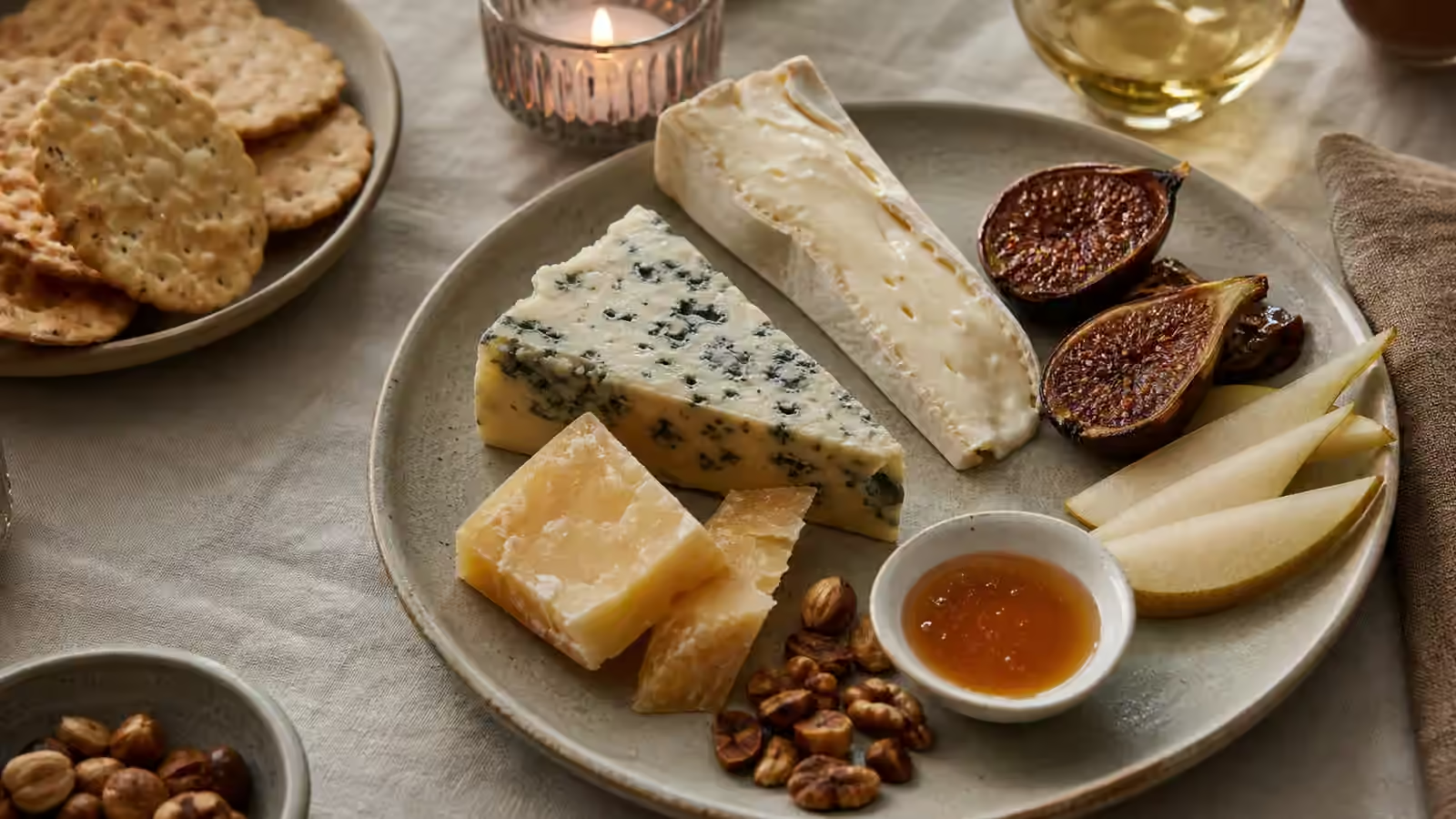
Cheese works at dessert because salt and fat make sweetness feel deeper. A sliver of blue cheese beside honey, a ripe triple-cream with pear, or an aged firm cheese with roasted figs can feel luxurious without being large. The secret is proportion. Dessert cheese should leave a clean memory, not a tired palate.
If The Art of the Cheese Plate is about building a full board, this guide is about restraint. The cheese is still the point, but the plate is edited for the end of a meal.
Serve Less Than You Think
At the start of a gathering, cheese invites grazing. At the end, it should invite attention. Smaller portions make that possible. A dessert course can be one cheese with a thoughtful partner, two cheeses with contrasting textures, or three very small tastes if you want a little progression. More than that often feels like the meal has started again.
Small portions also flatter strong cheese. Blue cheese becomes elegant when it is served as a modest wedge or crumble with sweetness nearby. A triple-cream becomes generous in a narrow slice. Aged firm cheese becomes more interesting in shards than in large blocks. The smaller cut lets the cheese stay intense without becoming work.
Temperature matters because dessert cheese is often served after plates have been cleared and conversation has slowed. Take the cheese out early enough that it is not refrigerator-cold, but do not leave soft cheeses so long that they slump or leak. Cheese Serving Temperature gives the broader timing habits, and those habits matter even more when the course is small. A cold bite at dessert feels especially flat.
Choose Cheese With a Clear Role
Blue cheese is the classic dessert cheese because salt loves sweetness. The pairing can be as simple as honey, dates, pears, figs, or a sweet wine if that fits the table. A blue with enough creaminess feels softer and more dessert-like than a dry, aggressive blue. If the blue is very sharp, serve less and give it a sweeter or fattier partner.
Triple-cream and bloomy-rind cheeses offer a different pleasure. They bring butter, mushroom, cream, and gentle earth. They work well with pear, apple, toasted nuts, honey, or a not-too-sweet jam. The cheese should be ripe enough to feel lush, not so ammoniated that it dominates the last course. Bloomy Rind Cheese helps with that ripeness judgment.
Aged firm cheese gives the course a savory finish. Aged Gouda-style cheese, alpine-style cheese, cheddar, Manchego-style wedges, and hard grating cheeses can all work when cut thinly or broken into small pieces. They pair with dried fruit, nuts, honey, caramelized fruit, or a square of plain dark chocolate if the cheese is not too salty. The role is depth rather than creaminess.
Sweet Partners Should Not Bury the Cheese
Honey, jam, fruit, and chocolate can make cheese feel like dessert, but they can also hide it. The best sweet partner leaves the cheese recognizable. A drizzle of honey is different from a pool. A thin slice of pear is different from a mound of fruit salad. A roasted fig is different from a sugary compote that tastes the same with every cheese.
Fresh fruit brings water and acidity. Pears, apples, grapes, berries, and figs can all work, but the best choice depends on the cheese. Pear softens blue cheese. Apple sharpens aged cheddar. Figs echo the dense sweetness of aged cheeses. Citrus can be too sharp for some bloomy rinds but useful with fresh goat cheese.
Dried fruit is stronger because its sugar is concentrated. Dates, apricots, figs, and raisins can be excellent in tiny amounts, especially with salty or aged cheeses. They can also make mild cheese taste dull. Use dried fruit where the cheese needs sweetness, not as automatic decoration.
Texture Keeps the Course Awake
Dessert cheese can become too soft if every element is creamy and sweet. Add crunch carefully. Toasted nuts, crisp crackers, thin bread, brittle toasts, or a simple cookie can keep the plate from feeling heavy. The crunch should be plain enough that the cheese remains central.
Nuts are especially useful because they echo many cheese flavors. Walnuts can meet blue cheese and aged firm cheeses. Hazelnuts can make alpine-style cheeses taste warmer. Almonds can work with fresh or bloomy cheeses. Keep the nuts fresh and lightly toasted if possible. Stale nuts are one of the easiest ways to make a good cheese plate taste tired.
Bread and crackers should be modest. Strongly seasoned crackers can fight dessert pairings. Very sweet cookies can make the cheese taste salty in a harsh way. A plain crisp base is usually better than a clever one.
The plate itself can be plain. A small white plate, a wooden board, or a few individual saucers all work if the portions are easy to understand. Dessert cheese loses charm when guests have to carve awkward wedges after a full meal. Pre-cut a few clean pieces, leave the rest nearby if seconds make sense, and let the course feel calm.
Drinks Are Optional, Not Required
A dessert cheese course does not need a special drink, but the right one can help. Sweet wines, port-style wines, cider, stout, black tea, and coffee can all work with the right cheese. The same pairing principles in Cheese Pairing Beyond Wine apply at the end of the meal. Salt likes sweetness. Fat likes lift. Aroma likes an echo.
Non-alcoholic options can be just as useful. Strong black tea with honey can meet blue cheese. Sparkling water with citrus can refresh a creamy cheese. Coffee can work with aged firm cheeses, especially when the plate includes nuts or figs. The drink should support the final bites, not turn the course into a tasting exercise.
Dessert cheese is successful when it feels complete and unforced. A small piece of cheese, one sweet partner, one crisp element, and enough warmth to let aroma rise can be all the course needs. The table does not need abundance at the end. It needs a last bite that makes sense.