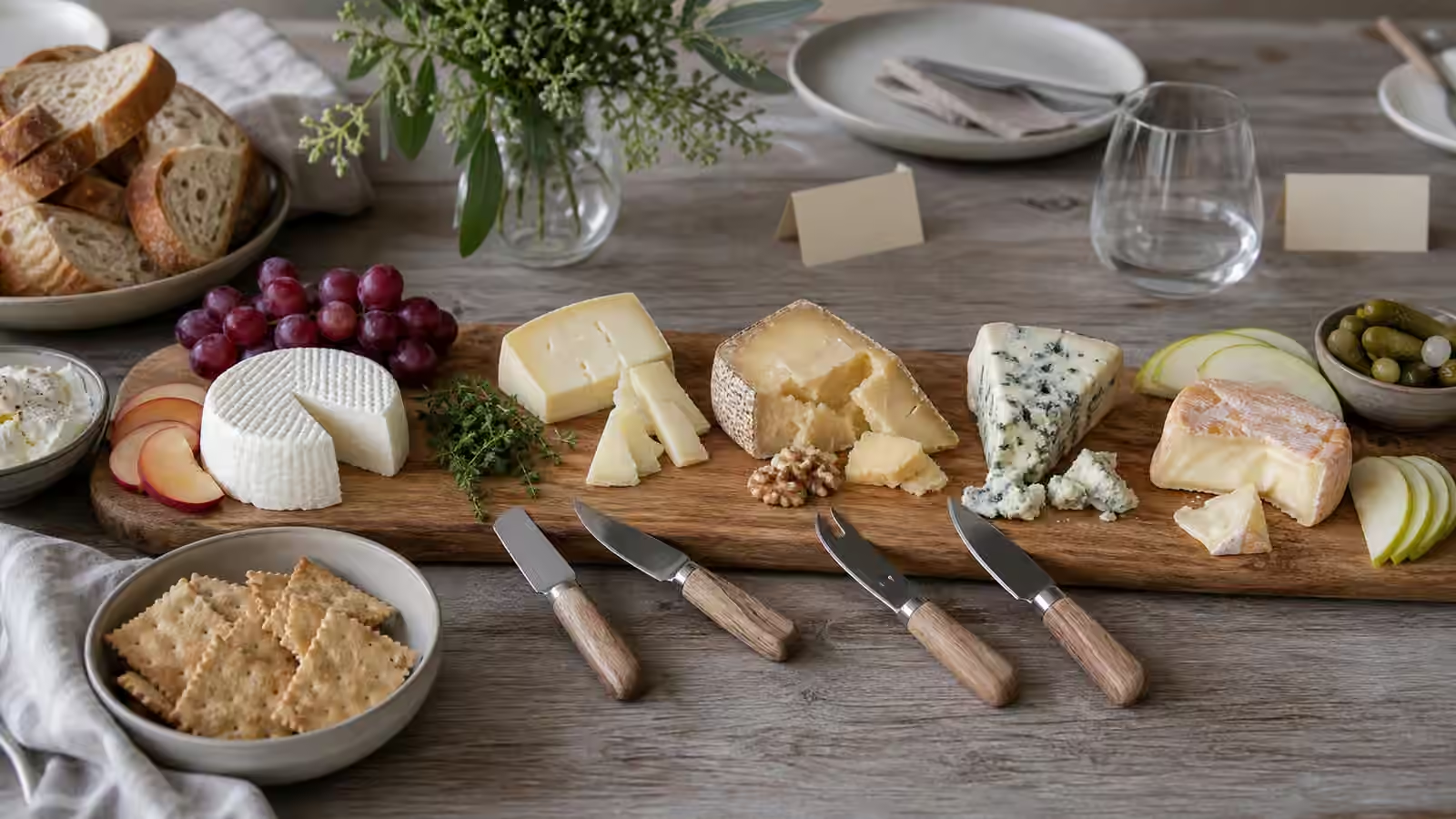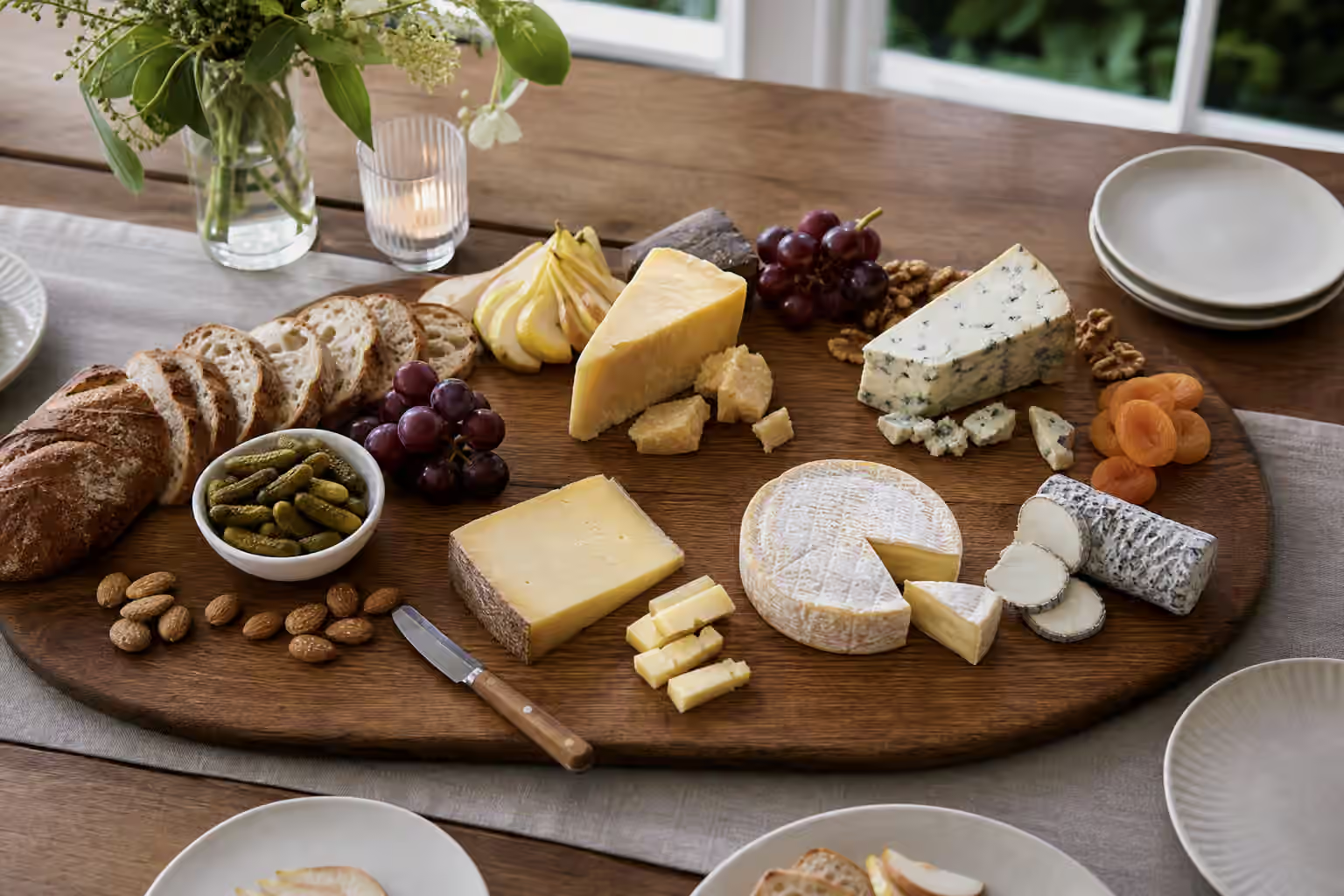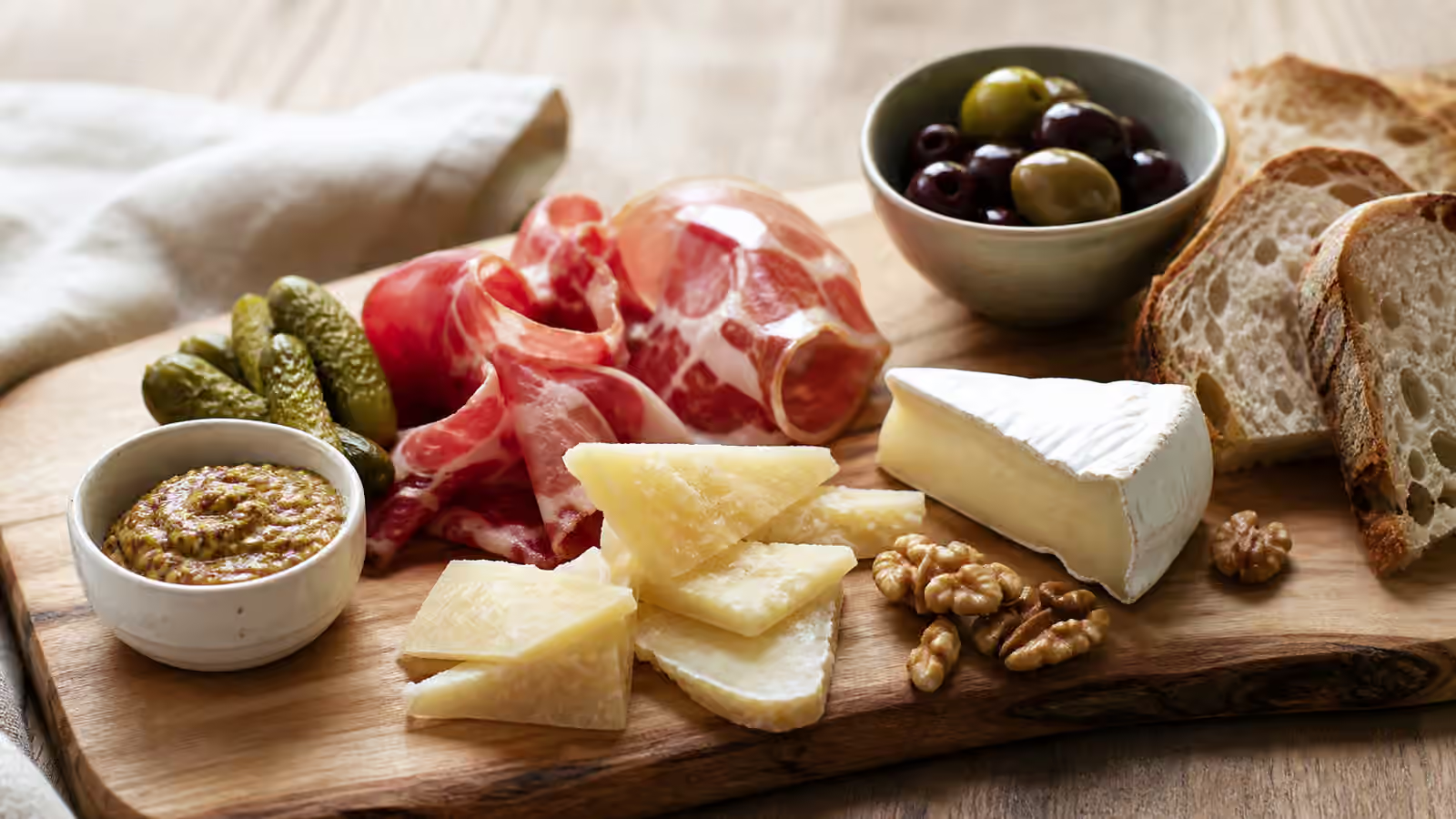
Cheese and cured meat seem made for the same board because both are concentrated foods. They bring salt, fat, aging, and savory depth in small pieces. That shared intensity is the pleasure, but it is also the trap. A board can become rich in one direction: salty cheese, salty meat, dense bread, oily nuts, and no clean bite to reset the mouth. The result looks abundant and tastes tiring.
The best cheese and cured meat boards are not built by piling more special things together. They are built by controlling intensity. A mild cheese can let a bold salami speak. A bright goat cheese can cut through fatty ham. A nutty aged cheese can echo cured pork without needing much volume. Pickles, mustard, fruit, bread, and bitter greens are not decoration. They are the brakes and steering.
This guide extends The Art of the Cheese Plate and Cheese Accompaniments . The board is still about cheese, but cured meat changes the salt and fat math.
Start With Intensity, Not Quantity
A board with cheese and cured meat needs fewer varieties than people expect. Two cheeses and one meat can be enough if they are chosen well. Three cheeses and two meats can feel generous. Beyond that, the board often becomes a tasting traffic jam unless the portions are small and the contrasts are clear.
Intensity should move across the board. A mild semi-soft cheese with prosciutto-style ham feels different from aged cheddar with dry salami or blue cheese with cured beef. If every cheese is aged, salty, or pungent, the meat has nowhere to go. If every meat is smoky, spicy, or heavily seasoned, delicate cheeses disappear. Pair one loud element with one quieter element and the board becomes easier to read.
Portioning helps. Cured meats are usually thin and high-impact. Cheese can be cut larger, but it should still be portioned so one bite does not become a block of salt and fat. Cheese Party Portion Planning is useful because a mixed board changes appetite. People may eat less cheese when meat is present, but they still need enough bread, fruit, and acid to make the board feel complete.
Mild Cheeses Give Meat Room
Mild cheeses are not a compromise on a cured meat board. They are often the reason the meat tastes good. Young Gouda, Havarti, Fontina-style cheese, mild cheddar, young tomme, fresh mozzarella, ricotta, and gentle bloomy rinds can soften salt and let the meat provide the stronger savory note. This is especially useful with spicy salami, smoked meats, or peppery cured sausage.
Fresh cheeses bring moisture and contrast. Fresh goat cheese can make a slice of cured meat feel less heavy because tang interrupts fat. Ricotta can make a crostini with cured meat feel softer and less salty. Mozzarella can be excellent with cured ham, tomatoes, herbs, and olive oil because it gives the meat a milky landing.
The danger is blandness. A mild cheese still needs condition, temperature, and support. If it is fridge-cold and underseasoned, the meat will dominate completely. Let mild cheeses warm enough to taste like dairy, then pair them with something bright: pickled vegetables, mustard, tomatoes, melon, apples, pears, or dressed greens.
Aged Cheeses Echo Savory Depth
Aged firm cheeses can be beautiful with cured meats because they share nutty, brothy, caramel, or roasted notes. Aged Gouda with dry salami, Manchego-style cheese with cured pork, alpine-style cheese with ham, and aged cheddar with smoky or peppery meat can all feel natural. The echo is the point. The cheese and meat seem to speak the same language.
Echo needs restraint. Aged cheese is salty and concentrated. Cured meat is salty and concentrated. Together they can become blunt unless the cut is thoughtful. Shards or thin slices of aged cheese usually work better than thick cubes. Thin pieces release flavor quickly and let the eater reach for bread, fruit, or pickle before the bite becomes too dense.
Aged Firm Cheese explains how moisture loss concentrates flavor. On a board with cured meat, that concentration should be treated as a seasoning. A small, excellent piece can do more than a large pile. If the board seems ungenerous, add bread or fruit before adding more aged cheese.
Rinds Change the Aroma of the Board
Bloomy rinds, washed rinds, natural rinds, and blues bring aroma that can either complement cured meat or crowd it. A bloomy rind can add cream and mushroom to delicate ham. A washed rind can make a board feel savory and dramatic beside potatoes, pickles, and dark bread. A natural-rind tomme can bring cellar, nuts, and earth that work with rustic meats. Blue cheese can be excellent in tiny amounts with sweet fruit and cured meat, but it can also dominate everything nearby.
Rind aroma travels. If a cheese is strong, place it with intention rather than letting it touch every mild item. Give it a knife or a defined corner. Pair it with acid or sweetness so it does not become only funk and salt. Cheese Rinds is a useful companion because rind decisions become more visible when meat adds its own cured aromas.
Temperature matters. A washed rind that is pleasant when cool can become much louder as it warms. A bloomy rind that is perfect for dinner may be too soft for a long party board. Choose ripeness for the serving window, not for a fantasy version of the cheese.
Acid Is Not Optional
Pickles, mustard, olives, vinegar-dressed greens, citrusy fruit, tomatoes, apples, pears, and sharp chutneys keep cheese and cured meat from collapsing into richness. Acid cuts fat and makes salt feel sharper but cleaner. Without acid, the board may taste impressive for two bites and heavy after five.
Mustard is one of the most useful tools because it brings acid, heat, and bitterness in a tiny amount. It is especially good with aged cheeses and cured meats that share roasted or smoky notes. Pickles and olives work differently. They reset the mouth and make the next piece of cheese taste fresh again. Fruit brings water and sweetness, which can soften both salt and rind aroma.
Bread should be plain enough to help. Dense seeded bread can be excellent, but heavily flavored crackers may add more salt and seasoning to a board that already has plenty. Use bread as a platform and a pause. Let the cheese and meat carry the main flavor.
Build Small Bites Instead of a Crowded Board
One way to test a board is to build a few bites before guests arrive. A slice of cured meat with mild cheese and pickle. A shard of aged cheese with salami and apple. A bloomy rind with ham and mustard on bread. If those bites make sense, the board will likely work. If every test bite feels salty, add acid or reduce the strongest elements.
This approach also helps with sandwiches and small plates. Cheese and cured meat in a sandwich need moisture control and clean cuts. Aged cheese should be shaved. Mild cheese should cover evenly. Strong cheese should be used sparingly. Pickles, greens, mustard, tomatoes, or fruit may matter more than another slice of meat.
A good cheese and cured meat board has rhythm. Rich bite, crisp bite, salty bite, fresh bite, mild bite, sharp bite. It should invite people back without making them thirsty for relief after every piece. When cheese and cured meat are balanced by acid, bread, fruit, and restraint, they become more than a pile of expensive salt. They become a table that knows how to pace itself.