You can tell a good cheese shop before you taste anything. It smells like buttered toast and cold stone. The counter is full of wheels and wedges, each with a label that seems to assume you already know the script. Most people walk in with pretend confidence or an apology ready to go. Neither is needed. Buying cheese is just shopping. The point is to bring home something that makes an ordinary night better.
The first thing to notice is that the best cheese is alive in a small way. It changes. It softens, blooms, sharpens, relaxes. That is why the same cheese can taste different from week to week, and why you do not need a perfect plan. You need a simple direction. Tonight, you want cheese for people who are hungry, not people who are grading. You want a board that disappears because everyone keeps taking one more bite.
So you do what experienced buyers do. Start with a shape, not a name. A small board is easiest when it has three personalities. One cheese should be friendly and buttery, one should be interesting, and one should be bold. Not extreme, just decisive. That might mean a young creamy cow’s milk cheese, a firm alpine-style wedge, and a blue that makes fruit taste louder. You do not need those exact types. You just need contrast.
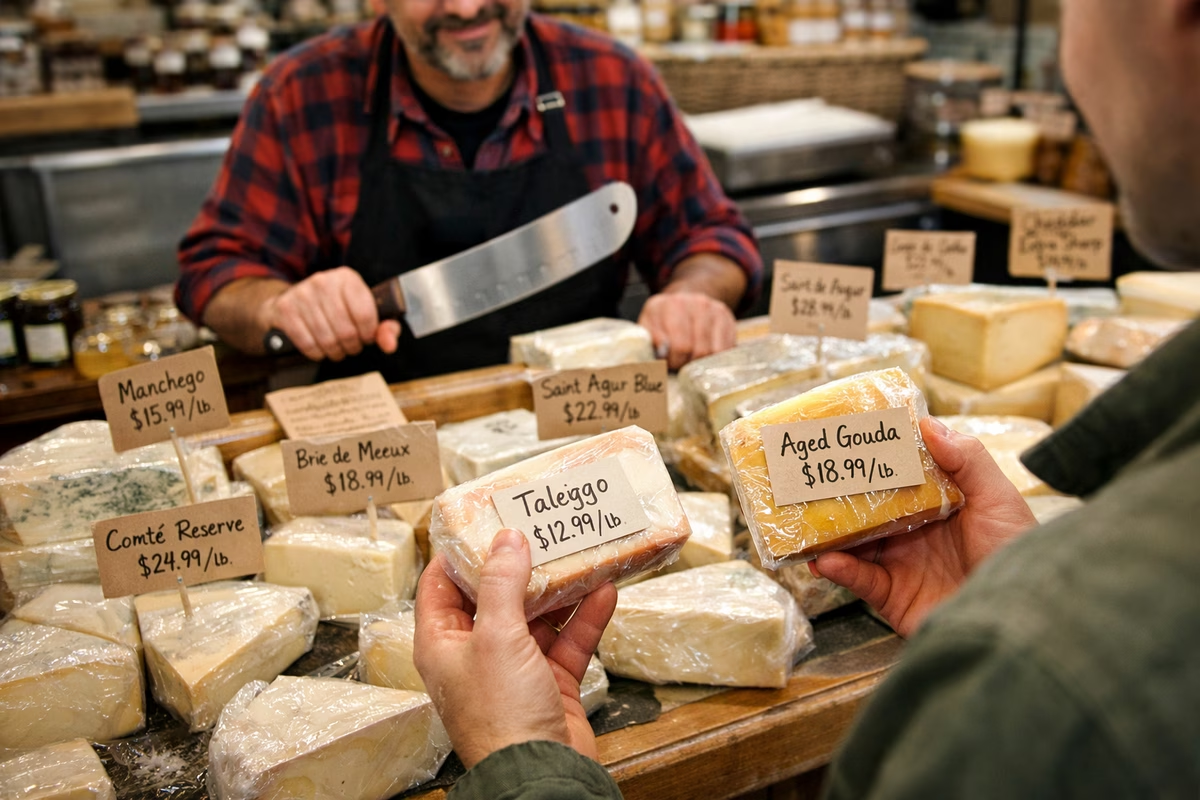
When you talk to the person behind the counter, the most useful sentence is not, “What’s your best cheese?” That makes the whole thing into a performance. Say this instead. “I want three cheeses. One easy, one medium, one adventurous. Nothing too funky. I am serving it with bread and fruit.” Now you have given them a job. The good ones will help because they like building small, coherent sets. They will ask what you like and how you plan to serve it. That is how you get cheese that fits your night.
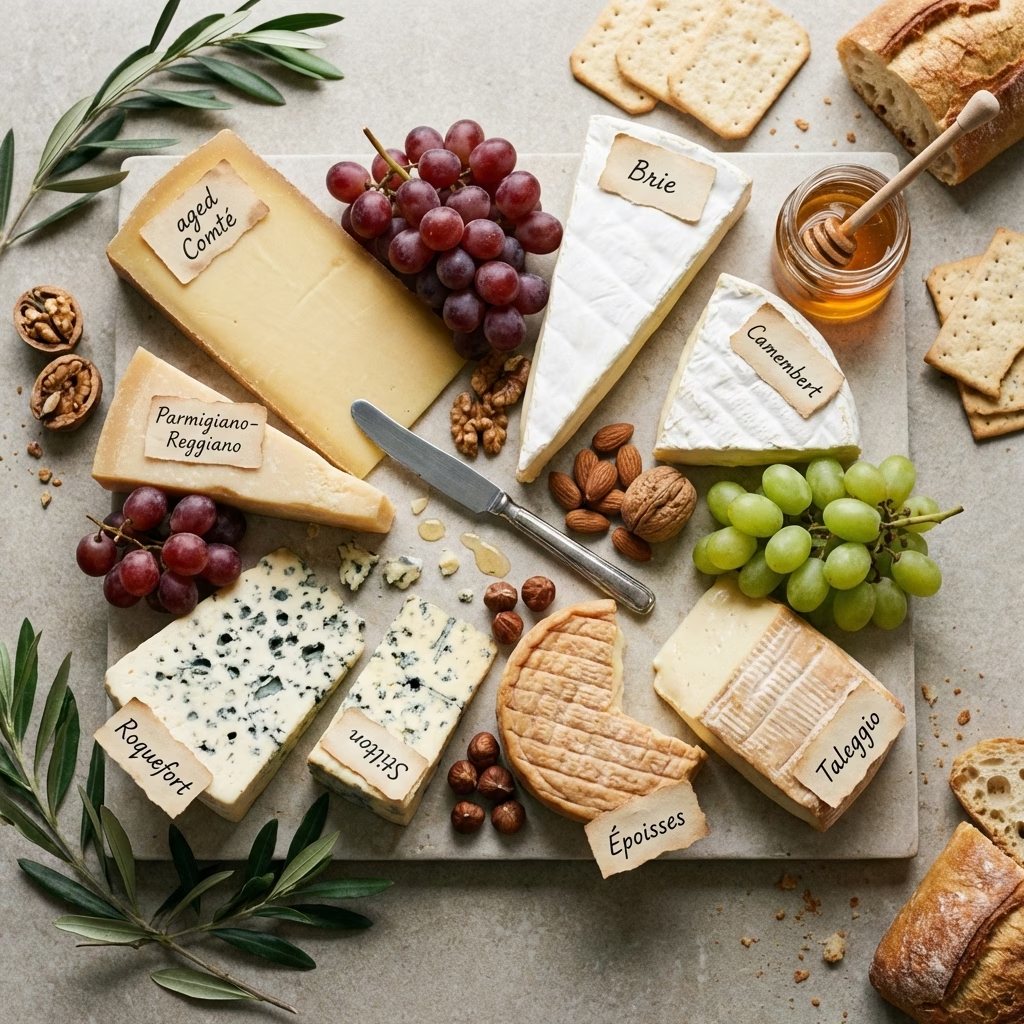
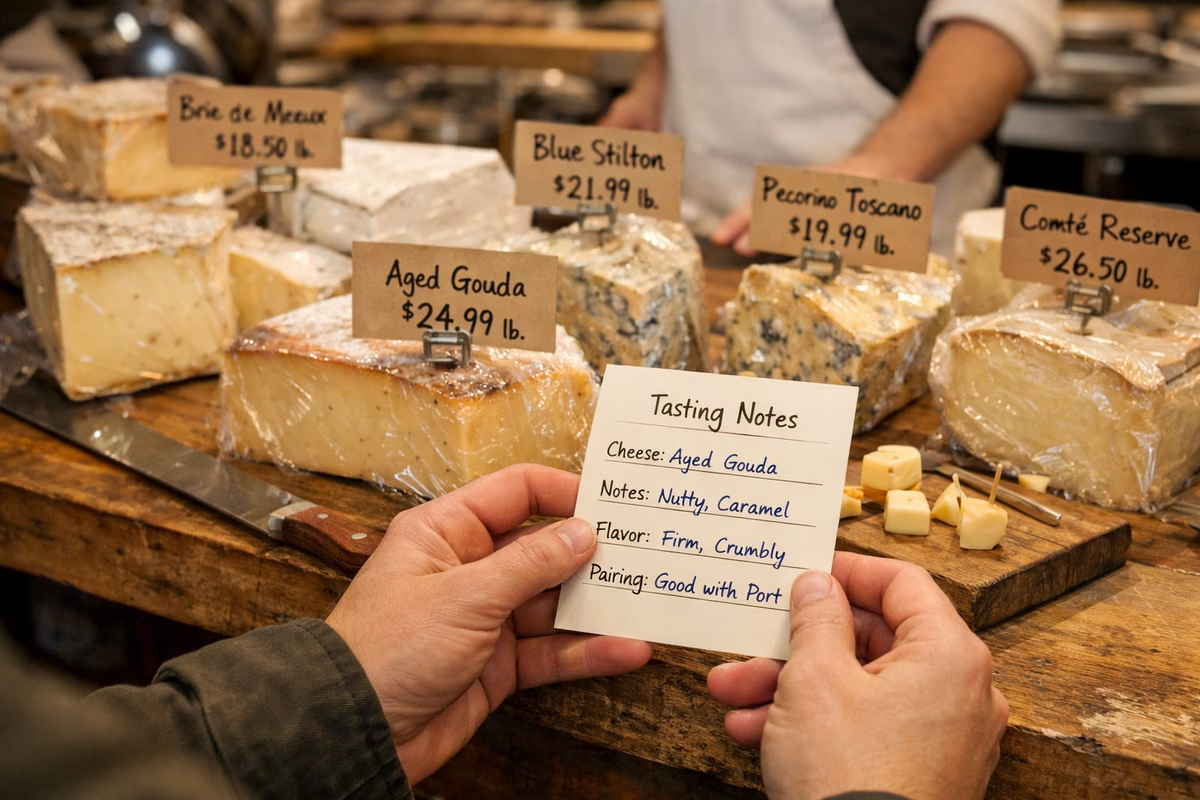
A few minutes later, you are tasting. The tiny samples teach you your own preferences quickly. Some cheeses announce themselves right away. Salt, cream, a pleasant tang. Others are slower and finish with sweetness or savory depth. Pay attention to the finish. The start of a bite can be similar across cheeses. The finish is where the cheese shows what it is. If a cheese makes you want another sample without thinking, that is your answer. Desire is the main criterion.
Texture matters as much as flavor and often more. A soft-ripened cheese can be runny at the edge and chalky in the middle if it is young. A firm cheese can fracture like parmesan or slice cleanly like cheddar. Blue can be creamy or crumbly. You do not need the vocabulary. You just need to notice what kind of eating experience you want. A board with one creamy cheese feels rich. A board with only creamy cheeses can feel flat. That is why contrast matters. It keeps people eating.
You leave with three modest wedges wrapped like gifts. On the walk home, you learn the most practical cheese lesson. Temperature changes everything. Most cheese tastes muted straight from the fridge, the way tomatoes do when they are cold. If you want the board to taste like the sample did at the counter, let the cheese sit out before serving. Not for hours in the sun, just long enough to soften and smell like itself. The cheese does not become unsafe by being warm for a bit. It becomes expressive.
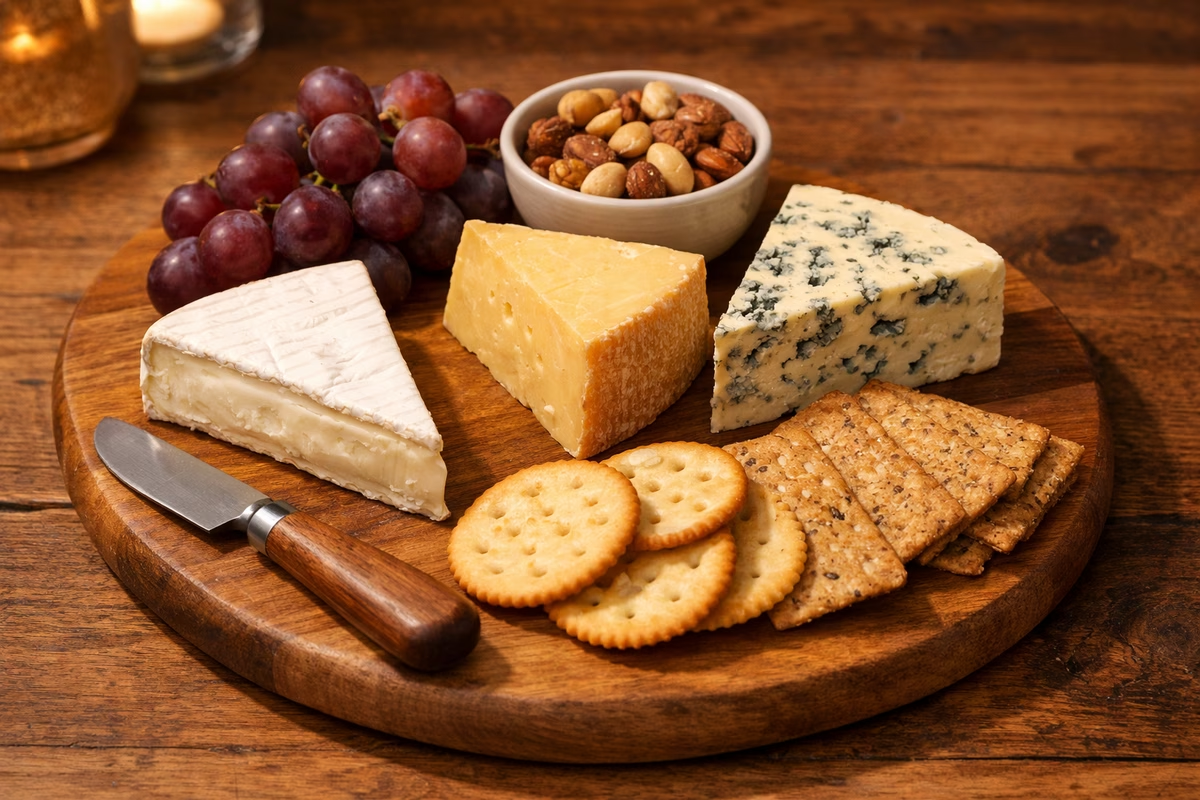
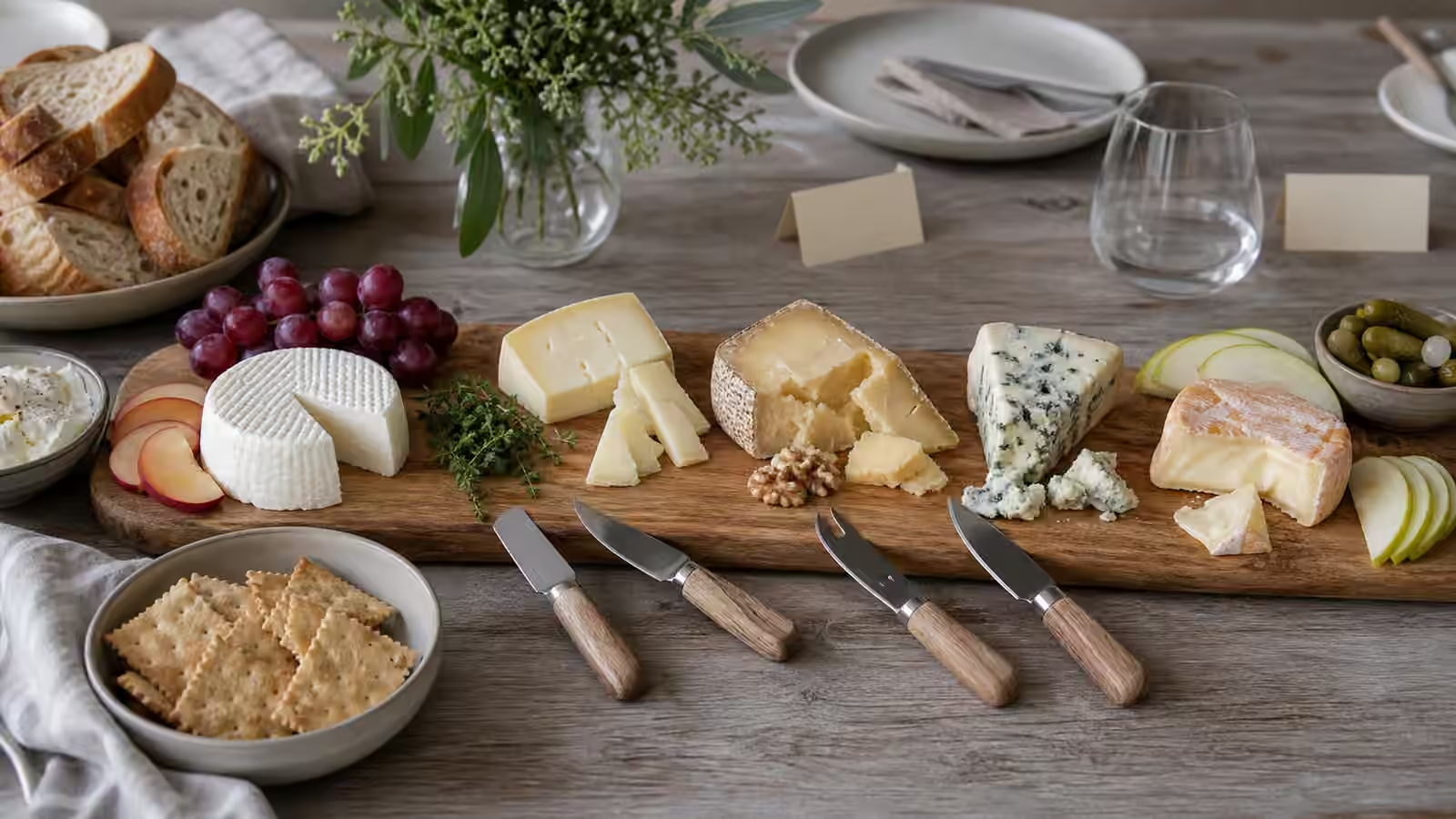
When you build the board, keep it simple enough that it feels like food, not decor. Put the cheeses down first, spaced so you can cut them without crowding. Add bread and something crisp for texture. Add fruit because it works. Sweetness makes salt taste rounder, and acid makes fat feel lighter. A handful of nuts turns the board into a better snack. If you add jam, use it like a condiment, not a flood. You want it to lift the cheese, not erase it.
The best part is what happens five minutes after you start eating. The cheeses warm, the aromas rise, and people start making their own combinations. A smear of soft cheese on bread. A bite of firm cheese with apple. A little blue with honey if you have it. Nobody needs a speech. The board teaches itself.
And that is the secret advantage of buying cheese this way. You do not leave with the famous cheese you are supposed to like. You leave with a small set chosen for an actual night, with an actual mood, for actual mouths. Over time, you will learn what you reach for. Bright and tangy. Nutty and sweet. Grassy and herbal. But you learn it the enjoyable way. By eating.
If you want a deeper map after your first few trips, read Cheese Types and How to Buy Cheese .
Let the cheese tell the story
Cheese rewards slow looking. For How to Buy Cheese Like a Regular (Not a Snob), the useful practice is to notice milk, rind, texture, age, aroma, temperature, and pairing before reaching for a rule. A wedge is a small record of animals, microbes, salt, moisture, time, and care.
Start at serving temperature and texture. Cold cheese can hide aroma and firmness can change as it warms. Notice whether the paste is dense, elastic, crumbly, fudgy, runny, crystalline, or chalky. Those clues often explain flavor before a label does.
Then taste with contrast. Bread, fruit, nuts, honey, pickles, wine, beer, tea, or nothing at all can reveal different parts of the cheese. Pairing is not about showing off. It is about finding balance.
Storage and handling matter too. Wrap, humidity, air, time, and rind condition can decide whether a good cheese opens beautifully or fades in the refrigerator.
How to Buy Cheese Like a Regular (Not a Snob) should make the counter feel less intimidating and more generous: observe, taste, ask good questions, and buy only what you can enjoy while it is at its best.