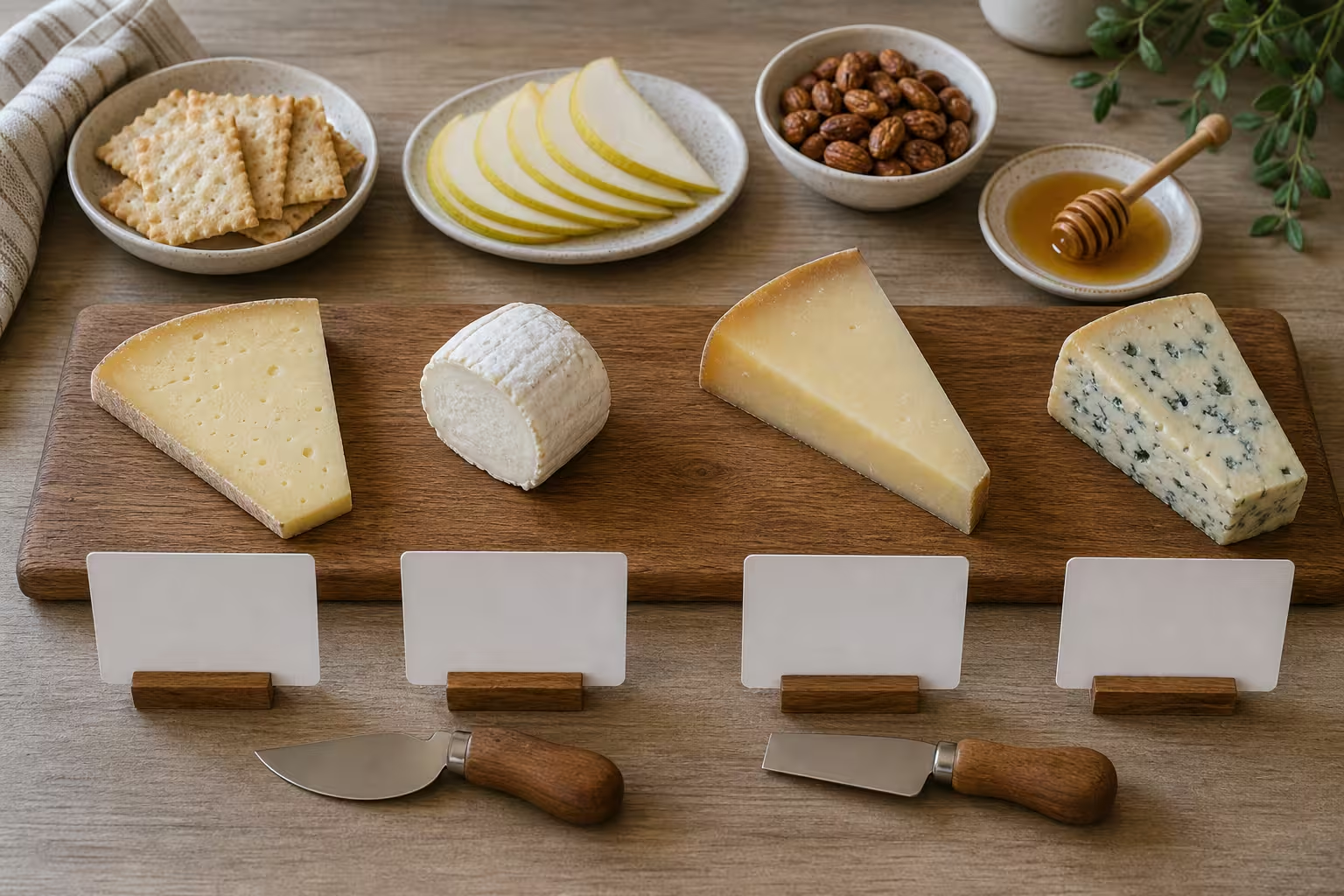
Cold cheese tells only part of the truth. The fat is firm, the aroma is quiet, the salt feels sharper than it should, and the texture can seem waxy even when the cheese itself is beautifully made. Warm cheese can tell too much. A bloomy rind may slump before anyone cuts it. A washed rind may perfume the whole room. A fresh cheese may lose the clean edge that made it appealing in the first place.
Good serving temperature lives between those two mistakes. The goal is not to make every cheese room-temperature in a careless way. The goal is to let each style relax just enough that aroma returns, texture becomes legible, and the cheese tastes like the version you meant to buy.
This is the quiet companion to How to Cut and Serve Cheese and Cheese Board for Learning . Cutting decides how each piece reaches the mouth. Temperature decides what that piece can say once it gets there.
The Fridge Makes Cheese Honest but Muted
Refrigeration protects cheese, but it is not where most cheese tastes best. Cold fat carries less aroma. A firm paste resists the tongue. A rind that would smell mushroomy, nutty, or savory at a gentler temperature may seem flat or papery when it comes straight from the drawer. This is why a cheese can taste disappointing in the first minute and much better half an hour later without changing in any other way.
The effect is easiest to notice with firm aged cheeses. Take a thin slice of cheddar, Gouda, Comte, or Manchego directly from the refrigerator and taste it. The salt usually arrives first. The texture may feel tight. The finish may seem shorter than expected. Let another slice sit on a plate until it no longer feels cold to the touch, then taste again. The same cheese often becomes more rounded. Nut, broth, caramel, grass, fruit, or browned-butter notes have a chance to show because the fat can carry them.
Soft cheeses change even more dramatically. A bloomy-rind wedge can feel chalky at the center when cold, which may make it seem underripe. Sometimes it is underripe, but sometimes it is simply cold. As the paste warms, the cream line near the rind softens, the center relaxes, and the rind smells less like a wrapper and more like part of the cheese. Temperature cannot make an immature cheese mature, but it can reveal what maturity is already there.
Style Matters More Than a Single Rule
Many guides say to bring cheese out thirty to sixty minutes before serving. That is a useful starting point, not a law. A small piece warms faster than a large wedge. Thin slices warm faster than a whole block. A warm kitchen changes the timeline. A chilled stone board slows it down. The cheese itself also matters.
Fresh cheeses need less time. Ricotta, burrata, fresh mozzarella, young chevre, fromage blanc, and feta are close to milk in both flavor and structure. Their charm is often freshness, moisture, and clean acidity. If they sit out too long, they can become loose, sweaty, or dull. Ten to twenty minutes is often enough for many fresh cheeses, especially if the room is warm. The point is to remove the refrigerator chill, not to push the cheese into softness for its own sake.
Bloomy rinds need attention rather than neglect. Brie-style cheeses, Camembert, and triple-creams usually benefit from a longer rest than fresh cheese because their fat and rind aromas need time to open. A modest wedge may need twenty to forty minutes. A larger or firmer piece may need closer to an hour. Very ripe pieces need less because they are already near collapse. Watch the paste at the cut face. When it looks glossy and gives gently without running across the board, it is ready to serve.
Washed rinds are similar but louder. They can taste wonderfully savory when cool room temperature lets their paste soften, but they can become aggressive if left warm too long. The surface aroma expands before the paste fully relaxes, so use your nose. If the cheese smells rounded, meaty, yeasty, or brothy, it is probably opening well. If it turns sharp, hot, or distracting, serve smaller pieces and give it more bread or acid. Washed-Rind Cheese goes deeper on that style, but temperature is one of the main reasons the same cheese can seem either welcoming or difficult.
Firm and hard cheeses are forgiving. Aged cheddar, alpine cheeses, firm sheep milk cheeses, aged Gouda, and Parmesan-style wedges can sit out longer because they hold structure. They still should not dry on the table all day, but they rarely collapse in the way a ripe soft cheese can. Thin cuts, shards, and shavings make them ready faster, which is useful when guests arrive before you planned.
Use Touch, Smell, and Shape
The clock is less reliable than the cheese. Touch tells you whether the paste has relaxed. A semi-soft cheese should yield slightly under the knife rather than resist like cold butter. A bloomy rind should give near the edge without feeling liquid under the rind. A hard cheese should not feel warm and greasy, but it should no longer feel refrigerator-cold.
Smell tells you whether aroma has returned. A cold wedge may smell like almost nothing. As it warms, it should smell more like itself: milk, cream, nuts, mushrooms, grass, cellar, fruit, broth, or rind. Stronger does not always mean better. A soft cheese that moves from gentle mushroom to harsh ammonia is not improving. It is passing the point where most guests will enjoy it. The condition clues in Cheese Ripeness and Condition matter because temperature can reveal flaws as well as beauty.
Shape tells you when to act. If a bloomy wedge starts spreading into the board, cut and serve it now. If a soft blue begins to smear into its neighbor, move it to a small plate. If fresh mozzarella releases too much liquid, spoon away the extra and serve it with bread or tomatoes. Temperature is not a ceremony where the host waits for a perfect number of minutes. It is a set of small corrections.
Cut Size Changes the Timeline
Cutting is a temperature tool. Whole wedges warm slowly because the interior is protected. Thin slices warm quickly because more surface touches the air. Shards of aged cheese can become expressive in minutes. A thick block of the same cheese may still taste cold in the center after half an hour.
Use this to your advantage. If the cheese is still too cold and guests are already eating, cut a few starter pieces from the firm cheeses first. They will warm quickly and give people a place to begin. Leave a very ripe soft cheese mostly intact until the last useful moment, then cut it when the paste feels ready. This keeps it from collapsing before the board is underway.
The reverse is also true. If the room is warm, keep soft cheeses in larger pieces and cut as needed. If you slice a ripe triple-cream too early, every piece has enough surface area to soften fast. A board can go from elegant to messy because the cheese was not only warm, but cut too eagerly.
Temperature Changes Pairings
Pairings taste different when cheese warms. A cold blue cheese can seem mostly salty, so honey or pear may feel necessary just to make it pleasant. Once the blue relaxes, its cream and pepper become more visible, and the same honey may seem sweeter. A cold alpine cheese can taste blunt beside nuts, while a warmer shard may echo hazelnut or broth so clearly that the nut pairing suddenly makes sense.
This is why plain first bites matter. Taste the cheese before adding jam, fruit, mustard, or bread. Then taste it again after it warms. If the pairing was chosen to fix coldness, it may become too heavy once the cheese opens. Cheese Accompaniments is most useful when the cheese itself is at a fair temperature.
Temperature also affects drinks. Very cold cheese can make wine taste sharper and beer taste more bitter because the fat is not soft enough to buffer the drink. A warmer piece usually meets acidity and bubbles more gracefully. That does not mean cheese should be hot or sweaty. It means a cheese board should be served at a temperature where fat, salt, and aroma are actually available.
The Practical Serving Habit
A good routine is simple. Store cheese carefully, take it out with enough lead time for the style, cut some pieces to help the firm cheeses open, protect the softest pieces until closer to serving, and keep watching. Put fresh cheeses out late. Put firm cheeses out earlier. Give bloomy and washed rinds attention instead of a fixed schedule.
If you are serving several cheeses, do not force them onto one timeline. A firm aged wedge can sit on the board while a ripe soft cheese waits in its wrap for another twenty minutes. A fresh cheese can stay cool until the bread is sliced and guests are nearly ready. This is not fussiness. It is respect for the fact that cheese is not one food. It is a family of textures, moisture levels, rinds, and ages.
The best proof is in the second bite. When cheese is served well, people slow down. They notice the rind as part of the flavor, the aged cheese as more than salt, the fresh cheese as clean rather than chilly, and the blue as creamy rather than punishing. Temperature has not added anything. It has simply stopped hiding what was already there.