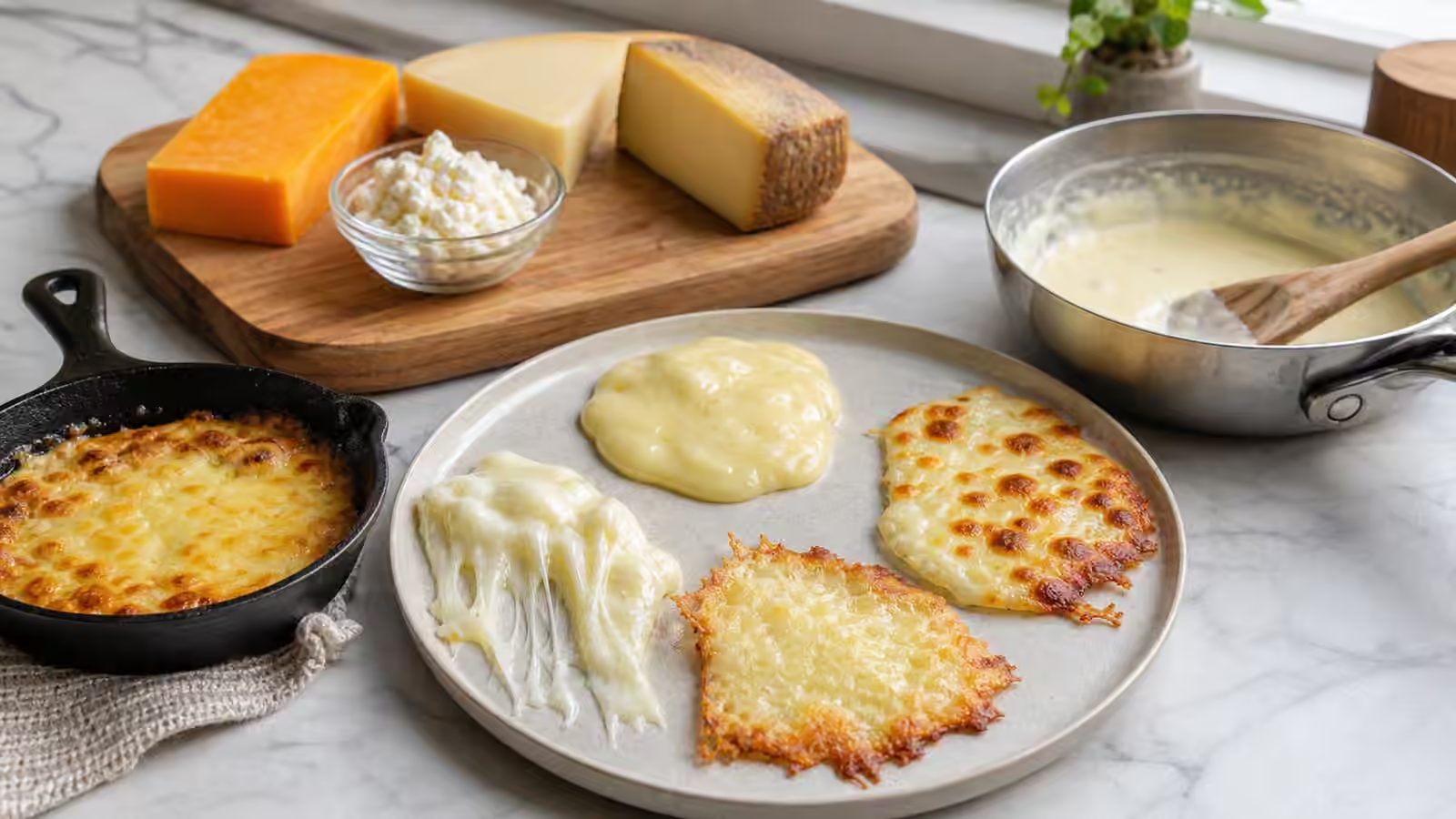
Cheese sauce looks like the simplest promise in the kitchen. Warm dairy, add cheese, stir, and wait for the pot to become glossy. The trouble is that cheese is not only flavor. It is water, fat, protein, salt, acid, and age held in a fragile structure. Heat can make that structure relax into silk, but the same heat can squeeze it into strings, grit, or an oily puddle.
The way to make better cheese sauce is to stop treating melting as a single event. A young melting cheese, a hard aged cheese, a fresh cheese, and a blue cheese all respond differently to heat. The liquid underneath matters. The thickener matters. The size of the shreds matters. Even the order of stirring changes the finished texture.
This guide narrows the heat lessons from Cooking with Cheese into one pot. It also leans on Cheese Texture and Moisture because the sauce you get is mostly a conversation between moisture, fat, age, and heat.
Smooth Sauce Starts Before the Pan
The best cheese for a smooth sauce is usually not the oldest or sharpest cheese in the drawer. Young to middle-aged cheeses with enough moisture and fat melt more willingly. Fontina-style cheeses, young Gouda, mild cheddar, Monterey Jack, young Gruyere-style cheese, and many semi-soft cheeses relax into sauces because their protein structure has not dried into brittleness. They still need gentle heat, but they give the cook a wider margin.
Aged cheeses bring deeper flavor, but they ask for restraint. Old cheddar, aged Gouda, Parmigiano-style cheese, pecorino-style cheese, and dry mountain cheeses can turn grainy if they are asked to become the whole sauce. Their lower moisture and concentrated proteins make them better as boosters. A small amount can make a sauce taste complete. Too much can make it taste salty, rough, and heavy.
The most reliable sauces often use a blend. A younger melting cheese gives body and smoothness. A smaller amount of aged cheese gives savor and length. This is the same logic used on a good board, only translated into a pan. One cheese supplies movement. Another supplies focus.
Grating Is Part of the Method
Cheese melts more evenly when it is grated or chopped small. Large chunks have to sit in hot liquid long enough for the center to soften, which gives the outside time to overheat. Fine shreds disperse quickly and need less time in the pot. That matters because cheese sauce is usually made in the narrow zone between melted and broken.
Pre-grated cheese can work in some dishes, but it is less predictable because many packaged shreds are coated to keep them from clumping. Those coatings can dull the sauce or make it feel slightly pasty. Hand-grating gives the cheese a cleaner path into the liquid, especially when the sauce is simple and the texture matters. Grating, Shaving, and Crumbling Cheese is useful here because cut shape is not decoration. It controls how fast the cheese can join the dish.
Temperature before grating also matters. Very cold cheese can be easier to grate, but it should not be thrown into a violently hot pot straight from the refrigerator. Letting grated cheese sit a few minutes while the base comes together helps it melt without shocking the sauce. The goal is not room-temperature softness. It is a modest head start.
The Base Protects the Cheese
A sauce base gives cheese somewhere to go. Milk, cream, stock, beer, wine, pasta water, or vegetable cooking liquid can all carry cheese, but each liquid behaves differently. Milk and cream bring dairy fat and sweetness. Stock brings savor but less cushion. Beer and wine bring acidity and aroma, which can be excellent in small amounts but harsh if reduced too far before the cheese enters. Pasta water brings starch, which helps grated cheese cling and emulsify.
Starch is one of the cook’s quiet protections. A flour-and-butter roux, a small amount of cornstarch, or the starch already present in pasta water can help keep fat and water together while the cheese melts. The starch does not make a sauce good by itself. It simply gives the sauce a structure that is more forgiving than hot milk alone.
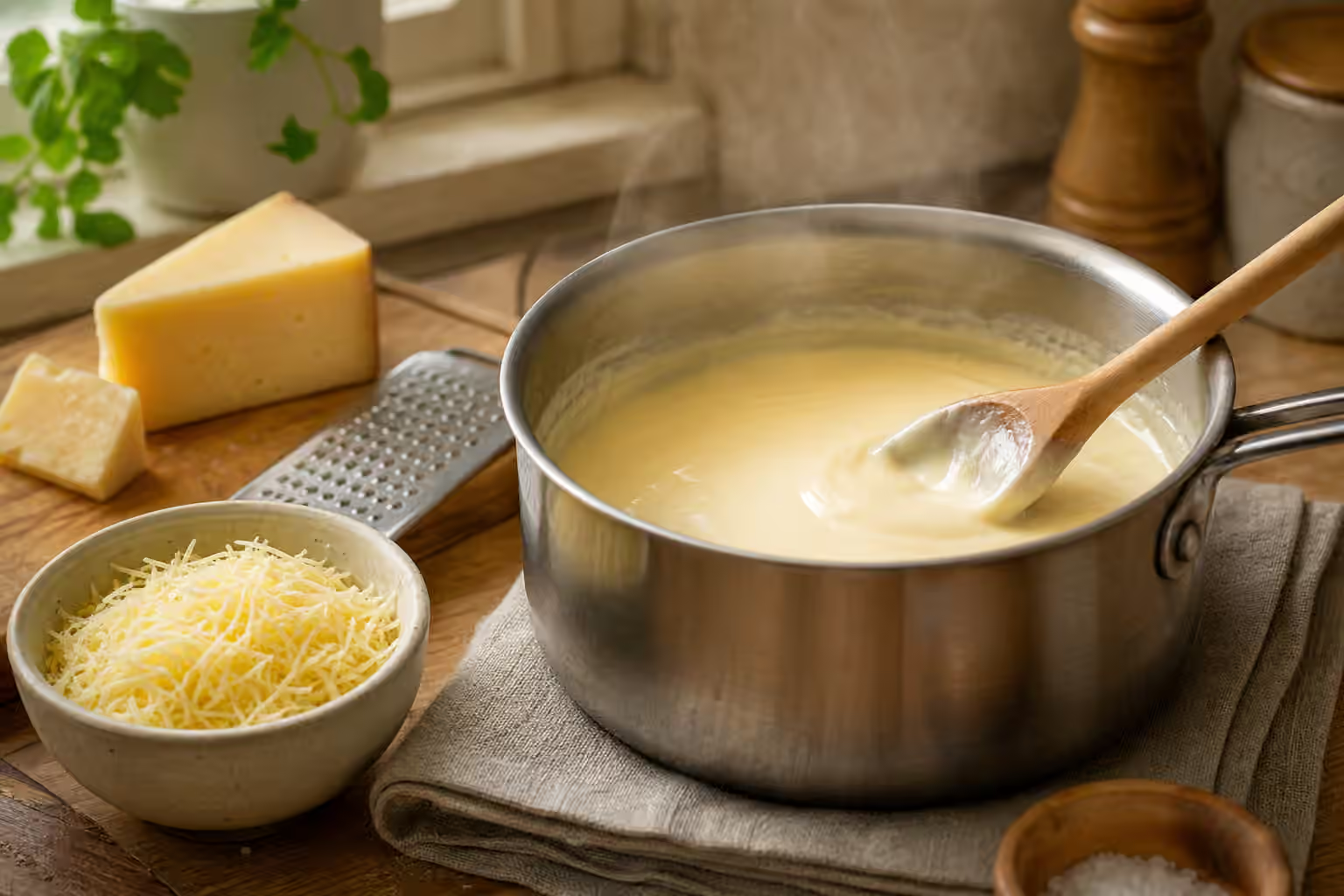
This is why a classic cheese sauce often begins with a bechamel rather than naked cheese in a pan. The flour-thickened milk absorbs the cheese gradually. It buffers heat, holds moisture, and slows separation. A lighter sauce can use less starch, but the principle remains the same: the cheese needs liquid and support before it is asked to become smooth.
Heat Should Drop Before Cheese Goes In
The most important sauce habit is lowering the heat before adding cheese. The base can simmer while it thickens, but cheese should enter after the pan has calmed down. Bubbling looks active and confident, but it is often too aggressive for proteins that are about to melt. A sauce that boils after the cheese goes in is more likely to become grainy or oily.
Add cheese in small handfuls and stir until each addition mostly disappears before adding more. This is not ceremony. It prevents the pot from cooling and overheating in waves. It also lets you stop when the sauce tastes right. Cheese sauce often becomes too thick because the cook keeps adding cheese to chase flavor when the real need is salt, acid, pepper, or a sharper finishing cheese.
If the sauce feels thick before it tastes cheesy enough, loosen it with warm liquid rather than forcing in more cheese. If it tastes flat, a small amount of mustard, pepper, hot sauce, lemon, or aged cheese may do more than another handful of mild melt. A good sauce has flavor and flow at the same time.
Broken Sauce Can Sometimes Be Helped
A broken sauce shows itself as oil on the surface, grainy curds, stringy clumps, or a texture that feels rough instead of glossy. The first response is to stop heating. Continuing to cook a broken cheese sauce usually makes the problem worse. Move the pan off heat and stir in a small splash of warm liquid. Sometimes the sauce will relax enough to serve.
If the sauce is only slightly rough, a whisk can help disperse the cheese back into the base. If it is very grainy, blending may smooth the appearance but not always the mouthfeel. A small amount of starch slurry whisked into a warm, loose sauce can sometimes bring it closer together, especially if the separation is modest. If the cheese has tightened badly from boiling, rescue has limits.
The better lesson is prevention. Use a cheese that wants to melt, grate it fine, build a liquid base, lower the heat, add gradually, and taste before the sauce becomes overloaded. These small moves are easier than repairing a pot that has already turned against you.
Match the Sauce to the Dish
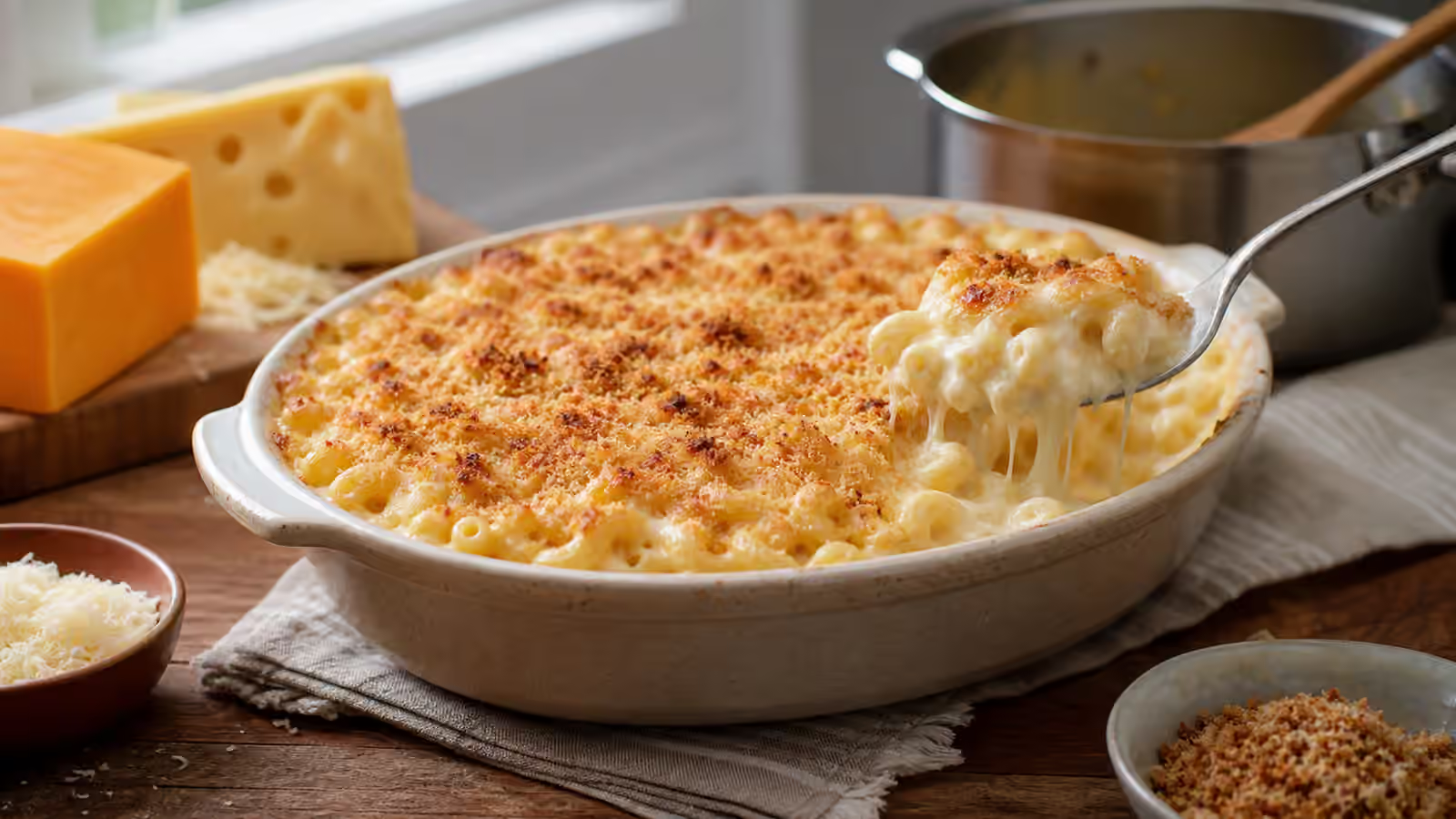
A macaroni sauce can be thicker than a sauce for vegetables because pasta brings surface moisture and needs coating power. A sauce for broccoli or cauliflower should be smooth but not so heavy that it hides the vegetable. A sauce for fries, nachos, or baked potatoes needs enough body to cling without becoming rubbery. A sauce for pasta finishing may need to be looser and more fluid, as Cheese for Pasta explains.
Seasoning changes by use too. A sauce that tastes perfect on a spoon may become too salty over ham, sausage, or brined vegetables. A sauce that tastes mild in the pot may be ideal with roasted onions, mustard, pickles, or a sharply dressed salad. Cheese sauce is rarely eaten alone, so taste it with the food when you can.
The smoothest sauce is not always the richest one. Sometimes the best version is modest: enough cheese to give body, enough liquid to stay fluid, enough starch to hold, and enough contrast to keep the dish from feeling dull. Cheese sauce succeeds when it still tastes like cheese after it melts, and when the texture lets the rest of the meal speak.