Salt is easy to mistake for a finishing touch. On the table it looks like seasoning, something sprinkled after the important work is done. In cheese, salt is part of the important work. It changes how curd drains, how rind develops, how quickly flavor feels intense, how a wheel ages, how a fresh cheese tastes, and how a wedge behaves once it reaches your kitchen.
That does not mean salt is the whole story. Milk, cultures, coagulant, moisture, fat, rind, and time all matter. But salt is one of the few forces that follows cheese from the vat to the board. It can be mixed into curds, rubbed on the surface, dissolved into brine, washed across a rind, or concentrated slowly as moisture leaves an aging wheel. When a cheese tastes clean and bright, sharp and savory, or too hard and blunt, salt is often somewhere in the explanation.
If How Cheese Is Made gives the full path from milk to curd, rind, and age, salt is the thread that ties many of those steps together. Learning to read it makes the cheese case less mysterious. It also makes cooking easier, because a cheese that seems pleasantly salty on a board can become overpowering when grated heavily into a dish.
Salt Is Structure Before It Is Seasoning
Cheese begins with milk proteins gathering into curd. That curd holds water and fat, and the cheesemaker has to decide how much moisture should remain. Cutting, stirring, cooking, draining, pressing, and aging all help with that decision. Salt joins the same conversation because it draws moisture, firms texture, and influences the small living world on and inside the cheese.
In a fresh cheese, salt may keep the flavor from tasting flat. Ricotta without enough salt can taste sweet but unfinished. Fresh goat cheese can seem sharp in one bite and dull in the next if the salt is uneven. In a firm cheese, salt becomes part of the paste itself. It does not merely sit on the tongue. It shapes the way the cheese tightens, ages, and releases flavor.
Salt also slows some changes and encourages others. It helps manage water activity, which affects how quickly microbes can work. It can make a rind less hospitable to one organism and more suitable for another. In washed-rind cheeses, brine is often part of the surface routine that builds the orange, savory rind. In dry natural-rind cheeses, salt helps the exterior become protective rather than simply wet and fragile. These effects are not magic shields, and they do not make careless storage harmless. They are part of the craft that lets cheese become stable enough to travel through time.
Brine, Dry Salt, and Salted Curd
Cheesemakers salt in different ways because cheeses need different bodies. Some cheeses are salted directly in the curd. Cheddar is the familiar example: curds are broken, drained, and salted before being formed. This gives the cheese a relatively even salt distribution early in its life. It also helps the curds knit in a controlled way rather than fusing into a bland, wet block.
Other cheeses are salted from the outside. A wheel may be rubbed with dry salt, soaked in brine, or both. Salt moves inward slowly, which means the edge and center of a young cheese can feel different. In larger wheels, that slow movement matters. A cheese is not instantly seasoned all the way through because it touched salt water. Time, size, moisture, rind, and temperature all shape the result.
Brine is simply salt dissolved in water, but in cheesemaking it is never just salty water. A brine bath can firm the surface, season the cheese, and prepare the rind for aging. Some brines are maintained and reused with care in a creamery, developing a house character. Some are simple and short-lived. The practical point for the eater is that brined cheeses often carry salt as an obvious part of their identity, while dry-salted or internally salted cheeses may feel more integrated.
Why Brined Cheeses Taste So Direct
Feta is the clearest everyday lesson. It is stored in brine because moisture and salt are central to the style. A good feta should taste bright, tangy, milky, and salty without becoming a block of salt alone. The brine keeps it wet enough to remain useful and firm enough to crumble. If you drain it and leave it exposed, the texture changes quickly. It can dry, toughen, and taste harsher because the balance has moved.
Halloumi-style cheeses, some fresh mozzarella, queso fresco, and many white cheeses from Mediterranean, Balkan, and Middle Eastern traditions show similar logic in different forms. Salt may be prominent because the cheese was built around it. That does not make every brined cheese the same. Some are springy and grillable. Some crumble. Some squeak. Some soften into a salad or warm dish. What they share is a direct relationship between salt, moisture, and use.
The Fresh Cheeses guide touches this through feta, mozzarella, and other young cheeses, but salt deserves its own attention because brined cheese behaves differently from dry aged cheese. A hard grating cheese can taste salty because moisture has left and flavor has concentrated. A brined fresh cheese can taste salty because the cheese is literally living in salt water. The experience on the tongue may overlap, but the structure behind it is different.
Salt on the Rind
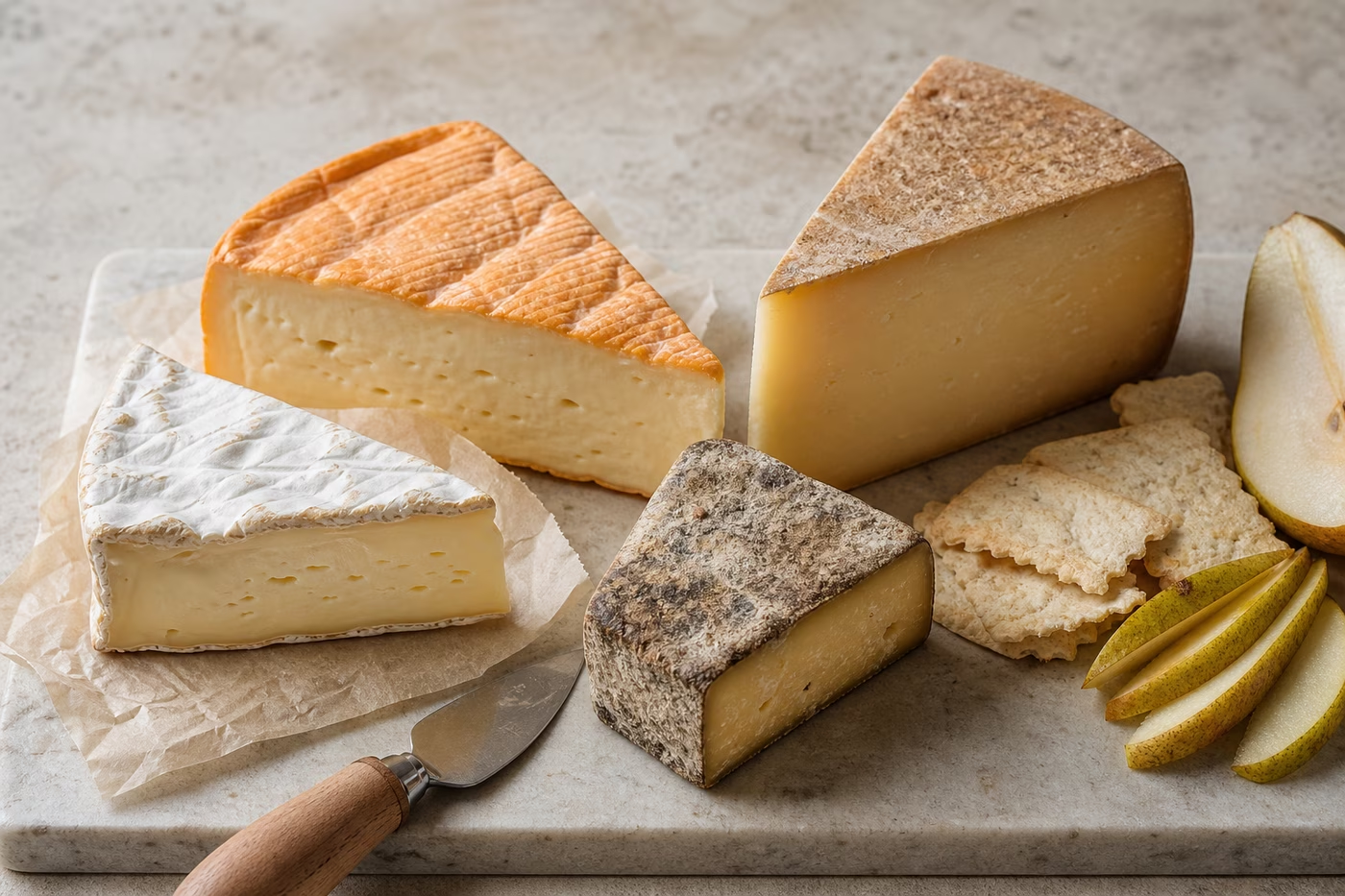
Rinds are often where salt becomes visible. A bloomy rind may be delicate and mushroomy, but the milk and curd beneath still need enough salt to ripen cleanly. A washed rind may be rubbed or washed with brine during aging, helping create the moist surface where rind cultures thrive. A natural rind may be salted, brushed, dried, and tended until it becomes a slow-growing boundary between the cheese and the room.
This is why the edge of a cheese can taste stronger than the center. The rind has lived closer to air, salt, humidity, and handling. Near a washed rind, the paste may be more savory and aromatic. Near a natural rind, it may be earthier, drier, or firmer. None of that automatically tells you whether to eat the rind. It tells you to taste thoughtfully. The broader habits in Cheese Rinds help here because salt can make an edge more interesting, but it can also make a tired or dirty edge more obvious.
Blue cheese adds another angle. Many blues taste salt-forward because salt supports the cheese during aging and because blue mold brings its own sharp, savory intensity. The salt is part of why a small crumble can flavor a salad, dressing, or sauce. It is also why large, cold chunks of blue can feel blunt. The details in Blue Cheese: Veins, Salt, Texture, and Serving are useful when you want intensity without letting salt flatten the rest of the plate.
Reading Salt at the Counter
When buying cheese, do not ask only whether a cheese is salty. Ask what the salt is doing. A cheese can be salty because it is young and brined, because it is aged and concentrated, because it is a blue, because it was made for cooking, or because it has dried after a poor cut. Those are different situations, and they lead to different uses.
A salty feta may be perfect over tomatoes, cucumbers, herbs, and olive oil because the vegetables bring water and freshness. The same amount of feta in a reduced sauce could dominate. A crystalline aged Gouda may taste sweet at first and salty at the finish, which makes small shards satisfying but thick slices tiring. A washed rind may smell strong while tasting less salty than expected. A dry grocery wedge can taste harsh not because the cheesemaker intended it, but because the cut face lost moisture.
Sampling helps, but it helps more if you let the sample warm briefly in your mouth before judging. Cold cheese hides aroma and makes salt feel sharper. A warmer bite shows whether the salt is integrated with milk sweetness, acidity, and texture. That is one reason the buying habits in How to Buy Cheese Like a Cheesemonger matter. A plain question about use usually tells the cheesemonger more than a vague request for something mild.
Cooking With Salt Already in the Cheese
Cheese brings salt into food before you pick up a salt cellar. This sounds obvious, but it is the source of many heavy dishes. A handful of grated hard cheese can season a soup. Blue cheese can season a dressing. Feta can season grains, eggs, greens, beans, roasted vegetables, and flatbreads. A cheese sauce made with an aged cheddar may need less added salt than the base recipe suggests.
The kitchen problem is that cheese salt concentrates when water cooks off. A cheese that seems balanced on bread may become aggressive in a baked dish, especially if other salty ingredients are present. The solution is not to avoid salty cheese. It is to season late and taste after the cheese has joined the food. Let the cheese do its work first. Then decide what the dish still needs.
Texture matters too. Brined cheeses often resist melting smoothly. Feta softens and warms but does not flow like Fontina. Halloumi browns and holds shape. Paneer-like cheeses stay quiet in the pan. Aged hard cheeses melt reluctantly and often work better as finishing flavor than as the body of a sauce. Cooking with Cheese explains those heat behaviors in more detail, but salt is one reason strong cheeses are usually better used with restraint.
Storage Changes the Salt You Taste
Salt balance can drift in the refrigerator even when the amount of salt has not changed. When cheese dries, the same salt is spread through less moisture, so the wedge tastes sharper and harder. When a brined cheese is stored without enough liquid, the outside toughens and the flavor can feel rough. When a cheese is sealed too tightly and sweats, the surface may taste stale rather than cleanly salty.
Good wrapping does not make cheese immortal. It simply protects the balance the cheesemaker built. Firm cheeses need protection from drying. Soft and rind-ripened cheeses need enough breathing room that moisture does not become trapped against the surface. Brined cheeses usually need their brine or a suitable storage liquid until they are used. The routine in How to Store Cheese is useful because it treats storage as flavor care, not just spoilage prevention.
Serving also changes salt perception. A cold bite often feels saltier and less aromatic. A room-temperature bite can feel rounder because fat softens and aroma rises. Bread, apples, pears, cucumbers, pickles, honey, nuts, and plain crackers all change how salt lands. The best accompaniment is not the fanciest one. It is the one that gives the cheese a place to go. The board-building logic in Cheese Accompaniments works because salt needs contrast as much as richness does.
The Quiet Skill of Noticing Salt
Once you start noticing salt, cheese becomes easier to use. You stop treating feta, blue, aged Gouda, Parmigiano-style cheese, and washed rind as merely strong. You begin to ask whether the salt is brightening, preserving moisture, building rind, concentrating age, or covering up fatigue. That question is more useful than deciding whether salty is good or bad.
Salt should make cheese taste more like itself. In a fresh cheese, it can sharpen milk sweetness. In a brined cheese, it can hold moisture and give vegetables a reason to taste vivid. In a long-aged cheese, it can carry savory depth across a small shard. In a washed rind, it can help build the aromatic surface that makes the style memorable. When salt is balanced, it disappears into usefulness. When it is out of balance, it is the only thing you can hear.
The practical habit is simple: buy for use, taste at the right temperature, cook with restraint, and store so moisture stays in the range the cheese expects. Salt is not an accessory to cheese. It is one of the ways milk learns to hold a shape, keep a memory, and arrive at the table with enough force to matter.