
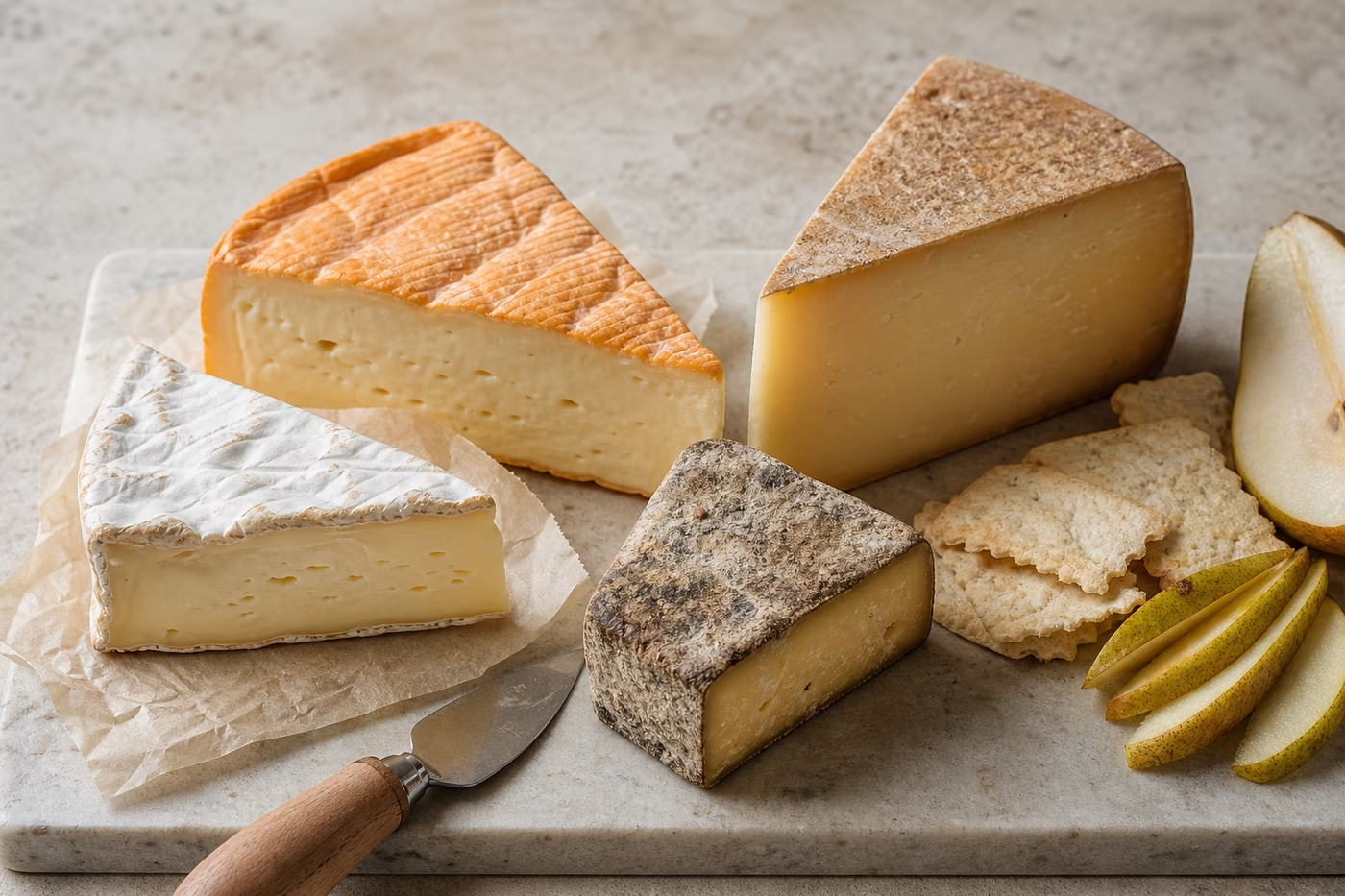
The rind is the part of cheese that makes many otherwise confident eaters pause. A wedge arrives with a white fuzz, an orange tacky edge, a gray crust, a band of cloth, or a red wax coat, and suddenly the table gets quiet. Someone asks, half whispering, “Are we supposed to eat that?”
It is a fair question because the answer changes from cheese to cheese. Some rinds are the best part of the bite. Some are harmless but unpleasant. Some are not meant to be eaten at all. The more useful habit is not memorizing a universal rule, but learning to read the surface as part of the cheese’s story. A rind tells you how the cheese was aged, how much moisture it kept, how it was protected, and how the flavor is likely to land.
If you already know the broad families in Cheese Types , rinds are the next layer of fluency. They explain why a brie tastes mushroomy, why a washed-rind cheese smells louder than it tastes, why a clothbound cheddar feels earthy at the edge, and why the outer crust of an old mountain cheese can be more useful in a pot than on a board.

A rind is not decoration
A rind is the boundary where cheese meets air. That boundary matters because cheese is not a sealed object; it is a changing food with moisture, salt, microbes, enzymes, and fat all moving through time. The surface dries, breathes, blooms, gets washed, gets rubbed, or gets protected. Those small acts shape the paste inside.
The easiest way to understand rinds is to think about protection and flavor at the same time. A fresh cheese such as mozzarella has almost no rind because it is eaten young, before it needs a protective surface. A bloomy-rind cheese grows a soft white coat that helps ripen the cheese from the outside inward. A natural-rind wheel dries slowly, developing a rough coat that protects the interior during longer aging. A waxed cheese uses an artificial barrier so the cheese can age without losing too much moisture.
That is why “Can I eat the rind?” is only the first question. The better question is “Does this rind make the bite better?” On some cheeses, the rind is essential. On others, it is technically edible but tastes like damp cardboard, cave dust, bitter herbs, or old cellar floor. Permission and pleasure are not the same thing.
Bloomy rinds: the white coat on brie-style cheeses
Bloomy rinds are the soft white surfaces on cheeses such as Brie, Camembert, and many triple-creams. They are formed by friendly molds that grow on the outside of the cheese. When they are in good condition, they smell gently mushroomy, sometimes like cream, warm milk, or button mushrooms in butter. Their texture can be papery near the surface and soft beneath it.
These rinds are meant to be eaten. In fact, removing them can make the cheese less interesting because the rind is part of the flavor architecture. A good bloomy rind gives a creamy cheese contrast: a faint earthiness against butterfat, a little mushroom against sweet cream, a delicate bitterness that keeps richness from becoming flat.
The caution is ripeness. As bloomy-rind cheeses age, they can develop a sharp ammonia smell, especially if they have been wrapped too tightly. A little ammonia can blow off after the cheese sits open for a few minutes. A strong, persistent sting usually means the cheese has moved past its best moment as a table cheese. That does not mean every firm or mildly aromatic brie is bad; it means your nose is a useful instrument. If the aroma makes you pull back, trust that reaction.
For serving, let bloomy rinds warm enough that the paste relaxes. A fridge-cold wedge can make the rind feel chalky and the center taste dull. If storage is the problem, the routine in How to Store Cheese matters: breathable paper, gentle humidity, and no tight plastic prison.
Washed rinds: orange, sticky, and often misunderstood
Washed rinds are the dramatic ones. They often look orange, peach, rust, or brick-red, and they may feel tacky to the touch. During aging, the surface is washed with brine, beer, wine, or another liquid, encouraging a rind ecosystem that produces strong aromas. The smell can suggest broth, onions, hay, cured meat, damp cellar, or gym socks, depending on the cheese and the person describing it.
The surprise is that many washed-rind cheeses taste gentler than they smell. Their paste can be meaty, savory, soft, and almost sweet. The rind, however, carries the strongest aromatic load. Eating it is common, but not mandatory. If the rind makes the bite too pungent, trim a narrow strip and taste the paste alone. Then taste a bite with a little rind. That comparison teaches more than any rule.
Washed rinds are best served in modest portions because their aroma fills a room quickly. A small piece can make a board feel generous and alive; a large one can overwhelm everything around it. If you are buying one for guests, ask the cheesemonger where it is in its ripening window, just as you would when following the shopping habits in How to Buy Cheese . The same cheese can be polite one week and thunderous the next.
Natural rinds: the slow crust of age
Natural rinds form when a cheese is aged without a sealed coating. The surface dries, gathers a community of molds and yeasts, and becomes a protective crust. These rinds can be dusty gray, brown, mottled, rough, or stone-like. They appear on many tommes, farmhouse wheels, and traditional aged cheeses.
Natural rinds are where the “edible but maybe not enjoyable” distinction becomes important. On a young tomme, the rind may taste earthy and pleasant in small amounts. On an older wheel, it may be gritty, bitter, musty, or simply too dry to chew with pleasure. There is no shame in trimming it. The cheese was aged with that rind, but the rind does not have to be the part you serve.
The best way to approach a natural rind is to take a thin taste at the edge. If it adds mushroom, nuts, cellar, or savory depth, leave some attached. If it tastes dusty or distracts from the paste, trim it cleanly. A good cheese board is not a purity test. It is food meant to be eaten with attention.
Natural rinds are also useful in cooking. The hard outer edges of aged cheeses can lend depth to soups, beans, and broths when simmered gently, then removed. This is the same logic that makes cheese useful in the kitchen beyond melting; aroma and salt can season a dish even when the rind itself would be too tough to eat. For more on heat and cheese behavior, see Cooking with Cheese .
Clothbound, waxed, and coated cheeses
Clothbound cheeses, especially traditional cheddars, age under fabric and fat. The cloth helps the cheese breathe while protecting it, and over time the surface can develop an earthy, cellar-like character. The cloth itself is not meant to be eaten. Peel or cut it away, then decide whether the cheese immediately beneath it tastes good enough to include. Sometimes the edge is gorgeous and savory; sometimes it is dry and better trimmed.
Waxed cheeses are different. Wax is a protective shell, not a rind for eating. Gouda and some cheddars often arrive in red, black, or yellow wax. Cut or peel the wax away before serving. The cheese beneath may be wonderful, but the wax has done its job once the wedge is open.
Some cheeses have leaves, ash, herbs, spices, or washed coatings on the outside. These are case-by-case surfaces. Vegetable ash on goat cheese is commonly eaten and can give a mineral, dry edge. Herbs and spices are usually intended as part of the bite. Leaves may perfume the cheese without being pleasant to chew. When in doubt, taste a small piece separately instead of committing every bite to the full rind.
Blue cheese rinds and pierced surfaces
Blue cheeses complicate the rind question because the mold is not only outside. It runs through the paste in veins, encouraged by piercing the cheese so oxygen can reach the interior. Some blues have natural rinds, some are foil-wrapped with minimal rind, and some develop dry, rustic exteriors.
The edible portion depends on the specific cheese. A creamy blue may have almost no rind to think about. A firmer, aged blue may have a dry outer face that tastes sharper and saltier than the center. As with natural rinds, taste the edge and decide whether it helps. Blue cheese is already intense; a harsh rind can push it from powerful to tiring.
Pairings can help. Sweetness, fruit, honey, and darker drinks can make blue feel rounded instead of severe, which is why the ideas in Cheese Pairing Beyond Wine matter. The rind is not isolated from the rest of the table. Bread, fruit, acid, and drink all change how it lands.
What to trim before serving
Trimming is not failure. It is part of serving cheese well. Remove wax, cloth, leaves that are not pleasant to chew, and any rind that makes the bite worse. Trim extremely dry cracked edges if they taste stale. Cut away a bloomy rind only when it has become too ammoniated for your table. For firm cheeses with unwanted surface mold, many standard food-safety references advise cutting away a generous margin around the affected area; for soft cheeses, be more conservative because spoilage can travel through moisture more easily.
The table test is simple. Put a small piece of paste and a small piece with rind side by side. Taste both slowly. If the rind adds contrast, keep it. If it dominates, trim it. If it tastes bitter, chemical, sharply rotten, or otherwise unpleasant, do not turn dinner into an argument with your senses.
High-risk eaters need extra caution with questionable cheese. People who are pregnant, immunocompromised, elderly, or serving very young children may want to follow stricter guidance and avoid borderline cheeses entirely. That is not a cheese-snob rule; it is ordinary prudence.
How rinds change the way you build a board
Once you can read rinds, a cheese board becomes easier to balance. A bloomy rind brings cream and mushroom. A washed rind brings aroma and savor. A natural rind brings earth and age. A waxed cheese may bring a clean, friendly paste without much rind character. Instead of choosing cheeses by name alone, you can choose surfaces that create contrast.
That contrast should affect the cut. A bloomy wedge should include a fair share of rind and paste so every guest gets the full structure. A washed rind can be cut into smaller pieces so its intensity stays inviting. A hard natural-rind cheese can be trimmed first, then broken into rugged pieces that show its crystalline interior. A clothbound cheddar often looks best when the cloth is removed and the cheese is portioned so the earthy edge does not overwhelm the center.
Rinds also affect where cheese sits on the board. Strong washed rinds and blues should not press against delicate fresh cheeses. Dry natural rinds can shed crumbs. Very ripe bloomy cheeses may ooze as they warm. A board looks more relaxed when each cheese has enough space to behave like itself.
The point is not to become precious. The point is to notice. A rind is not a warning sign, a dare, or a decoration. It is the record of how the cheese met the world while it aged. Learn to read that record, and you will buy better cheese, serve it with less hesitation, and waste less of the good part.


