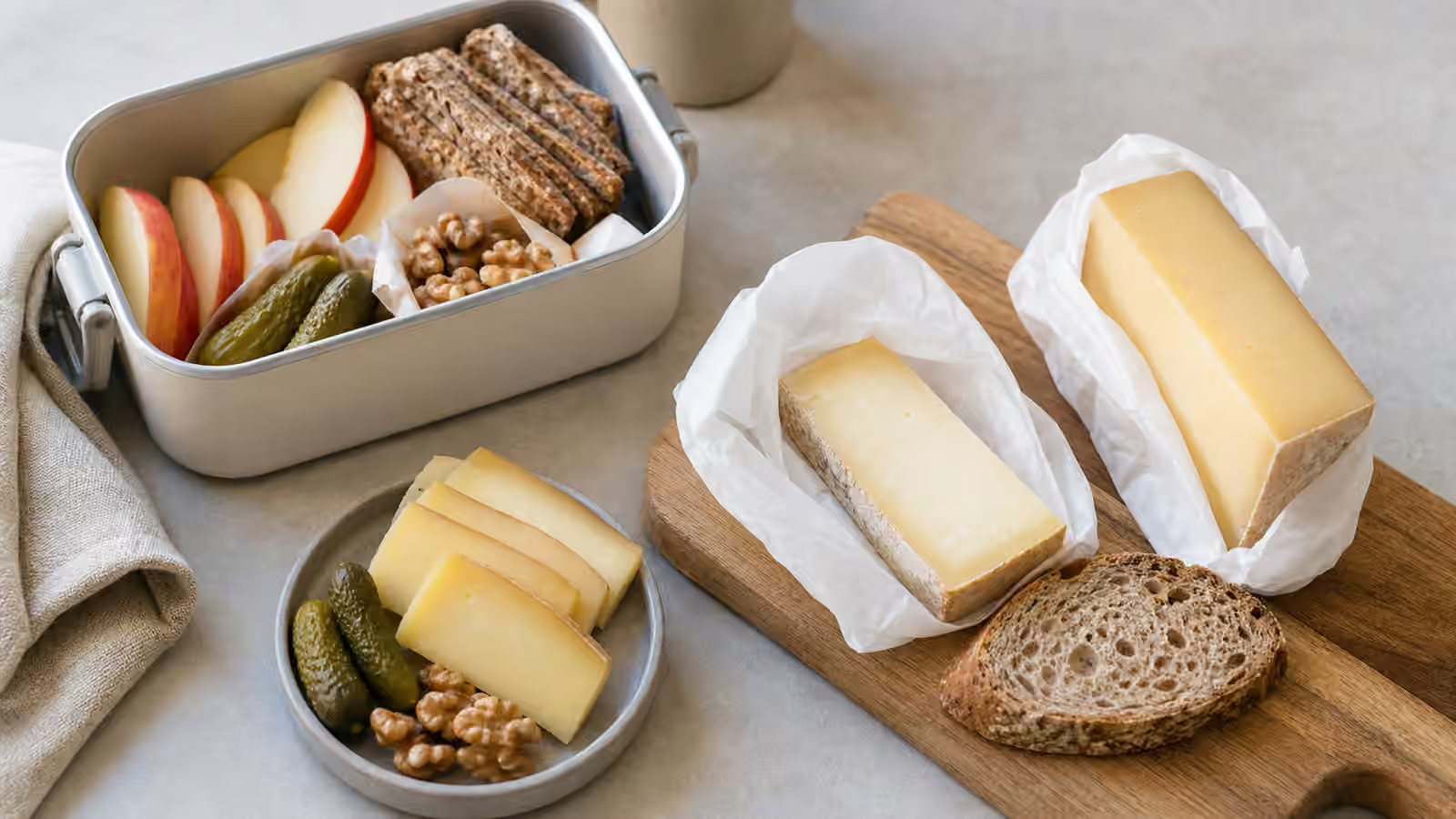
Cheese changes the moment it leaves the refrigerator, and that is exactly why it can be so good at a picnic. A firm wedge relaxes on the way to the park. A soft cheese becomes aromatic just as the bread is torn open. A salty sheep milk cheese suddenly makes sense beside fruit, olives, and the kind of hunger that appears after walking outside.
The same trip can also make cheese worse. A bloomy rind can collapse in a warm bag. A fresh cheese can leak through a paper wrapper. Blue cheese can share its aroma with everything else. Crackers can turn soft, knives can disappear, and the cheese that looked elegant at home can arrive as a smudged puzzle of rind, crumbs, and condensation.
A good travel cheese plan is not fussy. It is a sequence: choose cheeses that suit the trip, pack them so temperature and moisture stay reasonable, cut only what should be cut ahead, and serve in a way that makes eating easy. The home habits from Cheese Storage still apply, but travel makes every choice more visible.
Choose Cheese for the Journey, Not the Fantasy Board
The cheese that belongs on a dining-room board is not always the cheese that belongs in a backpack. Very ripe soft cheeses can be wonderful at home because you control the plate, timing, and temperature. On a picnic, they may become difficult before anyone is ready to eat. A delicate fresh cheese may be beautiful with tomatoes in your kitchen, but if it needs brine, a bowl, a spoon, and careful cold storage, it asks more from the trip.
Firm and semi-firm cheeses are the easiest travelers. Cheddar, Gouda, alpine-style wedges, Manchego-style cheeses, firm goat or sheep cheeses, and many tommes hold their shape, slice cleanly, and tolerate a little waiting better than fragile fresh or ripe soft styles. They still need cool handling, but they do not punish every small delay.
Semi-soft cheeses can travel well if they are not too ripe and are wrapped with care. Young Gouda, Fontina-like wedges, Havarti, and mild tommes can make a picnic feel generous without turning messy. Their texture is friendly from cool to gently warmed, and they usually pair with bread, apples, pears, nuts, mustard, or pickles without much drama.
Soft and fresh cheeses can travel too, but they need a reason and a container. Fresh mozzarella with tomatoes, feta in a sealed container, chevre with herbs, or a modest bloomy wedge for a short trip can be excellent. The question is not whether they are allowed. The question is whether the trip gives them the conditions they need.
Pack for Temperature and Moisture
Cheese wants protection from heat, dryness, and suffocation. Travel tends to provide all three in the wrong order. A loose wrap in a warm tote dries the cut face and warms the cheese unevenly. A tight plastic wrap inside a cooler can trap condensation and make the surface wet. A cooler packed with ice can chill the cheese hard, then flood the wrapping as everything warms.
The better approach is layered. Wrap the cheese in cheese paper or parchment first, then place it in a small container or bag that keeps it from touching wet ice packs directly. Keep the cold source nearby but not pressed against delicate rinds. If condensation forms inside the container, open it briefly when you arrive and give the wrapping a chance to breathe before serving.
An insulated bag or cooler is not only for long trips. It buffers temperature on the way to a party, a park, a beach, or a friend’s house. Cheese does not need to be frozen by ice packs. It needs to stay cool enough that its serving window begins when you choose, not while you are still looking for parking.
Outdoor heat changes the plan. In warm weather, bring smaller pieces, keep backups in the cooler, and serve only what people will eat soon. In cooler weather, firm cheeses can come out earlier and relax naturally. The serving-temperature logic in Cheese Serving Temperature becomes more important away from home because the room is no longer a room.
Cut Less Than You Think Before Leaving
Pre-cut cheese seems convenient until it arrives dry, sticky, or bland. Every cut surface warms faster, dries faster, and touches more packaging. For firm cheeses, it is often better to cut a few starter pieces at home and leave the rest of the wedge intact. Those starter pieces show people how to eat the cheese, while the intact portion stays in better condition.
Soft cheeses are usually better left whole or nearly whole. A ripe bloomy wedge cut too early can spread through its wrapping and make the rind hard to manage. A small whole soft cheese in a shallow container may travel more gracefully than a hacked wedge. If the cheese is very ripe, consider serving it at home another day and choosing a sturdier traveler instead.
Fresh cheeses depend on liquid and shape. Mozzarella can stay in its liquid until serving, then be torn or sliced on site. Feta can travel in brine or oil in a sealed container. Fresh goat cheese can be wrapped or packed in a small lidded dish, then spooned or spread rather than sliced. The goal is to preserve the texture that made the cheese worth bringing.
Bring a real knife if the setting allows it, or a small spreader and a sturdy pre-cutting plan if it does not. The utensil does not need to be fancy. It needs to be clean, firm enough for the cheese, and separate enough that blue or washed-rind cheese does not mark everything else. Cheese Tools covers the equipment side, but travel reduces the lesson to basics: one clean cutting surface, one useful knife, and a way to keep strong cheeses from spreading.
Build the Picnic Around Supporting Foods
Travel cheese needs companions that survive travel too. Bread is usually better than fragile crackers because it does not shatter as easily and can handle soft cheese. A baguette, country loaf, flatbread, or seeded bread gives the board structure. If you bring crackers, keep them separate until serving so they do not absorb moisture from fruit or cheese.
Fruit should be sturdy and purposeful. Apples, pears, grapes, figs, dried apricots, and cherries when in season all travel better than fruit that bruises or leaks. Cut apples and pears close to serving when possible. If you cut them at home, pack them separately so their moisture does not soften bread or sit against cheese.
Acid is useful outdoors. Cornichons, olives, mustard, pickled onions, or a sharp chutney can make firm and rich cheeses taste lively, especially when the day is warm. Sweetness should be restrained because sticky jars and warm honey can make a picnic harder than it needs to be. A small container of jam may be perfect with blue cheese or aged sheep cheese, but it should not become the center of the operation.
This is where Cheese Accompaniments becomes practical rather than decorative. Every extra food should earn its space. Bread carries. Fruit refreshes. Acid cuts richness. Nuts or seeds add crunch without much mess. If an accompaniment needs careful plating, a spoon you forgot, or a container that will leak on the way home, choose something simpler.
Serve in Waves
At home, all the cheeses can sit together on a board. Away from home, serving in waves often works better. Put out the sturdy cheeses first. Let people eat the firm wedge, bread, fruit, and pickles while the softer cheese rests in the cooler. Bring out the delicate cheese when people are ready for it. This keeps the board from turning into a race against warmth.
Small boards also make better travel boards. A picnic with two cheeses chosen well often feels more generous than one with five cheeses fighting the weather. One firm anchor and one accent cheese can be enough. The anchor might be cheddar, Comte, Gouda, Manchego, or a tomme. The accent might be blue, goat cheese, feta, a washed rind for a short cool trip, or a soft bloomy wedge if it can be protected. Add bread, one fruit, one acidic item, and one crunch, and the board has a clear shape.
Portioning matters because leftovers are harder outdoors. Bring what the group is likely to finish. If you bring extra, keep the extra wrapped and cool rather than setting it all out at once. Cheese that has been sitting open on a warm table is not the same as cheese kept wrapped in a cooler. Treat the wrapped reserve as a separate piece, not as decoration waiting its turn.
Plan the Return Trip Too
The last ten minutes of a picnic often decide whether the leftovers are useful. Rewrap cheese in clean paper if you have it. Keep wet fruit, pickle juice, and crumbs away from the cut face. Put strong cheeses in their own container. If a soft cheese has warmed, spread, and collected crumbs, it may be better to finish it at the picnic than to ask it to become tomorrow’s board cheese.
Be honest about condition when you get home. A firm wedge that stayed cool, clean, and wrapped may be fine for later. A fresh cheese that sat warm and open may not be worth saving. A blue cheese that scented the whole container should be isolated and used soon if it still tastes good. The condition-reading habits in Cheese Ripeness and Condition help here because travel compresses the normal storage timeline.
The best picnic cheese feels relaxed, not improvised. It arrives cool, opens gradually, has bread and fruit that make sense, and gives people obvious ways to eat without asking the host for instructions. Choose sturdy cheeses unless the trip is short enough for delicate ones. Keep cold things cool until serving, cut with purpose, serve smaller amounts, and let the setting do the rest. Cheese does not need a perfect kitchen to be good. It needs a plan that respects what heat, time, and movement do to it.