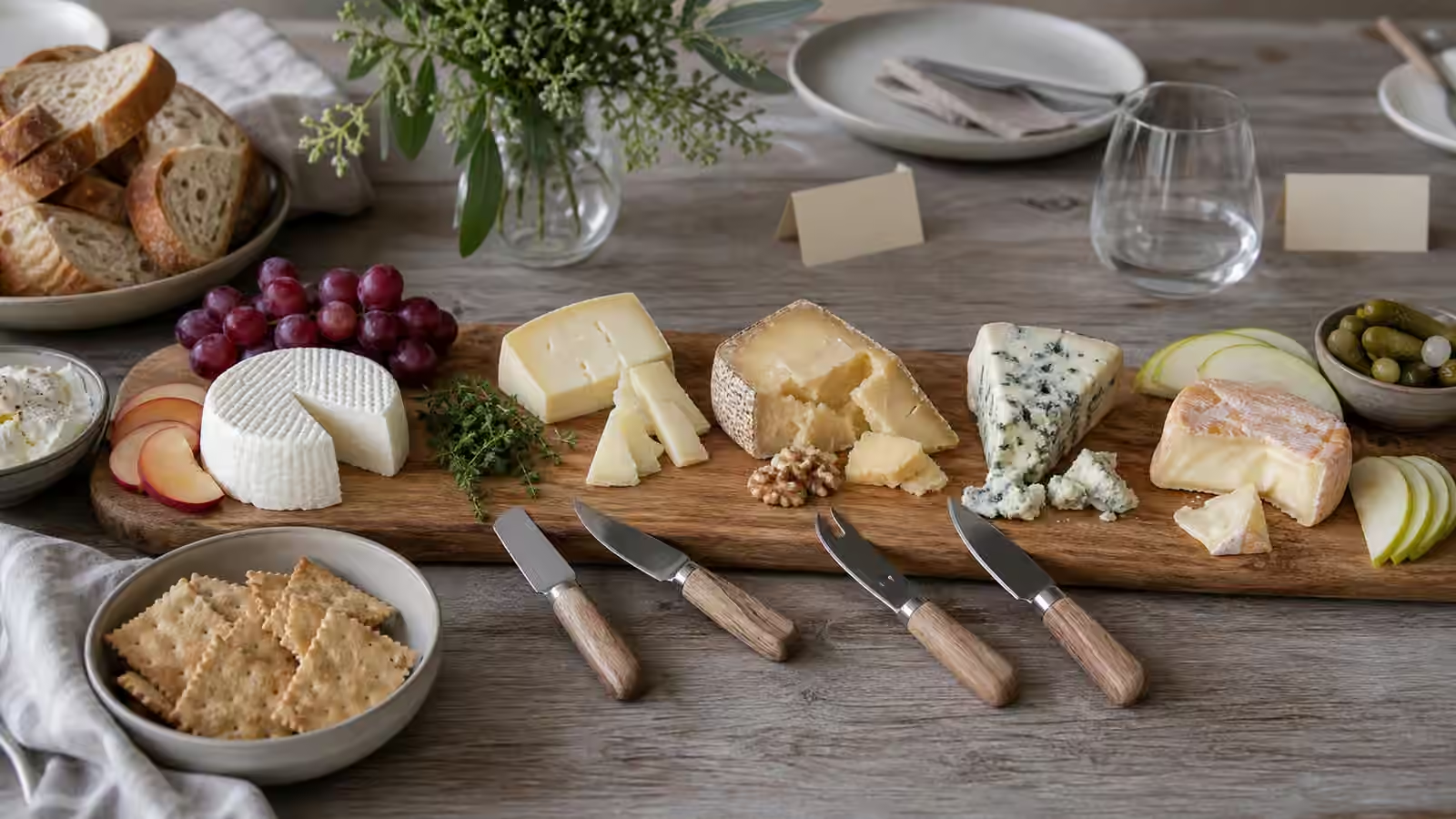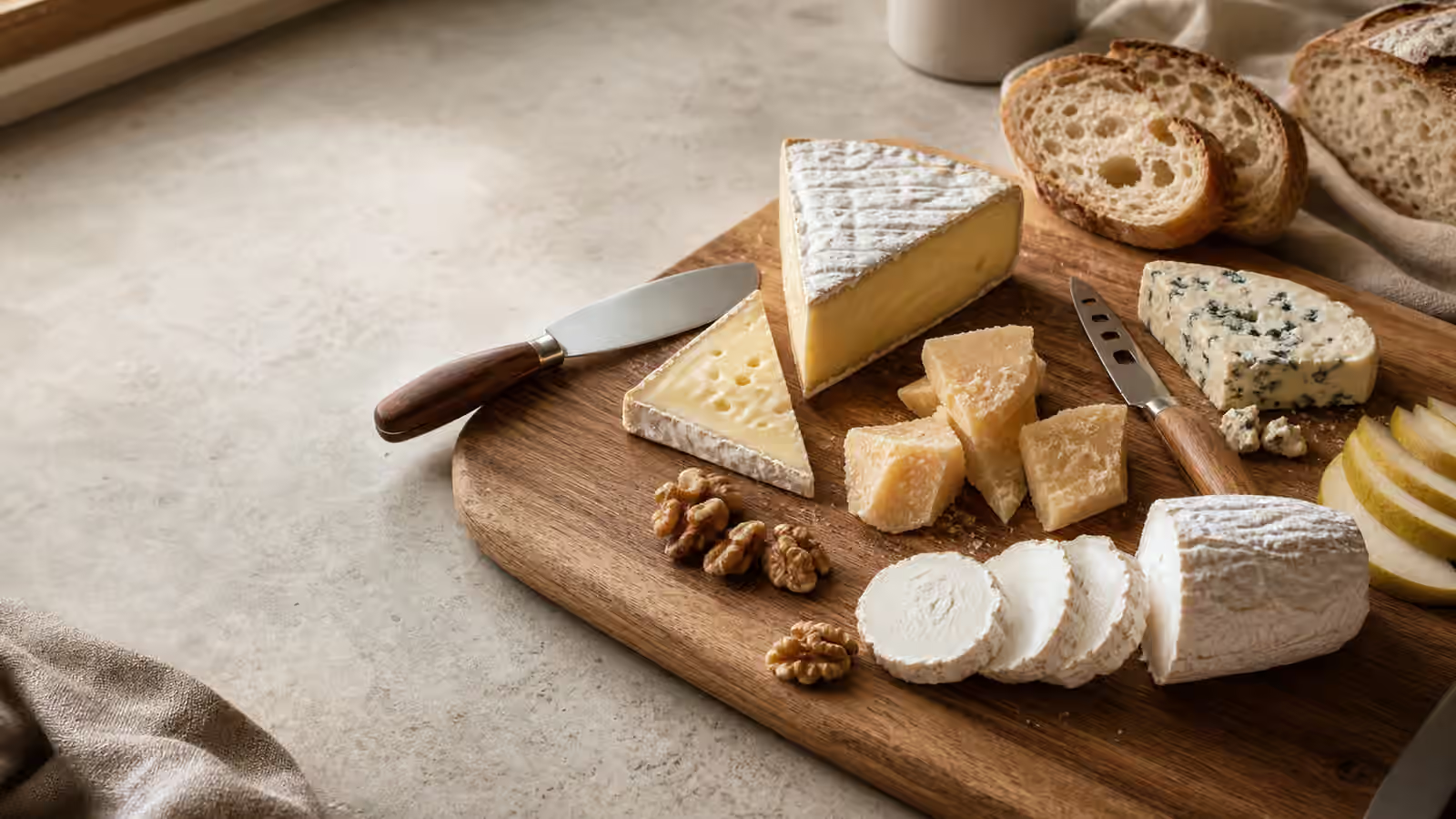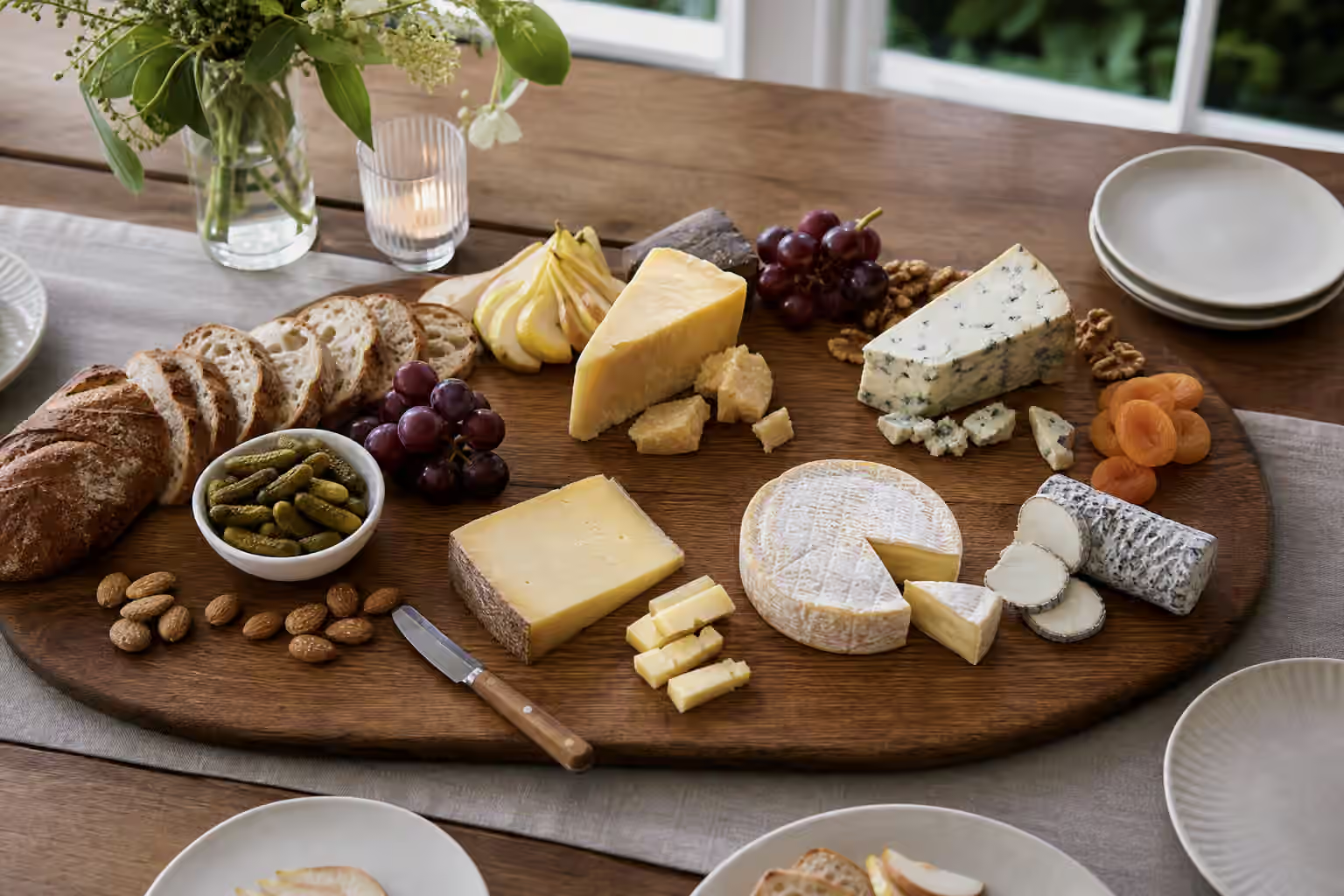
Cheese party planning is mostly restraint disguised as hospitality. It is tempting to buy one more wedge, one more soft cheese, one more dramatic blue, and one more jar of something sweet. The board grows until it looks abundant, but abundance can make the table harder to use. Guests hesitate to cut. Strong cheeses crowd mild ones. Bread runs out early. Leftovers become a storage problem before the evening is over.
A better cheese spread begins with the role cheese will play. Is it a small first bite before dinner, the center of a drinks table, part of a buffet, or the main reason people came over? The answer changes how much to buy, how many styles to offer, when to bring cheese out, and how much supporting food belongs beside it.
This guide extends The Art of the Cheese Plate and How to Buy Cheese . Those guides help you choose and arrange. This one keeps the whole table from becoming bigger than the occasion.
Decide the Job Before the Quantity
Cheese before dinner should invite appetite, not end it. A small board with two or three cheeses, bread, fruit, and something sharp can be enough. If cheese is the main food with drinks, the board needs more substance, more bread, and more savory support. If cheese is one part of a larger buffet, it should not compete with every other dish.
The mistake is using the same board for every situation. A dinner-party starter and a casual open-house table do not need the same volume or variety. The starter needs clarity and timing. The open-house table needs replenishment, sturdier cheeses, and a plan for food that can sit without collapsing. A dessert cheese course needs smaller portions because people have already eaten.
Think in appetite rather than display. Guests can only eat so much cheese pleasantly. A board that looks slightly modest at first may feel perfect once bread, fruit, nuts, pickles, salad, soup, or the rest of the meal enters the scene. A board that looks spectacular can become tiring if every item is rich.
Fewer Cheeses Are Easier to Enjoy
Three to five cheeses are often more useful than eight. With fewer choices, each cheese has space, a clean knife, and a reason to be there. Guests can taste differences instead of skimming. The board is easier to explain without turning the host into a lecturer.
Variety should come from contrast. A soft cheese, a firm or aged cheese, and one bolder accent can carry a small gathering. Larger boards can add a fresh cheese, a washed rind, a blue, or a second firm cheese, but repetition should be intentional. Two similar mild cheeses may not teach or please more than one excellent wedge.
Cheese Board for Learning uses contrast as a tasting tool, and the same idea helps parties. The board should offer different textures, strengths, and milk characters without becoming a catalog. If two cheeses seem to need the same accompaniments and serve the same guests, choose the better one and let it have room.
Buy for Condition and Timing
Party cheese should be ready when the party happens. A bloomy rind that needs three more days may disappoint tonight. A washed rind at peak ripeness may be too strong for a crowded room. A hard aged cheese may be forgiving, but a fresh cheese may need to be bought close to serving. Ask at the counter whether a soft cheese is ready for the day you plan to serve it.
Cut timing matters too. Cheese dries faster once cut, so buying huge wedges too early can backfire. If you need to shop ahead, lean on sturdier styles and store them carefully. If the board depends on fresh mozzarella, burrata, very soft goat cheese, or a delicate ripe wheel, plan closer to the event.
Cheese Ripeness and Condition is helpful because party cheese needs trust. A questionable wedge can make guests suspicious of the whole board. If a cheese requires too much explanation or trimming, do not make it the centerpiece.
Plan Bread and Contrast With the Same Care
Cheese disappears best when the support foods are not afterthoughts. Bread, crackers, apples, pears, grapes, nuts, pickles, olives, radishes, bitter greens, honey, jam, mustard, and chutney all change the way a board eats. The goal is not to add everything. The goal is to cover the main needs: something plain, something crisp or fresh, something acidic, and something that can bridge stronger cheeses.
Bread usually runs out before cheese because it is how many guests pace themselves. Provide enough plain bread or crackers that people do not have to use sweet accompaniments as a base. Keep very flavored crackers modest because they can make all cheeses taste alike. If the cheese is subtle, the bread should be quiet.
Acid is the host’s friend. Pickles, mustard, crisp fruit, lightly dressed greens, or olives keep rich cheese from tiring the palate. Sweetness has a place, especially with blue cheese and aged firm cheese, but too many sweet partners can make the board feel like dessert before dinner.
Serve in Waves When the Gathering Is Long
Not every cheese needs to come out at once. For a long gathering, serving in waves protects texture and keeps the table fresh. Put out enough to start, keep extra wrapped in the refrigerator, and replenish when the board has space. This works especially well with soft cheeses that dry or slump, and with strong cheeses whose aroma can take over a room.
Temperature still matters. Cheese Serving Temperature explains the broader habit, but party timing makes it practical. Firm cheeses can come out earlier. Fresh cheeses and very soft cheeses need less time. A large wedge warms slowly, while thin slices warm quickly. If the room is hot, shorten the window and replenish more often.
Pre-cutting some cheese helps guests begin, but cutting everything can make the board dry and messy. Break a few shards from aged cheese, slice part of a firm wedge, and leave soft cheese with a clean knife. The board should invite action without looking handled before anyone arrives.
Leave Some Things Out
Planning is also deciding what not to serve. Skip cheeses that duplicate each other. Skip fragile cheeses if you cannot serve them at the right time. Skip very strong cheeses if the room is small and the crowd is cautious. Skip sticky accompaniments if they will make the board hard to manage. Skip extra crackers if they are flavored enough to flatten the cheese.
Leaving things out does not make the board ungenerous. It makes the remaining choices clearer. A single excellent blue with pears and walnuts is more useful than three blues fighting for attention. One ripe bloomy rind served at the right temperature is better than two soft cheeses drying side by side. A firm cheese that everyone can cut cleanly may be the quiet success of the night.
Think About Tomorrow Before You Shop
Leftovers are not failure, but they should be part of the plan. Firm cheeses can become sandwiches, gratins, eggs, pasta, or soup. Soft cheeses have a shorter window. Blue cheese can become dressing. Rinds and hard ends may have cooking uses if they stay clean. Leftover Cheese Scraps gives those pieces a second life.
Storage after a party should be prompt and honest. Rewrap pieces that stayed clean and cool enough. Separate strong cheeses. Discard pieces that sat too long, were handled heavily, or no longer smell right. A good party board does not require heroic salvage.
The most useful cheese party plan is calm. Choose the role, buy cheeses that will be ready, give them room, support them with plain bread and contrast, serve in waves when needed, and stop before abundance becomes clutter. Guests remember cheese that was easy to enjoy. They do not count the missing sixth wedge.