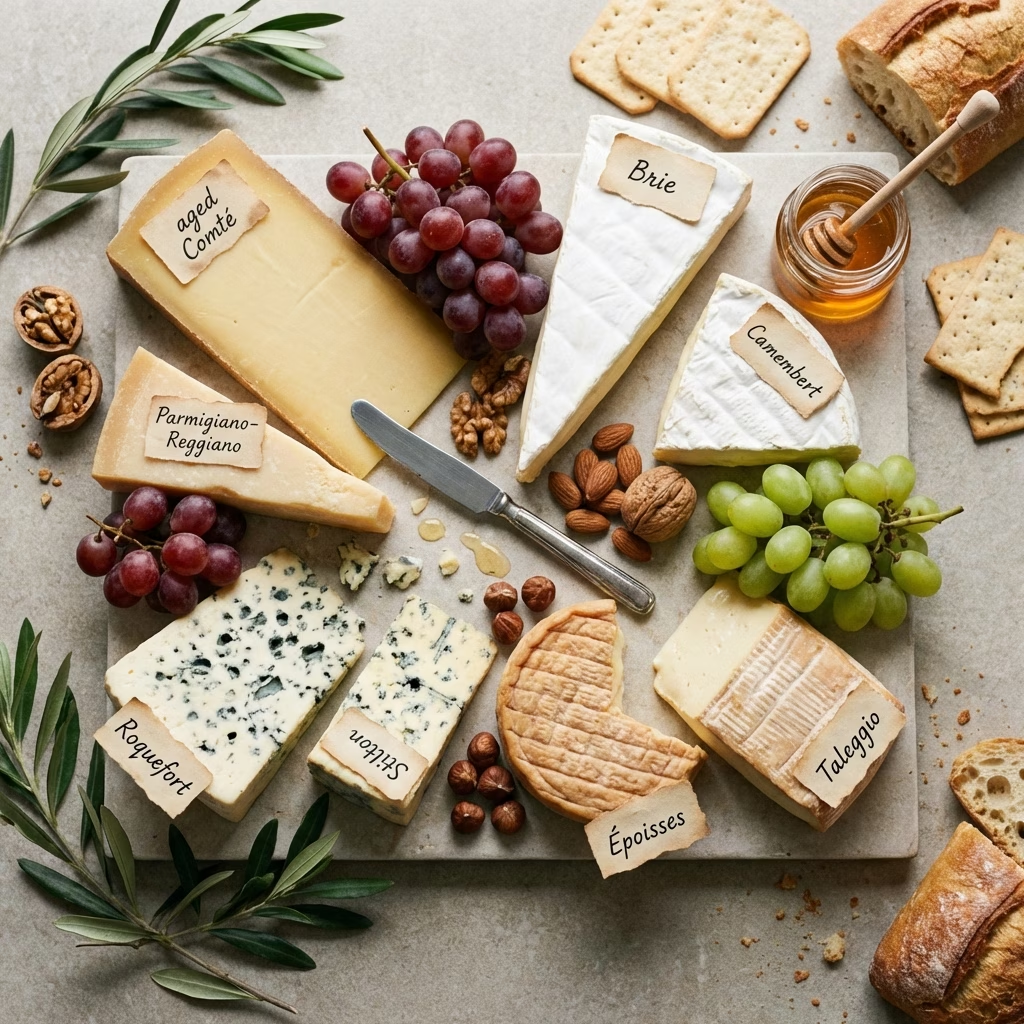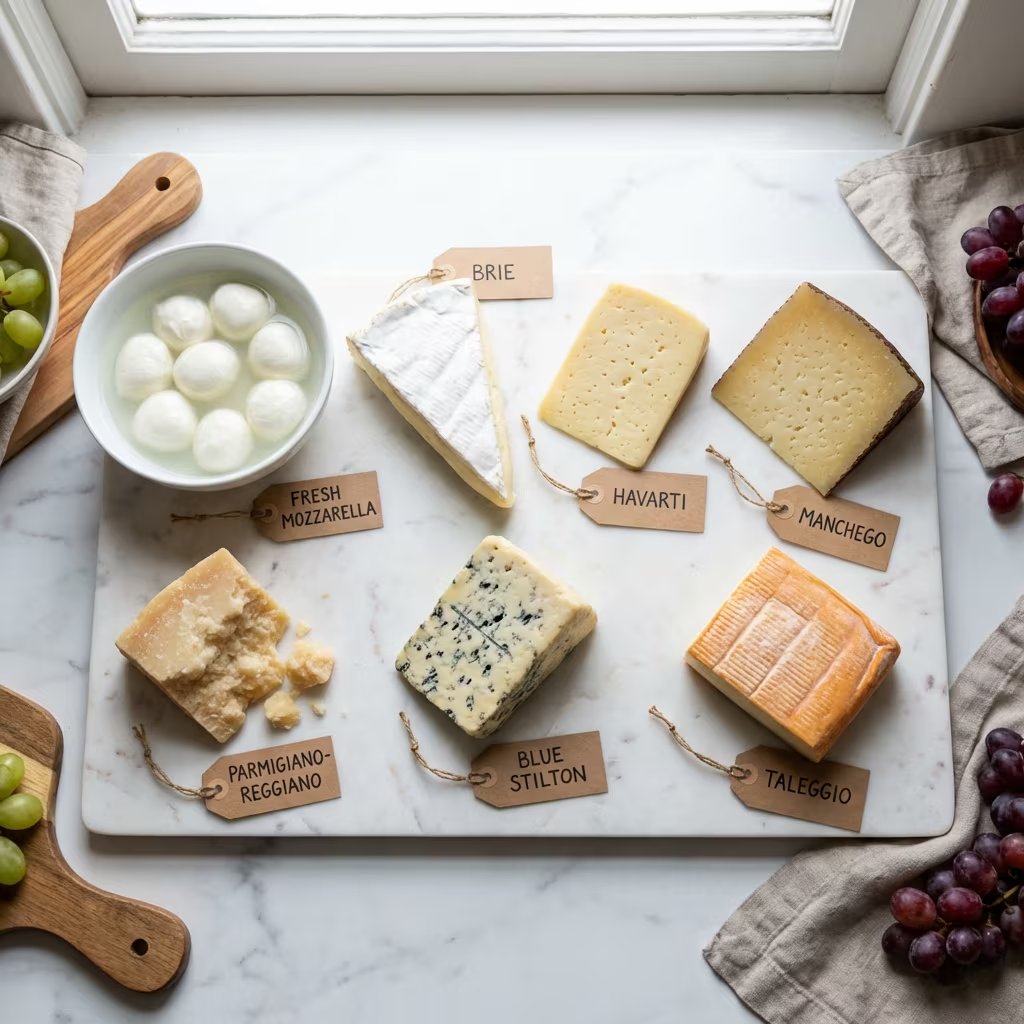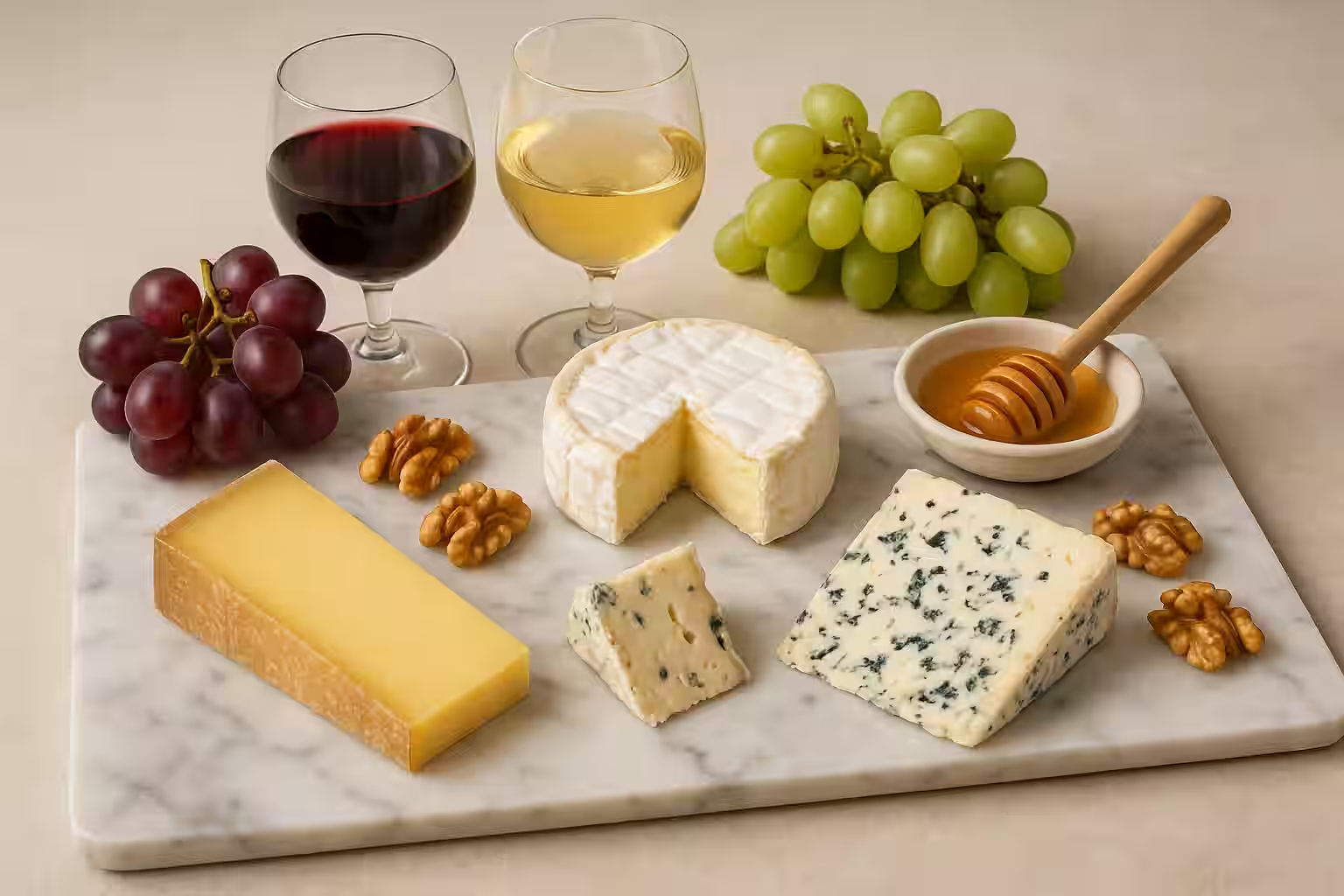
Wine and cheese are a classic for a reason: acidity, alcohol, and aroma make fat feel lighter and flavors feel brighter. But if you’ve ever watched a room of friends hover near a cheese board, you’ve also seen the quiet truth: people don’t actually want “wine pairings.” They want pairings that make them feel smart, taken care of, and invited.
Sometimes wine is perfect. Sometimes it’s not the best tool for the job.
Beer has bubbles and bitterness that behave like a palate brush. Cider offers apple-fruit acidity that can be both crisp and gentle. Spirits can create the kind of contrast that makes a simple bite feel theatrical. Tea, when you treat it with the same respect as wine, can be the most elegant partner of all. And a thoughtful non-alcoholic option doesn’t have to feel like the sad table at the party; it can be a deliberate pairing with its own logic.
The goal of this guide is not to give you a list you memorize. It’s to give you a way of thinking you can reuse. You’ll start noticing why certain combinations feel like they were made for each other, and you’ll be able to rescue a pairing that lands weird.
The forces at the table (why pairings work)
There are a handful of “levers” that do almost all the work in pairing. If you learn to recognize them, you can stop guessing.
Start with acidity. Acid is the fat-cutter, the reset button, the thing that makes a creamy cheese feel newly alive after the third bite. That’s why dry cider and sour beer can feel so effortless with triple-cream, and why a bright, citrusy non-alcoholic drink can make a board feel lighter.
Then there are bubbles. Carbonation is texture as much as flavor; it lifts fat, scrubs the palate, and keeps your mouth awake. In a room where people are nibbling slowly, bubbles are kindness.
Bitterness is the trickiest lever. A little bitterness can make salt feel vivid and appetizing. Too much bitterness can turn a salty cheese into something sharp and metallic. This is why a moderate IPA can be brilliant with cheddar, and why a very bitter IPA can make salty feta feel punishing.
Sweetness is another kind of kindness. It buffers salt and heat. It lets you serve a small piece of blue cheese without asking your guest to fight it. Sweetness doesn’t need to be dessert; it can be the gentle apple sweetness of cider, the round malt sweetness of a stout, or the honeyed edge of a tea.
Finally, aromatics are the bridge. Many pairings feel “right” because the aromas meet each other halfway: malt echoes toasted notes in aged cheese, hops echo herbs and rind funk, smoke echoes washed-rind drama.
Once you see these forces, you can stop treating pairing like an exam.
Pairing by cheese style (told the way you actually eat)
Fresh cheeses: bright, lactic, and honest
Fresh cheeses—chèvre, mozzarella, feta—live close to milk. They’re clean, tangy, and sometimes briny. They don’t need a heavyweight partner. They need something that keeps them crisp.
Dry cider is the easiest win: apple acidity behaves like lemon, but with more perfume. A pilsner works for the same reason, especially if the cheese is salty; the beer’s clean bitterness refreshes without dominating. Wheat beers can be surprisingly gentle here, especially when the cheese has a little sweetness of its own.
If you’re serving non-alcoholic options, sparkling water with lemon peel or grapefruit is not a consolation prize. It’s a clean, grown-up pairing that makes fresh cheese feel bright. Cold green tea can do something similar, adding a whisper of bitterness that makes salt feel more intentional.
The main caution is bitterness. If the cheese is very salty, very bitter beer can turn the experience harsh. In those cases, choose crisp and clean over aggressively hoppy.
Bloomy rinds: butter, mushrooms, and the need for lift
Bloomy-rind cheeses—Brie, Camembert, triple-creams—are the moment where people think they dislike cheese because they’ve only ever had it served too cold. Warmed properly, these cheeses taste like butter and mushrooms, like cream and forest floor.
They love bubbles and dryness. A saison is nearly perfect: peppery, carbonated, not sweet, with enough structure to keep the cheese from feeling heavy. A champagne-style cider plays the same role, with fruit perfume instead of spice.
For a more dramatic option, a gin and tonic can be unexpectedly beautiful. Juniper and citrus act like an aromatic counterpoint, and tonic’s bitterness cuts richness. If you want a non-alcoholic version that still feels intentional, try a strong black tea served sparkling (or simply chilled) with a twist of citrus—structure plus lift.
Washed rinds: drama on the nose, softness on the tongue
Washed rinds are the cheeses people fear and then love. They smell like a story you don’t yet understand, but on the tongue many are surprisingly gentle: meaty, savory, sometimes sweet.
This is where malty beer is your friend. A brown ale or dubbel brings caramel and toast, and those aromas feel like they were designed to meet a washed rind halfway. Cider also works, especially off-dry; a little sweetness buffers funk and makes the cheese feel round.
Spirits can be stunning here. Rye whiskey, with its spice and warm caramel notes, can make a small bite of Taleggio feel luxurious. For non-alcoholic pairing, ginger beer is one of the best tools in the whole category: spice, sweetness, bubbles, and enough personality to stand next to a loud rind.
If you’re hosting, the best move with washed rinds is not “more.” It’s smaller. A washed rind is fireworks; you don’t need a whole bonfire.
Alpine and cooked-curd cheeses: broth, nuts, caramel
Alpine cheeses—Gruyère, Comté, Appenzeller—taste like a winter stew without the bowl. They’re savory and nutty, sometimes sweet with caramel edges.
This is where malty lager becomes almost unfairly easy. An amber lager or Märzen echoes the cheese’s toast and sweetness. A bock takes that same idea and turns the volume up.
Cider is also excellent, especially a dry, crisp one. The acid keeps the cheese from feeling too rich, and the apple aroma feels clean next to nutty depth.
Tea can be quietly brilliant here. Oolong, especially toasted oolong, shares a roasted aroma that feels like an echo rather than a contrast.
If you want a pairing that almost everyone will like, Alpine cheese plus malty lager is the one to bet on.
Cheddar and aged firm cheeses: sharpness, salt, depth
Aged firm cheeses—cheddar, aged goudas, hard mountain cheeses—have concentration. They’re salty, nutty, sometimes sharp, and often deeply savory.
Moderately hoppy beer can be great here: bitterness meets salt and makes the bite feel more vivid. The key is moderation; aggressive bitterness can become abrasive with very aged, very salty cheeses.
Porters and stouts are the other classic move. Roast and cocoa notes feel like a natural bridge to aged cheese. Bourbon can work for the same reason—vanilla, caramel, and warmth—especially if the cheese has a sweet edge.
For a non-alcoholic option that doesn’t feel like an afterthought, think in the same direction: sweetness plus spice plus carbonation. Cola can actually do this well in small amounts. Strong black tea (served chilled) with a touch of honey can also carry that “structured sweetness” energy.
Blue cheese: salt loves sweetness
Blue cheese is where the pairing principle becomes almost literal: salt wants sweetness, and sweetness wants salt.
This is why stout works so often. Roast plus malt sweetness plus body gives blue cheese a frame. Sweet cider does something similar with fruit instead of roast. A dessert-leaning cocktail—bourbon with honey and lemon, for example—can turn blue cheese into a small, elegant event.
If you’re serving non-alcoholic pairings, don’t be timid. Strong black tea with honey can be excellent, and ginger beer can work if the blue isn’t too sharp.
Goat cheese: tang and herbs
Goat cheese often carries a tangy, herbal quality. It’s one of the easiest cheeses to pair when you remember that it likes brightness and gentle structure.
Saison works again here—peppery, dry, lively. Dry cider is a clean match. Sour beers can be a wonderful echo of tang if you like that style. On the non-alcoholic side, sparkling water with grapefruit peel is a small, elegant pairing that keeps the cheese feeling bright.
How to build a pairing flight people actually enjoy
The most common hosting mistake is abundance without intention: eight cheeses, ten drinks, and nobody knows where to start. A flight works when it tells a story.
Start by choosing a simple theme. You can use one cheese and multiple drinks to learn what the cheese likes, or one drink style and multiple cheeses to learn what the drink does. If you want something that feels coherent without effort, pick a region vibe (Alpine cheese plus lager, washed rind plus malty beer).
Then keep the cheese count small. Three cheeses is usually perfect: one creamy and gentle, one firm and savory, and one bold accent. This isn’t about limiting pleasure; it’s about giving each cheese the chance to be noticed.
For drinks, think like a host rather than a collector. One carbonated option keeps palates fresh. One malty or slightly sweet option helps bold cheeses feel friendlier. One non-alcoholic option invites everyone in.
Serve from light to bold. Let people warm up their palate before they hit the fireworks. And if you want a crowd-pleasing blueprint, it’s hard to beat triple-cream with saison, Comté with amber lager, and blue with stout.
Non-alcoholic pairings that feel intentional
The trick with non-alcoholic pairings is to stop trying to mimic wine. Instead, build around the same forces that make wine work: acid, bubbles, bitterness, aromatics.
Sparkling water with citrus peel is the simplest “this is on purpose” drink you can offer. Shrub sodas (fruit syrup with vinegar topped with soda) are another: they have acid, sweetness, and complexity. Kombucha adds fermentation character that can echo tangy cheeses beautifully. Ginger beer brings spice and sweetness that makes bold cheeses feel approachable. Cold-brew tea—black, oolong, hojicha—gives you structure without alcohol.
If you want pairing ideas without turning your table into a spreadsheet, keep it simple: fresh chèvre with sparkling citrus water, brie with strong tea, aged cheddar with cola or honeyed tea, and blue with ginger beer.
How to rescue a pairing that lands wrong
If a pairing feels too salty, don’t blame the cheese. Add sweetness or fat buffer: a little honey, jam, or dried fruit, or switch to a slightly sweeter drink like off-dry cider or stout.
If it feels too bitter, reduce bitterness rather than fighting it. Swap an IPA for a lager, or add citrus and bubbles on the non-alcoholic side.
If the cheese feels heavy, reach for bubbles and acid. This is where pilsner, dry cider, and sparkling water are quietly heroic.
If the pairing feels flat, add a bridge: toasted nuts, herbs, or a smoky element can make the connection obvious.
The takeaway
Pairing beyond wine isn’t about being clever. It’s about being hospitable.
When you’re unsure, remember the three forces that do most of the work: fat loves bubbles and acid, salt loves sweetness, and aroma loves a bridge. Build around those and you’ll almost always end up with a table that feels effortless—even when you’re pairing cheese with beer, tea, or something non-alcoholic.