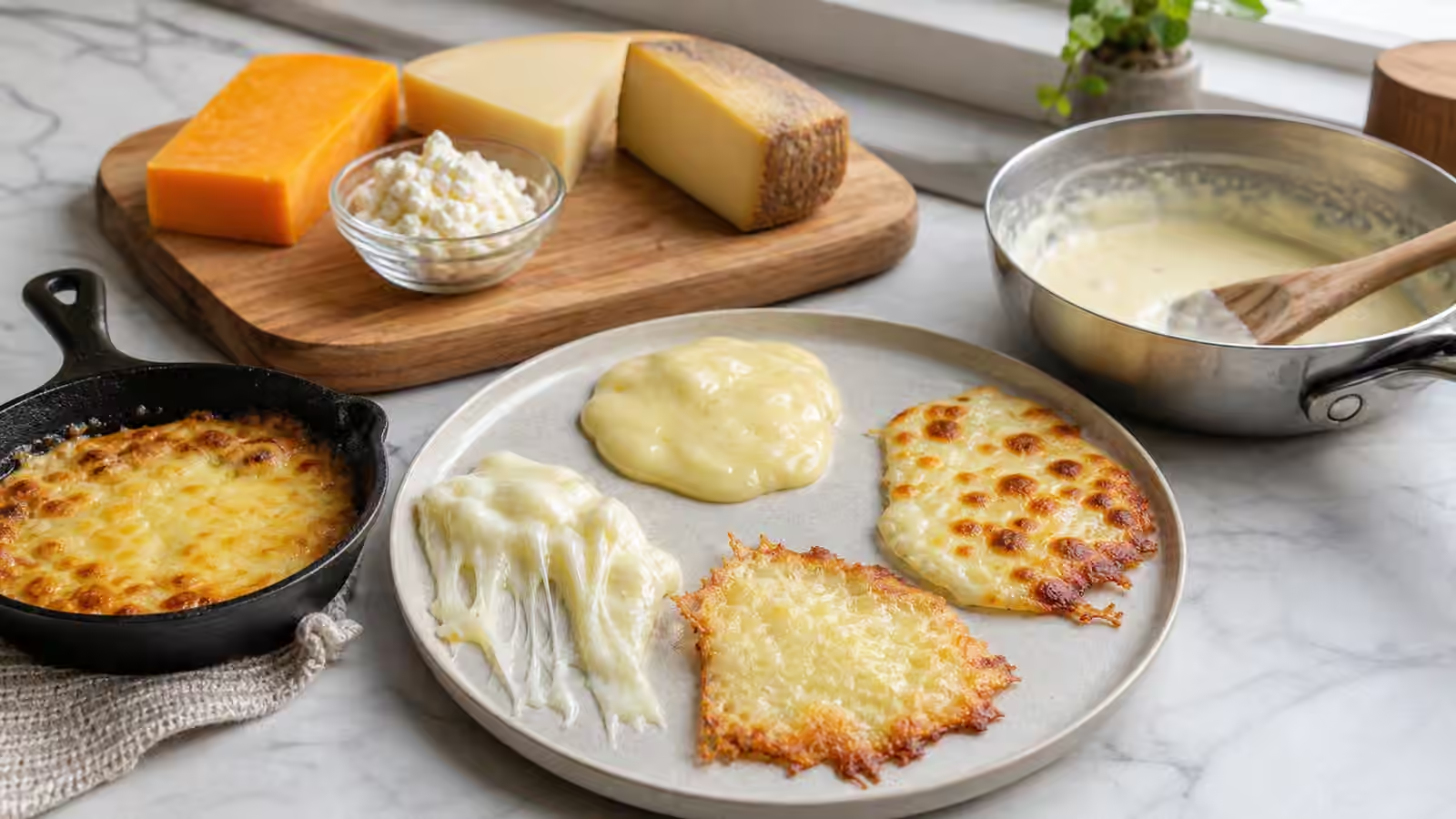
Cheese does not melt in one language. Some cheeses relax into glossy ribbons. Some turn creamy if you coax them with liquid. Some brown into a lacy crust before they ever flow. Some release oil, clump, or stay stubbornly firm in a hot pan. The difference is not kitchen luck. It is the result of moisture, acidity, fat, salt, age, curd structure, and how much heat the cheese has already survived before it reached your counter.
When a cook says a cheese melts well, they usually mean one of several things. They may want a long stretch for pizza, a smooth sauce for pasta, a browned top for a gratin, a creamy pocket in a baked dish, or a firm slice that softens without vanishing. Those are different jobs. A cheese that is ideal for one can be frustrating in another. Low-moisture mozzarella can stretch beautifully but taste quiet. Aged cheddar can bring deep flavor but break if heated hard. Halloumi can brown in a skillet because it resists melting, which is exactly why it would make a poor sauce.
This guide builds on Cheese Texture and Moisture and Cheese Sauce Without Breaking . The aim is not to memorize a chart. It is to recognize the signals that tell you whether a cheese wants gentle heat, moisture, blending, grating, or a hot surface.
Moisture decides how quickly cheese moves
Water is the first reason cheeses melt differently. Young cheeses usually hold more moisture. Their proteins are less concentrated, their texture is more flexible, and heat can loosen them quickly. That is why young mozzarella, Fontina-style cheeses, young Gouda, Havarti, and similar semi-soft cheeses often flow or stretch before they brown. They have enough water to move.
Aged cheeses have lost moisture. Their flavor is concentrated, but the paste is less willing to become a smooth blanket on its own. Aged firm cheese can soften and fuse, especially when grated finely, yet it often needs help from starch, water, fat, or another younger cheese if you want a sauce. The same dryness that makes an aged wedge wonderful for finishing pasta can make it grainy when it is dumped into a scorching pan.
This is why cut size matters. A thin grate melts before a cube does because heat reaches more surface area. A shaved aged cheese can soften on a hot dish without being asked to become sauce. A thick slab of the same cheese may sweat on the outside while staying firm inside. The grater is not a garnish tool. It is a temperature tool.
Age gives flavor and takes away forgiveness
Age changes cheese by removing water and altering proteins and fats. It can create crystals, savory depth, nuttiness, and sharpness. It also makes many cheeses less elastic. The older the cheese, the more careful you need to be if you want smoothness.
This does not make aged cheese bad for cooking. It makes it powerful. A little aged cheddar in a macaroni sauce can give the dish a clear cheese flavor that mild melters cannot provide alone. A hard grating cheese can turn pasta water and butter into something glossy if it is finely grated and stirred off direct heat. Aged Gouda can be beautiful in small shavings over warm vegetables. The problem comes when the cook asks age to do the whole job.
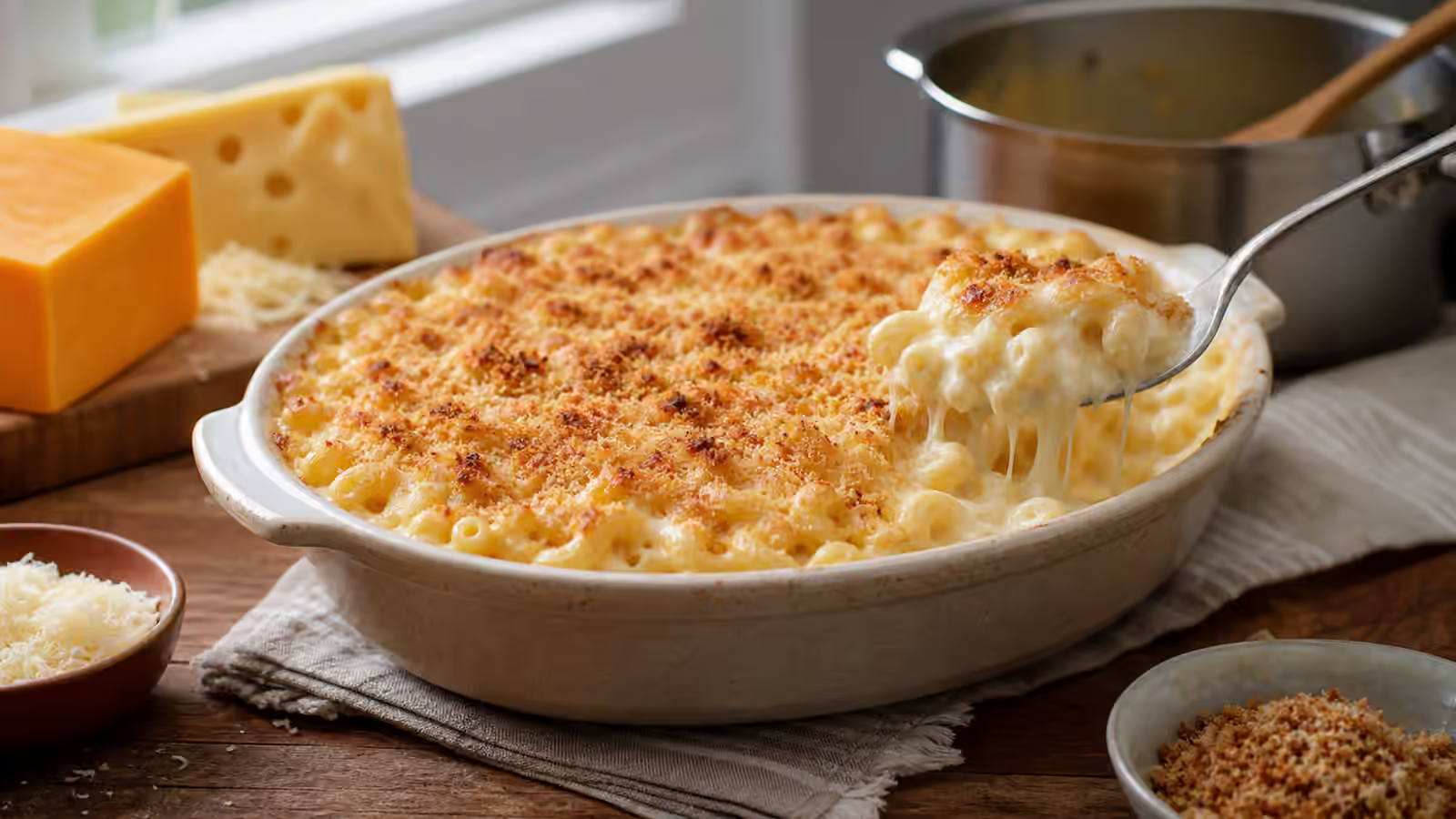
Blending is often the quiet solution. A younger melting cheese supplies body and movement. An aged cheese supplies flavor. That is why many reliable sauces and baked dishes use more than one cheese, even when the recipe looks simple. The blend is not extravagance. It is engineering in the most domestic sense.
Acidity can protect shape or disturb smoothness
Acid-set cheeses such as paneer, queso fresco-style cheeses, and some fresh cheeses behave differently because acid changes how milk proteins bind. They can soften, but they do not always stretch or melt in the way rennet-set cheeses do. This is useful when you want cubes that hold shape in a pan, a curry, or a soup. It is disappointing when you expected a smooth pull.
Brined cheeses can surprise people for similar reasons. Feta can soften and become creamy around the edges, especially when baked with oil and vegetables, but it will not become a mozzarella-like sheet. It tends to crumble, slump, and season the dish. That is a good quality when you use it honestly. Brined Cheese: Feta, Halloumi, and Friends is useful background because salt and brine affect both texture and heat behavior.
Acidity also matters inside sauces. Too much acid, added at the wrong time, can encourage proteins to tighten. Tomato, wine, lemon, and vinegar can all work with cheese, but they ask for timing. Often the sauce base should be stable before the cheese enters, and the cheese should be added gently rather than boiled into submission.
Stretch is not the same as flavor
Stretch comes from a flexible protein network. Stretched-curd cheeses are famous for it because their curd has already been worked into alignment. Low-moisture mozzarella is the kitchen standard for pizza because it can melt, stretch, and brown without flooding the crust. Fresh mozzarella tastes milky and delicate, but it carries more water, so it can make a pizza wet unless the cook controls slices, drainage, heat, and baking time.
Stretch can make food joyful, but it can also distract from flavor. A cheese pull does not guarantee depth. Mild melters often need help from sauce, herbs, salt, aged cheese, roasted vegetables, or browned edges. A grilled cheese sandwich made only with a very mild melter may look perfect and taste flat. Add a little sharper cheese, mustard, onion jam, pickles, or browned butter and the melt suddenly has a reason.
Stretched-Curd Cheese explains that family in more detail. For cooking, the practical lesson is simple: choose stretch when you want structure and drama, then add flavor from somewhere deliberate.
Browning needs dryness and surface heat
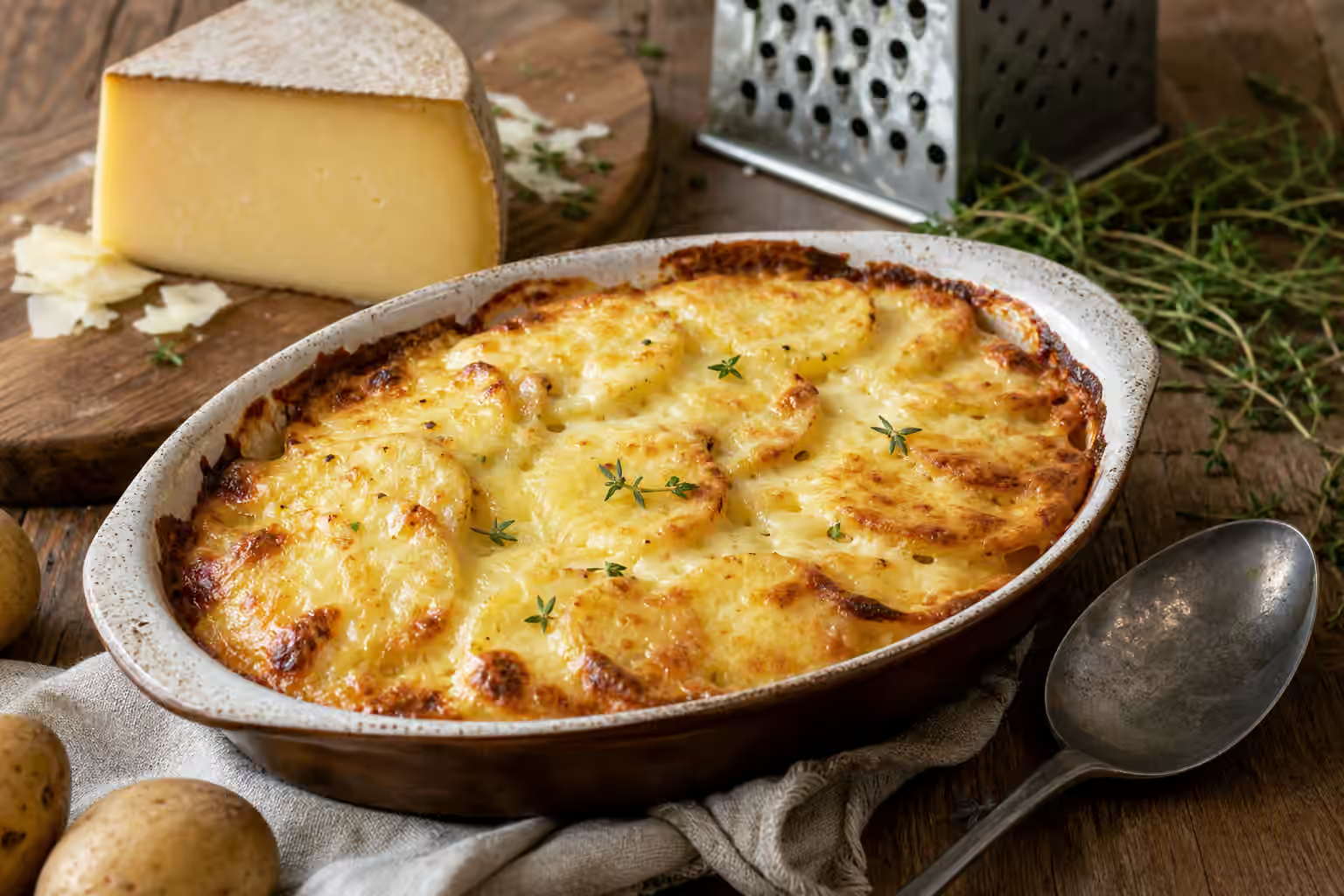
Browning is different from melting. A moist cheese may melt before it browns. A drier cheese may brown at the edges and become crisp. In a gratin, the most appealing top often comes from a mix of moisture and dryness: enough melting cheese to coat the surface, enough aged or drier cheese to brown, and enough exposed sauce or crumbs to keep the top varied.
Heat intensity matters. A gentle oven may melt cheese into a pale layer. A hot broiler can brown the surface before the inside overcooks. A skillet can create a crisp cheese frico from a hard grating cheese because the cheese is thin, the moisture escapes, and the fat helps the proteins toast. That same cheese in a deep pile may turn greasy before it crisps.
Browning also concentrates salt. A cheese crust that tastes savory in small lacy pieces can be too salty if the whole dish is buried under it. Use browned cheese as punctuation. Let vegetables, potatoes, pasta, bread, or eggs keep their own voice underneath.
Oil is a message, not a disaster
When cheese releases oil, it is telling you that fat has separated from the protein and moisture structure. Sometimes that is fine. Pepperoni pizza, toasted raclette edges, and baked cheddar tops all carry a little visible fat. The problem is when the oil makes the dish feel slick and the cheese turns tough or grainy.
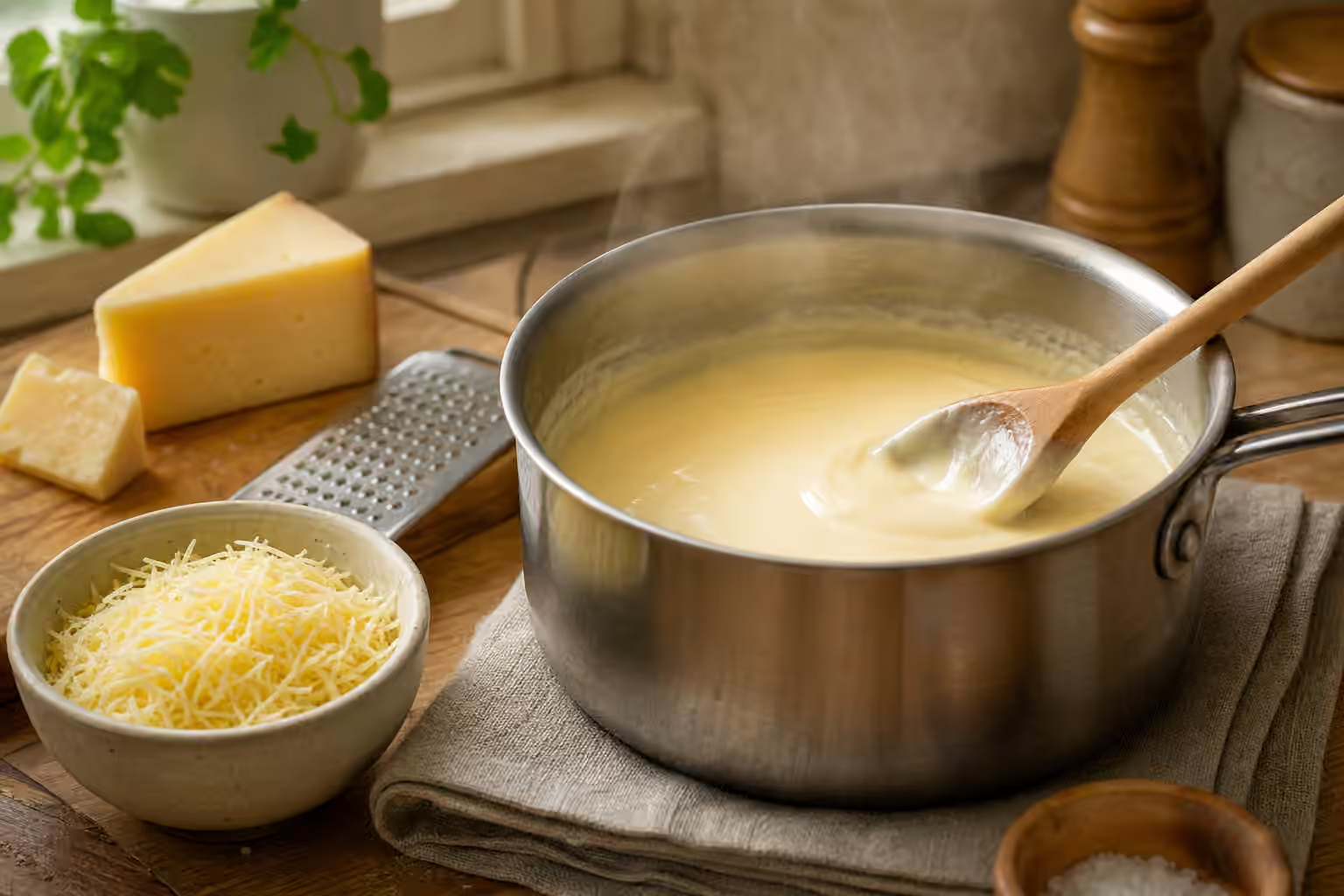
Hard heat is the usual cause. Cheese that is boiled, broiled too long, or held warm for too much time can break. So can a sauce without enough liquid or starch. Lower heat, smaller pieces, steady stirring, and a little stabilizing liquid make a difference. In sauces, flour, starch, evaporated milk, pasta water, or a smooth base can help the fat stay distributed. In baked dishes, enough sauce and a shorter final heat can protect the cheese.
If a cheese breaks, do not always add more cheese. More cheese can make the separation worse. Add warmth gently, add liquid carefully, and whisk or stir until the sauce has somewhere to go. If it cannot be rescued as sauce, it may still be useful as a baked filling or savory topping.
Non-melters deserve their own respect
Some cheeses are valuable because they resist melting. Halloumi, paneer, bread cheese, and similar firm styles can be seared, grilled, or simmered while keeping shape. Their job is not to disappear. Their job is to give browned surfaces, chew, salt, and contrast.
This is why the question “Will it melt?” is incomplete. Sometimes you want the answer to be no. Non-Melting Cheese for Searing covers that kitchen path directly. In a meal, a seared non-melter can do what melted cheese cannot: sit on vegetables, grains, or salad as a warm, distinct protein-rich piece with crisp edges.
The more you cook with cheese, the less you treat melt as a single virtue. You learn to ask what kind of movement you want. Flow, stretch, soften, brown, crisp, hold, or dissolve. Each is useful. The best cheese for the dish is the one whose behavior matches the heat, moisture, and texture you are building.