Cheese can change a pot of soup or beans without turning it into cheese soup. A rind can deepen broth. A handful of grated hard cheese can finish a bowl. A small crumble of brined cheese can season beans. A gentle melting cheese can enrich a vegetable soup if the heat is kind. The best use is usually quiet, not heavy.
This is where cheese behaves less like a topping and more like a seasoning system. It brings salt, fat, umami, acidity, body, and aroma. Used well, it makes broth taste longer and beans feel more complete. Used carelessly, it can make a pot greasy, grainy, or too salty.
Leftover Cheese Scraps covers the general habit of using ends and rinds. This guide focuses on liquid food: soups, beans, stews, brothy grains, and bowls where cheese has to meet water without losing itself.
Rinds Infuse, They Do Not Melt
Hard cheese rinds are often useful because they give flavor slowly. A clean rind from a hard grating cheese can simmer in beans, minestrone-style soup, vegetable broth, or a simple tomato soup and add savory depth. It will not melt like grated cheese. It softens, releases flavor, and usually gets removed or nibbled depending on texture.
Not every rind belongs in a pot. Wax, cloth, paper, leaves, and coatings are not soup ingredients. Natural rinds that taste bitter, dusty, or unpleasant should not be used just because they are expensive. The rind should smell clean and food-like. If it has picked up stale refrigerator odor, it will share that odor with the whole pot.
Add rinds early enough that they can steep, then stir occasionally so they do not stick to the bottom. In long-cooking beans, the rind can stay for much of the cooking. In a quick soup, it may need a smaller pot or less liquid to make an impact. Remove it before serving if the texture is leathery or awkward. The flavor has already done its work.
Grated Cheese Finishes Better Than It Boils
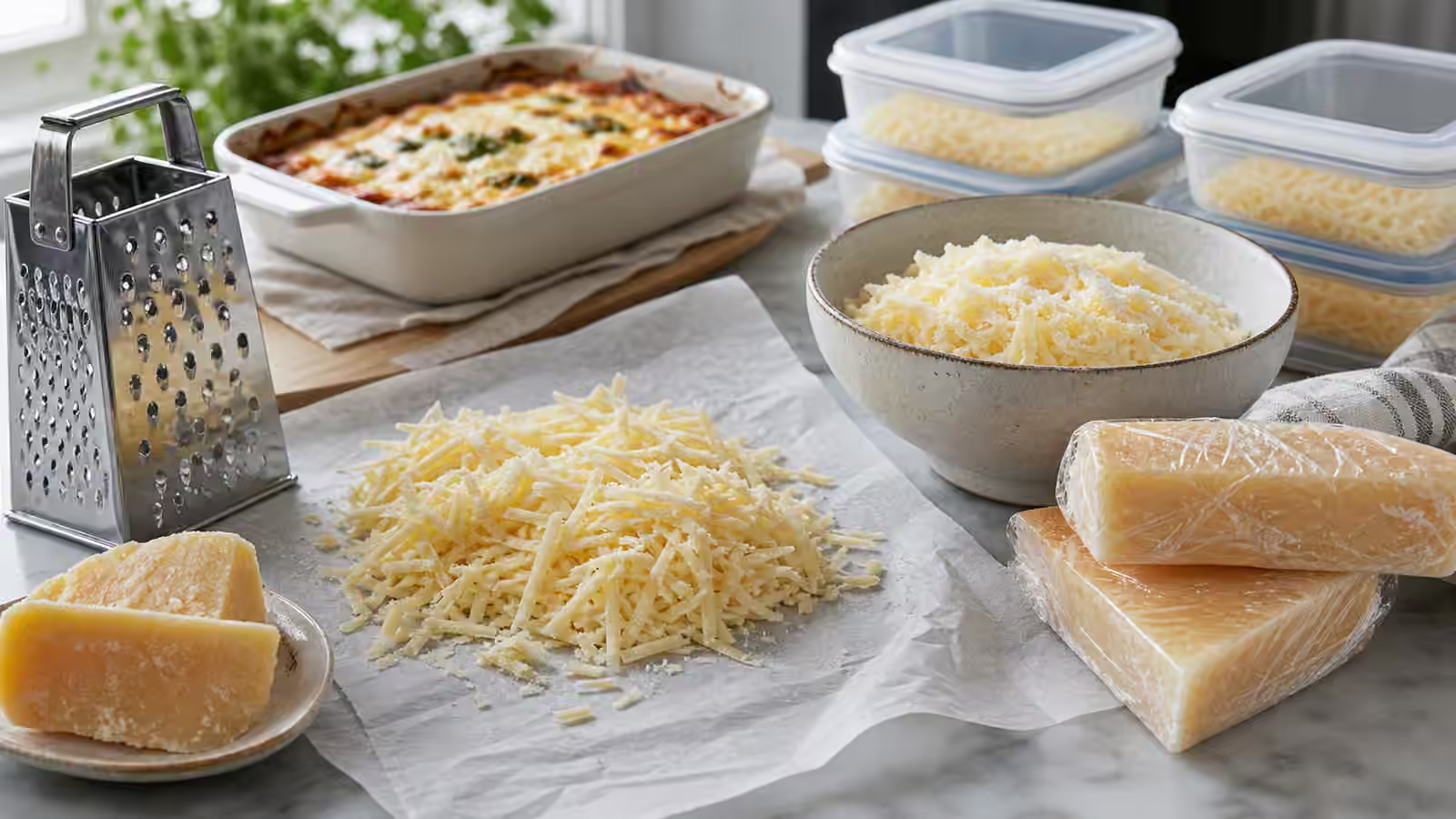
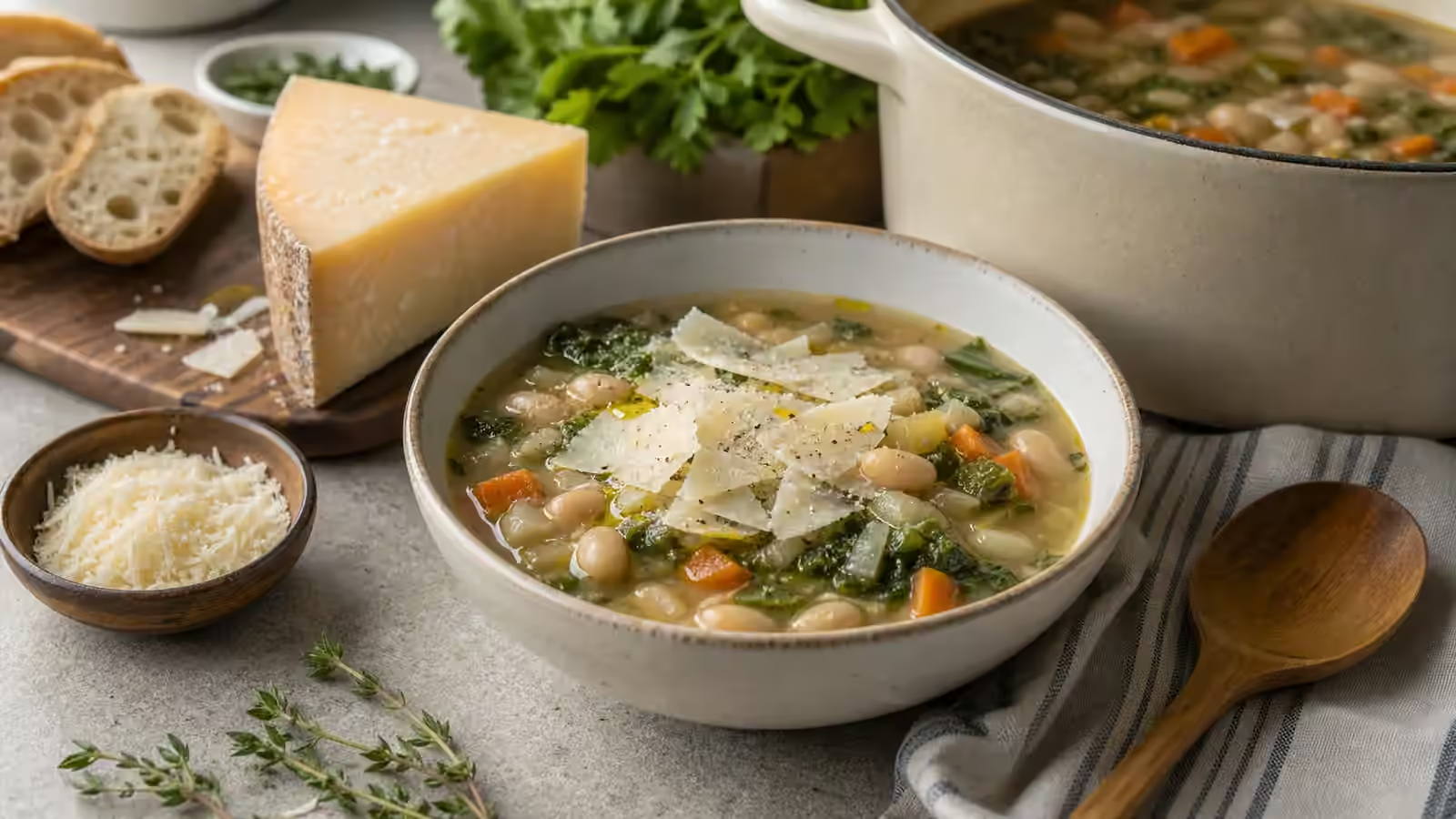
Grated hard cheese is often best added at the bowl, not boiled in the pot. Heat releases aroma quickly, and the broth carries salt through the bite. If you boil grated cheese aggressively, especially aged dry cheese, it can clump, sink, or turn grainy. Finishing keeps the texture cleaner and lets each person control intensity.
This is why a shower of hard cheese over soup can feel more satisfying than a large amount stirred into the pot. The cheese lands on hot liquid, softens, perfumes the bowl, and stays present. It also avoids making the entire pot too salty. If the soup will be stored and reheated, finishing at the table is even wiser because repeated heating is rough on cheese.
For beans, grated cheese can act like a final seasoning. White beans with olive oil and hard cheese, lentils with a little aged sheep milk cheese, or chickpeas with a small amount of grated alpine-style cheese all show the same pattern. The cheese does not need to dominate. It gives a savory edge that makes the beans taste less flat.
Melting Cheese Needs Gentle Liquid
Some soups do need cheese melted into the body. Potato soup, broccoli soup, cauliflower soup, onion soup, and bean purees can all carry cheese beautifully. The risk is heat. Boiling after cheese is added can make the texture split or grainy, especially with aged cheese.
The safer method is to finish the soup first, lower the heat, then add grated cheese gradually. A smooth base helps. Starch from potatoes, beans, flour, or vegetables can stabilize the cheese. A little dairy can help too, but it is not a license to boil. Once cheese is in, the pot should be warm enough to melt and no hotter than necessary.
Choose cheeses by behavior. Young cheddar, Fontina, Gruyere-style cheese, Jack, and young Gouda can melt into soup more gracefully than very dry aged cheese. Aged hard cheese can add flavor, but it often works better in small amounts with a reliable melter. Cooking with Cheese explains this blend strategy in sauces, and soup follows the same logic with more liquid.
Brined and Fresh Cheeses Work as Contrasts
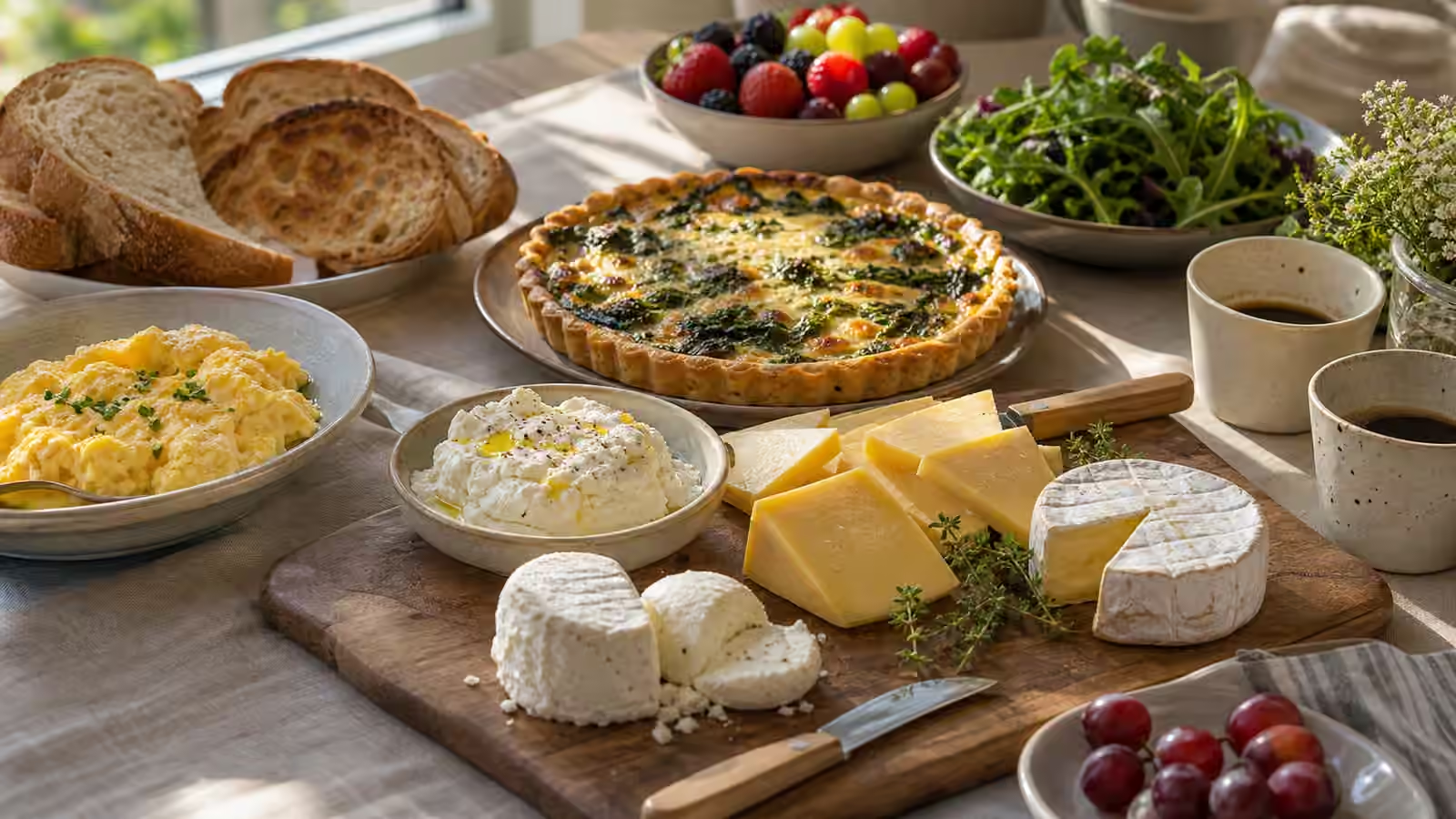
Not all cheese in soup should melt. Feta-style cheese, fresh goat cheese, ricotta salata-style shavings, queso fresco, and similar cheeses can sit on top of hot beans or soup and soften just enough. They add contrast: cool or warm, salty or tangy, crumbly or creamy. This is especially useful when the soup itself is earthy or sweet.
Brined cheese with lentils, chickpeas, tomato soup, greens, squash, or beans can make the bowl feel finished. The salt spreads quickly, so use less than you think at first. Fresh goat cheese can soften into vegetable soup or bean puree, adding tang and creaminess without becoming a full cheese sauce. Ricotta can be spooned into brothy greens or tomato soup when the dish needs gentleness.
The key is to let these cheeses keep some identity. If a brined cheese is boiled into a soup, it may toughen, lose contrast, or oversalt the broth. If a fresh cheese is stirred hard into a very hot pot, it may grain or disappear. Add them to the bowl, or fold them in gently at the end.
Bread, Herbs, and Acid Complete the Bowl
Cheese in soup often needs a supporting frame. Bread gives chew and absorbs savory broth. Herbs lift fat and salt. Lemon, vinegar, tomatoes, or pickled vegetables can keep cheese from making the bowl feel heavy. Without those counters, cheese can flatten a soup rather than deepen it.
This is especially true with bean soups. Beans are creamy and earthy. Cheese adds salt and savor. Acid makes both taste clearer. A bowl of white beans with hard cheese and olive oil may still need lemon or vinegar to feel alive. A tomato soup with melting cheese may need basil, pepper, or a crisp toast to keep the texture from becoming monotonous.
The cheese should match the broth. Clear broths usually want a rind infusion or a finishing shave, not a heavy melt. Pureed soups can take more body. Chunky bean stews can handle crumbles and grated finishes. Thin vegetable soups may need only a small amount of hard cheese at the table.
Cheese is powerful in liquid because liquid carries flavor everywhere. That is the gift and the danger. Start with a rind, a finishing grate, or a small crumble before turning the whole pot into a cheese dish. When the balance is right, the soup still tastes like beans, vegetables, broth, or grains. It simply has a deeper finish, a warmer aroma, and a reason to ask for another piece of bread.