Cheese changes baked goods in more ways than flavor. It brings salt, fat, moisture, protein, browning, aroma, and sometimes enough structure to change the crumb. A cheddar biscuit is not just a plain biscuit with cheese added. A cheese straw is not just pastry with seasoning. The cheese becomes part of how the dough behaves under heat.
That is why baking with cheese rewards restraint. Too little cheese and the finished bake tastes timid. Too much and the dough can become greasy, dense, salty, or heavy. The best results come from matching the cheese to the role it should play. Sometimes cheese is the main flavor. Sometimes it is a background savor. Sometimes it is a crisp edge, a tender pocket, or a salty finish on top.
If Cooking with Cheese is about sauces and melting, baking asks a slightly different question. What happens when cheese meets dry heat, flour, butter, yeast, pastry, and time? The answer depends on moisture and cut size before it depends on the name of the cheese.
Grating Decides Distribution
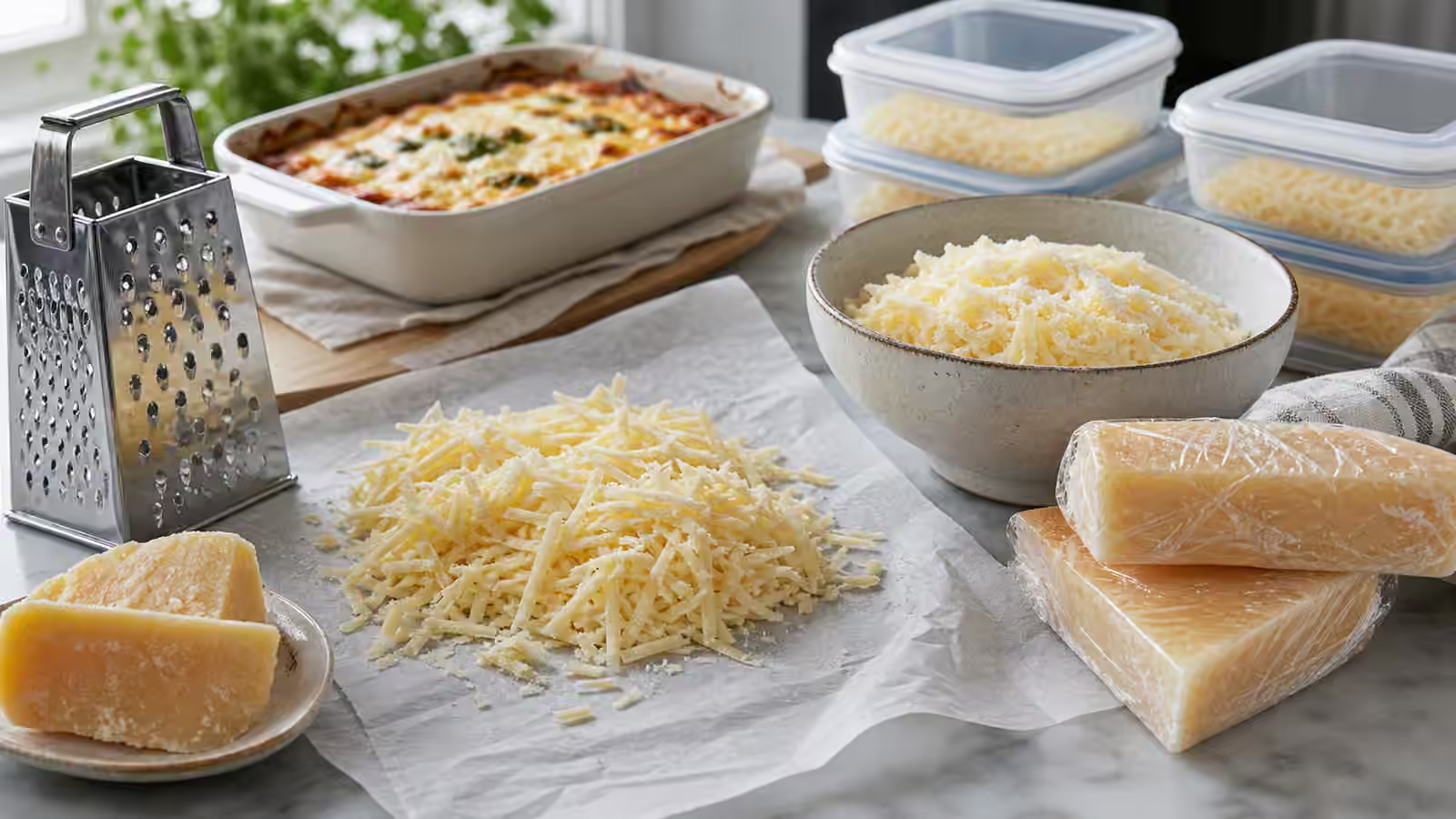
The way cheese is cut determines how it moves through dough. Finely grated cheese disperses widely, seasoning the whole bake and encouraging even browning. Coarser shreds create visible ribbons and occasional soft pockets. Small cubes create distinct bites, which can be delightful in scones or breads but awkward in delicate pastry if the pieces are too large.
Hard aged cheeses are best used finely grated when the goal is seasoning. Parmigiano-Reggiano-style and Pecorino-style cheeses bring deep savor and salt, but they can become gritty or harsh in large pieces. A small amount worked through dough can make crackers, pie crust, breadsticks, and biscuits taste more finished. A heavy hand can make the bake taste like salt before it tastes like cheese.
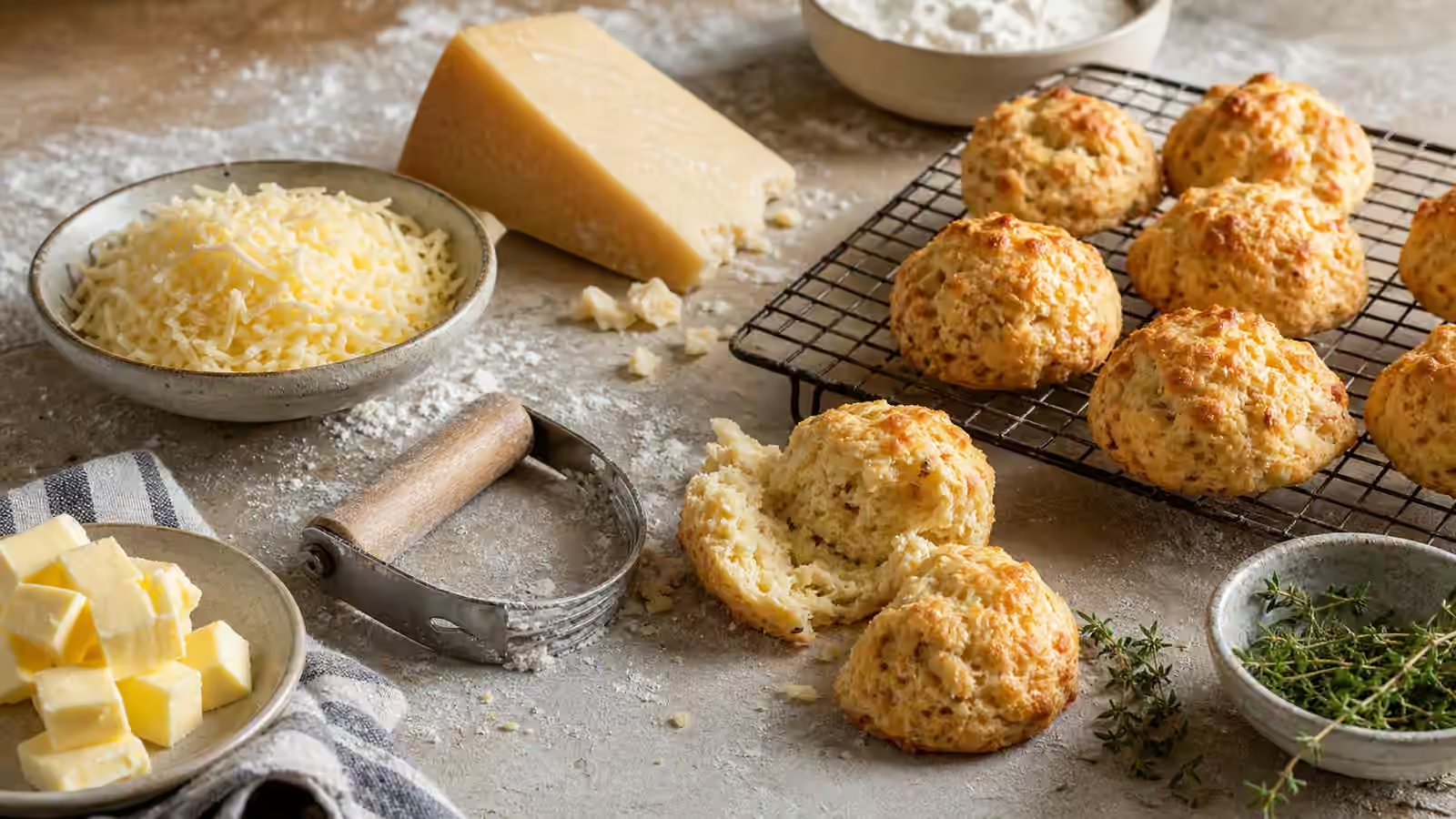
Semi-firm cheeses such as cheddar, Gruyere-style, young Gouda, and alpine-style wedges can handle larger shreds. They melt, brown, and leave visible traces. If you want a cheese biscuit with personality, a medium grate often works better than a powder-fine grate because the cheese remains present. If you want a delicate savory crust, fine grating gives more control.
Moisture Changes the Dough
Cheese carries water, and water changes baking. Fresh mozzarella, ricotta, cottage cheese, and very moist fresh cheeses can make dough wet unless the recipe is built for them. That is not a defect. It is a design question. Ricotta can make a tender cake or biscuit when the formula expects it. Fresh mozzarella can make a bread soggy if it is added casually.
Firmer cheeses are easier because they add less loose moisture. Even then, cheese changes the dough. Fat can tenderize. Salt can tighten flavor and affect yeast. Melted cheese can create pockets that weaken structure if there is too much of it. A dough that felt correct before cheese may feel sticky after the cheese is folded in, especially if the cheese is warm or oily.
Keep cheese cold when working with tender doughs. Cold cheese behaves more like an inclusion. Warm cheese smears, especially in biscuits, scones, and pastry. That smearing can make the dough greasy and reduce the clean layers you worked to build. The same cold-hand logic that protects butter protects cheese.
Salt Needs Rebalancing
Cheese is seasoning. Some cheeses are mild enough that the recipe still needs its normal salt. Others carry so much salt that the dough needs less. Aged hard cheeses, blue cheeses, brined cheeses, and many sharp cheddars can push a bake over the line quickly.
The safest habit is to taste the cheese before adjusting the dough. A mild young cheese may need help from salt, pepper, mustard powder, herbs, or a little cayenne. A salty aged cheese may need only a small supporting amount. In yeasted breads, salt also affects fermentation, so do not remove all recipe salt just because the cheese tastes salty. Instead, reduce gently and let the cheese carry the finish.
Blue cheese is powerful in baking. It can be beautiful in shortbread, biscuits, savory tart dough, and breads with walnuts or pears, but it needs small amounts and good partners. The lessons in Blue Cheese: Veins, Salt, and Serving matter here because heat can amplify salt and aroma. A restrained crumble can make a bake memorable. Too much can make it taste sharp and tired.
Browning Is Flavor and Warning
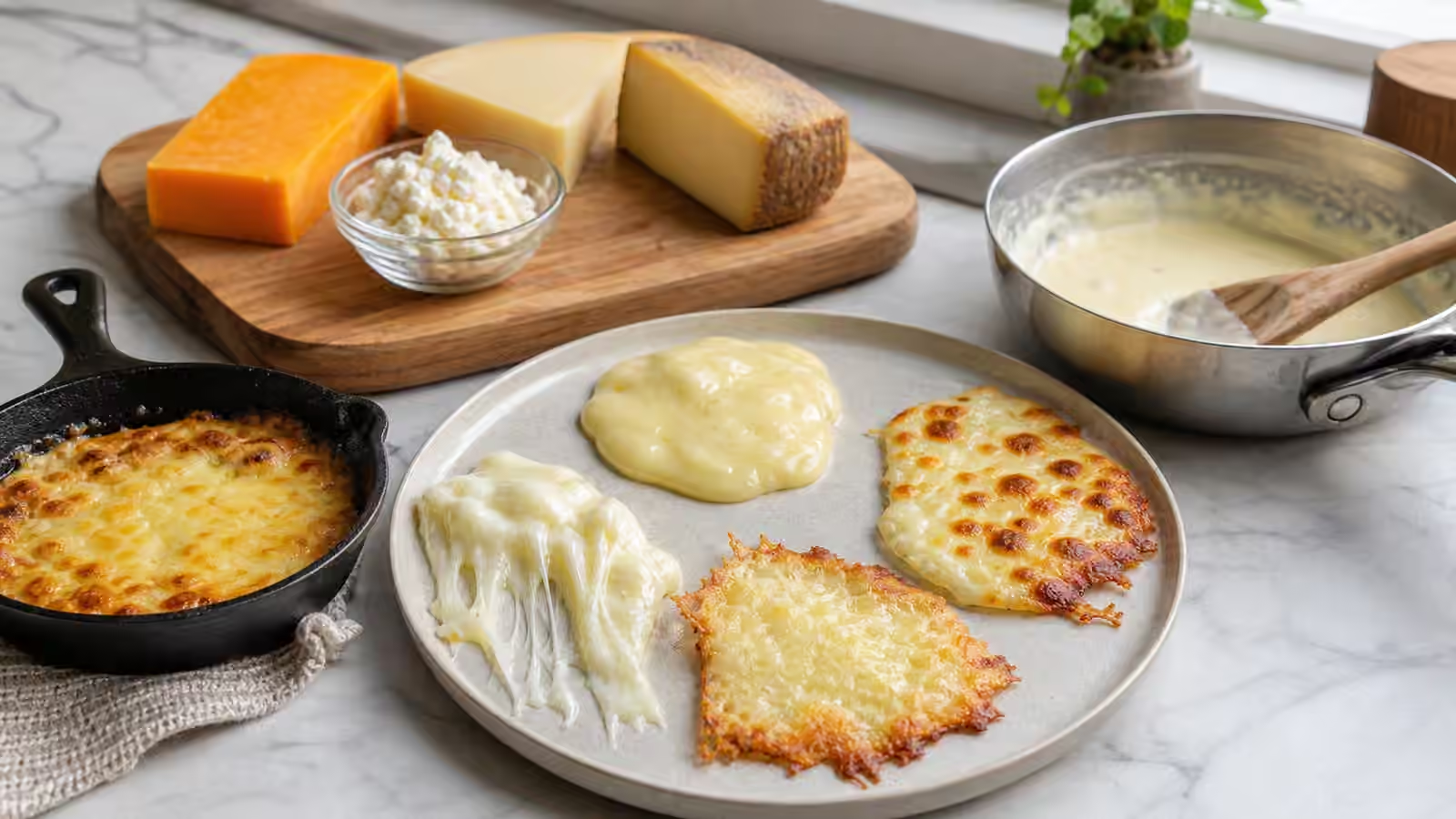
Cheese browns because proteins, sugars, and fat react under heat. That browning is one reason cheese bakes smell so good. The crisp lace at the edge of a cheese cracker, the golden cap on a biscuit, the browned pocket in a loaf, and the toasted bits on a savory tart all come from heat concentrating cheese flavor.
But browning can run ahead of the dough. A cheese-topped bread may look done before the crumb has finished baking. A high-fat cheese can leak and fry the bottom of a biscuit. Sugary additions such as onion jam or sweet chutney can darken quickly when combined with cheese. Watch the bake as a whole, not only the cheese color.
For toppings, add cheese at the right time. Some breads can take cheese from the beginning. Others benefit from cheese added partway through so it melts and browns without burning. In a savory pie or tart, a thin cheese layer can protect the crust from wet fillings, but too much can create a greasy barrier. Cheese is useful, but it is not a universal sealant.
Choose Cheese by Job
For biscuits and scones, cheddar and alpine-style cheeses are reliable because they bring flavor without too much loose water. For crackers and pastry, hard aged cheeses work well because fine grating spreads savor through the dough. For breads, semi-firm cheeses can be folded in as shreds or cubes, while stronger cheeses should be used with more restraint. For rich fillings, fresh cheeses such as ricotta or goat cheese need a formula that expects their moisture.
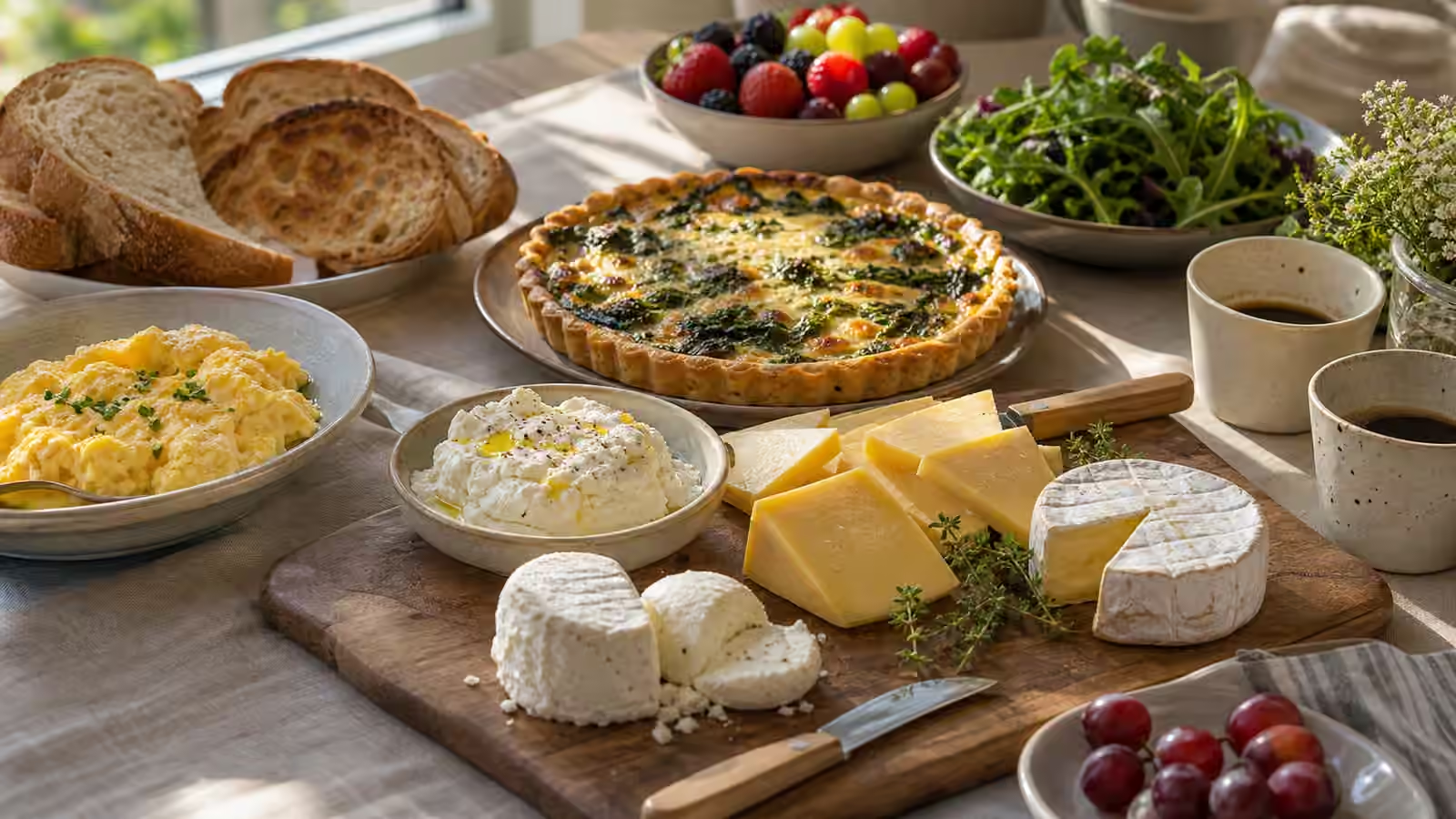
The serving context matters too. A cheese biscuit beside soup can be saltier and stronger than a breakfast scone. A cheese bread for sandwiches should not be so intense that it fights every filling. A savory tart can hold a louder cheese if the vegetables, eggs, or cream around it are gentle.
Cheese Texture and Moisture gives the best shortcut. If the cheese is dry and intense, use it as seasoning. If it is semi-firm and grateable, let it become part of the dough. If it is wet and fresh, build the dough or filling around that moisture instead of pretending it is not there.
Cheese makes baking feel abundant, but abundance is not the same as excess. The best cheese bakes still taste like bread, pastry, biscuit, or crust. The cheese gives them depth, browning, aroma, and little moments of salt. It should make the bake more itself, not turn every crumb into a heavy block of melted fat.