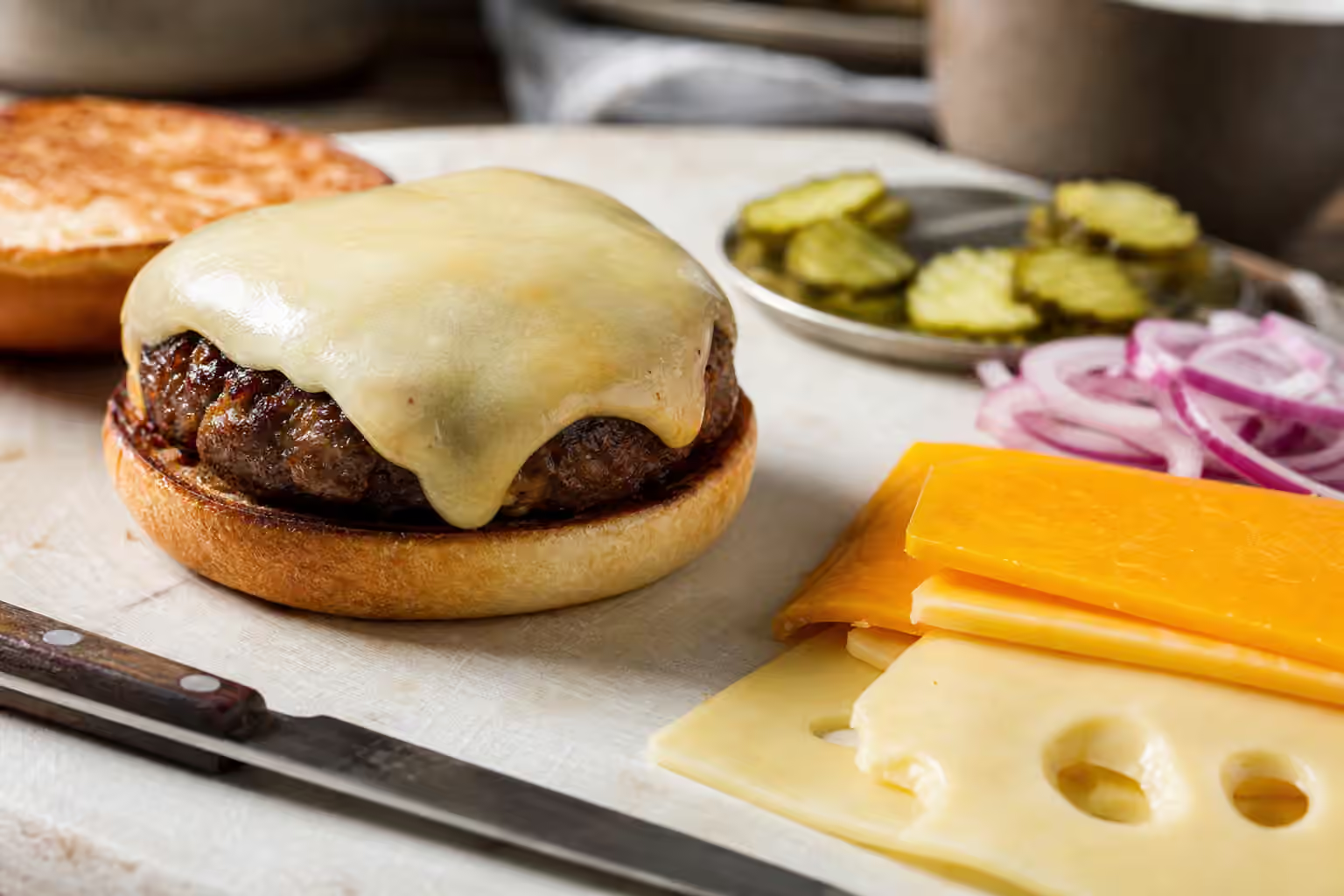
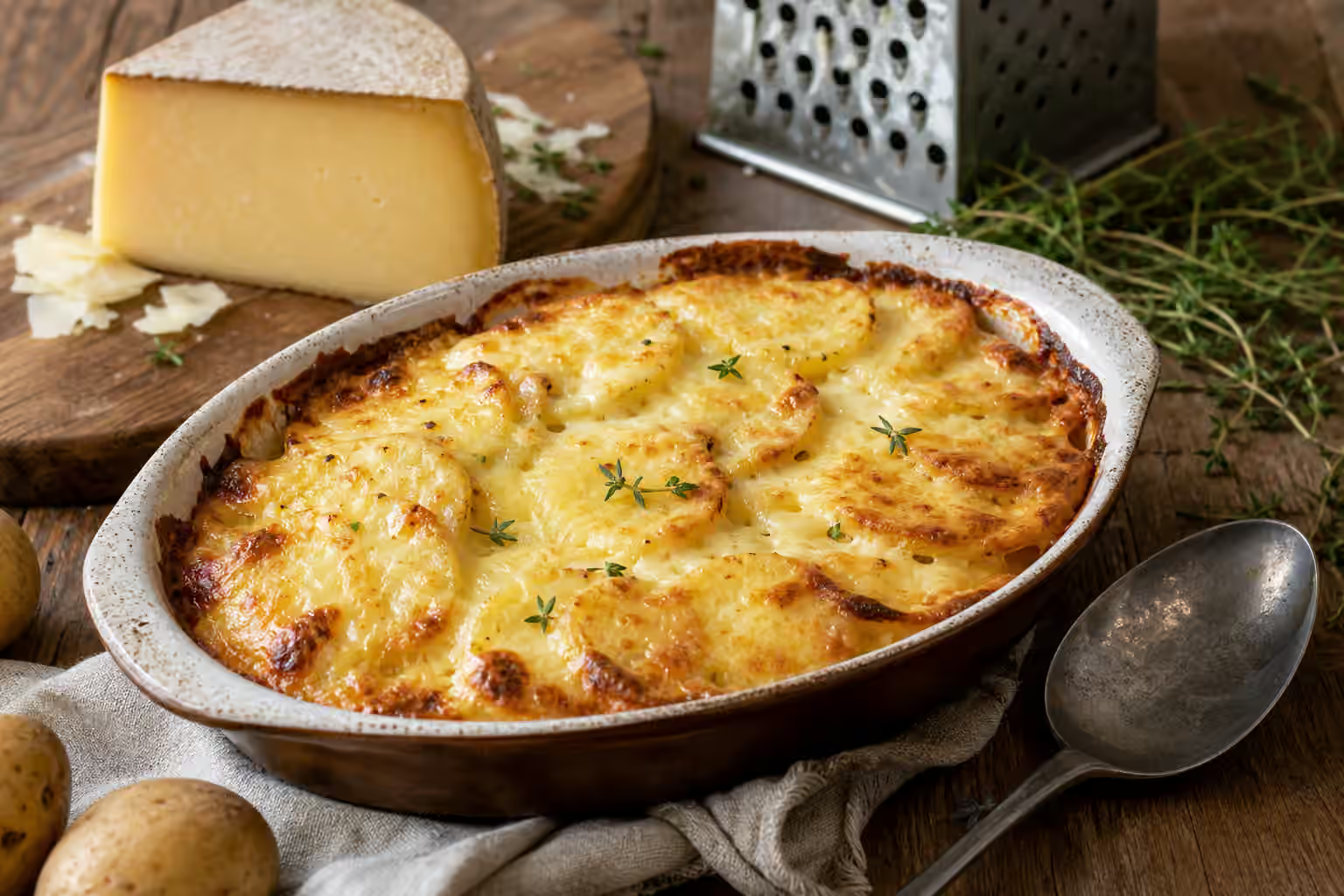
Cheese in a sandwich has a harder job than cheese on a board. It has to taste good while competing with bread, fat, heat, condiments, and whatever else you stack around it. It may need to melt, slice cleanly, hold moisture, add salt, or behave as the main filling. A beautiful wedge can make a disappointing sandwich if its texture and salt are wrong for the job.
The broad kitchen science lives in Cooking with Cheese . This guide is narrower and more everyday. It asks how cheese behaves between bread and heat, and how to choose a piece that gives you melt, flavor, and structure without turning greasy, rubbery, or flat.
The sandwich decides the cheese
Start with the sandwich, not the cheese. A cold sandwich needs sliceability, clean bite, and enough flavor to register through bread. A grilled cheese needs melt and stretch, but also enough acidity or age to keep the filling from tasting bland. An open-faced toast may need a cheese that browns, bubbles, or softens without soaking the bread. A pressed sandwich needs a cheese that can act like glue without leaking all over the pan.
Young and semi-soft cheeses are reliable when melt is the main goal. Young gouda, havarti, fontina-style cheeses, mild cheddar, mozzarella, and some alpine-style cheeses soften smoothly because they still have enough moisture and protein flexibility. Aged cheeses bring flavor, but they can break, oil out, or stay stubborn if used alone. The answer is often not choosing one cheese. It is combining a good melter with a stronger accent.
That blend is the quiet secret behind many good melts. A young cheese gives stretch and coverage. A sharper aged cheese gives depth. A little blue, goat cheese, or washed rind can bring personality if used lightly. Too much bold cheese in a hot sandwich becomes exhausting, especially when salt concentrates under heat.
Slice thickness controls melt
Cheese cannot melt well if the cut fights the heat. Thick slabs may keep a cold center while the bread burns. Very thin slices melt quickly but can disappear into grease if the cheese is high fat and the heat is aggressive. Grated cheese melts fast and evenly, but it changes the eating texture. Torn pieces create pockets, which can be excellent on toast when you want browned edges and creamy gaps.
For grilled cheese, medium-thin slices or coarse grating usually work best. You want enough surface area for even melting without turning the filling into paste. For cold sandwiches, slices can be slightly thicker because structure matters more than melt. For open toast, thin slices or small pieces allow heat to reach the bread and cheese at the same time.
The Grating, Shaving, and Crumbling Cheese guide explains how cut shape changes flavor. In sandwiches, cut shape also changes engineering. A pile of grated alpine cheese behaves differently from two slices of the same cheese. One melts into the bread; the other creates a defined layer. Neither is always right. The bread and heat decide.
Moisture is the hidden variable
Bread and cheese both manage moisture. If the cheese is too wet, the bread can steam and slump. If the cheese is too dry, the sandwich can taste salty and stiff. Fresh mozzarella, burrata, and very moist fresh cheeses can be wonderful on bread, but they need draining, sturdy bread, or a fresh rather than pressed format. A tomato and mozzarella sandwich works because the moisture is part of the design. A wet mozzarella grilled between thin bread can become soggy before it becomes delicious.
Hard aged cheeses have the opposite issue. Parmigiano-style wedges, aged pecorino, and very old goudas deliver huge flavor but do not create a soft sandwich filling on their own. Use them shaved, grated, or blended with a younger cheese. A little aged cheese can make a mild melt taste intentional. A lot can make it salty and granular.
Semi-soft cheeses are the middle path. They carry enough moisture to melt and enough body to hold together. That is why havarti, young gouda, fontina-style cheeses, and mild cheddar show up so often in warm sandwiches. They are not boring. They are structurally useful.
Salt and condiments
Sandwiches concentrate salt quickly. Bread may be salted. Butter may be salted. Mustard, pickles, cured meats, olives, and sauces may all add salt or acidity. A cheese that tastes perfectly seasoned on a board can become too loud once pressed with ham and pickles. Taste the cheese with the planned condiment before building the whole sandwich if you can.
Acidity is just as important. Rich melted cheese needs lift. Mustard, pickled onions, tomato, apple, sauerkraut, chutney, or a sharp salad on the side can make the sandwich feel cleaner. The goal is not to bury the cheese. It is to give the fat somewhere to go. This is the same logic behind Cheese Accompaniments , only the accompaniments are now inside or beside the bread.
Sweetness can help too, especially with aged, blue, or goat cheeses. Fig jam, onion jam, pear, apple, or honey can round salt and tang. Use restraint. A sandwich can tip from balanced to dessert-like fast, and once sugar takes over, the cheese becomes background.
Bread and heat
Soft sandwich bread melts cheese quickly because it traps steam and browns fast. Country bread, sourdough, rye, and seeded loaves bring more flavor and structure but may need lower heat so the cheese has time to soften before the crust hardens. A thick loaf asks for patience. A thin loaf asks for attention.
Moderate heat is kinder than aggressive heat. If the pan is too hot, the bread browns before the cheese relaxes. If the heat is too low, the bread dries while the filling slowly warms. Covering the pan briefly can help melt the cheese, but it also traps steam, so use that move early and uncover to finish crisping. For open-faced toast, broilers are powerful but unforgiving. Watch closely, and use cheeses that can brown without turning oily.
Let the sandwich rest for a minute after cooking. That short pause lets the cheese settle so the first cut does not send everything sliding out. It also protects your palate from judging only heat and salt. Cheese flavor is clearer when the bite is hot but not scalding.
Better choices by role
A mild melter is useful when the sandwich has strong partners. Young gouda, havarti, fontina-style cheese, mozzarella, and mild cheddar can carry pickles, mustard, vegetables, or cured meats without starting a fight. A sharper anchor works when the sandwich is simple. Aged cheddar, alpine-style cheese, raclette-style cheese, or a sheep milk wedge can make bread and butter feel complete. A small accent cheese works when you want character: blue with pear, goat cheese with roasted vegetables, washed rind with potatoes, or brined cheese with herbs and tomato.
For cold sandwiches, think clean bite. A cheese that smears under the knife may be better on toast than in a packed lunch. A crumbly aged cheese may fall out unless shaved thinly or paired with a spread. Semi-firm cheeses often win because they slice, bend, and taste good without heat.
The best sandwich cheese is not the rarest cheese in the case. It is the cheese that understands its job. Choose for melt when heat matters, choose for slice when structure matters, and choose for salt when the rest of the sandwich is quiet. Then cut it to fit the bread, give it enough acidity to stay lively, and let the cheese be part of the architecture rather than a wedge you happened to trap between slices.