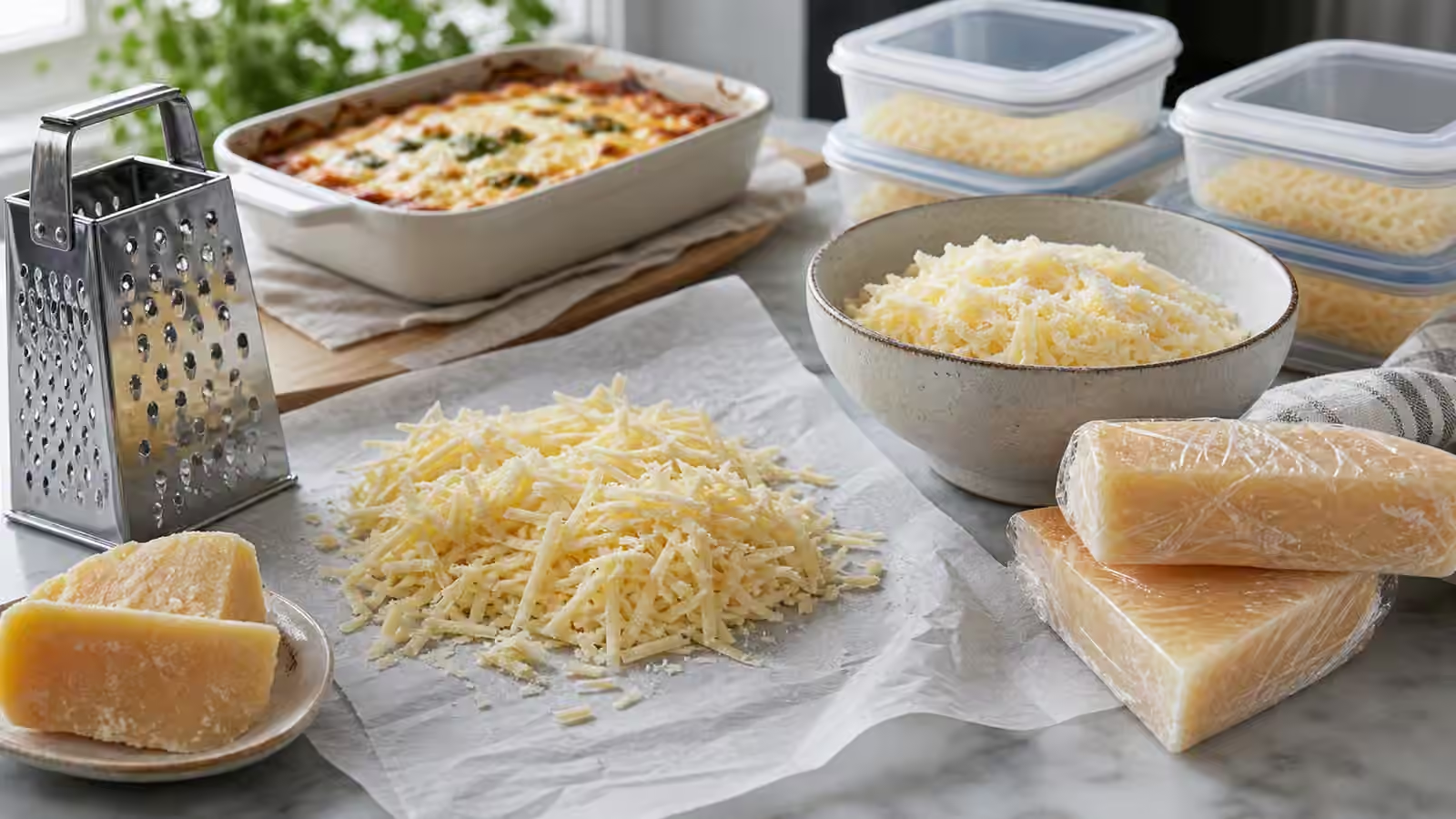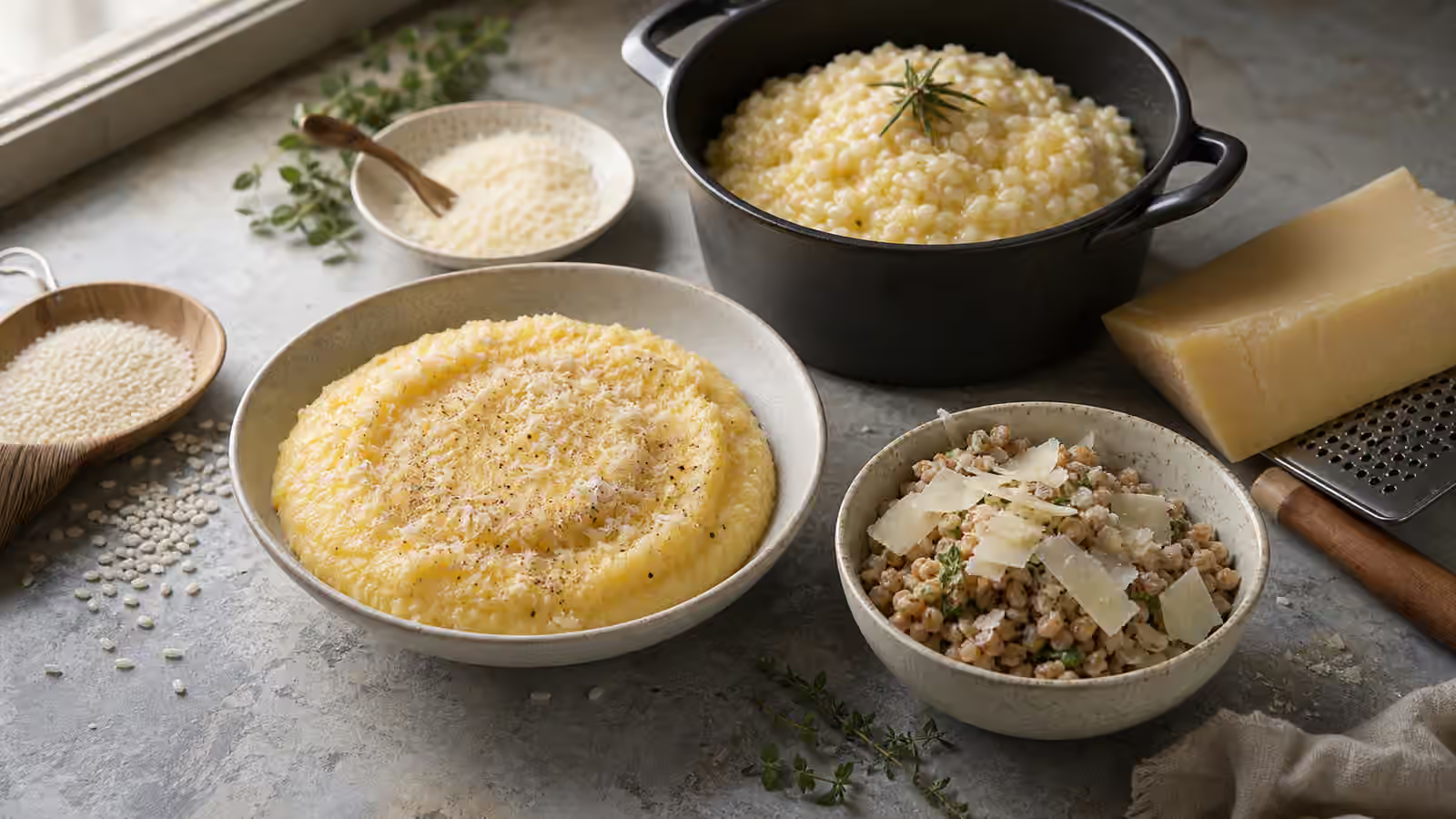
Rice, grains, and polenta are quiet partners for cheese. They do not bring the acidity of tomatoes, the bitterness of greens, or the fat of a sauce. They bring starch, warmth, and a steady background that can make cheese feel round and generous. That is why a spoonful of grated hard cheese can finish risotto, why a bowl of polenta can carry blue cheese or mascarpone, and why warm farro can make shaved aged cheese taste deeper than it does on a board.
The risk is sameness. Starch and cheese can become soft, salty, and slow if nothing interrupts them. A grain bowl with too much cheese stops tasting like grain. Polenta with too much rich dairy becomes heavy before it becomes interesting. Risotto with dry aged cheese added too aggressively can turn rough instead of glossy. Cheese works best here when it has a specific role: seasoning, body, aroma, contrast, or a final surface.
This guide sits near Cheese for Pasta and Cheese in Soups, Beans, and Brothy Bowls . All three are about cheese meeting starch and liquid, but grains need their own judgment because they absorb, thicken, and cool in different ways.
Starch Carries Cheese Quickly
Cooked grains hold water on their surface and starch inside their structure. That combination helps cheese cling. A small amount of finely grated hard cheese can season a whole pot of rice or barley because the grains carry it through every spoonful. This is useful, but it also means excess cheese spreads everywhere. There is no blank bite left to reset the palate.
The best starting habit is to add less cheese than the dish seems to invite. Stir, wait, taste, and then decide whether the grain needs more cheese, more salt, more liquid, more fat, or more acid. Many grain dishes that seem to need more cheese actually need a splash of broth, a little butter or olive oil, a squeeze of lemon, or fresh herbs. More cheese can make the dish louder without making it better.
Grain temperature matters too. Very hot grains can tighten dry cheese if they are stirred hard with too little liquid. Warm grains can soften shavings and crumbles more gently. Cool grain salads need cheese that tastes good without melting: shaved aged cheese, brined crumbles, fresh goat cheese, or small pieces of firm cheese that hold their shape.
Risotto Wants Gloss, Not Glue
Risotto is already creamy before cheese enters because rice starch has moved into the cooking liquid. Cheese should finish that creaminess, not become the only source of it. Hard grating cheeses are classic because they bring savor and salt in small amounts. They should usually be added off heat, after the rice is tender and the pot still has enough looseness to move.
If the risotto stands upright like mortar before the cheese goes in, the cheese will not rescue it. Loosen with warm stock or water first. Then add grated cheese gradually and stir until the dish looks glossy. The movement should be fluid enough to settle on the plate. Cheese thickens as it cools, so a risotto that seems perfect in the pot may become stiff at the table if it starts too tight.
Not every risotto needs a strong aged cheese. A vegetable risotto with peas, herbs, mushrooms, squash, or bitter greens may need a mild hard cheese, a small amount of fresh goat cheese, or even a soft blue used carefully. The cheese should support the vegetable rather than erase it. Cheese Texture and Moisture helps explain why a dry aged cheese seasons differently from a creamy fresh one.
Polenta Gives Cheese a Wide Stage
Polenta is one of the most forgiving places to use cheese because it has body, warmth, and mild corn sweetness. It can carry hard grated cheese, young melting cheese, mascarpone, fresh goat cheese, blue cheese, or washed-rind scraps in small amounts. The mistake is assuming that because polenta can carry cheese, it should carry a lot.
Hard cheese gives polenta savor and structure. Add it near the end, off direct heat or over very low heat, so it melts into the porridge without turning harsh. Young melting cheese gives more pull and softness, which can be pleasant when polenta is served as the main comfort on the plate. Mascarpone and cream cheese-style dairy add plushness, but they can make polenta feel heavy if the rest of the meal is also rich.
Blue cheese and washed-rind cheese can be excellent in polenta because corn sweetness softens intensity. Use them as accents. A small crumble of blue with mushrooms, bitter greens, roasted squash, or walnuts can make polenta feel complete. Too much makes every spoonful taste the same. Strong cheese needs contrast around it, not a larger invitation.
Warm Grain Bowls Need Placement
Farro, barley, wheat berries, brown rice, quinoa, and similar grains give cheese more chew than risotto or polenta. They are good with shavings, crumbles, and small cubes because their texture can stand up to distinct pieces. A shaved aged cheese over warm farro gives aroma and salt without disappearing. A crumble of fresh goat cheese melts slightly into barley and greens. A brined cheese seasons rice, lentils, herbs, and roasted vegetables.
Placement changes the meal. Cheese stirred through the grain seasons everything evenly. Cheese scattered on top creates contrast. Cheese placed against warm vegetables softens differently from cheese placed over cool herbs or raw greens. A good grain bowl often uses the second approach because it keeps the bowl from becoming uniform. Some bites are grain and herb. Some are cheese and vegetable. Some are acid and crunch.
The vegetable guidance in Cheese for Salads and Vegetables applies here too. Grains need freshness, bitterness, acid, or crunch when cheese is involved. Roasted vegetables, pickles, lemon, vinaigrette, herbs, toasted nuts, scallions, and bitter greens can keep the cheese from flattening the bowl.
Brined and Fresh Cheeses Season Quickly
Feta-style cheese, ricotta salata-style shavings, fresh goat cheese, queso fresco-style cheese, and other fresh or brined cheeses work beautifully with grains because they bring salt and tang without needing heat. They are especially useful in grain salads, rice bowls, bean-and-grain dishes, and warm leftovers. They make mild starch taste awake.
Salt control matters. Grains are often cooked in salted water or broth, then dressed with salty ingredients. A brined cheese can push the dish too far if added as casually as herbs. Taste the cheese, then adjust the dressing or cooking salt around it. The cheese is part of the seasoning system, not a garnish floating above it.
Fresh cheese also changes moisture. Ricotta can loosen a dry grain bowl. Fresh goat cheese can bind warm grains into creamy pockets. Burrata or stracciatella can make a rice or grain dish feel lush, but only if the surrounding ingredients have enough brightness. The richer the cheese, the more the dish needs acid, herbs, or vegetables with snap.
Leftover Grains Are Cheese-Friendly
Leftover rice and grains can become better with cheese because their starch has settled and their flavor is often mild. A small amount of grated firm cheese can help a pan of reheated grains brown. Fresh goat cheese can loosen into warm farro with herbs. Hard cheese rinds can deepen a brothy grain soup. A few shavings can make a cold grain salad feel intentional rather than leftover.
The caution is reheating. Cheese added too early can scorch, clump, or turn oily while the grains are still warming. Reheat the grains with a little water, broth, or fat first. Add cheese once the texture is ready. If you want browned cheese, let it touch the pan at the end rather than expecting it to survive a long reheating.
Grains teach restraint because they show every choice. Cheese can make rice, farro, barley, and polenta taste deeper, but it can also make them taste smaller by covering their own sweetness and chew. Use grated hard cheese for savor, fresh cheese for tang, brined cheese for salt, and stronger cheese for accents. Then give the dish liquid, acid, herbs, or crunch so the cheese has something to answer.