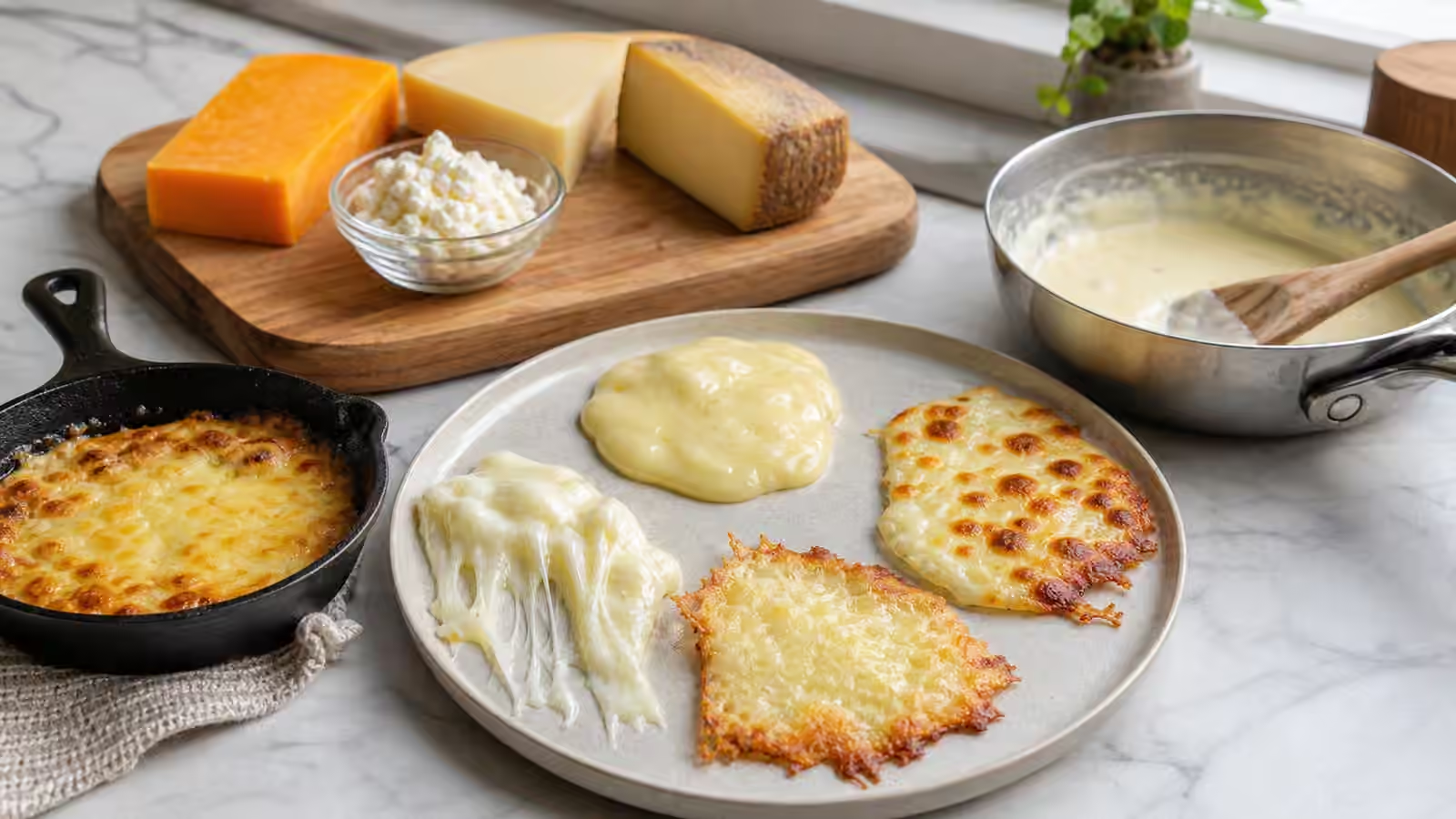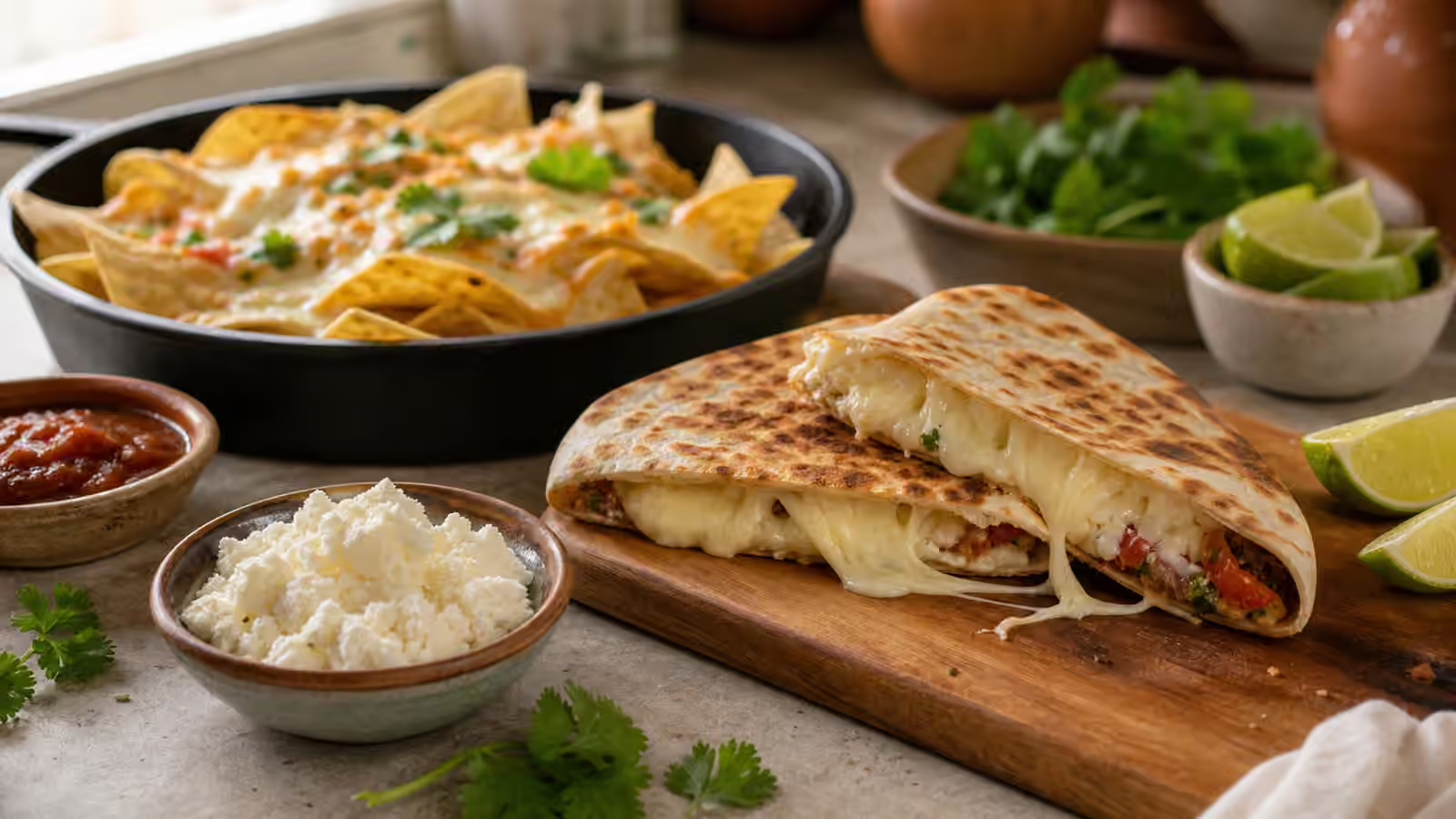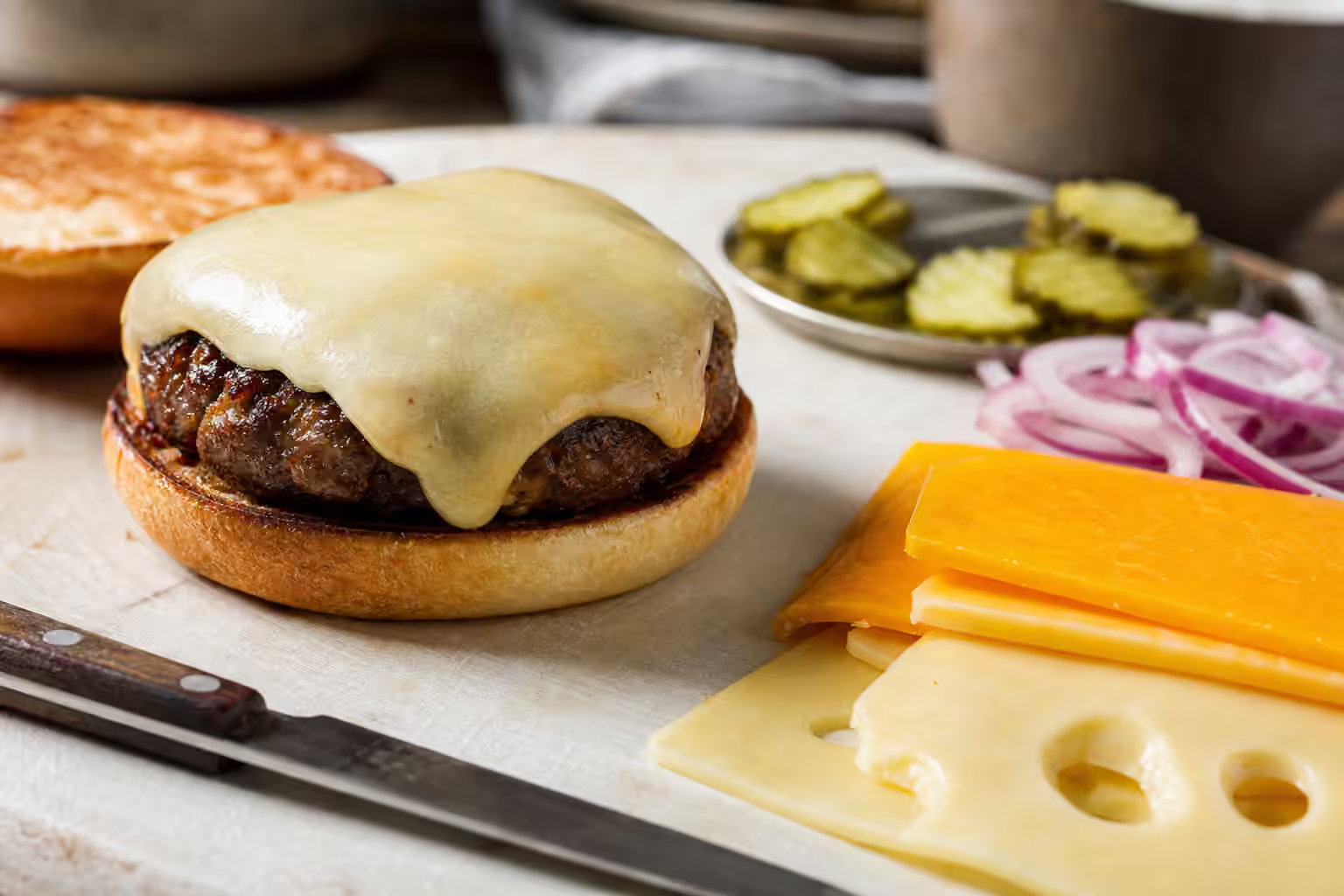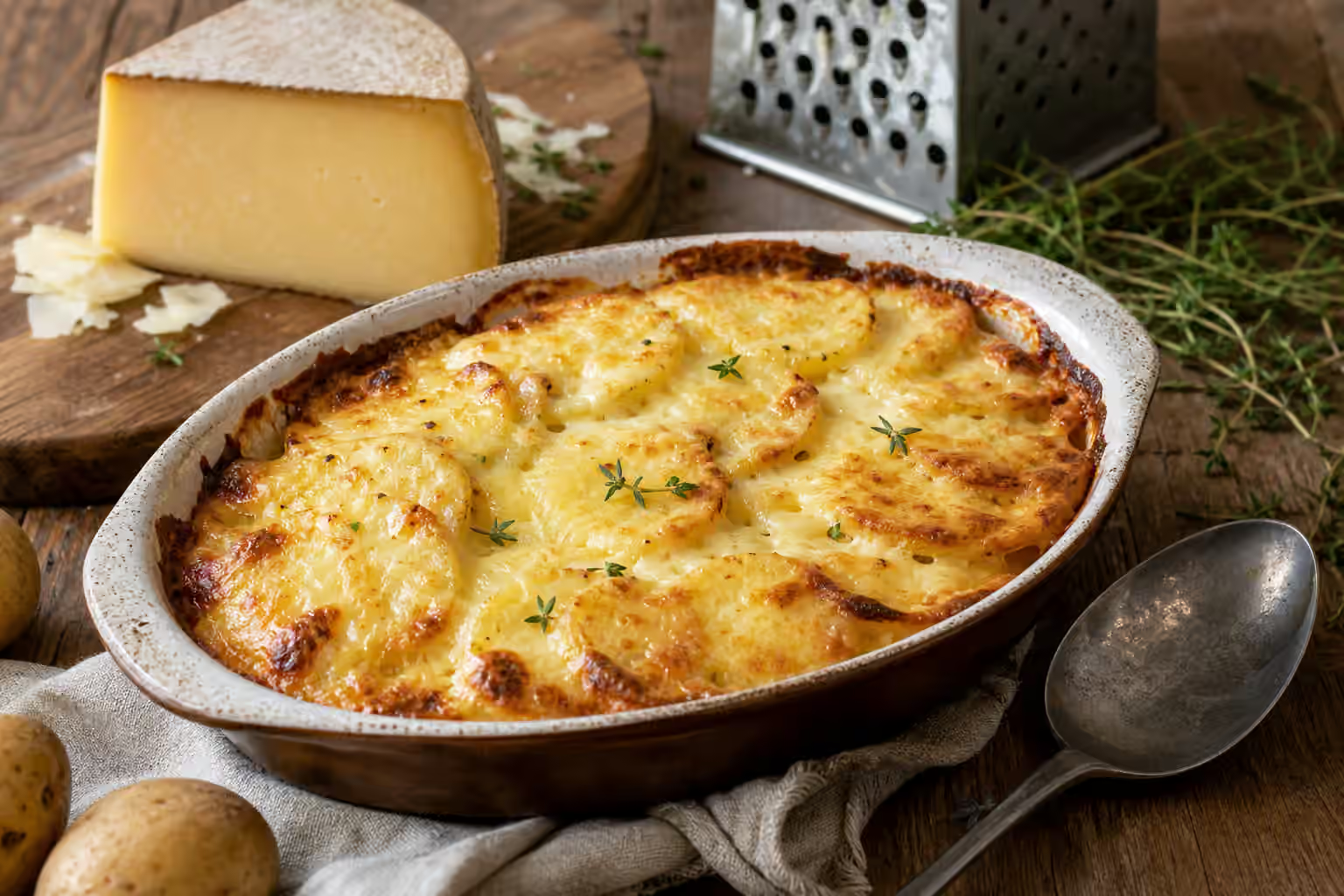
Potatoes make cheese feel generous. They are mild, starchy, warm, and willing to carry salt and fat. A little grated cheese can make a baked potato feel finished. A browned layer can make a gratin smell like dinner before anyone sees the table. Mashed potatoes can take sharp cheddar, alpine cheese, fresh goat cheese, or blue cheese and turn each one into a different dish.
That generosity has a limit. Potatoes can make cheese taste comforting, but they can also make it taste heavy. Too much cheese in a gratin turns the dish greasy. Too much aged cheese in mash makes it salty and stiff. Too little moisture leaves melted cheese sitting on top of dry starch. The best potato dishes use cheese as seasoning, structure, crust, or accent, not as proof that the dish is rich enough.
This guide builds from the broader heat habits in Cooking with Cheese and the moisture lessons in Cheese Texture and Moisture . Potatoes are forgiving, but they reward cheese that has been given a clear job.
Starch Needs Moisture Before It Needs More Cheese
Potatoes absorb. That is their gift and their danger. In a gratin, sliced potatoes drink cream, milk, stock, or a mix of liquids while they soften. If the dish is underhydrated, cheese cannot fix it. It melts over the top while the potatoes underneath stay dry or separate. If the dish is over-cheesed, fat can pool before the potatoes are tender.
The useful sequence is potato, liquid, salt, and then cheese in proportion. The liquid cooks the potatoes and carries flavor through the layers. Cheese seasons and browns, but it should not be asked to do all the cooking work. A gratin with modest cheese and enough seasoned liquid often tastes more coherent than one with a thick blanket of cheese on top.
Thin slicing matters because it changes how quickly the potatoes release starch and take in liquid. A clean, even slice gives the cheese a better partner. Thick, uneven slices can leave the cook waiting for the largest pieces while the cheese above keeps heating. That extra heat is where grease and bitterness begin.
Choose Cheese by Role
Young melting cheeses give potatoes softness and stretch. Fontina, young Gouda, mild cheddar, young alpine-style cheese, low-moisture mozzarella, and similar cheeses can fold into mash, melt between gratin layers, or cover a baked potato without becoming harsh. They are useful when texture matters as much as flavor.
Aged firm cheeses bring depth in smaller amounts. Gruyere-style cheeses, aged cheddar, Comte-style cheese, Manchego, Parmigiano-style cheese, and aged Gouda can make potatoes taste more savory, nutty, or browned. They are often best grated finely and used as a seasoning layer or top crust. Aged Firm Cheese is a good reference because these wedges become powerful as moisture leaves them.
Fresh cheeses do something different. Fresh goat cheese, ricotta, creme fraiche-style dairy, and soft white cheeses can bring tang and creaminess without a pull. They are good folded into warm mashed potatoes, spooned onto roasted potatoes, or loosened into a sauce with herbs. They should not be treated like mozzarella. Their value is softness, acidity, and freshness.
Gratins Need Layers, Not a Lid
A gratin is better when cheese is distributed with restraint. If all the cheese sits on top, the surface browns before the interior tastes seasoned. If too much cheese is packed between every layer, the dish can become dense and oily. A better pattern is to let some cheese season the inside while saving a modest amount for the top.
The top layer should brown in spots and let the sauce bubble through. That bubbling matters because it shows the liquid has reached the surface and the potatoes are cooking as a dish, not as separate slices under a roof. Cheese that browns too fast can be protected with lower heat or added later. A hard grating cheese mixed with breadcrumbs can make a savory crust without needing a heavy blanket.
Salt deserves attention. Potatoes need salt, cheese brings salt, and the cooking liquid may already be seasoned. Brined cheeses, blue cheeses, and very aged cheeses can push a gratin from savory to blunt if used casually. Taste the cheese before adding it. If it is salty on its own, use it as an accent rather than the base.
Mashed Potatoes Want Heat Control
Mashed potatoes can hold cheese beautifully because the starch and dairy create a warm cushion. The mistake is adding cheese while the pot is over direct high heat. The potatoes may be hot enough to melt cheese without continued cooking. Fold grated or crumbled cheese into warm mash off heat, then loosen with warm milk, cream, butter, or cooking liquid as needed.
Cheddar makes mash sharper and more familiar. Alpine-style cheese makes it nutty. Fresh goat cheese makes it tangy. Blue cheese makes it bold and should be used with care. A smoked cheese can work, but it quickly becomes the whole story. Smoked Cheese is useful if you want that edge without letting it dominate.
Texture decides how much cheese the mash can take. Fluffy potatoes need a lighter hand because too much stirring and cheese can make them gluey. Denser, rustic mash can carry more. Skins, herbs, roasted garlic, mustard, scallions, or bitter greens can give cheese a place to land so the dish does not become only starch and fat.
Baked and Roasted Potatoes Need Contrast
A baked potato is a small stage. Cheese, butter, sour cream, onions, herbs, beans, mushrooms, or greens all compete for space. A mild melting cheese gives comfort. A sharper cheese gives focus. A small crumble of blue or feta-style cheese gives salt and tang. The best choice depends on what else is on the potato.
Roasted potatoes usually need less cheese than people expect. Their browned edges already carry flavor. A shower of hard cheese at the end can cling to the hot surface and add savor without softening the crust. A soft cheese spooned on too early can melt into the pan and dull the crispness. If you want fresh goat cheese, ricotta, or a creamy spread with roasted potatoes, add it after roasting or serve it underneath as a cool contrast.
For fried or crisp potatoes, timing is everything. Cheese added while the potatoes are still crisp and hot can soften just enough. Cheese added too early during cooking can glue pieces together, burn, or become leathery. Potatoes may be patient, but crispness is not.
Strong Cheese Needs a Reason
Blue cheese, washed-rind cheese, smoked cheese, and very sharp cheddar can be excellent with potatoes because potatoes soften intensity. But the dish needs balance. Blue cheese with potatoes often wants onions, mushrooms, bitter greens, pears, walnuts, or a creamy base. Washed-rind cheese wants bread, potatoes, pickles, and something acidic nearby. Sharp cheddar wants mustard, scallions, or roasted vegetables so the salt has direction.
This is where the pairing lessons from Cheese Accompaniments become kitchen lessons. The same foods that make a strong cheese easier on a board can make it better in a potato dish. Acid, crunch, sweetness, herbs, and bitterness keep richness from becoming flat.
Cheese and potatoes are at their best when the potato still tastes like potato. The cheese should deepen the starch, perfume the steam, brown the top, or sharpen the bite. If every forkful tastes identical, the dish probably needed less cheese and more contrast. Comfort does not have to be blunt. With the right cheese and enough moisture, potatoes can be warm, savory, and clear at the same time.