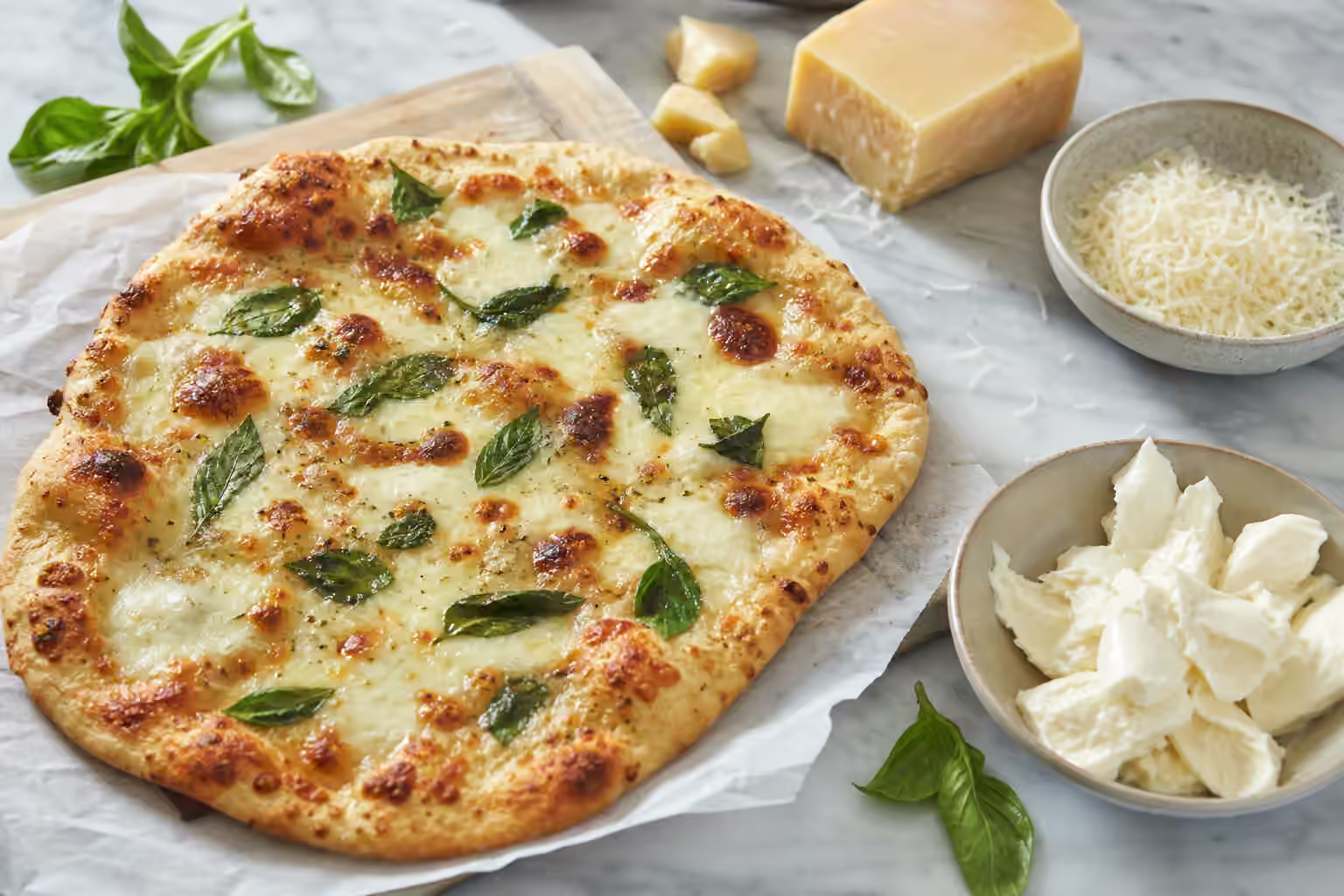
Pizza makes cheese visible. You can see whether it stretches, blisters, browns, oils out, slides, or stays stubbornly separate from the crust. A flatbread does the same with less ceremony. There is nowhere for the cheese to hide, so the choices that seem small in the kitchen become obvious at the table.
The familiar answer is mozzarella, but that answer is not specific enough. Fresh mozzarella, low-moisture mozzarella, shredded mozzarella, smoked mozzarella, burrata, provolone-style cheese, hard grating cheese, blue cheese, goat cheese, and brined cheese can all belong on pizza or flatbread if they are used for the right job. The problem starts when every cheese is treated as if it should behave like the same stretchy blanket.
This guide sits beside Stretched-Curd Cheese and Cheese Texture and Moisture . Stretch, browning, and water control all come from the same underlying cheese structure.
Moisture Is the First Decision
Pizza heat is intense and brief. The dough needs to cook, the sauce needs to concentrate, and the cheese needs to melt before the crust dries or burns. Moisture decides whether that happens gracefully. A wetter cheese can taste fresher, but it can also leak water onto the dough. A drier cheese browns and stretches more predictably, but it can taste less milky if used alone.
Fresh mozzarella has a beautiful tenderness and a clean dairy flavor. It works best when it is drained, torn or sliced with care, and used in amounts that match the heat of the oven. If it is packed in liquid, it may need time on a towel before it goes onto dough. Too much wet cheese can turn the center of a pizza soft before the crust has a chance to set.
Low-moisture mozzarella behaves differently. It melts evenly, browns in spots, and gives the classic pull people expect. It is useful for home ovens because it can handle a longer bake without flooding the crust. It may need help from a more flavorful cheese if the pizza is otherwise plain. That help can be grated hard cheese, a little aged provolone-style cheese, or a finishing cheese added after baking.
Shred, Slice, Tear, or Finish
Shape changes the melt. Shredded cheese covers evenly and melts quickly, which is helpful when the bake is short or the toppings are scattered. Slices create broader pools and can leave open spaces where sauce bubbles through. Torn fresh cheese gives irregular pockets of milkiness. Fine grated hard cheese disappears into the surface and seasons the whole bite.
Those shapes can be combined. A thin layer of low-moisture cheese can protect the crust and give even melt. Torn fresh cheese can add softer pockets. A little hard cheese can season the sauce or finish the pizza after baking. Grating, Shaving, and Crumbling Cheese explains why those textures feel different on the tongue, and pizza makes the lesson easy to see.
Flatbreads often need even more restraint than pizza because the base is thinner. A small amount of cheese can make the bread feel complete. Too much cheese can overwhelm the crisp edge and make the center sag. If the bread is already rich with oil, vegetables, or cured ingredients, the cheese should be lighter or sharper rather than simply more abundant.
Browning Is Flavor, But Not the Whole Goal
Brown spots on cheese taste savory because heat concentrates fat, protein, and sugars at the surface. Low-moisture mozzarella, provolone-style cheeses, young cheddar, and some alpine-style cheeses can brown attractively. Fresh mozzarella browns differently, often in softer spots around the edges of each piece. Hard grated cheese can become golden and crisp if it sits exposed.
Too much browning turns bitter. This is especially true with small shreds, dry cheeses, and cheeses placed at the edge of a very hot crust. If a cheese is browning before the dough is done, the pizza needs less cheese, larger pieces, a lower rack, or a later cheese addition. If the crust is done before the cheese has color, the cheese may be too wet, too thick, or shielded by toppings.
The goal is not a perfectly uniform surface. Some of the best pizzas have open patches of sauce, melted pools, browned bubbles, and fresh finishing cheese all on the same pie. Variety keeps each bite from tasting identical.
Toppings Change the Cheese
Watery vegetables, fresh tomatoes, mushrooms, greens, and brined ingredients change how cheese behaves. They add moisture, salt, or both. If the toppings are wet, the cheese should be drier or used more sparingly. If the toppings are salty, the cheese should not be the saltiest part of the dish. If the toppings are sweet, such as roasted onions or squash, a sharper or saltier cheese can make sense in a smaller amount.
Fresh herbs and greens are often better after baking, especially if the oven is very hot. The same can be true of delicate fresh cheeses. Burrata, stracciatella, fresh ricotta, and soft goat cheese can be spooned on after the bake so their texture stays alive. If they go into the oven too early, they may leak, toughen, or disappear into the surface.
Bold cheeses need a clear support system. Blue cheese can work with pear, mushroom, onions, bitter greens, or a restrained amount of sausage. Washed-rind cheese can work with potatoes, onions, or bread-heavy flatbreads, but it becomes loud quickly. Smoked cheese can be useful with peppers, mushrooms, or grilled vegetables, though Smoked Cheese is worth reading before making smoke the main flavor.
Finishing Cheese Is Not an Afterthought
Some cheeses are better after the oven. A hard grating cheese shaved or grated over hot pizza brings aroma without risking bitterness. Fresh ricotta can stay creamy. Burrata can spill gently over the surface. Crumbled brined cheese can add salt and tang without drying out. A small amount of blue can land as a cool accent instead of melting into every bite.
Finishing cheese also lets you control intensity. If the baked cheese already tastes rich, a small fresh or aged finish may be enough. If the pizza tastes flat, a finishing cheese can sharpen it without another bake. This is similar to the pasta logic in Cheese for Pasta : some cheese is structure, and some cheese is the final seasoning.
Cutting and serving matter too. Cheese that seems set in the oven may still be molten enough to slide if cut immediately. Letting a pizza rest briefly can help the cheese settle without losing the pleasure of warmth. A flatbread with fresh finishing cheese should be served before the base softens, while a heavier baked pizza can wait a little longer.
Let the Crust Stay Part of the Bite
Good pizza cheese does not erase the crust. The bread should still taste toasted, chewy, crisp, sour, sweet, or whatever the dough brings. Cheese should connect the toppings, season the sauce, and create surface pleasure. It should not turn the slice into a dairy sheet.
Start with the heat you have, then choose cheese that fits it. Home ovens often reward low-moisture cheese and drained fresh cheese. Hot outdoor ovens can handle wetter cheese in smaller amounts because the bake is so fast. Flatbreads reward restraint because the base is thin. Aged and bold cheeses reward small portions because their flavor travels.
Once you see pizza cheese as melt, moisture, browning, and finishing, the choices become calmer. Mozzarella is no longer a vague default. It is one tool among several, and the best pie is the one where each cheese has a job.