
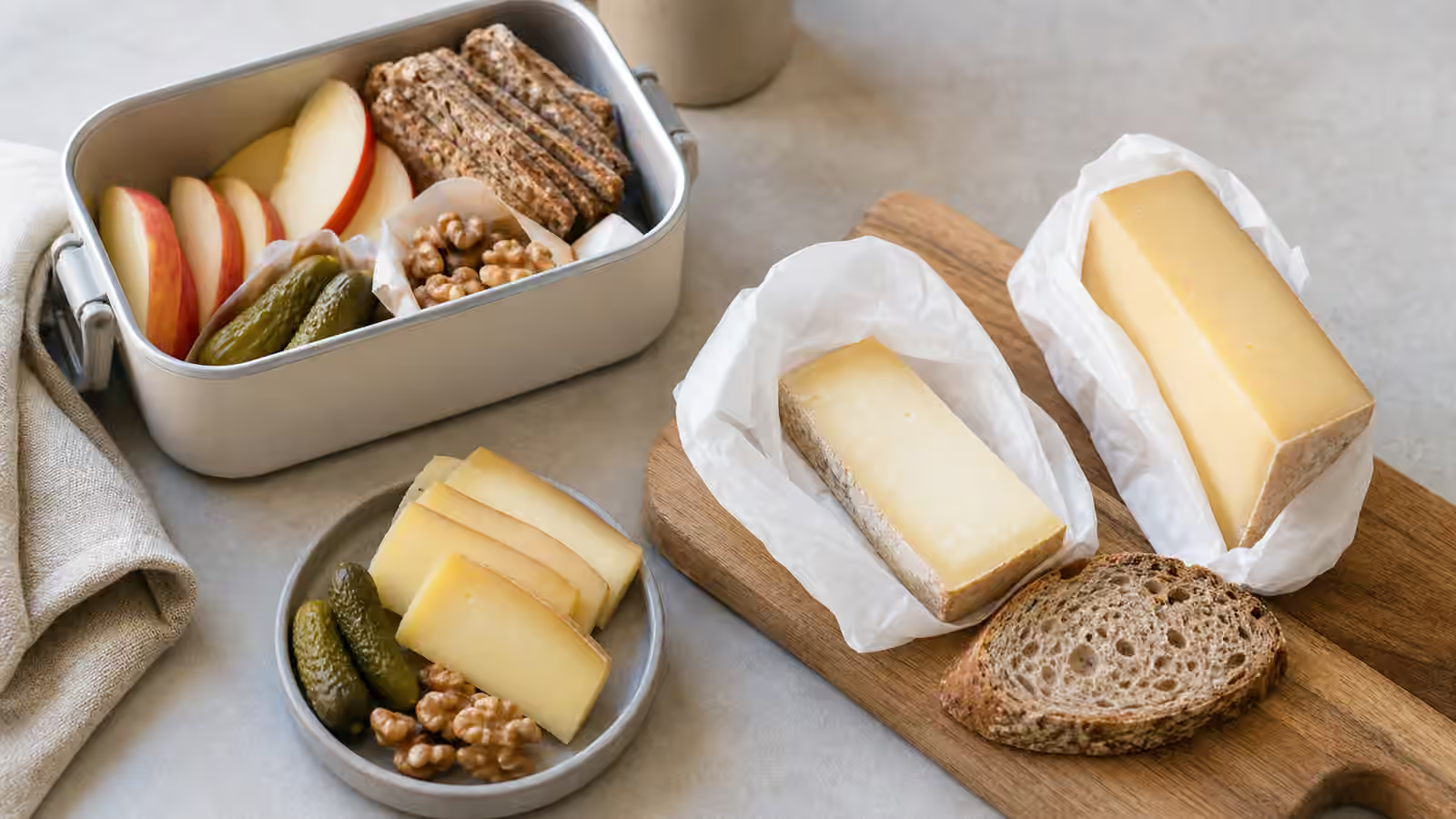
Packed lunches ask cheese to be useful after waiting. That is a different assignment from a cheese board. A wedge that blooms beautifully on a plate may become too aromatic in a lunch bag. A soft cheese that spreads easily at home may leak into bread. A dry aged cheese that tastes wonderful with wine may feel salty and hard at a desk. The best lunch cheeses are not always the most dramatic cheeses. They are the ones that hold texture, portion cleanly, and still taste good when the meal is not perfect.
Cheese can make a packed meal feel complete because it brings fat, salt, protein, and satisfaction in a compact form. It can also make a lunch feel heavy or stale if the pairing is wrong. A good packed cheese plan thinks about temperature, moisture, smell, cutting, and what the cheese will touch for several hours. This is everyday food, but everyday food rewards attention.
This guide is the smaller, daily companion to Cheese for Picnics and Travel and Cheese Storage . A lunch may be short travel, but it still changes cheese.
Choose Cheese That Can Wait
Firm and semi-firm cheeses are the most dependable packed-lunch choices. Cheddar, Gouda, Manchego-style cheese, alpine-style wedges, firm sheep milk cheeses, young tommes, Havarti, Fontina-style cheese, and mild Jack-style cheeses can be cut into slices, batons, or small wedges without falling apart. They taste good cool, tolerate a little warming better than fragile soft cheeses, and pair easily with bread, fruit, nuts, pickles, or vegetables.
Fresh cheeses need more planning. Fresh mozzarella, ricotta, cottage cheese-style dairy, chevre, feta-style cheese, and similar cheeses can be excellent, but they usually need a sealed container and a clear role. A spoonable cheese belongs with bread, crackers, vegetables, or grain salad in a container that will not leak. A brined cheese needs separation from foods that should stay dry. A fresh goat cheese log may be better spread on bread in the morning than packed loose unless you bring a small knife.
Very ripe bloomy rinds, washed rinds, and strong blues are usually poor desk companions unless the setting welcomes them. The problem is not only aroma. These cheeses change quickly as they warm, and their smell can travel farther than the lunch itself. Save them for a table where they have room. Packed lunch is a place for consideration as much as flavor.
Cut for How the Meal Will Be Eaten
The cut decides whether cheese is easy or annoying at lunch. Thin slices work for sandwiches and crackers. Batons work for hand eating with fruit or vegetables. Small wedges feel more like a mini board but need a knife or a clean way to break them. Cubes are convenient, but they expose more surface area, dry faster, and can make good cheese feel like a snack tray.
For firm cheeses, a few thicker slices often hold better than many small pieces. They dry more slowly and give a satisfying bite. For crumbly cheeses, pack larger crumbles or a small block rather than powdery fragments that scatter through the container. For soft spreadable cheese, decide whether it should already be on bread or kept separate until eating. Pre-spread bread can be convenient, but wet cheese against soft bread may turn the sandwich pasty.
The cutting guidance in How to Cut and Serve Cheese applies even when the plate is a lunch container. A good cut gives the eater the right amount of rind, paste, and texture. A careless cut turns a useful piece of cheese into crumbs, sweat, or a dry edge.
Keep Moisture in Its Lane
Packed meals fail when wet foods touch dry foods for too long. Cheese is part of that moisture map. A fresh cheese can leak whey. A wrapped wedge can collect condensation. Fruit can wet the cheese surface. Pickles can scent everything. Crackers can soften against any of them.
Separate foods by behavior. Keep crackers and crisp bread dry. Keep juicy fruit away from cut cheese unless you want the cheese to absorb moisture. Put pickles, olives, jam, chutney, or dressed vegetables in small containers. Wrap cheese in parchment, cheese paper, or a small lidded container rather than letting it sit bare against the lunch box wall. If you use plastic wrap, avoid trapping a wet surface tightly for hours when a paper layer would help.
Temperature matters, but packed lunch rarely gives restaurant control. An insulated bag and a small cold pack can keep cheese in a better range until lunch. The goal is not to make the cheese refrigerator-hard at the moment of eating. The goal is to prevent it from warming too early and sitting that way for hours. Let it relax close to lunchtime if you can.
Build Around Contrast
Cheese alone can feel rich and salty in a packed meal. It needs foods that reset the palate. Apples, pears, grapes, dried fruit, radishes, cucumbers, carrots, tomatoes packed separately, pickles, olives, mustard, grainy bread, nuts, and bitter greens all help in different ways. The job is the same as on a cheese board, but the format is tighter.
Fruit brings water and sweetness. Pickles and mustard bring acid. Bread gives chew. Nuts bring crunch and echo aged cheese. Raw vegetables lighten the meal. A small portion of jam or honey can help blue cheese or aged sheep milk cheese, but sticky sweetness in a lunch box should be measured. Too much turns a good cheese lunch into dessert without enough freshness.
Cheese Accompaniments covers the broader board logic. Packed lunches need the same logic with fewer pieces. One cheese, one bread or grain, one crisp item, and one acidic or fresh item can be more satisfying than a crowded container that makes everything taste like everything else.
Sandwiches Need Structure
Cheese in a sandwich has to bend, bite, or spread without making the bread fail. Semi-firm slices are dependable because they cover evenly and do not leak. Aged cheese can be excellent if shaved thinly, but thick chunks may fall out or dominate. Soft cheese can work as a spread, especially with vegetables or herbs, but it needs bread that can handle moisture.
Warm sandwiches are a different plan from cold packed sandwiches. A cheese that melts beautifully may become rubbery once cooled if it was melted long before eating. If a sandwich will be eaten cold, choose cheese that tastes good cold. If it will be toasted at work or reheated, pack it with that heat in mind. Cheese for Sandwiches and Toast is the deeper guide for melt and bread structure.
Layering helps. Put wet vegetables away from the cheese if the cheese should stay firm. Use butter, mustard, or another thin barrier when appropriate. Keep delicate greens separate until eating if the sandwich has to wait. Cheese is sturdy, but bread often is not.
Portions Should Match the Day
A packed cheese portion should feel generous enough to satisfy but not so large that the meal becomes sleepy. Strong cheeses need smaller portions because salt and aroma expand as they warm. Mild cheeses can be more abundant, but they still need contrast. If cheese is the main protein of the meal, give it bread, fruit, vegetables, or grains that make it feel complete. If it is an accent, let it stay small.
Leftovers from packed cheese should be judged honestly. A firm wedge that stayed cool and wrapped may return to the refrigerator. Cheese that sat warm, touched many foods, or collected crumbs may be better eaten that day. The condition habits in Cheese Ripeness and Condition are useful because a lunch box compresses storage decisions into a few hours.
Good lunch cheese is quiet competence. It slices cleanly, waits without drama, pairs with foods that brighten it, and fits the setting. Choose sturdy styles most of the time, pack wet and dry foods separately, and let stronger cheeses have smaller roles. The result is not a miniature luxury board. It is a practical meal that still tastes considered.


