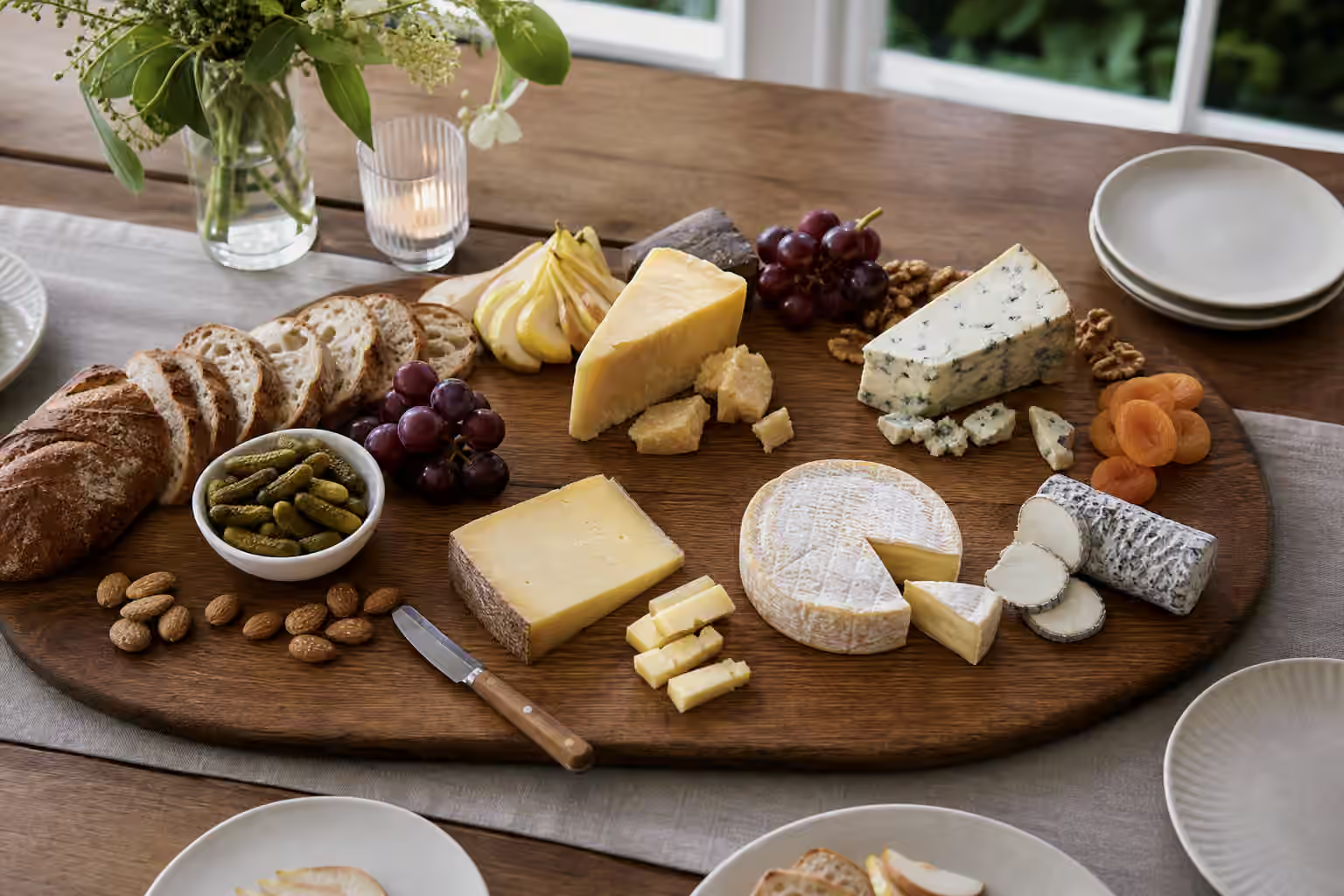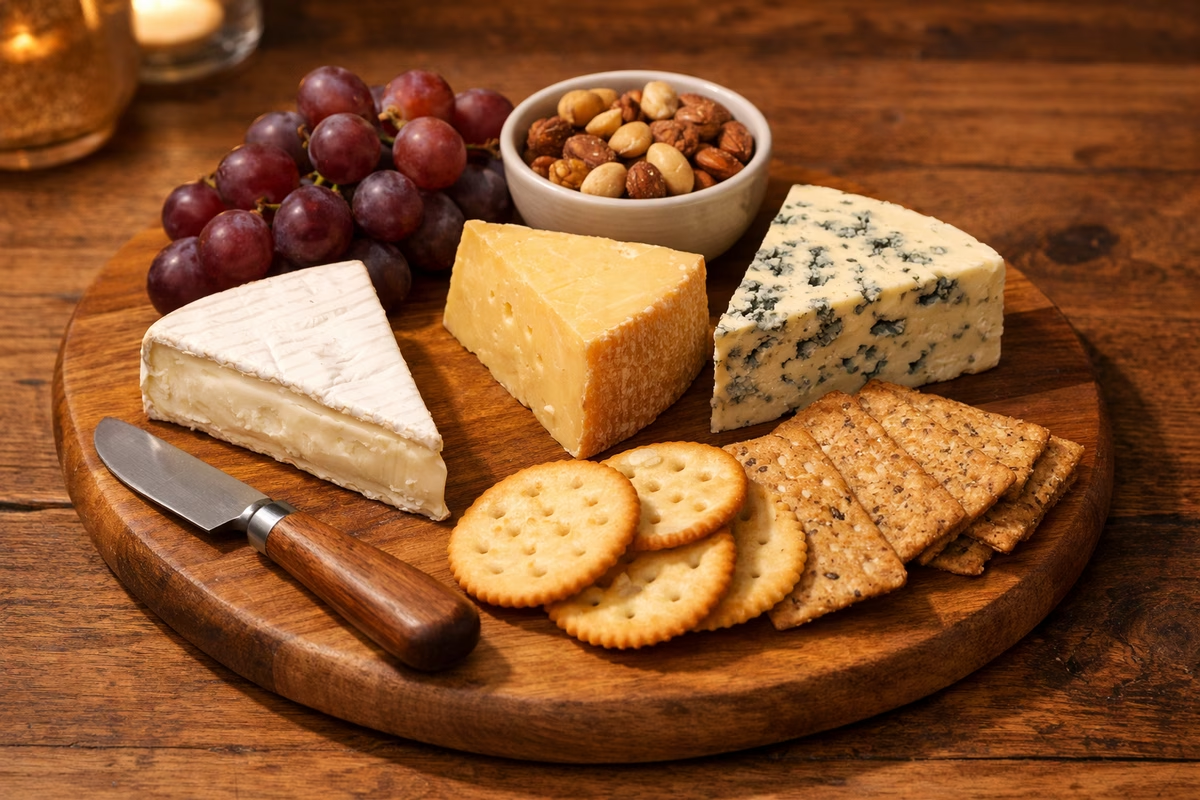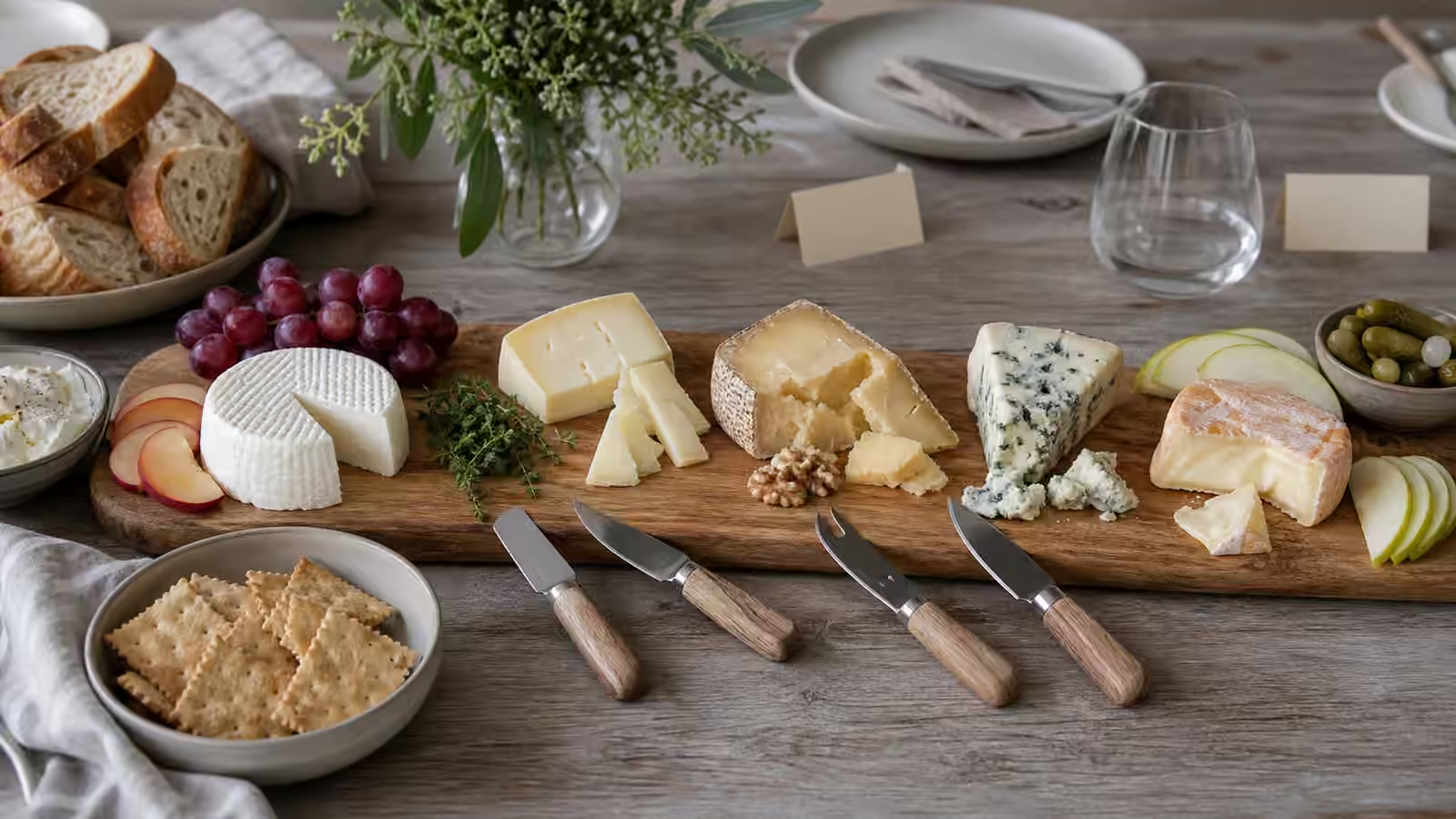
Serving cheese to a mixed group is a small lesson in hospitality. One guest wants the strongest blue on the table. Another avoids anything with a rind. Someone is curious but cautious. Someone will eat only the familiar cheddar. Someone loves goat cheese, while someone else thinks goat cheese always tastes too sharp. A good board does not need to satisfy every preference with a separate wedge. It needs to make the range readable, keep the strongest cheeses from taking over, and let people choose without embarrassment.
The best mixed-group board is not the biggest board. Size can make the table more confusing. A clear board with three or four distinct cheeses, good bread, a few contrast foods, and clean serving habits often works better than a crowded display. Guests should be able to understand where to begin, where to explore, and where the bolder choices live.
This guide extends Cheese Party Portion Planning and How to Buy Cheese . It also borrows from Cheese Board for Learning because a board that teaches gently is usually a board that hosts well.
Build an intensity path
Mixed groups need a path from easy to bold. That does not mean the board must be timid. It means the table should have a mild landing place, a satisfying middle, and one or two more expressive cheeses for people who want them. Without that path, cautious guests may avoid the board, and adventurous guests may find it dull.
A mild cheese is not a lesser cheese. It is the welcome point. A young Gouda, fresh mozzarella, mild cheddar, creamy bloomy rind, ricotta, or fresh goat cheese can give people a comfortable first bite. The middle cheese should have more savor or texture: an Alpine-style wedge, aged cheddar, Manchego-style cheese, sheep milk cheese, or semi-firm washed curd. The bold cheese can be blue, washed rind, smoked, very aged, or sharply goat-forward.
The path should be visible in the layout. Put gentle cheeses near plain bread and fruit. Put stronger cheeses toward one side, with their own knife and appropriate partners. A guest should not accidentally smear blue cheese across the mild cheese knife and make the whole board taste stronger than intended.
Buy for roles, not for maximum variety
At the counter, it is easy to buy one cheese for every imagined guest. That creates overlap. Two mild semi-firm cheeses may not serve the room better than one excellent piece. Three bold cheeses can make the board smell dramatic but leave cautious guests with fewer choices. Instead, buy for roles.
One cheese should be familiar enough that almost anyone can start. One should be savory and interesting without being difficult. One should be the exploratory choice. If the group is larger, add a fresh or brined cheese for brightness, or a second firm cheese if the board is part of a meal. The additions should change the experience, not repeat the same texture with a different label.
Ask the cheesemonger about ripeness and intensity. A Brie-style cheese can be mild or assertive depending on age. A washed rind can be gentle on the tongue but loud on the nose. A blue can be creamy and sweet or sharp and salty. The name alone does not tell you how it will behave at your table.
Keep bold cheeses small and clean
Bold cheeses are best served with confidence and restraint. A small wedge of excellent blue can make a board memorable. A huge piece can make the whole table smell like blue and pressure everyone to eat it. Washed-rind cheeses can be similar. Their aroma travels, and their paste can soften quickly at room temperature.
Give bold cheeses their own space, their own knife, and partners that make sense. Blue likes sweetness, bread, pears, honey, nuts, or dried fruit. Washed rinds often like bread, pickles, potatoes, mustard, or malty drinks. Smoked cheese needs freshness and acid so the smoke does not make the board feel heavy. Very aged cheeses like fruit, nuts, and a quiet cracker.
Do not hide bold cheese by burying it in jam or placing it in the center as a dare. Put it where interested guests can find it and cautious guests can skip it without feeling watched.
Labels should reduce friction
Labels are useful when they answer normal guest questions. They do not need to be precious or technical. A small note can say mild and creamy, nutty and firm, tangy goat, or bold blue. That is often more helpful than a long name with region and milk type. People want to know what will happen when they take a bite.
If labels are not part of your style, pre-cutting can serve a similar purpose. A few shards broken from an aged cheese invite tasting. A soft cheese with a clean knife says it is meant to be spread. A blue placed with honey and nuts tells guests how to approach it. The board can explain itself through arrangement.
Names still matter for curious guests, but curiosity should not be the price of entry. A mixed group includes people who want to learn and people who simply want a good bite. A hospitable board serves both.
Texture variety matters as much as flavor
People often talk about liking or disliking strong cheese, but texture can be the real issue. Some guests dislike runny rinds. Some dislike crumbly blue. Some avoid chalky goat cheese. Some want a firm slice because it feels tidy. A mixed board should offer different textures so preferences have somewhere to go.
Creamy cheese, firm cheese, crumbly cheese, and hard aged cheese each create a different social experience. Soft cheese can be messy but luxurious. Firm cheese is easy to cut and eat while standing. Crumbly cheese needs a spoon, knife, or bread nearby. Hard aged cheese is best broken into small pieces so nobody has to fight a wedge.
Texture also affects timing. Firm cheeses can sit longer. Very soft cheeses need attention. Crumbly cheeses can dry if pre-cut too early. How to Cut and Serve Cheese is useful here because the way you present a cheese can make it more welcoming.
Include safe-feeling accompaniments
Accompaniments give hesitant guests a bridge. Plain bread, mild crackers, apples, pears, grapes, nuts, pickles, honey, mustard, and olives can help people adjust the intensity of a bite. They also keep the board from feeling like a test.
Plain bread is essential because it lets people taste cheese cleanly. Fruit helps with salt and richness. Pickles and mustard help with fat. Honey helps with blue and fresh goat cheese. Nuts add texture and make small portions feel satisfying. Avoid making every accompaniment strong. If the crackers are heavily flavored, the mustard is hot, the pickles are sharp, and the cheese is bold, the table has nowhere quiet to rest.
One mild base and one bright contrast are more valuable than a pantry’s worth of jars. Cheese Accompaniments gives the broader pairing logic, but for mixed groups the rule is social: make it easy for each guest to build a bite that feels comfortable.
Portions should match confidence
Buy more of the dependable middle cheese and less of the bold edge. This is not cowardice. It is realistic hosting. The firm nutty cheese or familiar cheddar-style wedge will often carry the board. The blue or washed rind may be the conversation piece, but it does not need equal weight.
If cheese is a snack before dinner, modest portions are enough. If it is the main food, support it with bread, vegetables, fruit, and something more substantial. Do not solve a mixed group by adding more cheese to the same board. Solve it by making the board clearer and the supporting foods more useful.
Leftovers also follow this logic. A dependable firm cheese is easy to use the next day. A large leftover washed rind can become a storage problem. Leftover Cheese Scraps can help, but shopping with tomorrow in mind is easier than rescuing too much bold cheese later.
Let curiosity happen quietly
The most satisfying mixed-group cheese table lets people explore without performance. No one should have to announce that they are afraid of blue cheese. No one should be pushed toward a washed rind as proof of sophistication. Put a tiny piece of the bold cheese near a friendly pairing. Let guests try it if they want. Keep the mild and middle choices excellent so skipping the bold cheese still feels like a good experience.
That is the point of the whole board. It is not a personality test. It is a shared table. When the cheeses have clear roles, the layout shows intensity, the knives stay clean, and the accompaniments offer bridges, a mixed group can eat comfortably at its own pace. The bold cheese still has a place. It just no longer has to carry the room.