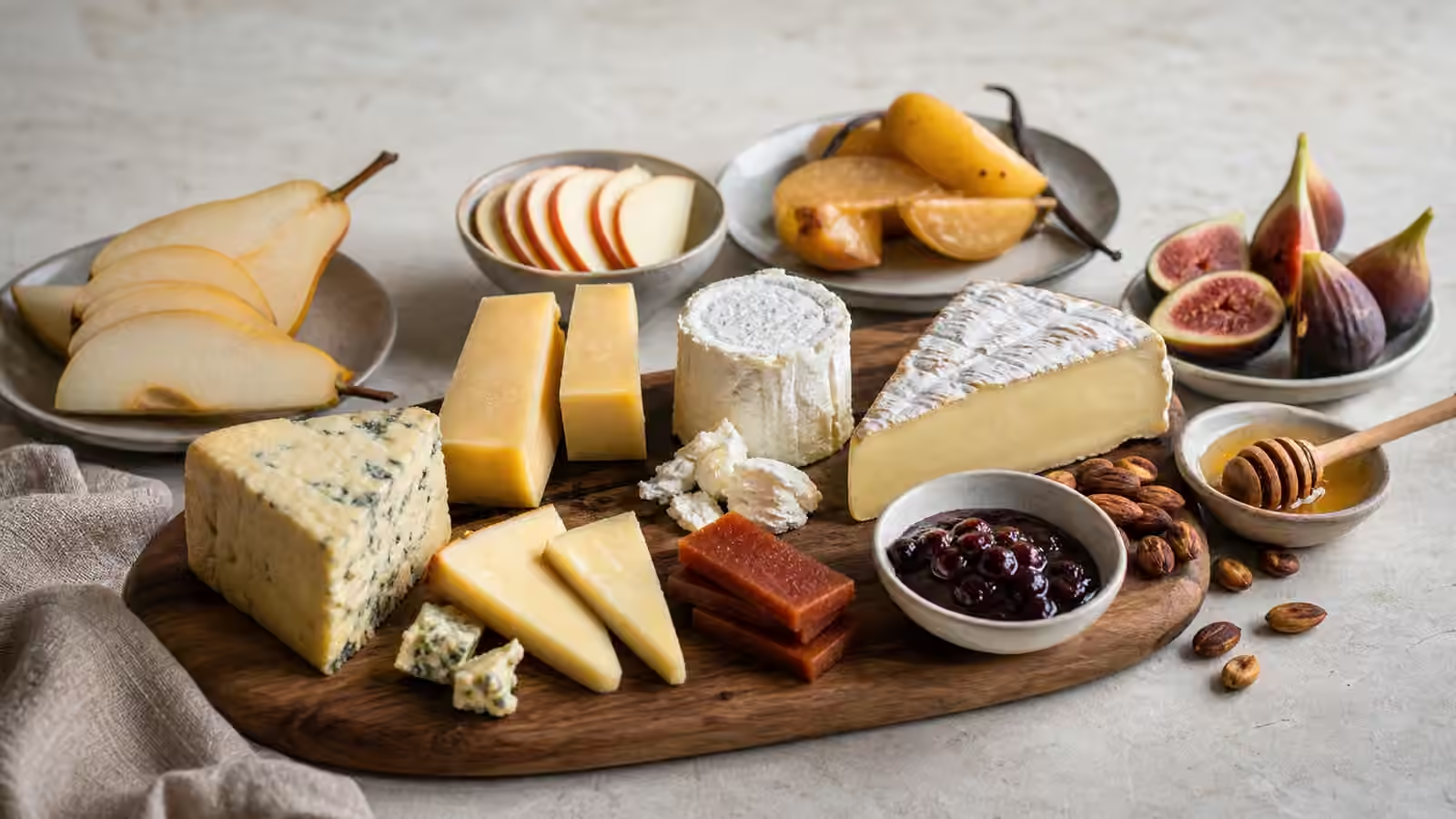
Fruit, jam, and honey can make cheese easier to love. Sweetness softens salt, acid cuts fat, and fruit aroma can make a familiar wedge feel more vivid. The danger is that sweetness can also flatten a cheese board. If every bite tastes like jam, the cheeses stop sounding different from one another. The goal is not to turn cheese into dessert by default. The goal is to use sweet and fruity elements with enough precision that the cheese becomes clearer.
The strongest pairings usually have tension. Blue cheese wants sweetness because it is salty and intense. Fresh goat cheese wants fruit because it is tangy and lactic. Aged firm cheese wants dried fruit or honey because its savory depth can carry concentration. Bloomy rind cheese wants acid as much as sweetness because its richness needs lift. Once you see those needs, the jars and fruit bowls become tools rather than decoration.
This guide narrows one part of Cheese Accompaniments and connects it to Dessert Cheese Course . It is useful whether you are building a board, finishing a meal, or making a small plate from whatever fruit is in season.
Sweetness is strongest when it has a job
A spoonful of jam can be delicious with cheese, but it should answer a question. Is the cheese salty and needs softness? Is the cheese rich and needs acid? Is the cheese nutty and needs fruit aroma? Is the board savory and needs one gentle landing place? If you cannot say what the sweet element is doing, use less of it.
Honey is the clearest example. A drizzle over blue cheese can make the salt feel rounded. A little over fresh ricotta can make the milk sweetness bloom. The same honey poured across a whole board can make mild cheeses taste vague and aged cheeses taste sticky. Honey works best when it is near the cheese that needs it, not when it becomes the board’s weather.
Jam has more body and often more acid. Fig jam, sour cherry jam, apricot jam, berry preserves, marmalade, quince paste, and chutney all behave differently. A very sweet jam can make cheese feel candied. A sharper preserve can keep the bite awake. Chutney can bridge savory and sweet when it brings vinegar, spice, or onion.
Fresh fruit brings water and lift
Fresh fruit is not only sweetness. It brings water, acidity, crunch, perfume, and color. Apples and pears are especially useful because they can be crisp, mild, and refreshing. Grapes are easy, though they can become too sweet if the board already has honey and jam. Citrus can be excellent with fresh cheeses and rich soft cheeses because it brings bright acidity. Figs, peaches, plums, cherries, and berries can make a board feel seasonal, but they need restraint because they stain, soften, and dominate quickly.
Cut fruit with the cheese in mind. Thin apple slices are good with firm aged cheeses because they snap and refresh. Pear wedges are gentle with blue cheese and bloomy rinds. Citrus segments can work near mozzarella, ricotta, or goat cheese, especially with herbs and olive oil. Whole grapes are convenient, but halved grapes can look and taste more deliberate if the board is small.
Fruit also needs timing. Apples and pears can brown. Berries can bleed. Figs can collapse. Cut delicate fruit close to serving, or choose sturdier fruit if the board must sit longer. Cheese Party Portion Planning matters here because long gatherings punish fragile details.
Cooked fruit changes the mood
Cooked fruit is deeper than fresh fruit. Roasted grapes, pear compote, apple butter, fig preserves, quince paste, cherry mostarda, and onion-fruit chutney bring concentration and warmth. They can make cheese feel more like a course than a snack. They are also more powerful, so they need smaller portions.
Cooked fruit is especially good with aged and savory cheeses. Aged Gouda, cheddar-style cheese, Alpine-style cheeses, sheep milk cheeses, and hard grating cheeses can handle concentrated sweetness because they have salt and depth. Blue cheese can handle it too, provided the portion is modest. A spoonful of pear compote with blue can be beautiful. A heap can erase everything except sugar and salt.
With soft bloomy rinds, cooked fruit should keep some acidity. Too much sweet compote can make a rich cheese feel heavy. A tart cherry preserve, a citrusy marmalade, or a chutney with vinegar often works better than a flat sweet jam. The pairing should make the cheese feel more alive, not more sleepy.
Dried fruit is chew, not just sugar
Dried fruit brings concentrated sweetness, but its texture is just as important. Dates, apricots, figs, cherries, raisins, and prunes add chew beside creamy or crumbly cheese. They can make small bites feel complete without adding bread. They are also easy to overuse because their sweetness is dense.
Pair dried fruit with cheeses that have enough structure. Aged firm cheeses and blues are obvious partners. Fresh goat cheese can work if the dried fruit is cut small and balanced with nuts or herbs. Very mild cheeses can disappear beside dates or figs unless you add acid, salt, or a stronger cheese.
If dried fruit feels too sticky, cut it smaller or pair it with toasted nuts. Nuts help slow the sweetness and bring a bitter, roasted edge. Walnuts with blue cheese and pear, almonds with aged sheep milk cheese and apricot, hazelnuts with bloomy rind and apple, or pistachios with fresh cheese and honey all use the same basic idea: sweetness needs texture to stay interesting.
Blue cheese wants sweetness, but not surrender
Blue cheese is the classic sweet pairing because salt and blue mold intensity respond beautifully to honey, pears, figs, dates, and sweet wines. But blue cheese can also overwhelm a board when the sweet element is used as a disguise. If the only way a blue tastes pleasant is under a mountain of jam, it may be too strong for the moment or too large a portion.
Use small pieces. Let the sweet element touch part of the bite, not drown it. Add bread or nuts so the texture has somewhere to land. Blue Cheese: Veins, Salt, and Serving explains why blue varies so much in strength. A creamy mild blue may need only pear. A sharp salty blue may need honey, nuts, and bread to feel balanced.
The best blue pairing still tastes like blue cheese. It should feel rounded, not hidden.
Fresh cheese wants brightness
Fresh cheeses are friendly with fruit because they are milky, tangy, and often mild. Ricotta, fresh goat cheese, mozzarella, burrata, fromage blanc-style spreads, and similar cheeses can work with berries, citrus, peaches, figs, melons, apples, pears, and honey. The risk is blandness. Fresh cheese plus sweet fruit can taste pleasant but unfinished unless there is salt, acid, herbs, nuts, or oil.
Ricotta with honey and black pepper has more shape than ricotta with honey alone. Goat cheese with fig and thyme is clearer than goat cheese with a generic sweet jam. Mozzarella with peaches needs salt, basil, olive oil, or vinegar to keep it from tasting like two soft foods sitting together.
Fresh cheese also gives you a way to make fruit feel savory. Add olive oil, herbs, toasted seeds, cracked pepper, or a few bitter leaves, and the plate stops being dessert. That is often the right move for lunch, brunch, or a first course.
Keep the board from becoming sweet all over
The easiest discipline is physical placement. Put honey near blue or fresh cheese. Put a tart jam near a bloomy rind or aged cheese. Put fresh fruit between rich cheeses as a palate reset. Do not place every sweet item in the center where it becomes everyone’s default sauce.
Keep at least one acidic or bitter element on the board. Pickles, radishes, olives, bitter greens, citrus, mustard, or a sharp chutney can keep sweetness from taking over. Plain bread and crackers also matter because they let guests taste cheese without fruit when they want a clean bite.
Seasonality helps. In spring and summer, fresh fruit can lead. In autumn and winter, cooked fruit, dried fruit, nuts, and honey feel more natural. Seasonal Cheese makes the broader case: the board feels more coherent when the accompaniments belong to the time of year.
Fruit, jam, and honey are not decorations around cheese. They are small adjustments to salt, fat, acid, aroma, and texture. Use them with intent and the cheese stays in focus. Use them everywhere and the board becomes sweet noise. The best bite is usually the one where you still recognize the cheese after the fruit has done its work.