Eggs make cheese look easy because they are soft, warm, and forgiving. A little cheese can make scrambled eggs richer, an omelet more satisfying, a frittata more savory, or breakfast toast feel complete. Yet eggs also expose cheese mistakes quickly. Too much cheese makes eggs greasy. Too much heat makes curds tough. Too much salt turns a gentle breakfast into something blunt.
The best cheese-and-egg dishes are built around timing. Eggs cook fast. Cheese melts, softens, or crumbles at its own pace. If you add the cheese too early, it can leak fat or disappear. If you add it too late, it may stay cold and separate from the dish. The right moment depends on the cheese and the egg preparation.
Cooking with Cheese explains the broader heat rules. Eggs need a gentler version of those rules because their proteins set at low temperatures. A cheese that might behave well in a sandwich can still overwhelm a soft scramble if the pan is too hot or the shreds are too large.
Mild Eggs Need Clear Cheese
Eggs taste delicate until you put something strong beside them. A sharp aged cheese, blue cheese, smoked cheese, or washed rind can take over immediately. That is not always bad. It just means the cheese should be used as seasoning rather than bulk.
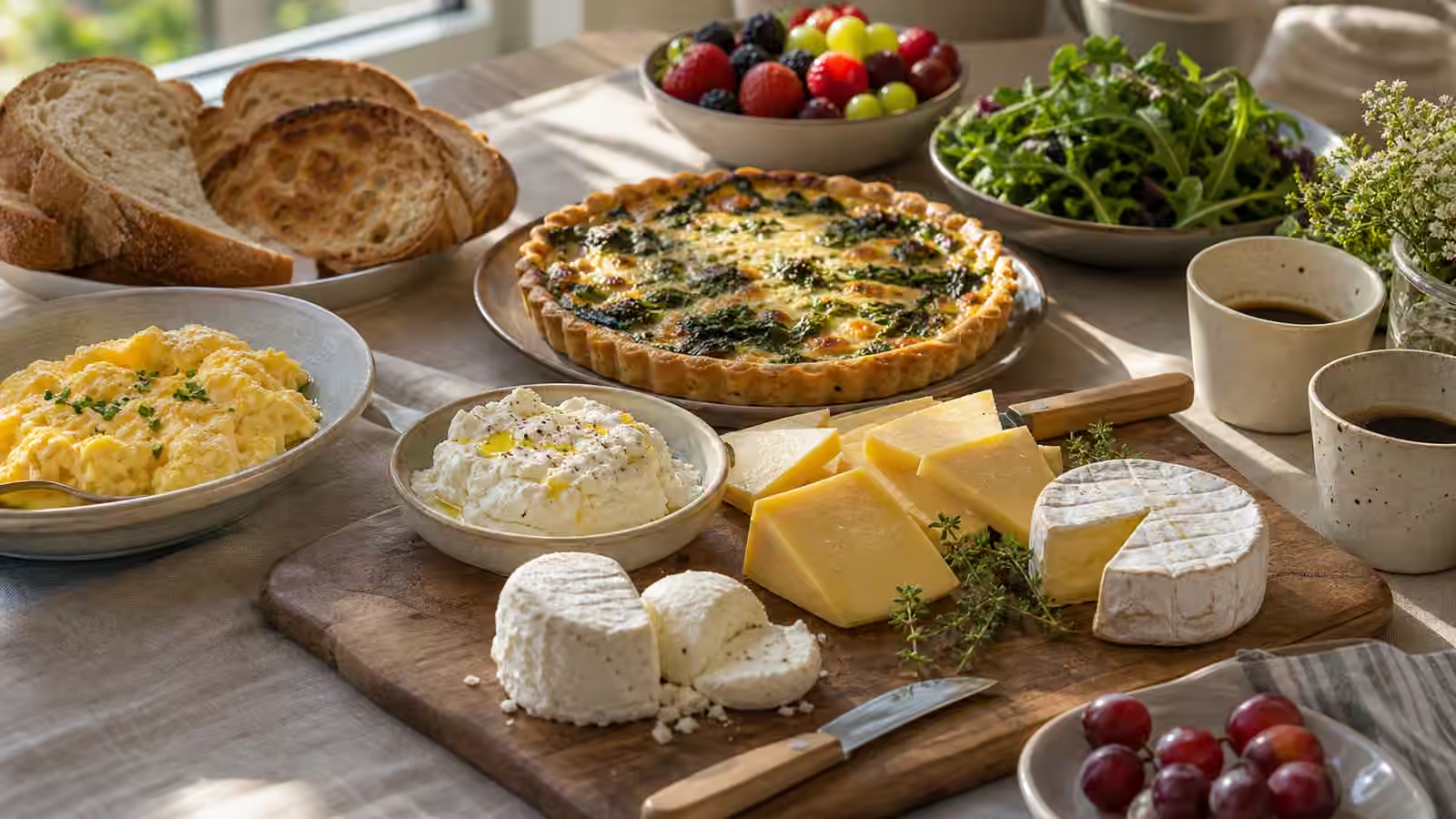
For everyday scrambled eggs, young cheddar, Monterey Jack, young Gouda, Fontina, Gruyere-style cheese, or a mild goat cheese are easier partners. They bring flavor without fighting the eggs. Fresh cheeses such as ricotta or soft goat cheese do not melt into strands, but they can give cool creaminess when folded in at the end. Brined cheeses such as feta-style cheese bring salt and tang, so they work best in smaller amounts with herbs, tomatoes, greens, or potatoes nearby.
The cheese should answer the dish. A soft scramble wants tenderness. An omelet can carry a more defined filling. A frittata can handle stronger flavors because it has more structure and often includes vegetables. Toast with eggs can take a sharper cheese because bread gives the bite a frame.
Scrambled Eggs Reward Late Cheese
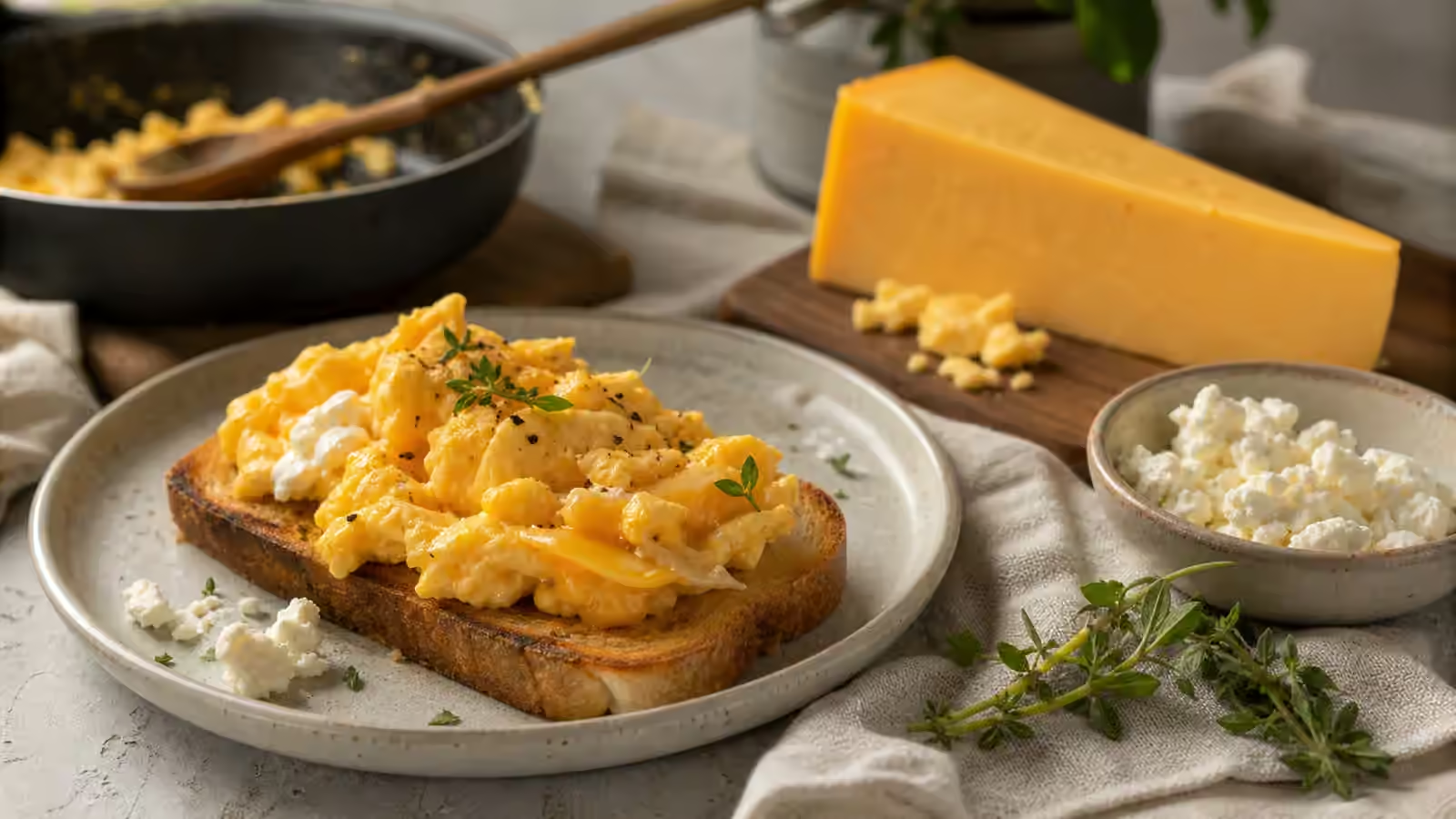
Scrambled eggs are easy to overcook, and cheese can encourage impatience. If cheese is added at the start, it may melt before the eggs set, then leak fat as the pan keeps cooking. The eggs can become heavy and slightly greasy. A better approach is to cook the eggs gently until they are nearly done, then fold in grated or crumbled cheese off the heat or over the lowest possible heat.
Small pieces matter. Fine shreds melt quickly without needing extra time. Soft cheese can be dotted in small pieces so it warms without vanishing. A hard aged cheese is often better grated over the finished eggs than stirred in by the handful. It gives salt and aroma without making the curds tough.
Carryover heat finishes the job. Eggs continue to set after the pan leaves the burner, and that residual warmth is often enough to soften cheese. This is where restraint feels like skill. Pull the eggs while they still look slightly loose, fold in the cheese, and let the plate finish the texture.
Omelets Need Cheese That Fits the Fold
An omelet gives cheese a pocket, which changes the decision. The cheese can be a filling rather than part of the eggs themselves. That allows more contrast, but it also creates a timing problem. The outside can overcook while a thick cheese filling stays cold.
Thin slices, fine shreds, or room-temperature small pieces solve most of that problem. A slice of semi-soft cheese can melt cleanly if it is not too thick. Grated cheddar or Gruyere-style cheese can warm fast enough to meet the eggs. Fresh goat cheese or ricotta can be spooned in sparingly, where it will soften and remain creamy rather than fully melt.
Strong cheeses need companions. A little blue cheese in an omelet can be excellent with mushrooms, bitter greens, or caramelized onions, but a plain blue-cheese omelet can feel salty and sharp. Smoked cheese can work with potatoes or peppers, but it can dominate a simple egg. Smoked Cheese is useful when you want that warm, savory edge without letting it take over the plate.
Frittatas and Baked Eggs Can Carry More
Frittatas, strata, and baked egg dishes have more body than a scramble. They can carry firmer cheeses, stronger flavors, and visible pieces. The slower cooking gives cheese time to soften, and the eggs form a structure around it. Still, the same warnings apply. Too much cheese can make the center oily or dense.
Cheese can play several roles in a frittata. Grated cheese mixed into the eggs seasons the whole dish. Cubes or crumbles create pockets. A thin top layer browns and signals flavor before the first bite. Each role uses a different amount. Mixing, pocketing, and topping all at once can be delicious, but only when the cheese is mild enough and the vegetables are not already heavy.
Moisture matters. Wet fresh cheeses, juicy vegetables, and undercooked greens can make baked eggs weep. Drain or cook vegetables first. Use fresh cheeses in small spoonfuls. If using a brined cheese, remember that it seasons the entire dish wherever it melts or crumbles. Brined Cheese gives more detail on salt and texture in that family.
Breakfast Toast Needs Balance
Egg and cheese on toast sounds simple, but it works because bread controls richness. Toast gives crunch, absorbs a little fat, and lets stronger cheese make sense. A fried egg over a thin layer of aged cheddar tastes different from the same cheddar stirred into a soft scramble. The bread gives intensity somewhere to go.
Spreadable cheeses are especially useful here. Fresh goat cheese, ricotta, cream cheese, or a soft bloomy cheese can sit on toast while the hot egg warms them. Firm cheeses can be grated onto the toast before the egg lands. Blue cheese can be mashed with butter or yogurt in a very small amount. The toast becomes the place where cheese, egg, and condiment meet.
Acid helps. Tomatoes, pickled onions, mustard, hot sauce, herbs, or bitter greens keep cheese and eggs from tasting flat. This is not about making breakfast complicated. It is about giving fat a counterweight.
Cheese and eggs work best when the cheese is chosen for texture first and flavor second. Does it need to melt through soft curds, fill a fold, brown on top, or sit under a hot egg? Once that job is clear, the cheese choice becomes easier. Eggs are gentle. The cheese should make them deeper, not drown them out.