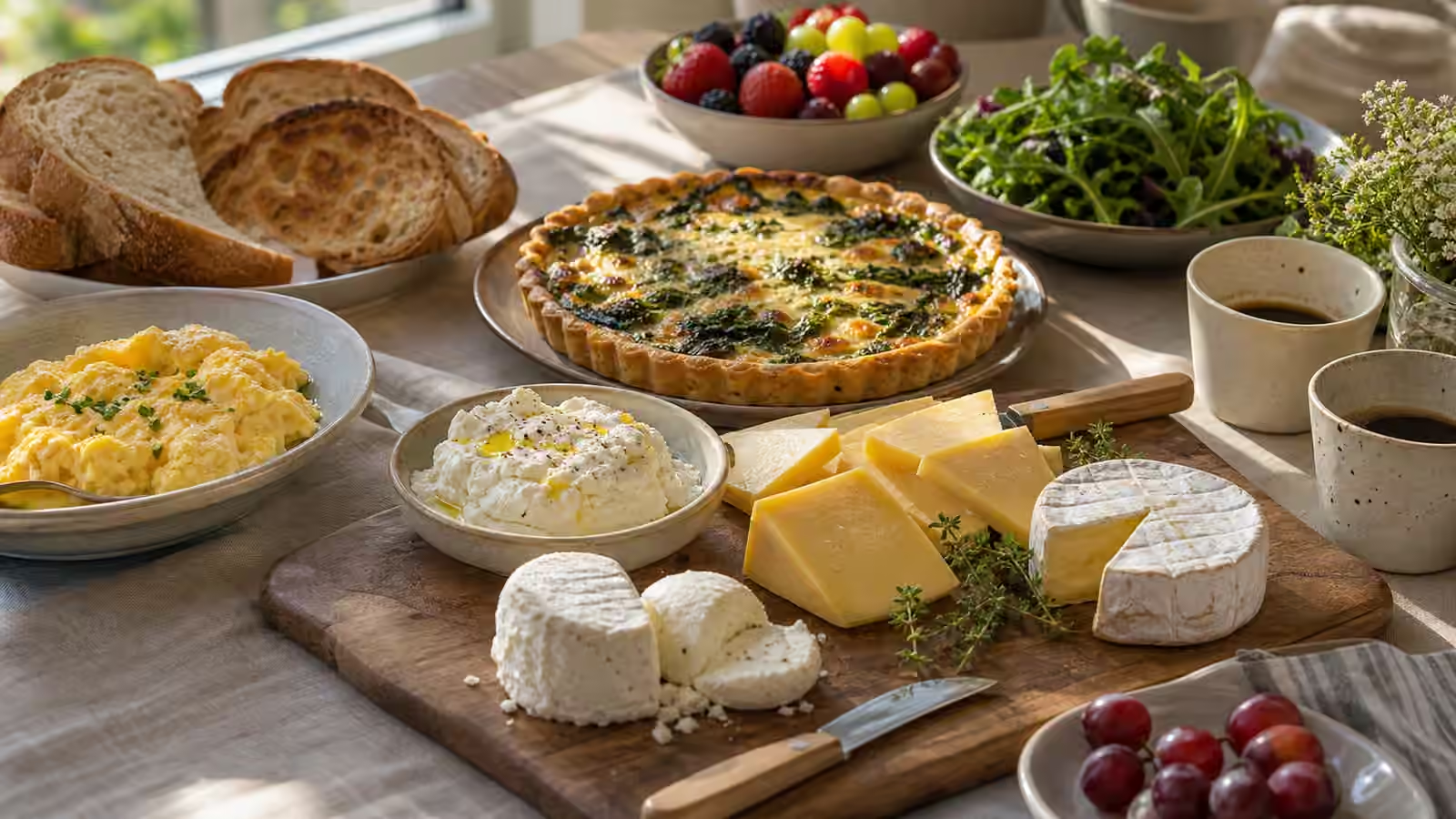
Brunch asks cheese to behave differently than dinner does. The table is slower, the food often sits longer, and the flavors need to feel generous without becoming heavy before the day has started. Cheese can make brunch feel thoughtful in a quiet way: a spoonful of ricotta beside fruit, a little aged cheddar in eggs, goat cheese on toast with herbs, a few shavings over greens, or a warm tart that tastes finished without needing a rich sauce.
The best brunch cheese choices are not necessarily the most dramatic cheeses. Brunch rewards cheeses that wake up quickly, pair with bread and eggs, and tolerate a relaxed pace. Fresh cheeses bring brightness. Semi-firm cheeses bring melt and comfort. Aged cheeses bring flavor in small amounts. Bloomy rinds can work beautifully, but only when they are served at the right temperature and not forced into every dish.
This guide extends Cheese for Eggs and Fresh Cheeses . It also borrows from Cheese in Baking because brunch often lives between the skillet, the oven, and the serving board.
Start with the pace of the meal
Dinner cheese can arrive as a distinct course. Brunch cheese usually moves through the meal. It may be folded into eggs, spread on toast, baked into a tart, set beside fruit, or served on a small board while coffee is still being poured. That means the cheese needs to fit the pace. A very ripe washed rind may be wonderful at night but too loud at ten in the morning. A hard aged cheese may be perfect when grated over eggs, but tiring if served in thick slices beside every pastry.
Think of brunch as a set of gentle stations. Something warm, something fresh, something bread-based, something fruit or vegetable, and one cheese that can sit comfortably on the table. You do not need cheese in every station. In fact, the meal often improves when cheese appears in two or three clear places rather than being scattered everywhere.
Brunch also punishes poor timing. Cold cheese tastes flat. Overheated cheese tastes greasy. Soft cheese left too long in a warm room can slump. Use Cheese Serving Temperature as a baseline, then shorten the window if the room is warm or the cheese is very soft.
Eggs want seasoning, not weight
Eggs and cheese are natural partners because eggs provide softness and cheese provides salt, savor, tang, or stretch. The danger is using cheese as bulk. Too much cheese can make scrambled eggs heavy and dull, especially if the cheese is mild and oily. A smaller amount of a more flavorful cheese often works better.
For soft scrambled eggs, add cheese near the end. Fresh goat cheese, ricotta, cream cheese-style spreads, feta, and soft blues can create pockets of flavor if they are folded gently. Aged cheddar, Gruyere-style cheese, or hard grating cheese should be grated finely so it melts before the eggs overcook. If the eggs are still on high heat when the cheese goes in, the proteins can tighten and the texture can turn rubbery.
Omelets and frittatas have different needs. Omelets benefit from cheese that melts quickly and does not release too much water. Frittatas can handle sturdier cheeses because the oven gives them time, but watery fresh cheeses should be drained or used in small pieces. A frittata with greens, herbs, and a little sheep milk cheese can taste clear and savory without needing a blanket of melt.
Toast is a better cheese vehicle than it looks
Toast is where brunch cheese becomes flexible. A slice of good bread can carry fresh cheese and fruit, melted cheese and vegetables, or aged cheese and eggs. The trick is matching cheese texture to the bread.
Fresh cheeses like ricotta, whipped feta, labneh-style spreads, and fresh goat cheese want toasted bread that is crisp enough to support moisture. They also want seasoning. Olive oil, pepper, herbs, citrus zest, honey, roasted tomatoes, cucumbers, radishes, or jam can make the cheese feel deliberate rather than plain. A soft cheese on untoasted bread can feel damp and unfinished. Toast gives it a frame.
Melting cheeses need a different approach. Young cheddar, Gruyere-style cheese, Fontina-style cheese, low-moisture mozzarella, and provolone-style cheese can turn toast into a proper warm dish. Add mustard, onions, mushrooms, greens, or a fried egg and the toast moves from snack to meal. The lesson from Cheese for Sandwiches and Toast applies here too: melt is texture, but the bread and contrast decide whether the bite stays interesting.
Fresh cheese belongs near fruit and herbs
Brunch is one of the best times to serve fresh cheese because the table already welcomes fruit, honey, herbs, breads, and cool dishes. Ricotta with pears or berries, fresh goat cheese with figs, mozzarella with citrus and herbs, or feta with melon and mint can make cheese feel bright rather than heavy.
Fresh cheese needs help because it is often mild. Salt, acid, oil, herbs, and texture turn it from a dairy scoop into a finished dish. Ricotta with good olive oil and black pepper can be beautiful. The same ricotta without seasoning can taste like a placeholder. Fresh goat cheese with honey is pleasant, but goat cheese with honey, toasted nuts, and thyme has shape. Mozzarella with tomatoes is familiar, but mozzarella with citrus, fennel, and a little chile can feel more awake.
Do not leave very wet cheeses exposed for too long. Keep them cool until close to serving, then give them a clean plate and a spoon. If they sit beside warm dishes, give them space so condensation and heat do not ruin their texture.
Tarts and baked dishes need restraint
Savory tarts, strata, quiche, baked eggs, galettes, and breakfast casseroles invite cheese, but they can become dense if cheese is used as the main structure. The best baked brunch dishes usually combine cheese with eggs, vegetables, bread, or pastry rather than letting cheese carry everything alone.
A tart with caramelized onions and a little aged cheese can taste deeper than a tart overloaded with mild shreds. A quiche with Gruyere-style cheese needs enough custard to stay tender. A strata needs bread that can absorb custard without turning soggy, and cheese that melts into the layers without pooling oil. Baked eggs can take small pieces of feta, goat cheese, or aged cheese, but they still need sauce, vegetables, or herbs to keep the dish from tasting one-note.
If you are serving several brunch dishes, keep one warm cheese dish and let the other cheese moments be cooler and lighter. A baked tart plus a big cheese board plus cheesy eggs is usually more than the morning needs.
A small board can carry the quiet middle of brunch
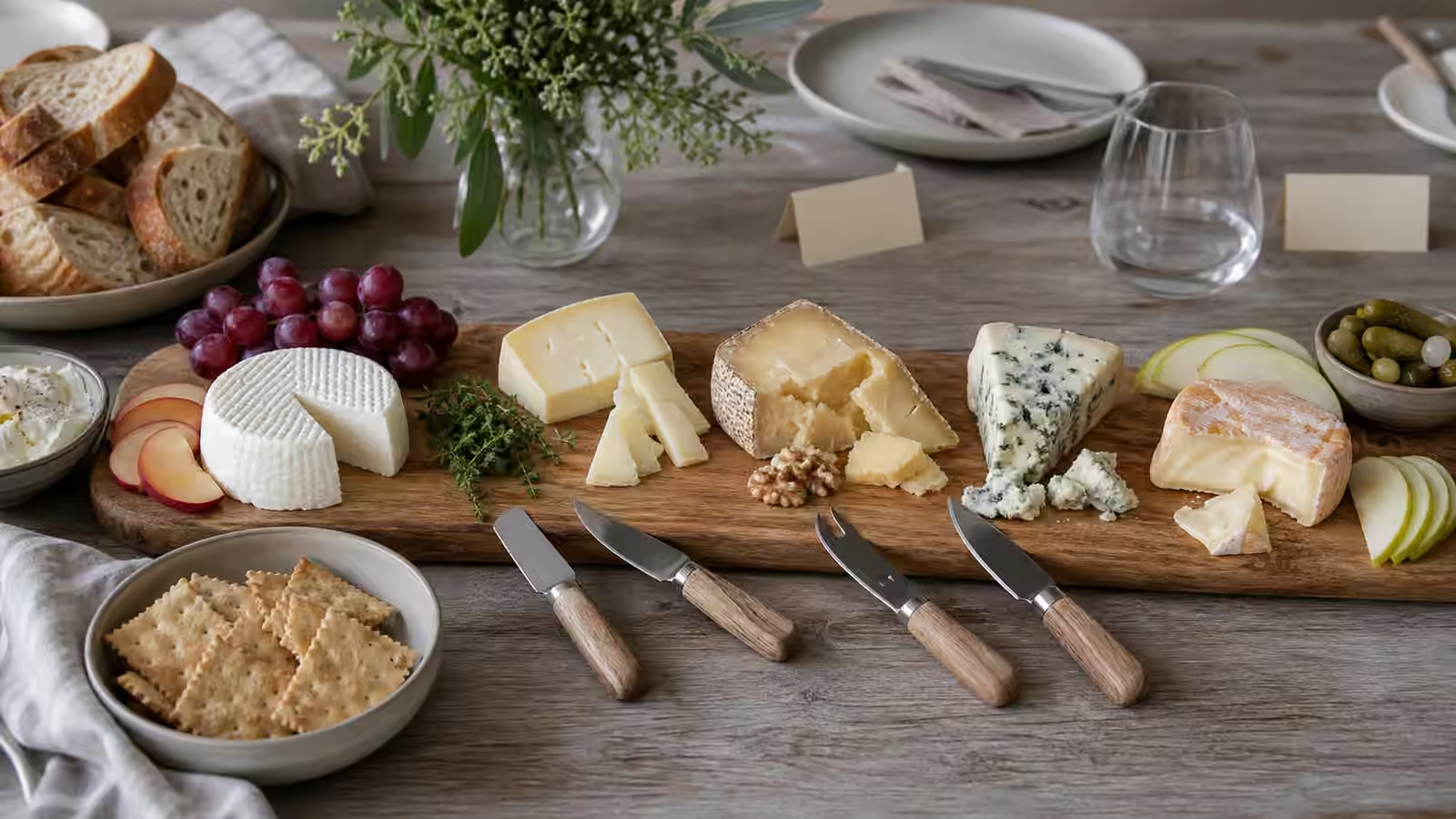
A brunch cheese board should be smaller and brighter than an evening board. It might include one fresh cheese, one firm cheese, and one soft ripe cheese, with fruit, bread, nuts, and something acidic. Skip the loudest cheeses unless your guests love them. Morning palates often prefer clarity over drama.
Fruit matters more at brunch than it does on some evening boards. Apples, pears, berries, figs, citrus, grapes, and stone fruit can all work, depending on season. Nuts add crunch. Pickles or radishes keep the board from drifting sweet. Honey or jam can be useful, but only if placed near cheeses that need sweetness.
The board should be easy to graze while people talk. Pre-cut a few pieces of firm cheese. Keep spreadable cheese with a dedicated knife. Place bread nearby but not under wet fruit. Let the board look abundant without making it the only event on the table.
Make-ahead choices are the host’s friend
Brunch often happens before a host wants to do complicated cooking. Cheese can help if you choose forms that handle preparation well. Grated firm cheese can be ready for eggs or tarts. Ricotta can be seasoned and chilled. A firm cheese can be sliced shortly before serving. A baked dish can be assembled in advance if the recipe supports it.
What should not be made too early is equally important. Toast should be toasted close to serving. Soft cheeses should not be plated hours ahead. Fresh mozzarella should not be sliced and abandoned to dry. A ripe bloomy rind should not sit warm through the whole morning.
Good brunch cheese use feels calm because the cheese has a job. It seasons eggs, supports toast, brightens fruit, gives a tart depth, or anchors a small board. It does not need to turn the meal into a dairy showcase. The morning feels better when cheese is present with purpose and leaves room for coffee, bread, fruit, vegetables, and conversation.