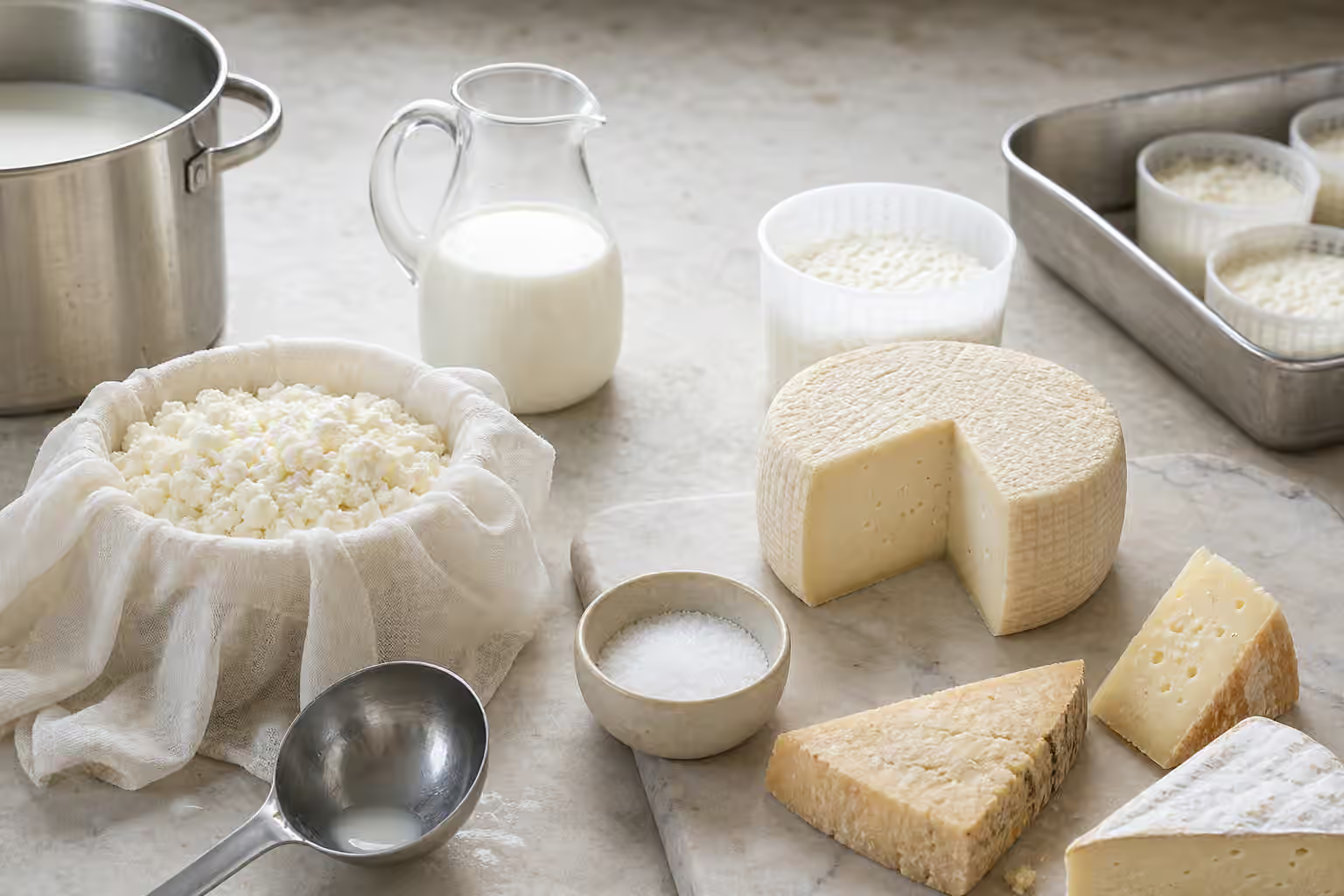
Cheese cultures are easy to picture as a hidden technical detail, something that belongs in a dairy lab rather than at the table. But cultures are one of the reasons cheese tastes like more than salted milk. They shape acid, aroma, rind, texture, and the pace at which a wheel changes. When a Brie-style cheese smells like mushrooms, when a blue cheese develops peppery veins, when a washed rind becomes savory and loud, cultures are part of the story.
The word can sound too broad because it covers different jobs. Some cultures work early, turning milk sugar into acid so curds can form and moisture can drain. Some work later, living on the surface and changing the rind from the outside in. Some need oxygen inside the cheese, which is why blue cheeses are pierced. Others are encouraged by washing, humidity, salt, and time. The practical lesson for a home cheese buyer is not that every microbe must be memorized. It is that culture explains why cheeses in the same case behave so differently.
If How Cheese Is Made gives you the broad path from milk to curd, this guide follows the living work that happens along that path. It also sits beside Cheese Rinds because rind is where many cultures become visible. A rind is not only a wrapper. In many cheeses, it is an active place where flavor is built.
Starter cultures set the first direction
Starter cultures are the early workers. Their main job is to acidify milk by converting lactose into lactic acid. That acid changes how milk proteins behave, helps curd form, and influences how moisture leaves the curd. Two cheeses can begin with the same milk and still move in different directions if the acid develops at different speeds or to different levels.
Acid is not only about tang. It affects firmness, melt, openness, and aging potential. A fresh lactic goat cheese feels tender and bright because acid setting and moisture are central to the style. A cooked, pressed Alpine-style wheel depends on a different balance: enough acid for structure, but not so much that the paste becomes brittle or sour before aging can build its deep savory notes. The starter culture does not act alone, but it helps decide what kind of cheese the milk can become.
This is why cheesemaking descriptions that mention “cultures” are more useful than they first appear. They are not decorative science words. They tell you the cheese was guided into a particular acid and flavor path. The exact strain names matter most to makers, but the result matters to eaters. Bright, yogurty, buttery, nutty, brothy, and tangy impressions often begin with early culture work.
Acid and rennet need each other in many cheeses
Cheese setting is often described as rennet versus acid, but many cheeses use both. Rennet helps milk proteins link into a curd, while acid changes the curd’s firmness and drainage. The two forces create a texture that neither one would create the same way alone. Rennet, Acid, and Vegetarian Cheese explains that setting step more directly; cultures explain why the acid part has rhythm.
If acid develops too quickly, curd can become fragile, tart, and difficult to age in the intended way. If it develops too slowly, the cheese may hold too much moisture or fail to develop the right structure. Good cheesemaking is not just adding ingredients. It is steering time. Starter cultures are one of the steering wheels.
For the eater, this shows up most clearly in texture. A fresh cheese that tastes clean and lemony has a different acid story from a young Gouda that slices smoothly, and both differ from a crumbly aged cheddar. When you taste cheese, notice whether brightness feels fresh, sharp, cultured, or sour. Those are not the same experience. A good cheese has acid that supports the style rather than shouting over it.
Bloomy rinds ripen from the outside inward
Bloomy-rind cheeses are the most familiar example of visible culture. The white rind on Brie-style and Camembert-style cheeses is a living surface that changes the cheese beneath it. As the rind grows and ripens, it breaks down proteins near the surface, making the paste creamier close to the edge before the center fully softens. That is why a young bloomy rind can have a chalky core and a creamy border, while a riper one may become soft almost all the way through.
This outside-in ripening is one reason Bloomy-Rind Cheese rewards close attention. A wheel is not equally ripe everywhere at once. The rind, paste, and center are in conversation. When the surface smells pleasantly mushroomy and the paste gives gently, the cultures are doing the work people love. When the cheese smells sharply ammoniated, the same living system may have gone too far or been trapped in poor storage.
Culture also explains why tight plastic can be unkind to bloomy rinds. These cheeses need protection from drying, but their surfaces should not be suffocated. The rind continues to breathe and shift after purchase. The storage advice in How to Store Cheese is especially important here because paper and a gentle container preserve the rind’s condition better than a sealed plastic wrap pressed directly onto the surface.
Washed rinds are managed ecosystems
Washed-rind cheeses are often described by smell first, but the aroma is the result of care. Makers wash or brush the surface with brine, sometimes with beer, wine, or other liquids depending on the style. The wash keeps the surface moist and salty enough to encourage specific surface organisms while discouraging others. Over time, the rind can turn orange, sticky, meaty, yeasty, or deeply savory.
That process is why washed rinds can taste gentler than they smell. The rind may be loud, but the paste underneath can be creamy, mellow, and balanced. The cultures on the surface create aroma compounds that drift before the cheese even reaches the mouth. If you serve a large wedge at the wrong temperature, the aroma can feel like the whole story. If you serve a smaller portion with bread, pickles, or mustard, the cheese often becomes much more graceful.
Washed-Rind Cheese covers ripeness and serving in more detail, but the culture lesson is simple: washing is not a garnish. It is a form of rind management. Humidity, salt, washing rhythm, and aging room conditions all shape the final cheese. A washed rind is not just a cheese that smells strong. It is a cheese whose surface has been intentionally farmed.
Blue cultures need air
Blue cheese seems mysterious until you remember that its cultures need oxygen. Blue molds grow where air reaches them, which is why many blue cheeses are pierced during aging. The piercing creates channels through the paste, allowing the mold to develop in streaks, pockets, and veins. The pattern can be irregular because the cheese is not printed with blue; it is ripened by a living system moving through available space.
The result is a cheese where flavor is uneven in a good way. A bite with more blue may taste saltier, spicier, or more mineral. A bite with more paste may feel creamier and sweeter. This is one reason blue cheese should not be served in huge blocks. Smaller pieces let salt, mold, and butterfat stay in proportion. Blue Cheese: Veins, Salt, Texture, and Serving is the better guide to choosing and portioning the style, but cultures explain why those veins matter.
Air also affects storage. Blue cheese should be protected and contained, but not crushed into a sealed wet environment. A separate container protects the rest of the fridge from its aroma, while breathable wrapping helps the cut face avoid drying or sweating. The mold is intended, but the cheese still needs careful handling.
Natural rinds are built slowly
Not every culture announces itself as white bloom, orange wash, or blue veins. Natural rinds on tommes, mountain cheeses, and many aged wheels can develop through repeated contact with aging boards, cellar air, salt, brushing, and humidity. These rinds may look dusty, mottled, rough, gray, brown, or golden. Some are edible in thin amounts when young and clean. Some become too tough, gritty, or earthy to enjoy.
Natural rind flavor is one reason a wedge can taste different near the edge than in the center. The outer paste may be more savory, earthy, or intense because it has lived closer to the surface ecosystem. The center may be sweeter, milder, or more buttery. Good cutting tries to share that range fairly, which is why How to Cut and Serve Cheese matters even when the cheese looks sturdy.
For shoppers, the practical move is to read the rind without panic. A rustic rind is not automatically dirty, and a waxed cheese is not automatically less serious. The question is whether the surface belongs to the style and whether the cut face looks alive. If a natural rind smells balanced, the paste near it tastes good, and the cheese has been handled well, culture has done quiet work that a label cannot fully describe.
Culture is why cheese keeps changing
Cheese is not frozen at the moment you buy it. Some cheeses slow down in the fridge but continue changing. Fresh cheeses mostly become older and less fresh. Bloomy rinds continue softening. Washed rinds can get stronger. Blues can dry or sharpen. Firm aged cheeses can lose moisture at the cut face even if their deep aging is mostly complete.
This is why buying for the right window matters. A bloomy rind bought underripe may need time, but a ripe one may need to be eaten soon. A washed rind may be perfect for a few days and then become too assertive for the table. A blue may be delicious when moist and balanced, then become salty and tired if left uncovered. Culture gives cheese life, but life is not the same as endless improvement.
At the counter, asking about ripeness is often more useful than asking for the “best” cheese. You can say you want a bloomy rind to serve tonight, a washed rind for the weekend, or a blue that is creamy rather than sharp. Those questions invite the cheesemonger to think about culture, condition, and timing at once.
Let cultures make cheese less mysterious
Understanding cultures does not make cheese colder or more technical. It makes the sensory clues easier to trust. A mushroomy rind, a creamy edge, a blue vein, a tacky orange surface, a brothy natural rind, and a tangy fresh cheese are all signs of milk being guided by living processes.
The next time you taste a board, notice where the culture work is visible. Start with a fresh cheese and feel how acid keeps it bright. Taste a bloomy rind near the edge and then near the center. Try a washed rind with something acidic and notice how the aroma becomes savory instead of merely strong. Break a blue cheese so one bite catches a vein and another catches more paste. Those comparisons turn culture from an abstract word into a set of flavors you can recognize.
Cheese cultures are not a trivia category. They are the reason cheese can be clean, creamy, mushroomy, earthy, nutty, peppery, brothy, or wild while still beginning with milk. Once you see that, the cheese case becomes easier to read. The surfaces, smells, and textures are no longer random. They are evidence of how the cheese was made, aged, and cared for.