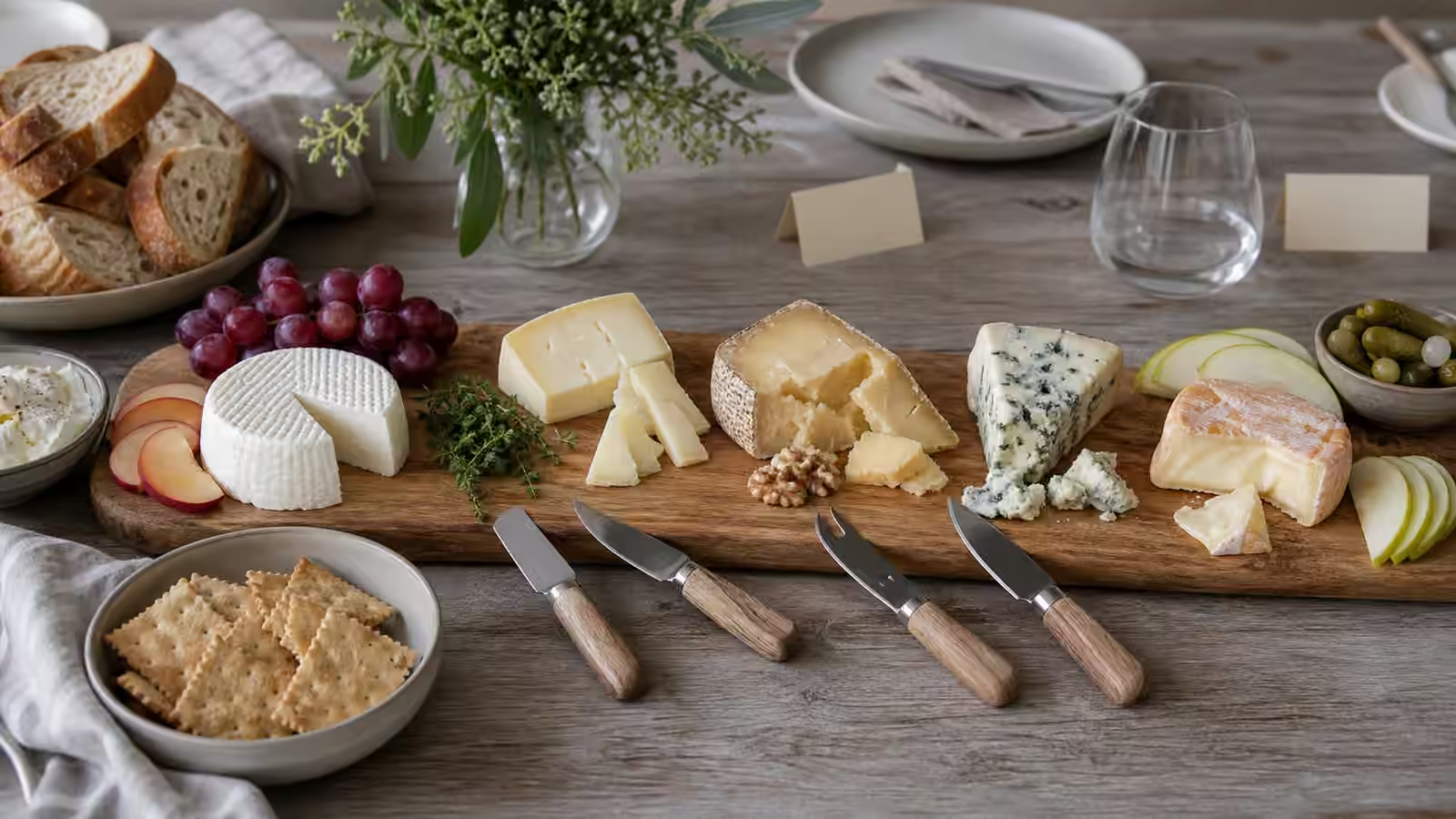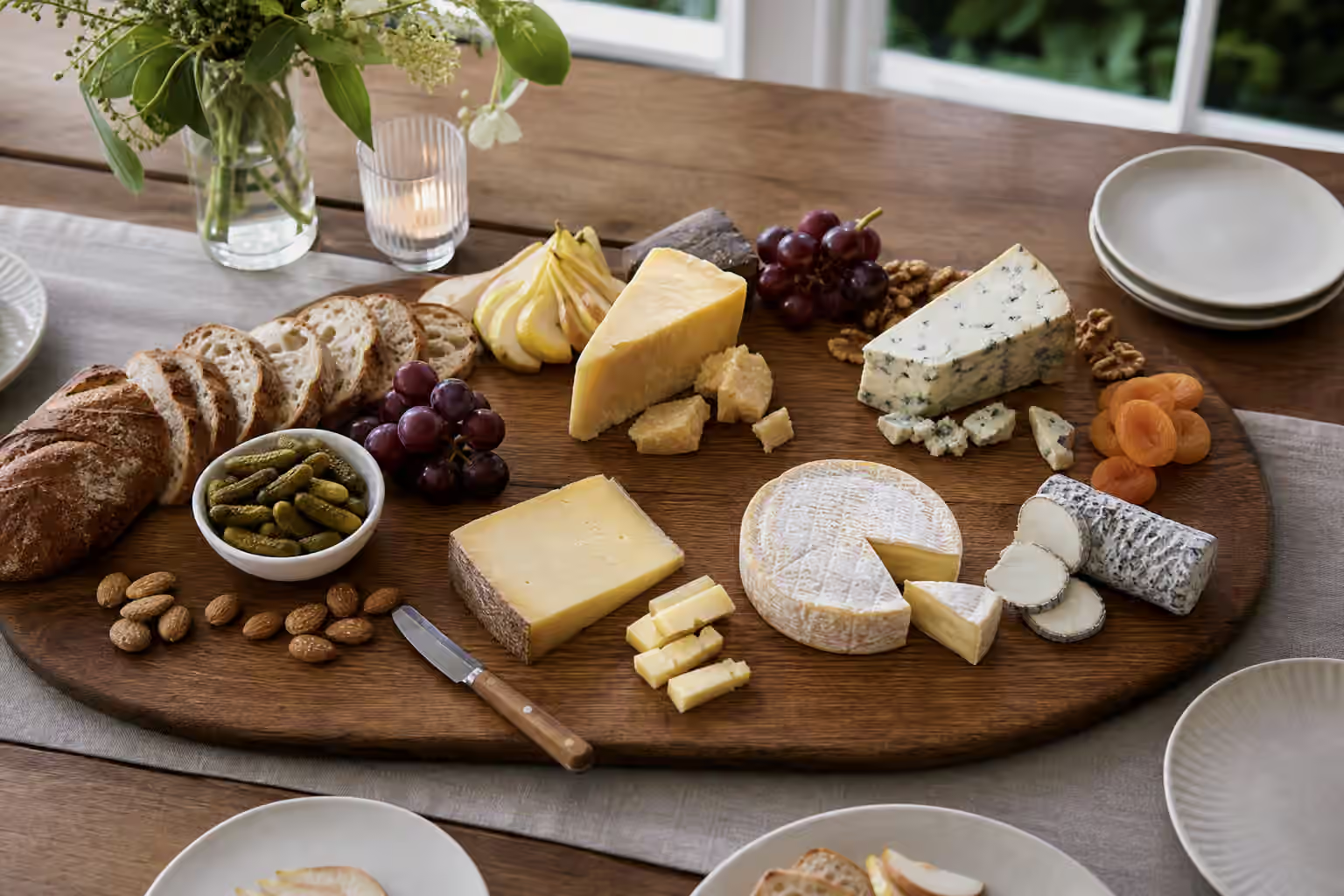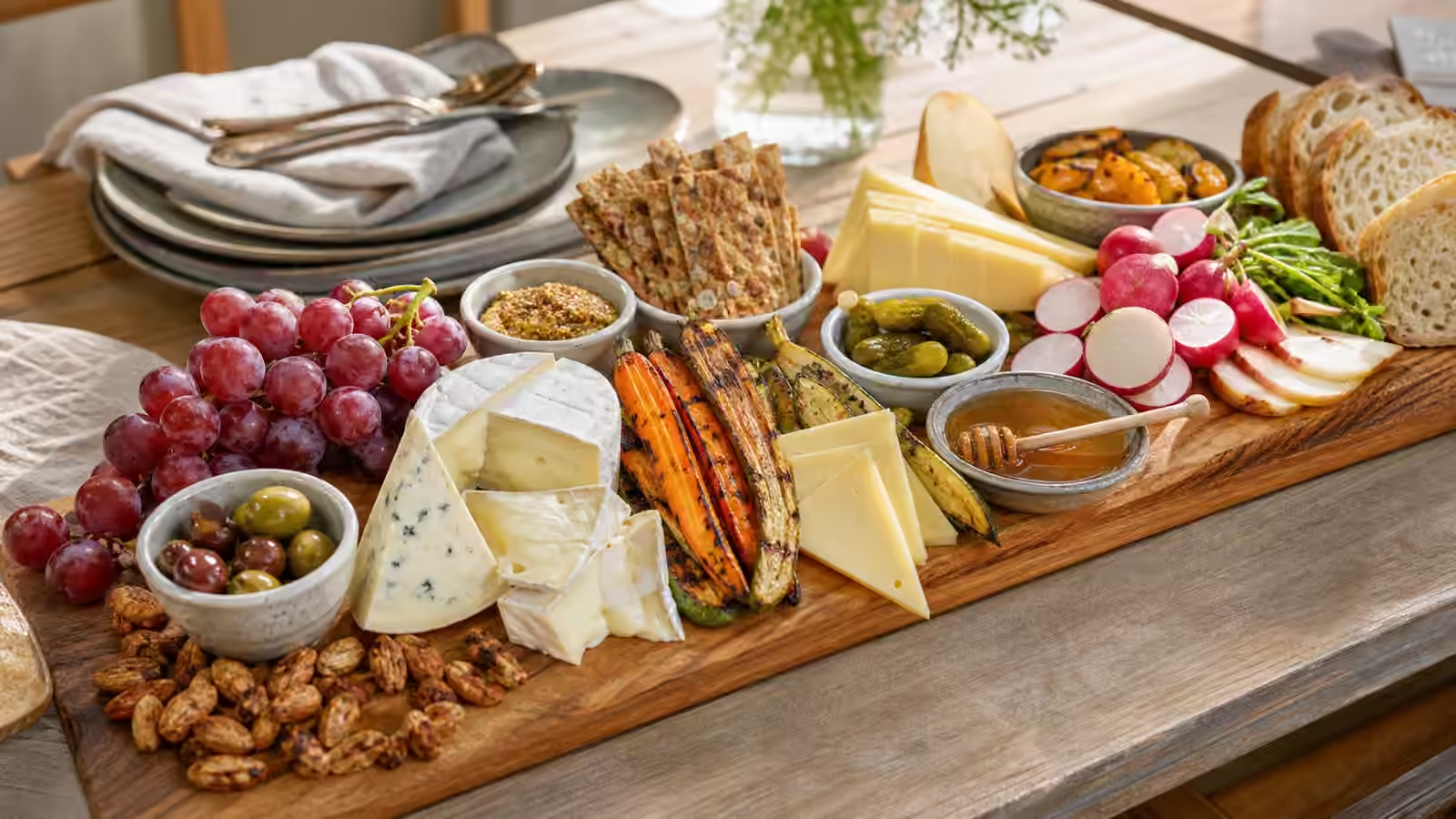
A cheese board without meat should not feel like a cheese board with something missing. It should feel like a board with a different center of gravity. Cured meats bring salt, fat, chew, smoke, spice, and visual abundance, so a meatless board has to replace those jobs deliberately rather than simply leave empty space around the wedges.
The useful news is that cheese already carries richness, salt, and depth. A board without meat does not need to become heavier. It needs contrast. Roasted vegetables, pickles, olives, nuts, beans, herbs, crisp bread, fruit, mustard, honey, and good oil can do as much for cheese as salami does, often with more freshness and range. The board becomes less about one strong savory note and more about small changes in texture and temperature.
This guide sits beside The Art of the Cheese Plate and Cheese Accompaniments . It is also a useful counterpoint to Cheese with Cured Meats , because the logic is the same even when the ingredients change: every supporting food should make the cheese easier, clearer, or more pleasurable to eat.
Replace the jobs, not the meat
The first mistake is treating meatless planning as subtraction. If a usual board has cheese, cured meat, bread, fruit, nuts, and pickles, removing meat leaves a gap in salt and chew. If you replace that gap with more cheese, the board becomes rich without relief. If you replace it with only fruit, it becomes sweet and soft. The better approach is to ask what the meat was doing and assign those jobs elsewhere.
Salt can come from olives, capers, brined vegetables, salted nuts, sea-salted butter, or a firmer sheep milk cheese used in smaller pieces. Chew can come from roasted mushrooms, marinated artichokes, dried fruit, dense sourdough, toasted chickpeas, or a sliceable nut loaf. Smoke can come from smoked almonds, charred peppers, grilled bread, smoked cheese used carefully, or a smoked paprika oil. Spice can come from mustard, pepper jelly, pickled chiles, or radishes.
Once you think this way, the board becomes easier to build. You are not trying to imitate salami. You are giving guests the same satisfaction through a wider set of textures.
Choose cheeses with enough range
A meatless board benefits from cheeses that create their own contrast. If all the cheeses are soft and mild, the vegetables and condiments have to work too hard. A strong board can begin with one creamy cheese, one firm or aged cheese, and one brighter or bolder accent. That might mean a bloomy rind, an aged Alpine-style wedge, and a fresh goat cheese. It might mean a young Gouda, a blue, and a brined cheese. The exact choices matter less than the difference between them.
Avoid building the whole board around very salty cheeses. Without meat, it can be tempting to lean on brined and blue cheeses for impact, but the table gets tiring if every bite is sharp. Let one cheese be bold. Let another be generous and mild. Let the third be savory and dependable.
This is where Cheese Board for Learning is helpful. A board that teaches contrast is also a board that serves well. Guests can move from gentle to firm to bold and understand why each cheese is present.
Vegetables bring structure when they are treated seriously
Vegetables on a cheese board should not look like the forgotten crudite tray. They need seasoning, shape, and purpose. Roasted carrots, peppers, fennel, mushrooms, squash, onions, and tomatoes can bring sweetness and depth. Raw radishes, cucumbers, celery, endive, and snap peas bring crunch and water. Pickled vegetables bring acid. Marinated vegetables bring oil, herbs, and a soft bite.
The key is restraint. One roasted vegetable, one crisp fresh vegetable, and one pickled element are often enough. A board with too many vegetables can become a salad arranged in piles. The cheese should still be the center, with vegetables acting as partners.
Roasted vegetables are especially useful with firmer cheeses. Their sweetness brings out nutty notes, while their browned edges echo aged flavors. Pickles are excellent with rich soft cheeses because acid keeps the bite from feeling heavy. Raw crisp vegetables are best near salty cheeses, where their water and snap make the salt feel cleaner.
Bread and crackers carry more responsibility
On a board with cured meat, a guest may eat cheese and meat together without bread. On a meatless board, bread and crackers often become the main carriers of texture. They should be plain enough to support the cheese and sturdy enough to hold spreads, soft cheese, and roasted vegetables.
Good bread can be the anchor. Sourdough, baguette, seeded rye, flatbread, and crispbread all change the board. A mild bloomy rind on warm bread feels different from the same cheese on a brittle cracker. A hard aged cheese with dense rye can feel almost meal-like. Fresh goat cheese on toasted bread with herbs and roasted vegetables can carry a board without seeming like an appetizer trying too hard.
Very flavored crackers should be used sparingly. Garlic, onion, rosemary, chili, and sweet cracker flavors can flatten the cheeses if every bite passes through them. Keep one quiet base on the board. Let stronger crackers act like an accent.
Beans, nuts, and seeds add quiet substance
A meatless board can become too light if it is all cheese, fruit, and crackers. Beans, nuts, and seeds solve that problem without stealing focus. Marinated white beans, hummus, lentil salad, toasted chickpeas, spiced nuts, pumpkin seeds, and sesame crispbread bring substance and chew.
The trick is to keep them board-friendly. A loose bean salad can run into cheese and make the board messy. A small bowl of marinated beans with a spoon works better. Hummus belongs in a bowl with oil and herbs, not smeared under everything. Nuts should be toasted and cooled so they taste intentional. Seeds can bring texture to fresh cheese, especially when paired with honey, herbs, or black pepper.
These ingredients also help if the board is meant to be a light meal. Cheese alone can be rich without being filling in a balanced way. Beans and bread make the table steadier.
Sweetness should be precise
Meatless boards can drift sweet because fruit is an easy way to fill space. Fruit is useful, but too much can make the board feel like dessert before the cheeses have had a chance to speak. Use sweetness where it does a job.
Fresh pears, apples, grapes, figs, cherries, and citrus can brighten salty or creamy cheeses. Dried fruit brings chew and concentrated sweetness, which is especially good with aged firm cheeses and blues. Honey and jam should be placed where they are needed, not spread across the whole board. A little honey near blue cheese or fresh goat cheese makes sense. A big pool of jam beside every wedge can make the board taste repetitive.
For a more savory board, use fruit with acid or bitterness. Apples, citrus, pomegranate, tart cherries, and barely sweet chutneys can keep richness in check. Cheese Pairing Beyond Wine uses the same principle for drinks: sweetness works best when it balances salt rather than burying it.
Make the board easy to approach
A meatless board often has more small components, so arrangement matters. Give wet foods bowls. Keep pickles away from delicate cheeses unless you want everything to taste like brine. Put strong cheeses at the edge with their own knife. Pre-cut a few pieces of firm cheese so guests know how to begin. Leave soft cheese mostly intact, with a clean spreader.
Visual abundance comes from repetition and breathing room. Two small clusters of grapes look more generous than one heavy pile. A few roasted vegetables tucked near a firm cheese look more intentional than a mound in the middle. Bowls add height and keep flavors contained. Bread can sit in loose stacks instead of dramatic fans.
The best meatless cheese board has a calm rhythm: creamy, crisp, salty, acidic, nutty, sweet, and fresh. It does not apologize for skipping meat. It gives cheese a table full of useful companions and lets every bite feel complete.