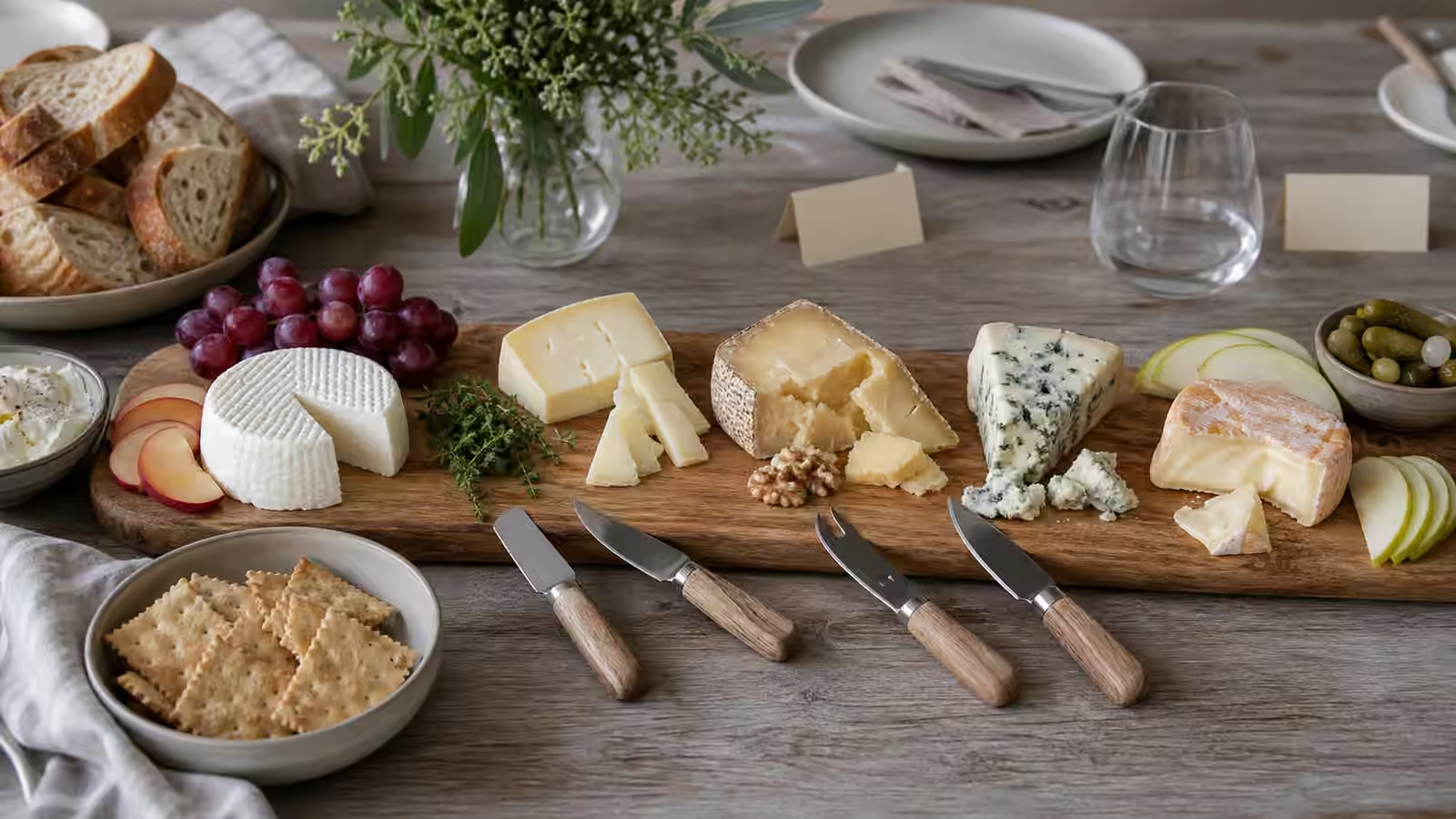
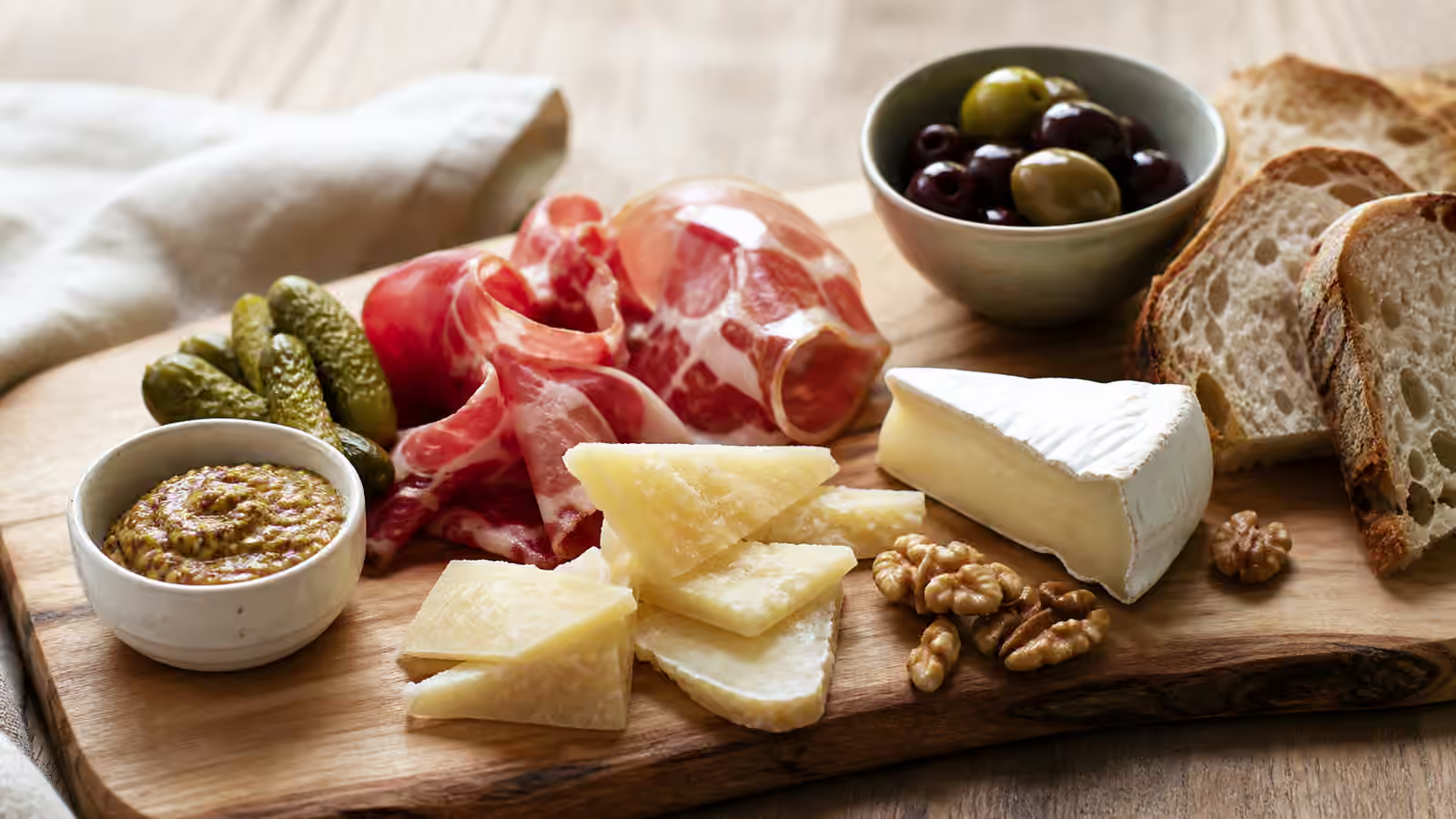
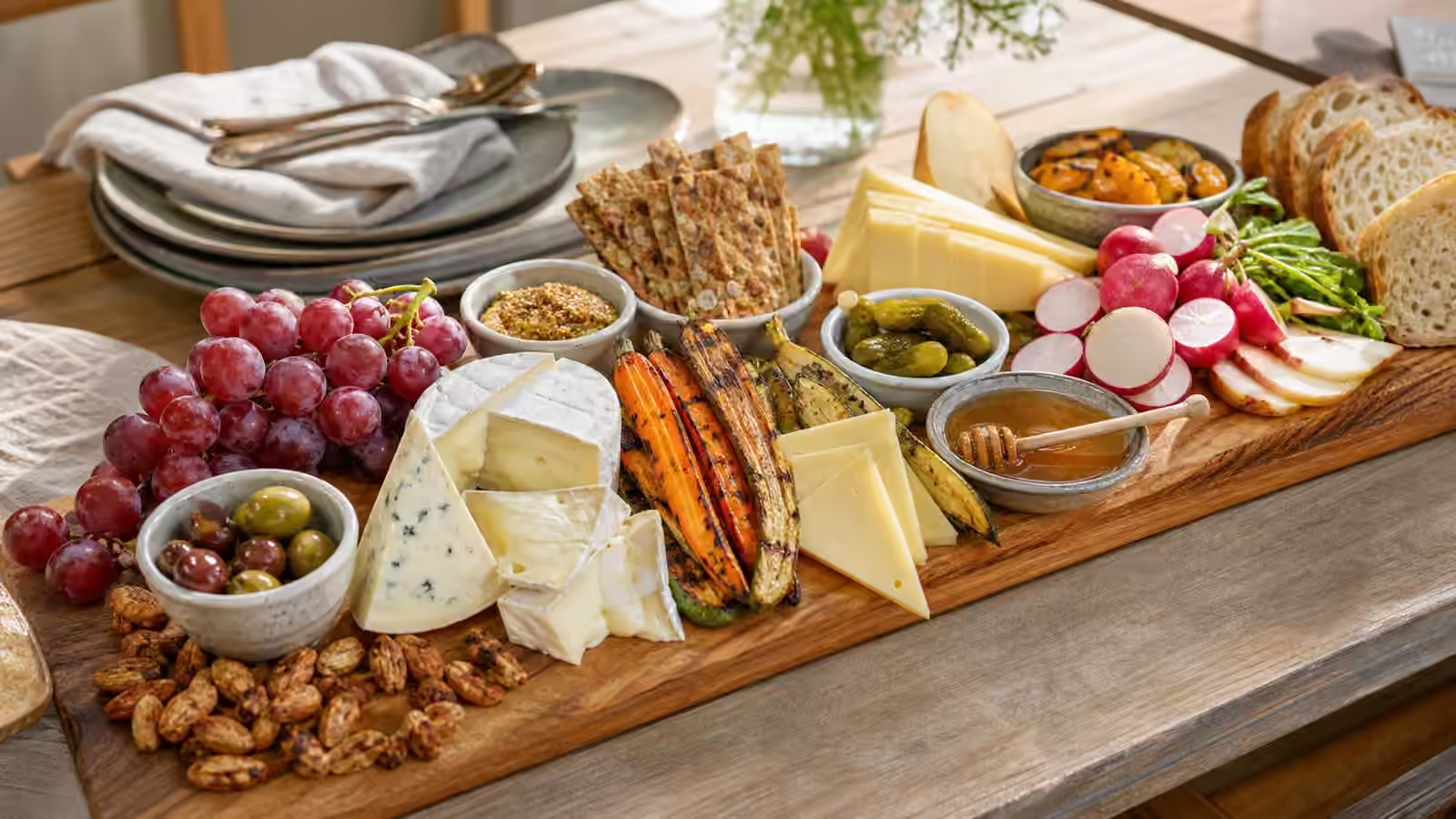
The foods around cheese should do more than fill the empty spaces on a board. Bread, fruit, pickles, honey, mustard, nuts, and preserves can make cheese taste clearer, richer, brighter, softer, or more complete. They can also get in the way. A flavored cracker can flatten a delicate cheese. Too much jam can turn a board into dessert before the cheese has spoken. A pile of sweet fruit can make every bite taste pleasant but vague.
A good accompaniment has a job. Sometimes it carries a soft cheese to the mouth. Sometimes it cuts through butterfat. Sometimes it softens salt or makes a strong rind feel friendly. Sometimes it echoes a flavor already in the cheese, like walnuts beside an aged Gouda or toasted bread beside a mountain cheese. The goal is not abundance for its own sake. The goal is a table where each extra thing helps the cheese land.
If The Art of the Cheese Plate is about composition, this guide is about the supporting cast. It sits beside Cheese Board for Learning because a small board teaches more when every pairing is chosen for a reason.
Bread and Crackers Are Structure
The first companion for cheese is usually starch, and starch is mostly structure. Bread gives soft cheese a surface. Crackers give guests an easy, crisp vehicle. Toast gives warmth and a little bitterness. Crispbread gives snap without much sweetness. None of these should compete with the cheese unless competition is the point.
Plain bread is often better than elaborate crackers. A baguette, country loaf, seeded rye, or simple flatbread lets cheese keep its voice. The bread can still have character, but it should not taste more strongly of garlic, onion powder, sugar, or seasoning than the cheese itself. Strong crackers are useful with assertive cheeses, but they are blunt tools with delicate fresh or bloomy styles.
Texture matters as much as flavor. A soft triple-cream on a soft slice of bread can feel sleepy because everything moves the same way. The same cheese on toast can feel more alive because the crisp edge wakes up the butterfat. A crumbly aged cheese can be difficult on a brittle cracker if both fracture at once. A thin slice of firm bread may be better because it catches the crumbs and gives the bite a calmer base.
Think of starch as the table manners of the board. It gives fingers somewhere to go, keeps soft cheese from becoming a utensil problem, and lets people build small bites without dragging cheese across the plate.
Fruit Brings Lift, but Freshness Matters
Fruit is the easiest way to make cheese feel brighter. Apples and pears bring water, crunch, and mild acidity. Grapes bring sweetness and a clean burst. Figs, apricots, dates, and raisins bring deeper sugar and a chew that can make aged or salty cheese feel generous. Citrus can work, especially with fresh goat cheese, but it needs restraint because sharp acid can dominate soft dairy.
The best fruit pairing usually solves a specific problem. A rich bloomy rind can feel heavy after a few bites, so pear or apple gives it lift. A salty blue can feel severe alone, so fig or pear gives it sweetness and water. A dense sheep milk cheese can taste more rounded beside quince, apple, or dried apricot. A fresh goat cheese can become more fragrant with berries, citrus zest, roasted beets, or a slice of ripe peach.
Fruit should be fresh enough to taste like itself. Tired grapes and mealy apples do not honor good cheese. Cut apples and pears close to serving when possible, or use varieties that hold their texture well. If browning is a concern, a light touch of lemon can help, but do not let lemon become the loudest ingredient. The fruit should brighten the cheese, not announce itself as a salad dressing.
Season is useful here. In warm months, fresh peaches, berries, tomatoes, and crisp raw vegetables can make cheese feel light. In cooler months, pears, apples, roasted grapes, dried fruit, and quince paste fit naturally with firmer, nuttier, and more aged cheeses. Seasonal choices make a board feel intentional without adding complexity.
Pickles, Mustard, and Olives Cut Richness
Acid is the quiet hero of many cheese boards. Pickles, cornichons, pickled onions, mustard, olives, capers, and sharp chutneys all do a version of the same work: they interrupt fat and salt so the next bite tastes fresh. They are especially useful with washed rinds, bloomy rinds, alpine cheeses, and rich semi-soft wedges.
Washed-rind cheese often benefits more from acid than from sugar. A little cornichon or mustard can turn a strong aroma into something savory and appetizing. The acid makes the cheese feel less heavy, while the crunch gives the mouth a reset. This is one reason a bold cheese can become easier to enjoy when it is served in small pieces with something sharp nearby.
Mustard is powerful, so it should be used like punctuation. Grainy mustard with aged cheddar, alpine cheese, or ham-friendly cheeses can be excellent. A hot mustard can overwhelm a fresh cheese and make a blue taste harsh. Olives can do beautiful work with fresh and sheep milk cheeses, but they bring their own salt, so the cheese portion should be modest.
The mistake is treating acidic foods as decoration. A bowl of pickles across the table does not help a guest unless the pairing is obvious. Put the acid close to the cheeses that need it. That small placement choice changes how people eat.
Honey, Jam, and Preserves Soften Salt
Sweetness is not just dessert. On a cheese board, sweetness can soften salt, round sharpness, and make intense cheeses more approachable. Honey with blue cheese is the classic example because the sugar cushions the blue’s salt and pepper. Fig jam with aged sheep cheese works for similar reasons. Quince paste with Manchego-style cheese is famous because it meets density with fruit and structure.
The danger is volume. Too much jam makes every cheese taste like jam. A small touch is usually enough. You want sweetness to change the edge of the cheese, not erase it. With mild cheeses, a heavy spoonful of preserve can make the bite dull because the cheese has no strength left to push back. With salty, aged, blue, or sheep milk cheeses, sweetness has more to work with.
Honey behaves differently depending on the cheese. On fresh goat cheese, it makes the tang feel round and breakfast-like. On blue cheese, it tames the salt and lets the cream show. On an aged Gouda, it can echo caramel notes, though too much can make the cheese seem less savory. On washed rinds, honey can be pleasant but risky; sometimes acid is the cleaner partner.
Preserves with texture often work better than smooth sweetness. Fig seeds, quince paste, whole-fruit jam, or dried fruit give the mouth something to notice beyond sugar. The texture slows the bite down and keeps the pairing from becoming syrup.
Nuts and Seeds Echo Depth
Nuts are not just filler. They echo the roasted, buttery, and caramel notes that many aged cheeses already carry. Walnuts beside aged Gouda, almonds beside sheep milk cheese, hazelnuts beside alpine cheese, and pecans beside cheddar all make sense because they meet the cheese in its own register. The pairing feels natural because the aromas overlap.
Toasting matters. Raw nuts can taste flat or tannic. Gently toasted nuts smell warmer and taste more deliberate. They also bring crunch, which helps creamy and dense cheeses avoid monotony. Salted nuts can be good, but only if the cheese is not already very salty. A salty blue with salted nuts may exhaust the palate quickly.
Seeds can work in the same way. Sesame crackers, pumpkin seeds, or seeded flatbread can add bitterness and roast. With fresh cheese, that bitterness can make the cheese taste cleaner. With aged cheese, it can deepen the savory side. As with crackers, the seasoning should not take over.
Match the Companion to the Cheese Style
Fresh cheeses like brightness and herbs. Fresh goat cheese, ricotta-style cheese, feta, and mozzarella often do well with tomatoes, citrus zest, olive oil, herbs, berries, cucumbers, or crisp bread. They are close to milk, so accompaniments that bring freshness make them feel complete. Too much heavy jam can make them taste simple rather than clean.
Bloomy rinds like lift and texture. Brie-style cheeses and triple-creams need something that keeps all that cream from feeling sleepy. Apple, pear, toast, cornichons, sparkling drinks, and lightly bitter greens all help. Honey can be good with a young bloomy rind, but acid and crunch usually keep the bite more awake.
Washed rinds like acid, starch, and restraint. They can be meaty, savory, and aromatic, so pair them with cornichons, mustard, crusty bread, roasted potatoes, or a dry cider-style logic if drinks are on the table. Sugar can work with some, but it can also make them feel heavier. Start with pickles before jam.
Aged firm cheeses like thin cuts and small bridges. Cheddar, Gouda, Manchego, and alpine cheeses can handle apples, pears, nuts, mustard, chutney, and bread. The best partner depends on what you want to emphasize. Fruit brightens. Nuts echo. Mustard sharpens. Honey rounds. Aged Firm Cheese covers the cheese side of this equation; accompaniments decide which part of the wedge steps forward.
Blue cheeses like sweetness, water, and bread. Pear, honey, figs, dates, walnuts, and simple bread all soften the salt and make the blue feel creamy rather than severe. Serve blue in smaller pieces so the accompaniment can do its work. A huge chunk of blue with a tiny dot of honey is not balance. It is a dare.
Placement Changes Behavior
People eat what is easy to understand. If honey belongs with the blue cheese, place it near the blue. If mustard belongs with cheddar, put it close enough that the pairing feels invited. If pickles are meant to help the washed rind, do not hide them at the far edge of the board. This is not styling fuss. It is eating design.
Spacing also protects flavor. Keep wet preserves from touching crisp crackers too early. Keep strong pickles from soaking into mild cheeses. Keep blue cheese from smearing across every apple slice unless you want the whole board to taste faintly blue. The serving habits in How to Cut and Serve Cheese apply to accompaniments too: clear paths make better bites.
Build a Better Board by Removing Something
The quickest way to improve a cheese board is often subtraction. Choose fewer accompaniments and make each one more useful. A board with bread, one fresh fruit, one acidic item, one sweet item, and one nut can feel generous without becoming crowded. The exact choices change with the cheeses, but the logic stays the same. Starch carries. Fruit lifts. Acid cuts. Sweetness softens. Nuts echo.
That is enough. Cheese is already complex. The best accompaniments do not compete with that complexity. They make it easier to notice. When a pear makes Brie taste more buttery, when mustard makes cheddar feel sharper, when honey turns blue cheese from aggressive to lush, the board has done more than look full. It has made the cheese easier to understand.