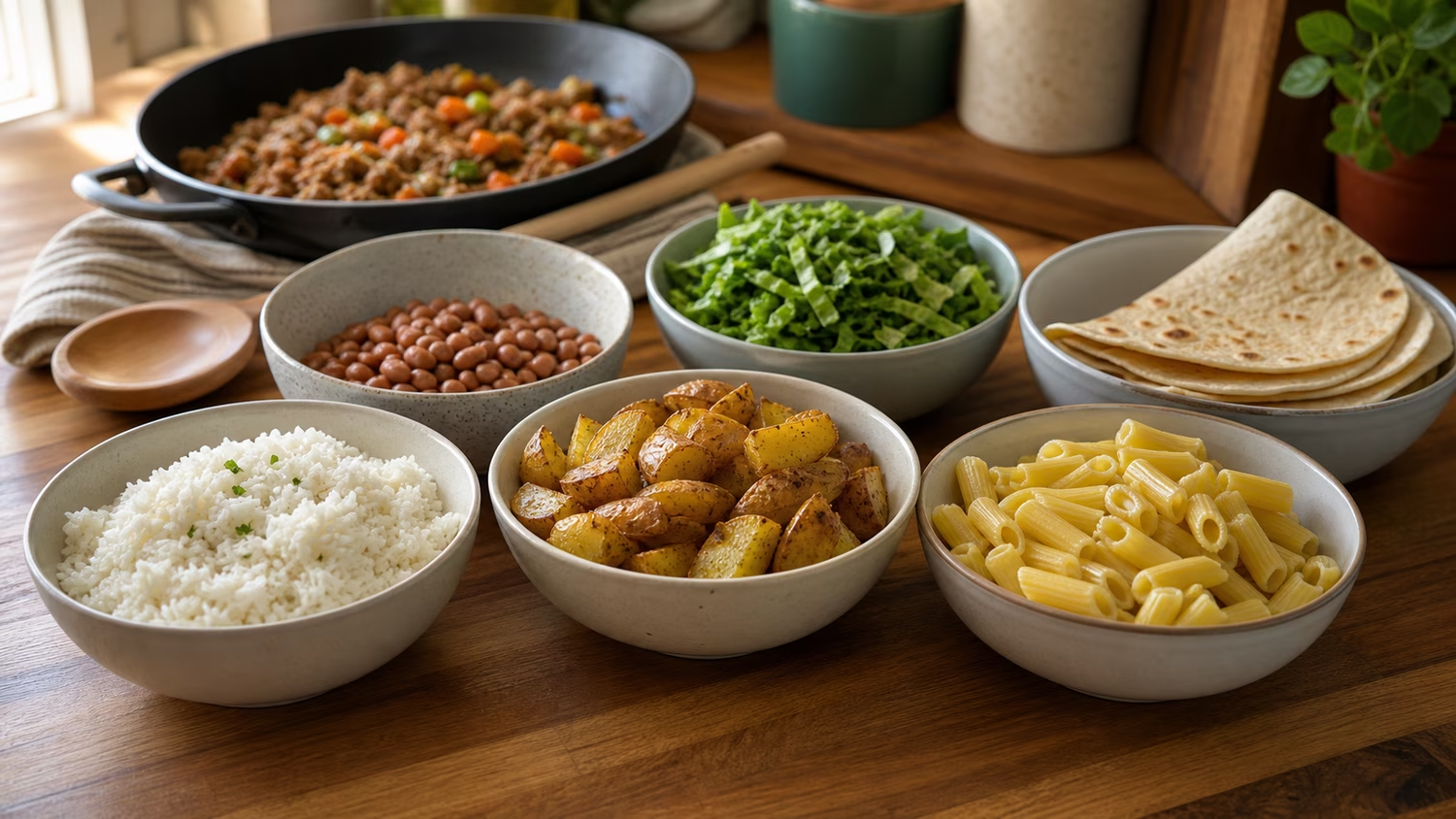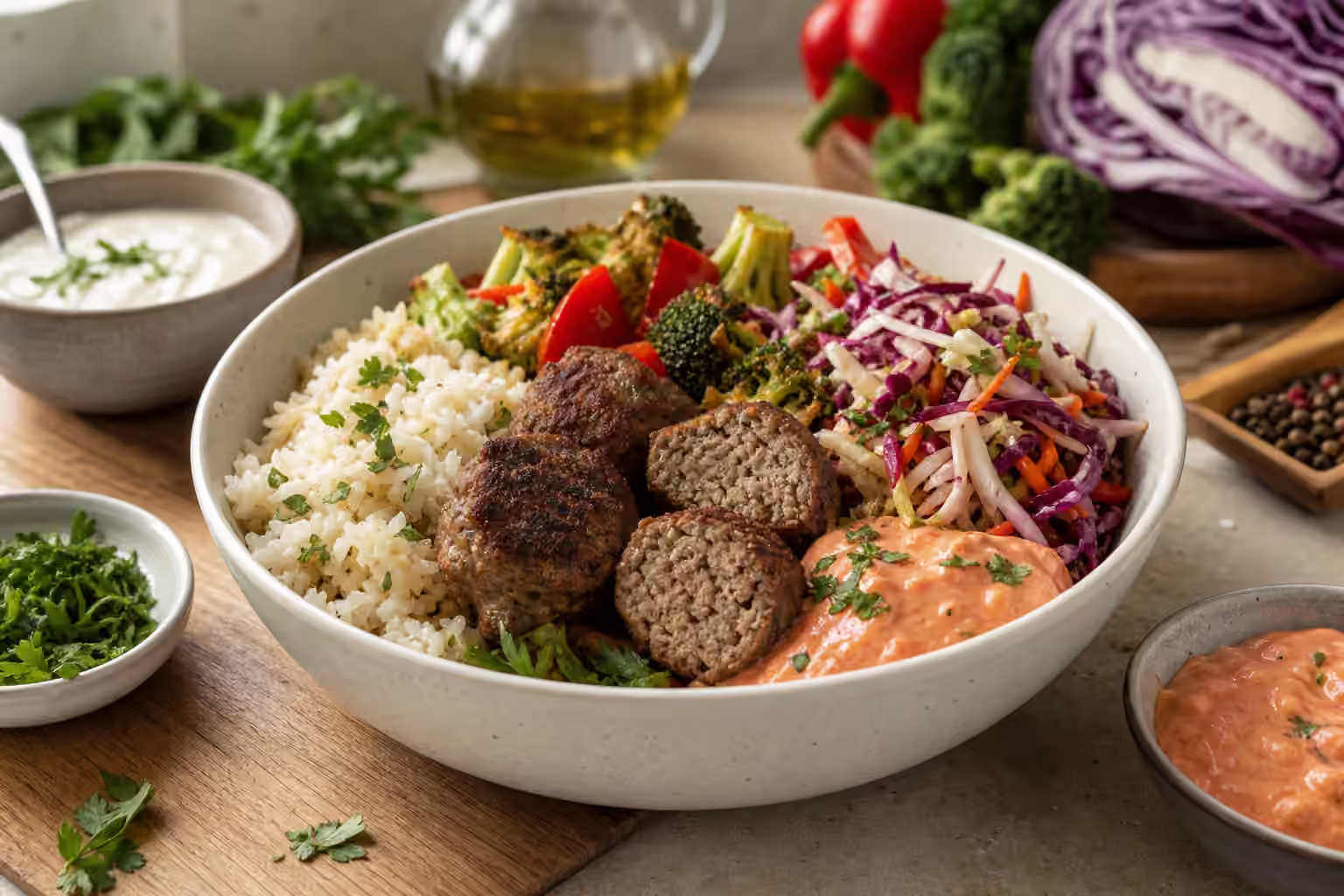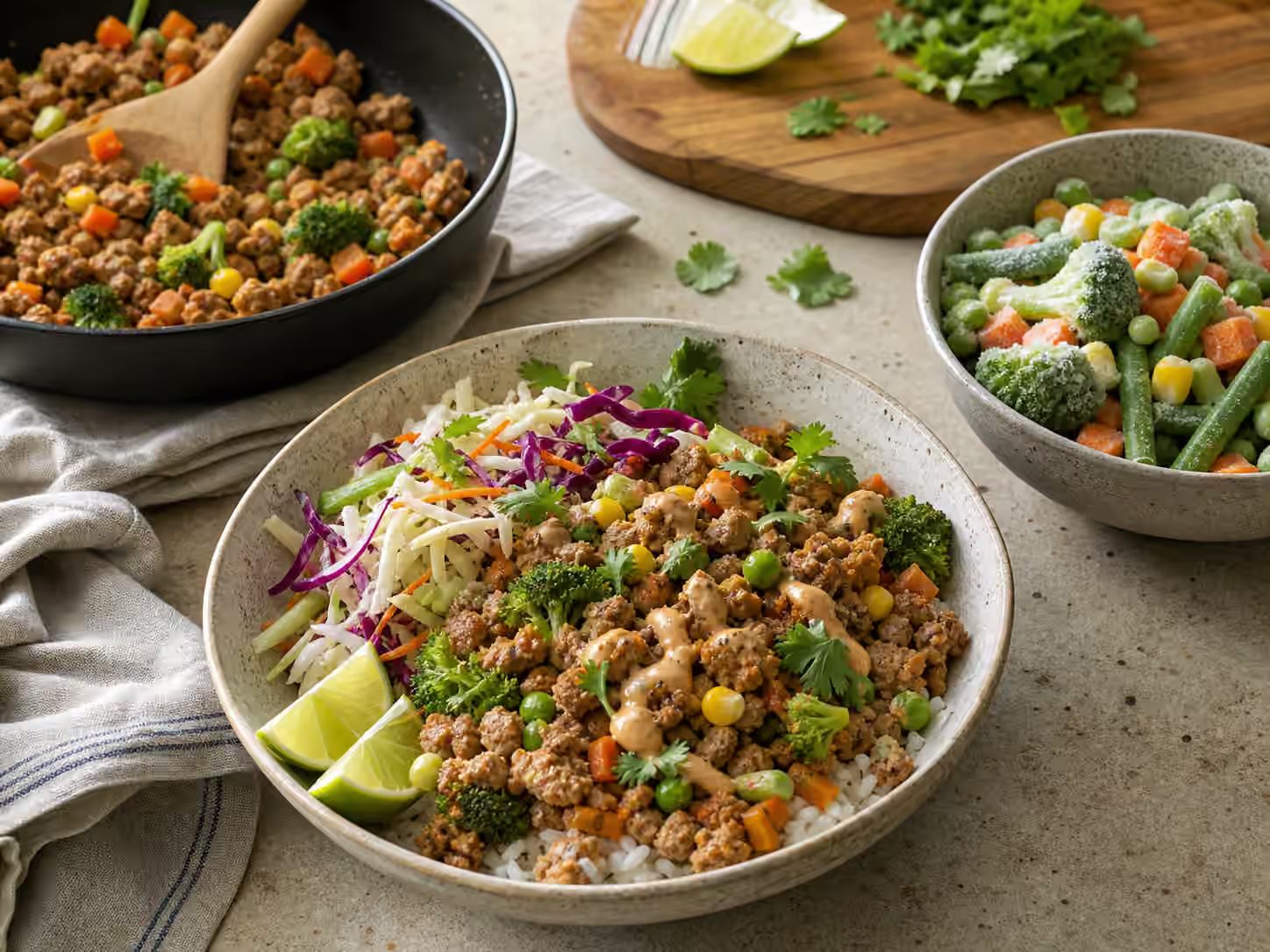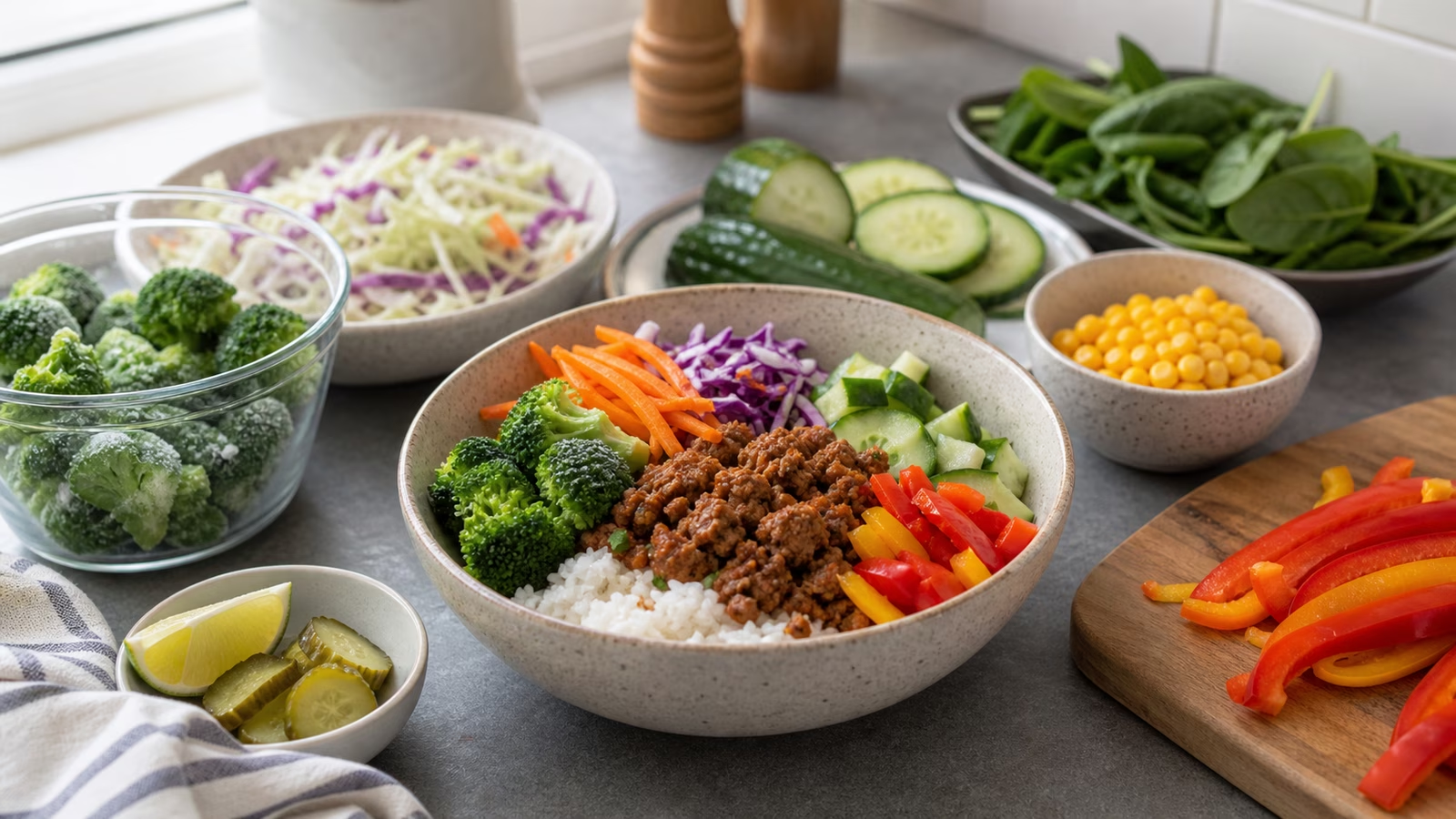
The vegetable part of boy kibble is easy to treat like an apology. The real meal is meat and rice, then a handful of broccoli or spinach gets added because the bowl is supposed to look more responsible. That works for one dinner, but it does not build a system. If the vegetable always feels like a reluctant side quest, it will be the first thing you skip when the week gets busy.
A better approach is to make the vegetable do an actual job. Sometimes the job is color. Sometimes it is crunch, bulk, freshness, sauce control, reheating quality, or a way to make yesterday’s protein feel less heavy. Once the vegetable has a purpose, the bowl stops being meat and starch with a garnish. It becomes the practical formula from Boy Kibble Quickstart with the plant part finally pulling its weight.
This guide is about choosing vegetables that belong in the bowl you are actually making, not about pretending every dinner needs a farmers market spread. Frozen broccoli can be excellent. Bagged slaw can save a soft bowl. Cucumber can make a reheated lunch taste less like leftovers. Corn, peppers, spinach, cabbage, pickles, and greens all have a place when they are matched to the protein, base, sauce, and storage plan.
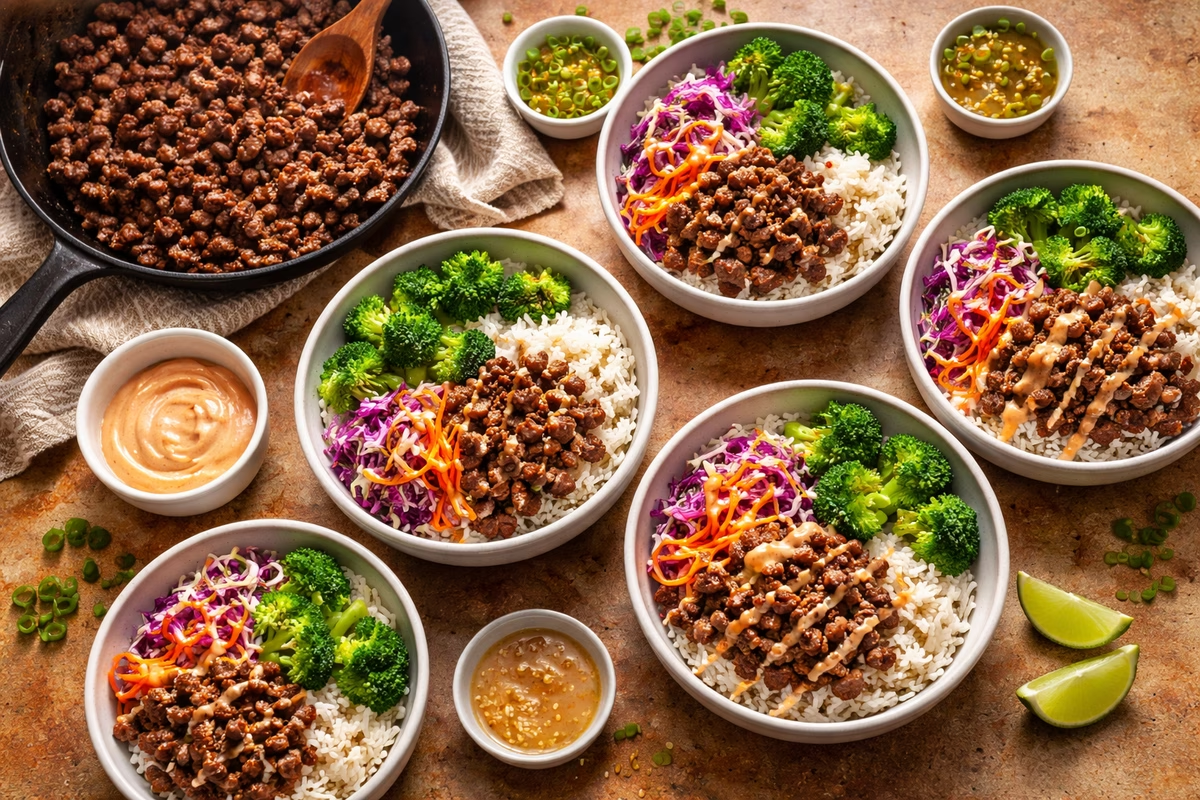
Start With the Job, Not the Vegetable
Most people choose vegetables by habit. They buy frozen mixed vegetables, broccoli, lettuce, or spinach because those are the defaults. The defaults are not wrong, but they become boring when the same vegetable is expected to fix every bowl.
The useful question is what the bowl is missing. A rich beef bowl over rice may need brightness and crunch more than another soft cooked ingredient. A lean turkey bowl may need bulk, moisture, and a sauce-friendly vegetable that keeps the meal from tasting dry. A bean bowl may need something crisp and acidic because beans can make the whole meal feel dense. A potato bowl may need greens or cabbage to stop the plate from feeling heavy. A pantry bowl may need anything that brings color, because shelf-stable food can look tired even when it tastes fine.
That way of thinking lines up with How to Make Boy Kibble Healthier Without Making It Fancy . The point is not to make the bowl perform virtue. The point is to make the easy meal more complete, more repeatable, and less beige.
Frozen Vegetables Are a Feature
Frozen vegetables are useful because they remove friction. They are already washed, cut, and waiting. That matters more than people admit. A vegetable that gets cooked is more valuable than a perfect vegetable that rots in the drawer.
Broccoli is the classic choice because it handles strong sauces and reheats reasonably well. It works with soy sauce, chili crisp, salsa, yogurt sauce, curry-ish seasoning, and simple garlic-heavy bowls. The problem with frozen broccoli is water. If it goes straight from freezer to container without enough heat, it can make the bowl taste damp and tired. Give it time in the skillet after thawing, or roast it when you already have the oven on. The goal is not crisp restaurant broccoli. The goal is cooked broccoli that tastes like part of dinner instead of something that leaked into the rice.
Corn, peas, peppers, green beans, and mixed vegetables are more flexible than their reputation. Corn brings sweetness and works well with taco-ish bowls, black beans, salsa, chili powder, and lime. Peas are useful with rice, eggs, turkey, and soy-leaning bowls. Frozen peppers can taste watery if they are barely warmed, but they become much better when their moisture cooks off and they pick up seasoning from the pan. Mixed vegetables are not exciting, but they are honest. If they help you add color on a night when chopping is not happening, they belong.
The mistake is treating frozen vegetables as finished the moment they are hot. They still need salt, fat, acid, or seasoning. How to Season Boy Kibble Before the Sauce Goes On applies to vegetables too. Let them share the pan with the protein, or season them separately enough that they do not taste like the freezer.
Crunch Should Usually Arrive Late
Meal prep gets dull because everything becomes soft at the same time. Rice softens. Ground meat softens. Cooked vegetables soften. Sauce sinks in. By day three, the bowl may still be perfectly usable, but the bite has no contrast.
That is where raw or lightly prepared vegetables matter. Bagged slaw, shredded cabbage, cucumber, romaine, green onion, pickles, radish, and herbs are not just decorations. They are texture insurance. They make a warm bowl feel awake after reheating. They also give rich proteins somewhere to go. Beef with rice and sauce can become heavy quickly. Beef with rice, cabbage, pickles, and a creamy finish becomes a different meal.
Slaw mix is one of the best boy kibble vegetables because it survives better than lettuce. It can be added cold to a hot bowl, folded into a wrap, used under saucy meat, or dressed with lime, vinegar, yogurt, hot sauce, or a little mayo-based sauce. It fits taco bowls, burger bowls, soy-ginger bowls, and Mediterranean-ish bowls because cabbage is neutral enough to follow the sauce. If you already use the flavor moves in Sauces and Toppings That Save Boy Kibble from Sadness , slaw is the vegetable that lets those moves feel sharper.
Cucumber is less durable but more refreshing. It is best added at the end, especially with soy, yogurt, chili crisp, tuna, chicken, tofu, or beans. It is not a great reheating vegetable because it should not be reheated. That is fine. Some vegetables are for the hot base, and some are for the finish.
Match Vegetables to the Flavor Lane
Vegetables work better when they follow the same direction as the seasoning. A taco-ish bowl wants corn, peppers, cabbage, lettuce, tomato if you have it, or pickled jalapenos. A soy-ginger bowl wants broccoli, peas, cabbage, cucumber, green onion, spinach, or kimchi. A burger-style bowl wants lettuce, pickles, onion, tomato, cabbage, or potatoes on the side of the same logic. A curry-ish bowl wants spinach, peas, cauliflower, carrots, chickpeas, or cabbage. A Mediterranean-ish bowl wants cucumber, greens, tomato, roasted peppers, zucchini, cabbage, herbs, or lemony slaw.
These are not recipes. They are lanes. The lane prevents the fridge from becoming random. If the protein was cooked with soy sauce and ginger, cold cucumber and green onion make sense. If the turkey was cooked with chili powder and cumin, corn and cabbage make sense. If the base is potatoes, as discussed in Boy Kibble Bases , then peppers, greens, pickles, cabbage, or a simple salad-like finish may make the meal feel more balanced than more rice would.
Matching the lane also helps with leftovers. When the cooked base is neutral, you can use vegetables to steer it. Plain turkey and rice can become a taco bowl with cabbage, corn, salsa, and lime. The same turkey and rice can become a soy bowl with broccoli, cucumber, green onion, and chili crisp. The vegetable is not only nutrition. It is a direction signal.
Cook Out Water Before You Pack
Watery vegetables are one of the quiet reasons meal prep fails. The bowl may taste fine on Sunday, then wet on Tuesday. Frozen vegetables release water. Zucchini releases water. Mushrooms release water. Spinach collapses into a much smaller amount than expected. Even peppers can make rice soggy if they are only barely cooked.
The fix is usually heat and timing. Cook watery vegetables until the extra moisture has a chance to leave the pan. If the skillet looks steamy and crowded, wait before adding sauce or packing containers. This is especially important when the vegetables are being stored with rice. Rice can handle moisture, but it does not enjoy sitting under vegetable water for days.
There is also no shame in separating roles. Cooked broccoli can live with the rice and protein. Slaw can stay in its bag until serving. Cucumber can be cut right before eating or kept separately. Pickles can be added at the end. The meal-prep logic from How to Meal Prep Boy Kibble Without Hating It by Wednesday applies here: cook the sturdy parts, add fragile contrast later.
Use Vegetables to Change the Size of the Meal
Vegetables are not only there for health. They control how large and heavy the bowl feels. A small amount of protein over a big pile of rice can feel thin. The same protein with beans, cabbage, broccoli, corn, or greens can feel like a fuller meal without requiring a second dinner. A very rich bowl can be softened by adding greens, cucumber, slaw, or pickles so every bite is not fat, starch, and sauce.
This is useful when budget, appetite, and convenience are all competing. Frozen broccoli stretches a batch. Cabbage stretches a batch. Spinach disappears, but it adds color and freshness when folded into hot rice or beans. Corn makes a bowl feel more generous. Pickles and cucumber do not add much bulk, but they make a smaller bowl more satisfying because the bites are less monotonous.
Vegetables also help when you are using pantry ingredients. Pantry Boy Kibble works better when there is some long-life color in the system: frozen vegetables, cabbage, carrots, pickles, canned corn, jarred peppers, or spinach kept for quick cooking. A pantry bowl with rice, beans, tuna, or eggs does not need to look like an emergency if one vegetable brings shape and brightness.
Build a Small Vegetable Rotation
The best vegetable plan is boring enough to repeat but not so narrow that every bowl becomes the same. One cooked vegetable, one crunchy vegetable, and one backup vegetable can carry a lot of meals. Frozen broccoli or mixed vegetables can be the cooked piece. Slaw, cabbage, cucumber, or pickles can be the crunchy piece. Spinach, corn, peas, or jarred peppers can be the backup.
That is enough for a week without creating a refrigerator full of good intentions. It also keeps shopping practical. If you buy six fragile vegetables for one person, some of them become guilt. If you buy one frozen option, one durable fresh option, and one finishing option, the odds are better that they actually reach the bowl.
Boy kibble succeeds when the system stays easy. Vegetables should support that ease, not turn dinner into a prep project. Put sturdy vegetables in the pan. Keep crunchy vegetables for the finish. Match them to the sauce lane. Cook off excess water. Let them change the texture, size, and mood of the meal.
Do that, and the plant part stops feeling like a responsible afterthought. It becomes one of the reasons the bowl works.