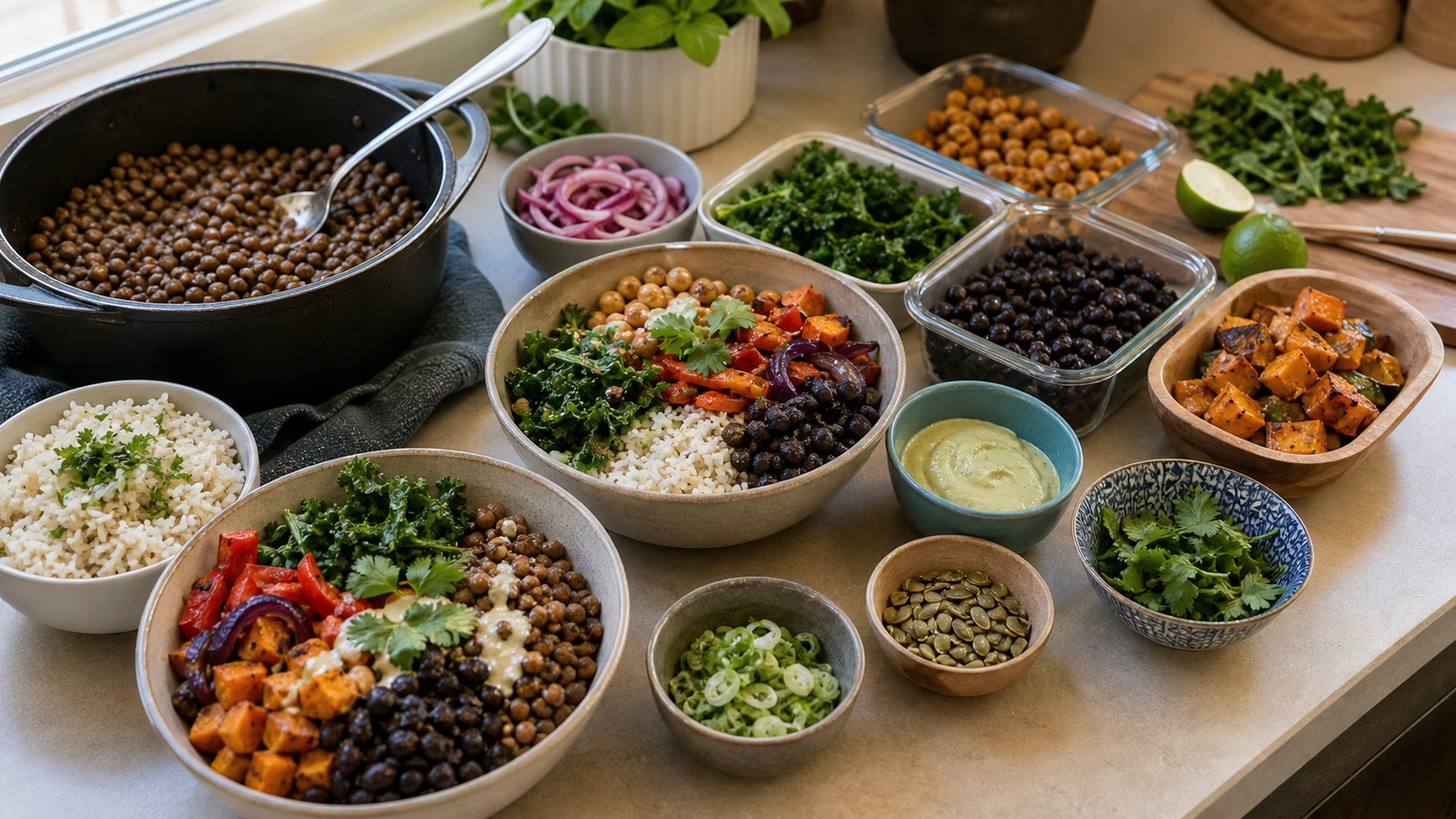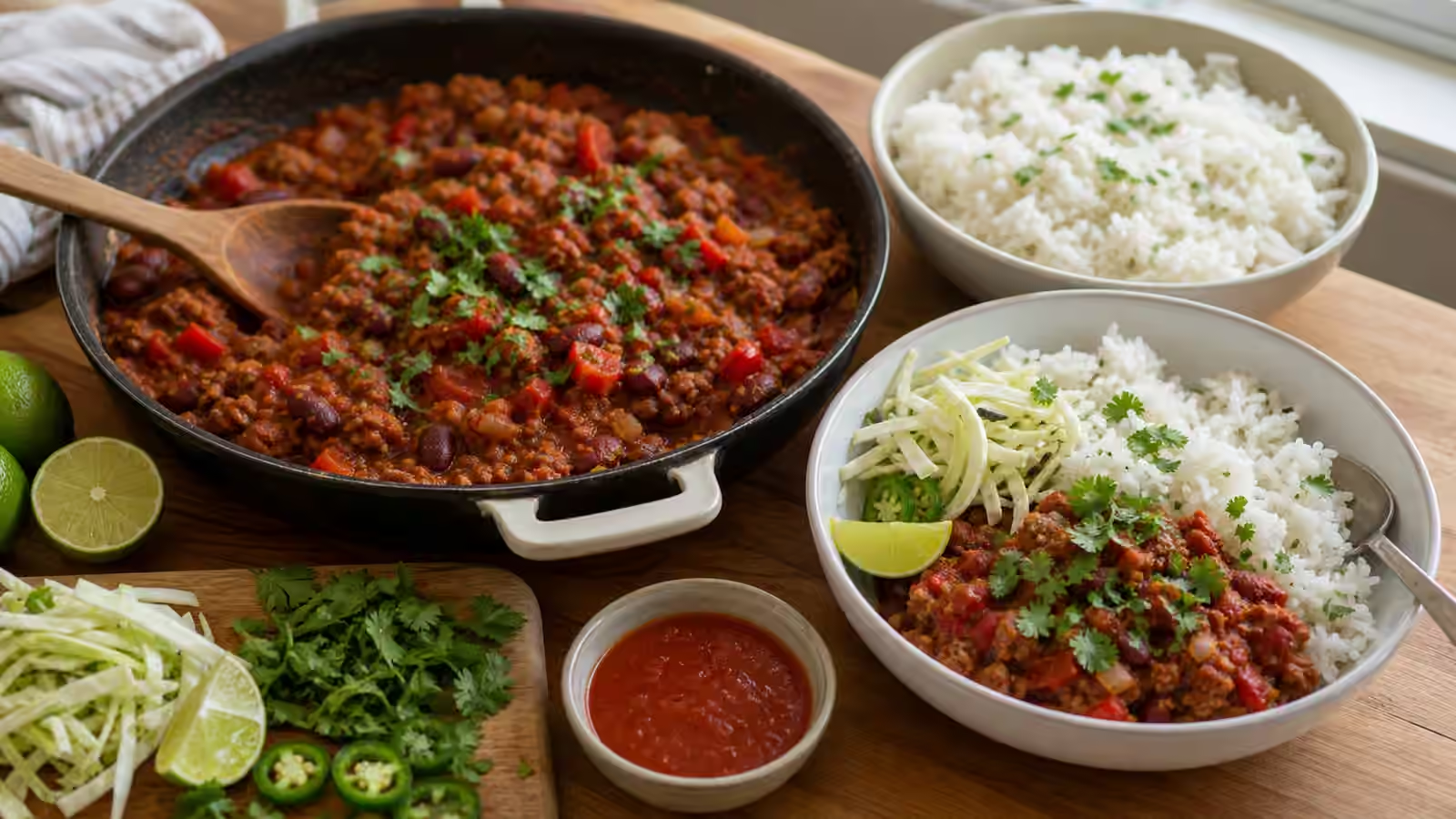
Tomato-chili boy kibble sits between a rice bowl, a skillet dinner, and a lazy chili. It is not trying to win a chili cook-off. It is trying to make ground meat, beans, lentils, rice, peppers, tomato, and a few fresh finishes taste like dinner for more than one meal. That makes it one of the most useful flavor lanes for people who already like the boy kibble formula but want something warmer and saucier than plain meat over rice.
The tomato lane shows up in pieces across the existing library. Ground Beef Boy Kibble mentions tomato as one useful direction. Beans and Lentils for Boy Kibble gives the budget and fiber side. This guide brings those pieces together around red sauce, chili powder, beans, vegetables, and reheatable bowls.
Tomato Gives the Bowl a Center
Tomato is useful because it turns separate components into one direction. Ground turkey, beef, lentils, beans, peppers, onions, rice, potatoes, pasta, and greens can all make sense once tomato is doing the connecting work. The bowl stops feeling like a pile of parts and starts tasting like a saucy base with a clear purpose.
The danger is making the bowl wet without making it flavorful. Plain canned tomato or jarred sauce can taste thin if it is poured over rice and called finished. Tomato needs salt, heat, aromatics, fat, and time with the protein or beans. Even a short skillet simmer helps. Garlic, onion, chili powder, cumin, paprika, black pepper, oregano, hot sauce, or a little vinegar can give the tomato shape. The sauce does not need to be complicated, but it should taste good before it hits the rice.
Tomato also works because it reheats kindly. A dry rice bowl can become worse by day three. A tomato-rich base can protect lean meat, beans, and lentils from feeling brittle. It can also freeze better than a fully assembled bowl, especially when rice and fresh finish are added later. Freezer Boy Kibble is relevant here because saucy cores often make better backup meals than packed bowls with every component trapped together.
Beans Make the Sauce More Like Dinner
Beans are not just stretch ingredients in a tomato-chili bowl. They change the body of the sauce. Black beans, kidney beans, pinto beans, chickpeas, and lentils can thicken the mixture, hold moisture, and make a smaller meat portion feel more complete. They also keep the bowl from becoming meat sauce over rice every time.
Lentils are especially useful when the bowl wants a softer, thicker texture. They can blend into tomato and ground meat or stand in for some of the meat entirely. Canned beans are faster and more distinct. They work well when you want the bowl to have visible pieces and a little chew. Either way, beans need seasoning. A can of beans stirred into bland tomato will taste like a can of beans stirred into bland tomato.
Let the beans share heat with the sauce long enough to belong. If they are already cooked, they do not need punishment. They need warming, seasoning, and a little time to absorb the direction of the pan. If the mixture gets too thick, loosen it with water, broth, bean liquid if appropriate, or a little more tomato. If it gets too loose, simmer uncovered until it can sit on rice without flooding it.
Rice Is Not the Only Base
Rice is the obvious base because it catches sauce and makes the meal cheap, fast, and familiar. A tomato-chili spoonful over rice with cabbage, lime, herbs, and hot sauce can be enough. But the lane also works with potatoes, short pasta, tortillas, and greens.
Potatoes make the meal feel more like comfort food. Roasted potatoes with tomato-chili beef or lentils can be excellent, especially when the finish includes pickles, cabbage, or hot sauce. Short pasta moves the bowl toward a skillet pasta without leaving the boy kibble logic. Tortillas turn the mixture into wraps, quesadillas, or soft tacos. Greens can lighten a rich batch when rice feels like too much.
Boy Kibble Bases is useful because tomato changes how bases behave. Thin sauce can drown rice. Thick sauce can cling to pasta. Potatoes need enough moisture to avoid dryness but not so much that they become stew. Greens need a stronger, less watery sauce so the bowl does not collapse into tomato salad.
Fresh Finish Keeps Tomato From Getting Heavy
Tomato-chili bowls can become dense. They have cooked sauce, cooked protein, cooked beans, and a starchy base. That is satisfying, but it can also become monotonous. The fix is a fresh finish that brings acid, crunch, temperature contrast, or heat.
Cabbage, slaw, lime, cilantro, scallions, pickled onions, jalapenos, cucumber, lettuce, radish, crushed chips, avocado, yogurt sauce if dairy fits your bowl, or tahini if it does not can all work. The finish should be chosen for the problem in front of you. If the bowl is rich, use cabbage and acid. If it is spicy, use something cool. If it is soft, use crunch. If it is flat, use hot sauce, lime, or pickles.
Fresh Finish Kits for Boy Kibble becomes especially valuable with tomato-chili meal prep. The cooked core may stay the same for several meals, but the finish can change the experience. One bowl can lean taco-ish with cabbage, lime, and salsa. Another can lean chili-like with scallions and hot sauce. Another can lean tomato-herb with lemon, parsley, and greens.
Keep the Batch From Becoming Too Salty
Tomato-chili bowls often use canned tomatoes, canned beans, spice blends, hot sauce, bouillon, salsa, or jarred sauce. Those ingredients can stack salt quickly. Taste before adding more. If a sauce is already salty, use unsalted rice, fresh cabbage, beans, potatoes, or acid to balance it rather than pouring in another salty condiment.
Spice blends also vary. Chili powder can be mild and earthy or salty and hot. Taco seasoning may already contain salt. Hot sauce adds vinegar and heat but can also add enough salt to change the whole batch. The safest habit is to season in stages and taste after the tomato has simmered for a few minutes. The flavor will concentrate as water leaves.
This is not about making the bowl timid. Tomato needs seasoning to avoid tasting flat. The goal is controlled intensity. You want a sauce that can carry rice and beans without becoming harsh by the second container.
Store the Core, Finish the Bowl
Tomato-chili boy kibble is a strong meal-prep candidate because the cooked core stores well. The best version often keeps the saucy protein and beans together, the base separate or lightly portioned, and the fresh finish separate. That gives you options. The core can go over rice, potatoes, pasta, greens, or into a tortilla. It can be reheated in a microwave with a splash of water or warmed in a skillet until thick again.
If you pack the whole bowl fully assembled, it may still work, but the rice can absorb sauce and become heavy. That is not always bad. Some people like the thick leftover texture. But if you want flexibility, store the tomato mixture as the anchor and assemble around it later. How to Meal Prep Boy Kibble Without Hating It by Wednesday makes the larger case for this kind of component thinking.
The tomato-chili lane earns its place because it is forgiving, affordable, and easy to change. It supports meat or no meat, rice or potatoes, mild or spicy, fresh or frozen backup meals. It tastes like a cooked dinner without requiring a delicate recipe. Build the sauce with enough seasoning, let beans give it body, choose a base that can handle it, and finish with something bright. That is enough for red-sauce boy kibble to become a dependable weeknight path instead of another bowl of plain meat and rice.