Tofu is easy to include in a boy kibble bowl and even easier to make disappointing. It can turn soft, watery, under-seasoned, and weirdly anonymous if it is treated like a direct substitute for browned meat. The bowl may look responsible, but the bites do not have enough surface, salt, sauce, or contrast to feel like dinner.
That does not mean tofu is a bad boy kibble protein. It means tofu needs a slightly different plan. Ground beef brings fat and browned flavor almost automatically. Tofu asks for help from heat, moisture control, seasoning, and texture. Once those pieces are handled, it becomes one of the most flexible anchors in the whole system: fast enough for a weeknight, mild enough to follow several flavor lanes, and sturdy enough to hold up in a lunch container when it is cooked with intention.
Tofu Needs a Job in the Bowl
The first mistake is expecting tofu to behave like beef, turkey, chicken, or beans. Choosing Protein for Boy Kibble already makes the broader point: different proteins solve different problems. Tofu is not there to imitate the exact chew, richness, or browned fat of meat. It is there to become a savory anchor that takes seasoning well, carries sauce, and leaves room for crunchy vegetables, rice, noodles, potatoes, or beans.
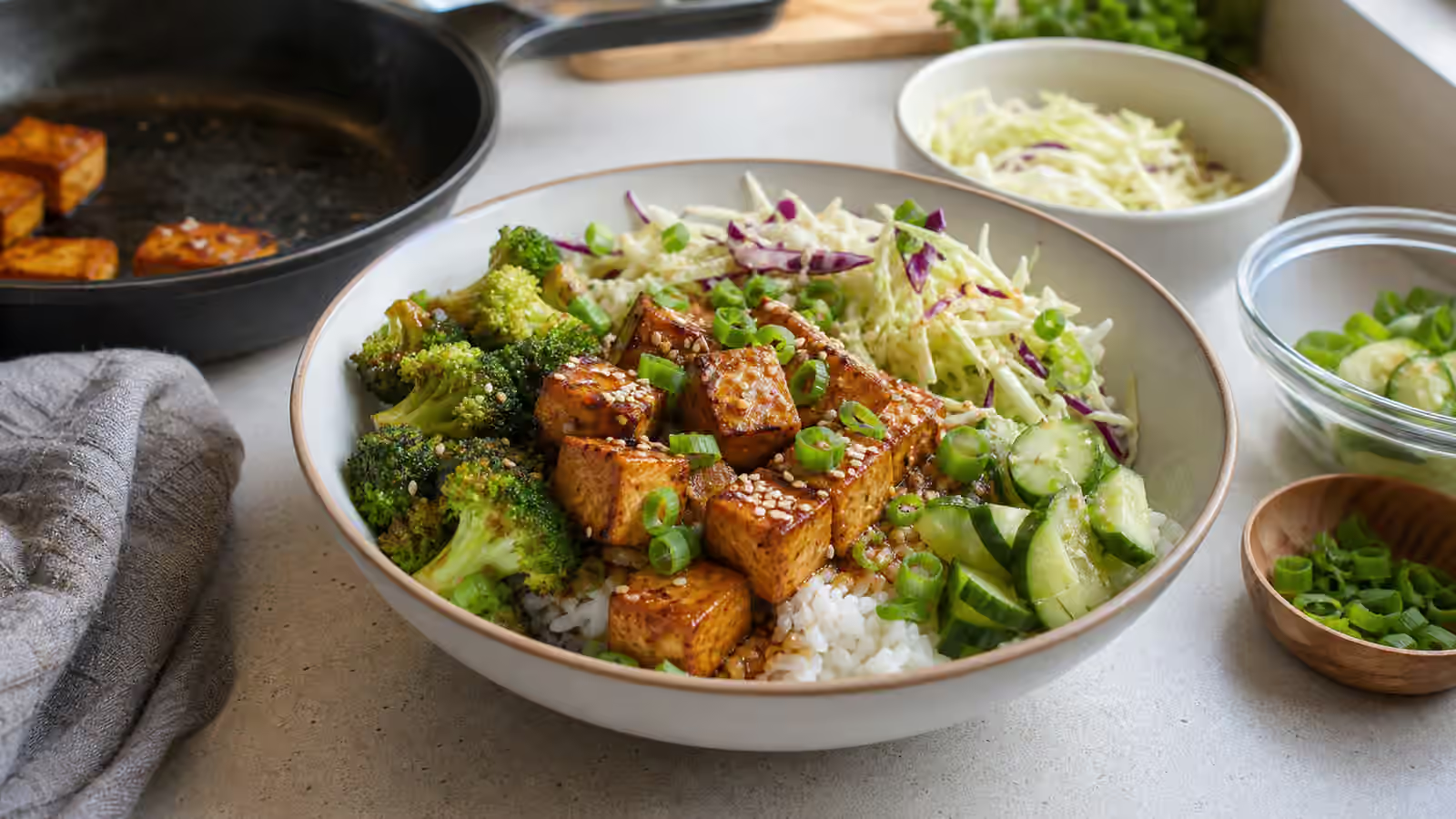
That job matters because tofu is mild. Mild can be useful, but only when the rest of the bowl has direction. A tofu bowl with plain rice, steamed broccoli, and a sweet bottled sauce can feel like food assembled under protest. A tofu bowl with browned edges, salted rice, crisp cabbage, cucumber, green onion, sesame, and a sauce that actually clings feels deliberate. The ingredients are not more complicated. They are simply asked to do clearer work.
This is also why tofu belongs in the boy kibble rotation even for people who are not trying to make every meal vegetarian. It gives the week a lighter lane, pairs well with strong sauces, and breaks up the pattern of ground meat over rice. The goal is not purity. The goal is a repeatable bowl that stays easy without becoming the same dinner forever.
Dry the Surface Before You Chase Flavor
Tofu browns poorly when its surface is wet. That is the quiet reason many tofu bowls taste steamed instead of cooked. The pan spends its first few minutes boiling off water, the cubes begin to crumble, and by the time sauce arrives, the tofu is pale on the outside and soft in the center. It may still be edible, but it will not give the bowl much structure.
Pressing tofu can help, but it does not need to become a ritual. For a normal weeknight bowl, pat the block dry, cut it into cubes, slabs, or rough crumbles, and give the pieces a little time on a towel while the rice, vegetables, or sauce come together. Extra-firm tofu is the easiest default because it holds shape and tolerates stirring. Firm tofu works when you handle it gently. Softer tofu can be good in a saucier, spoonable bowl, but it should not be forced into crisp cubes if it is not built for that job.
The cut changes the meal. Cubes feel like a classic rice bowl and give you browned faces if you are patient. Slabs work well over rice or potatoes when you want bigger pieces and less stirring. Crumbles are useful when you want something closer to the loose texture of ground meat. Crumbled tofu can go into a skillet with oil, salt, garlic, soy sauce, chili powder, curry powder, or taco seasoning and become a fast bowl anchor, especially when the sauce lane is bold enough to carry it.
Brown First, Sauce Later
The most useful rule is simple: brown tofu before adding wet sauce. If sauce goes into the pan too early, it often prevents browning and turns into a glaze on soft pieces. The better sequence is oil, tofu, salt, contact with the hot pan, then sauce after the surface has color. That order gives the sauce something to cling to.
This is the tofu version of the lesson in How to Season Boy Kibble Before the Sauce Goes On . A finishing sauce is valuable, but it should not be responsible for the entire meal. Salt the tofu while it cooks. Add garlic powder, onion powder, ginger, chili powder, curry powder, black pepper, soy sauce, or a small spoon of paste only when it matches the direction of the bowl. Let the tofu taste like something before it lands on rice.
Oil matters here because tofu has very little fat of its own. A dry pan can make it stick and tear. A little oil helps the surface brown and gives spices somewhere to bloom. The amount does not need to be dramatic, but pretending tofu needs no fat usually makes it taste punitive. If the bowl is otherwise rich, use a lighter hand. If the rest of the bowl is rice, broccoli, and cabbage, a modest amount of oil in the tofu may be what makes the whole meal feel complete.
Choose a Flavor Lane and Stay There
Tofu follows the strongest flavors around it, so a good bowl starts by choosing a lane. A soy-ginger bowl can use rice, broccoli, cucumber, cabbage, green onion, sesame, chili crisp, and a soy-based sauce. A taco-ish tofu bowl can use rice or potatoes, corn, cabbage, salsa, lime, hot sauce, and a little cumin or chili powder. A curry-ish bowl can use rice, chickpeas, spinach, peas, cauliflower, yogurt, or a cooling sauce. A peanut or sesame bowl can use noodles, rice, slaw, cucumber, carrots, herbs, and something acidic enough to keep the sauce from feeling heavy.
The point is not to memorize recipes. The point is to keep the bowl from becoming miscellaneous. Tofu is forgiving, but it is not very forceful on its own. If the skillet says soy and ginger while the toppings say salsa and cheddar, the bowl can feel confused. If the tofu, vegetables, base, and sauce all move in the same general direction, even a simple dinner tastes planned.
Boy Kibble Bases is useful here because the base changes how tofu reads. Rice keeps the bowl clean and flexible. Potatoes make tofu feel more like a hearty dinner when the seasoning is bold. Noodles work when the sauce is meant to coat everything. Beans can make tofu more filling, but they also make the bowl softer, so the finish needs crunch and acid. Greens and slaw can turn tofu into a lighter bowl, but only if the sauce and seasoning are strong enough to keep it from tasting like a compromise.
Let Vegetables Handle Crunch and Freshness
Tofu bowls need contrast. Without it, even well-browned tofu can end up sitting on soft rice with soft vegetables and a smooth sauce. That is not failure, but it gets old quickly. The fix is often a vegetable, not a more complicated protein.
Cooked vegetables give the bowl body. Broccoli, peppers, spinach, peas, cabbage, mushrooms, corn, cauliflower, and green beans can all work when they are cooked with enough heat to lose excess water and pick up seasoning. Frozen vegetables are especially useful because they remove prep friction, but they still need time in the pan. If they go in icy and come out barely warm, they will water down the tofu and rice.
Fresh vegetables are the second half of the system. Cabbage, slaw, cucumber, green onion, pickles, herbs, radish, lettuce, and kimchi can make a tofu bowl feel sharper after reheating. This is the practical logic from Vegetables for Boy Kibble : the plant part should have a job. With tofu, that job is often crunch, brightness, or a cold finish against a hot base.
The best tofu bowl usually has both a cooked vegetable and a fresh finish. Browned tofu, rice, and broccoli can be good. Browned tofu, rice, broccoli, cucumber, cabbage, green onion, and sauce is much harder to resent on the third repeat.
Meal Prep Tofu Without Making It Rubbery
Tofu can meal prep well, but it should be packed with realistic expectations. Crisp tofu will not stay crisp in a sealed container. That does not make it useless. It means the first cook should build flavor and structure, while the final meal should add freshness, sauce, or a quick reheating method that brings back some surface.
For lunch containers, keep the cooked core sturdy: rice or noodles, tofu, and a cooked vegetable. Keep watery sauce, cucumber, slaw, herbs, and crunchy toppings separate when possible. If everything sits together for days, the rice absorbs sauce, the tofu softens, and the fresh parts lose the reason they were there. The meal-prep habit from How to Meal Prep Boy Kibble Without Hating It by Wednesday applies exactly: cook the durable pieces, finish the fragile pieces later.
Reheating also changes the outcome. A microwave is fast and fine when the tofu is sauced or the goal is simply a warm bowl. A skillet or air fryer can restore more surface if texture matters that day. If the tofu was cooked as crumbles, a microwave usually treats it better than large cubes because the pieces are already meant to be soft and saucy. If it was cooked as cubes, a quick dry-heat refresh can make leftovers feel closer to dinner.
When Tofu Works Best
Tofu is strongest when the bowl has enough flavor outside the protein. It likes sauces with salt, acid, heat, sweetness, or creaminess. It likes toppings that bring snap. It likes rice, noodles, potatoes, and greens when each one has a reason to be there. It is less successful when every other ingredient is bland and the tofu is asked to provide all the interest by itself.
That makes tofu a good test of the whole boy kibble system. If the bowl depends entirely on the protein being rich, tofu will expose the weakness. If the bowl has a good base, a clear seasoning lane, a cooked vegetable, a fresh finish, and a sauce that ties the bites together, tofu fits naturally. It does not need to pretend to be meat. It needs to be browned enough, seasoned early enough, and surrounded by ingredients that make sense.
Use tofu when the week needs a lighter protein, when strong sauce is doing the heavy lifting, when you want a vegetarian bowl that still feels cooked, or when the usual ground meat routine has become too predictable. Keep the method simple. Dry the surface. Brown before saucing. Choose one flavor lane. Add crunch at the end. Those moves are enough to make tofu boy kibble feel like a real part of the rotation instead of the bowl you make only when you think you should.