Tiny-kitchen boy kibble is less about recipe creativity than kitchen diplomacy. A simple bowl system can fall apart when the counter is the size of a cutting board, the fridge shelf is shared, the sink is already full, and every strong smell feels like a house announcement. The food still needs to be cheap, filling, and repeatable. It also needs to fit the room.
This is a different problem from ordinary One-Pan Boy Kibble . One-pan cooking reduces dishes. Tiny-kitchen cooking reduces friction with the space itself. It asks what you can cook with one burner, one small appliance, one clear patch of counter, and one container that will not colonize the fridge. When the system respects those limits, boy kibble becomes exactly what it is supposed to be: a low-drama meal you can repeat without turning the apartment into a project.
Cook for the space you actually have
The first tiny-kitchen mistake is planning as if you have a wide counter, a full pantry, an empty sink, and unlimited fridge space. That fantasy creates meals that are simple on paper and annoying in practice. A realistic bowl starts by noticing the bottleneck. Sometimes the bottleneck is heat. Sometimes it is storage. Sometimes it is smell. Sometimes it is the number of clean containers. Sometimes it is the fact that your roommate also needs dinner at the same time.
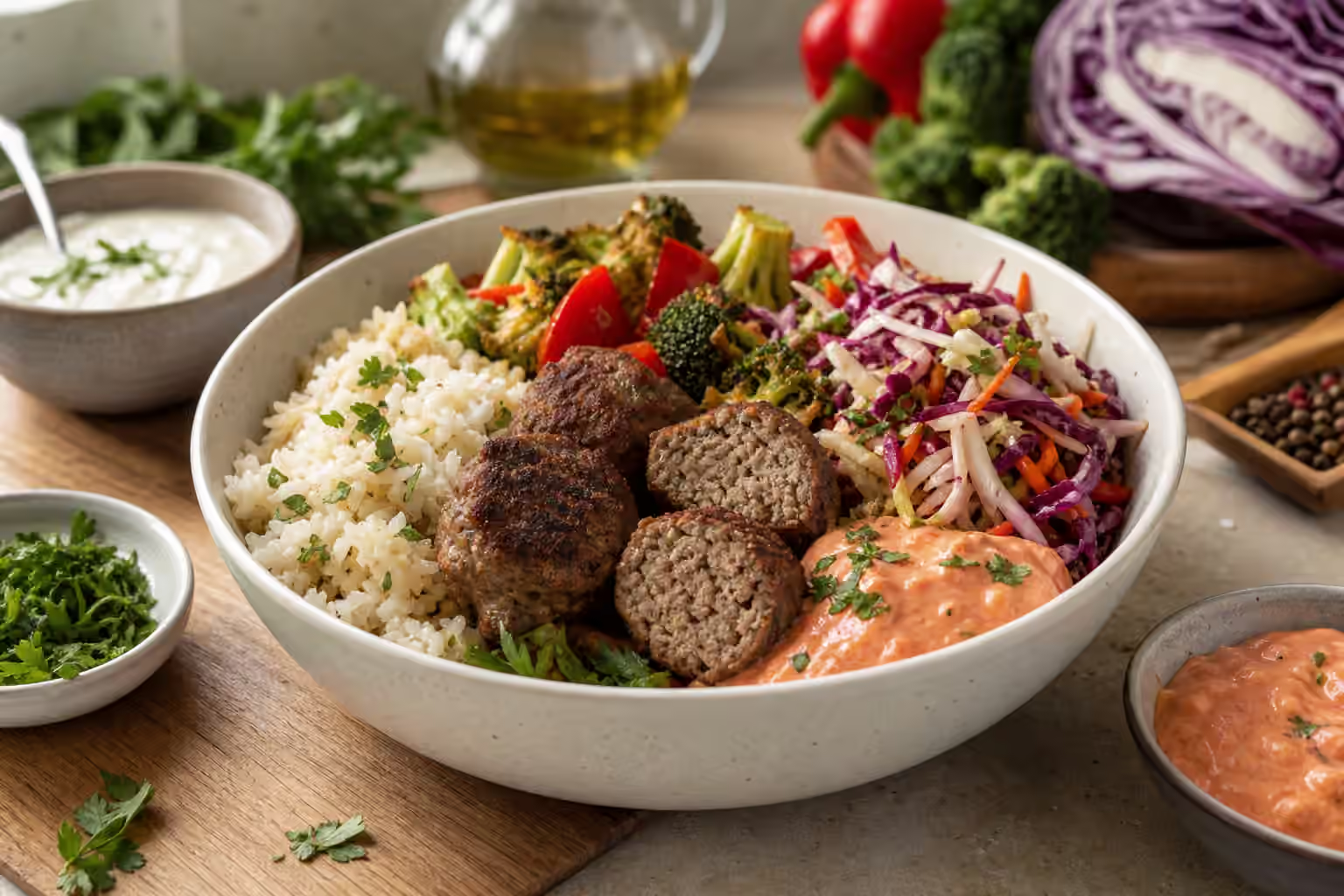
Boy kibble adapts well because the formula is modular. The starch can be rice, potatoes, tortillas, noodles, beans, or greens. The protein can be cooked in a skillet, bought cooked, opened from a can, reheated, or made in a small appliance. The plant can be frozen vegetables, slaw, cucumbers, pickles, spinach, or whatever survives the week. The finish can be one sauce and one crunchy or bright thing. You do not need a full prep station. You need the parts arranged so the kitchen does not fight you.
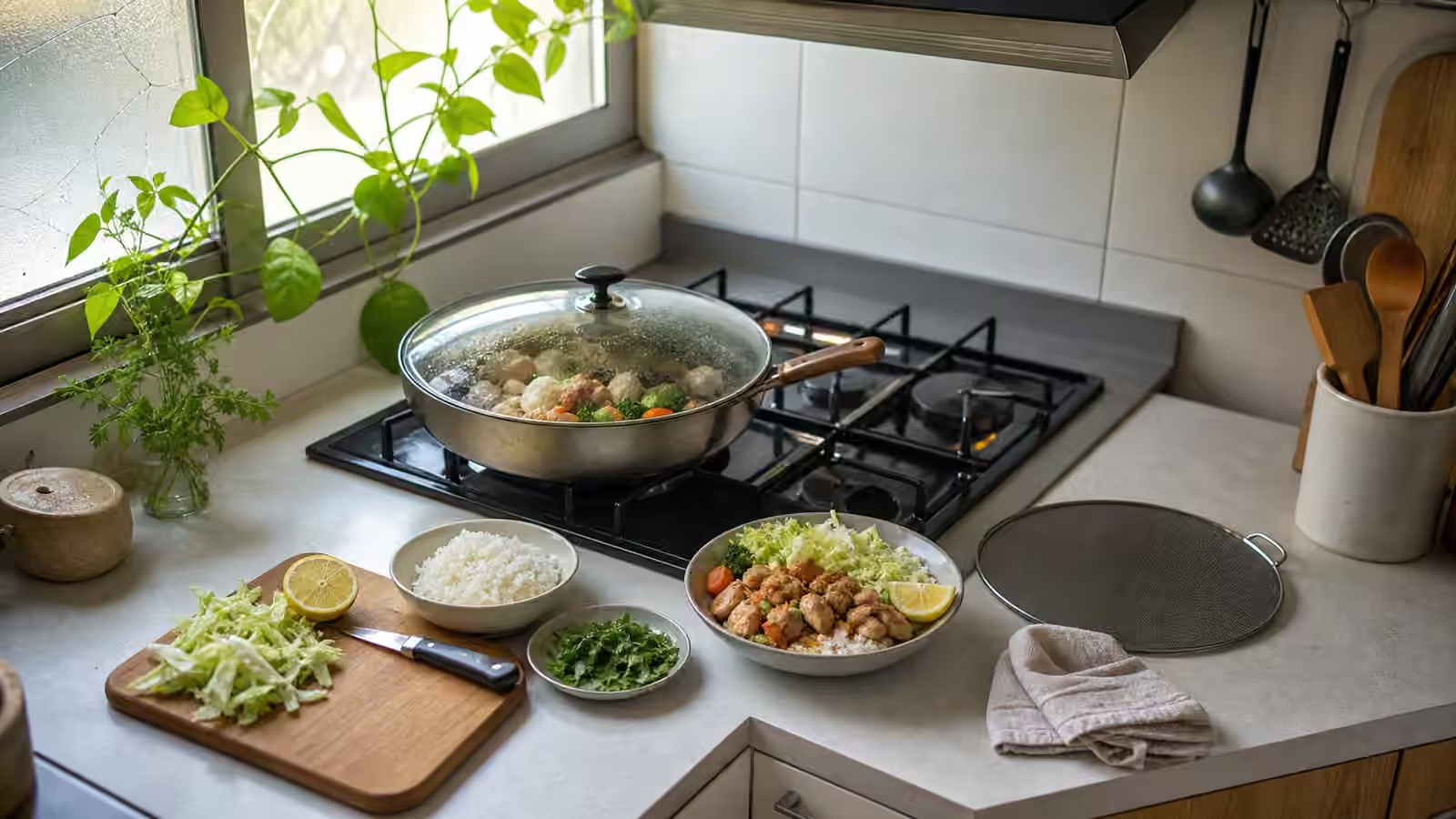
The best small-kitchen version usually has one active cooking job and one assembly job. Cook the protein while the rice cooker works. Warm beans while tortillas wait. Microwave vegetables while cold slaw and sauce stay out of the way. If every component needs a separate pan and a separate timing window, the meal may be good, but it is not tiny-kitchen food.
Let small appliances earn their footprint
In a limited kitchen, every appliance needs to justify the space it takes. A rice cooker can be worth it because it quietly handles the base and keeps a burner free. A microwave can be the difference between eating and not eating. An air fryer can help if it truly replaces a pan for vegetables or protein. A pressure cooker can be useful for batches if you have storage discipline. A gadget that only solves one rare craving becomes clutter quickly.
The reliable pair is a small rice cooker or microwave rice plus one skillet. That covers most bowls. Rice or another base happens without attention. The skillet handles browning, eggs, tofu, beans, turkey, chicken, sausage, or vegetables. If the skillet is occupied, the base does not suffer. If the base finishes early, it can wait.
This is why Rice Cooker Boy Kibble and Microwave Boy Kibble matter more in small spaces than they might in a larger kitchen. They are not novelty methods. They are ways to lower the active surface area of dinner. The fewer things competing for the counter, the easier it is to cook without leaving wreckage behind.
Choose ingredients that do not sprawl
Some ingredients are small-kitchen friendly because they do several jobs without taking over the fridge. Eggs, rice, tortillas, canned beans, frozen vegetables, slaw mix, cucumbers, pickles, yogurt, shredded cheese, canned fish, tofu, and one main protein can support a lot of meals without requiring a grocery store in miniature. They overlap across bowls, wraps, breakfast, no-cook meals, and leftovers.
Bad tiny-kitchen shopping is not only expensive. It is physically annoying. Three bulky greens that wilt at different speeds, four sauces in the same flavor lane, a giant tray of meat with no container plan, and vegetables that require a full chopping session can make the kitchen feel smaller than it is. A better cart follows the logic from What to Buy for Boy Kibble : overlap matters more than variety for its own sake.
Freshness still matters, but it has to be compact. Cabbage or slaw lasts longer than delicate lettuce. Pickles give acid without chopping. Cucumbers bring cold crunch and can be used in several bowls. Frozen vegetables wait their turn without accusing you from the crisper drawer. A small herb bunch can change a bowl, but only if you will use it. The goal is not minimalism as a performance. The goal is food that fits your real shelf.
Respect shared smells and shared time
Shared kitchens have social rules even when nobody writes them down. A bowl can be delicious and still make the room tense if it leaves the pan greasy, fills the apartment with fish smell, claims the stove during the busiest hour, or parks a tower of containers in the fridge. Tiny-kitchen boy kibble works better when it treats those details as part of the recipe.
This does not mean food has to be bland. It means strong elements should be controlled. Use fish when you can ventilate, or lean on Seafood Boy Kibble style cold bowls that do not require aggressive reheating in a shared space. Keep garlic-heavy sauces in closed containers. Add hot sauce at the bowl, not necessarily in the pan. Use pickles, lime, yogurt, herbs, salsa, and slaw for brightness without making the whole kitchen carry the smell for hours.
Time matters too. If the kitchen is busy at seven, a batch base cooked earlier can keep dinner from becoming a negotiation. If the sink is full, a no-cook or low-cook bowl may be the better move. If the microwave line is real, packed and cold-friendly bowls from No-Cook and Low-Cook Boy Kibble can protect you from depending on a shared appliance at the worst time.
Clean as part of the cooking rhythm
Cleanup is not a moral test. It is the thing that determines whether you will be willing to cook again tomorrow. In a tiny kitchen, cleanup has to happen during the meal, not after a dramatic pile forms. That can be as simple as using the bowl you will eat from, rinsing the cutting board while the protein browns, wiping the counter before the sauce comes out, and transferring leftovers before the pan cools into a stubborn chore.
One small skillet is easier to wash when it is not buried under five other decisions. A rice cooker insert is easier to rinse before rice dries at the edges. A cutting board is easier to keep clean when the vegetable plan is slaw, cucumber, herbs, or pickles rather than a full produce project. The meal should leave the kitchen available to the next person, including future you.
This is also where containers matter. A shallow container that fits your shelf is better than an oversized one that technically holds four meals but blocks everyone else’s food. Sauce cups help because they keep bowls from leaking and keep fresh finishes separate. The packing logic from Packable Boy Kibble applies at home too: protect the parts that need to stay crisp, cold, or bright.
Build one compact batch, not a fridge takeover
Meal prep in a tiny kitchen should be smaller and more flexible than the internet version of meal prep. Four huge identical containers may look efficient, but they can dominate a shared fridge and become boring by the second day. A compact batch is usually better: enough protein for two or three meals, a base that can be refreshed, one fresh finish, and one sauce that changes direction with small additions.
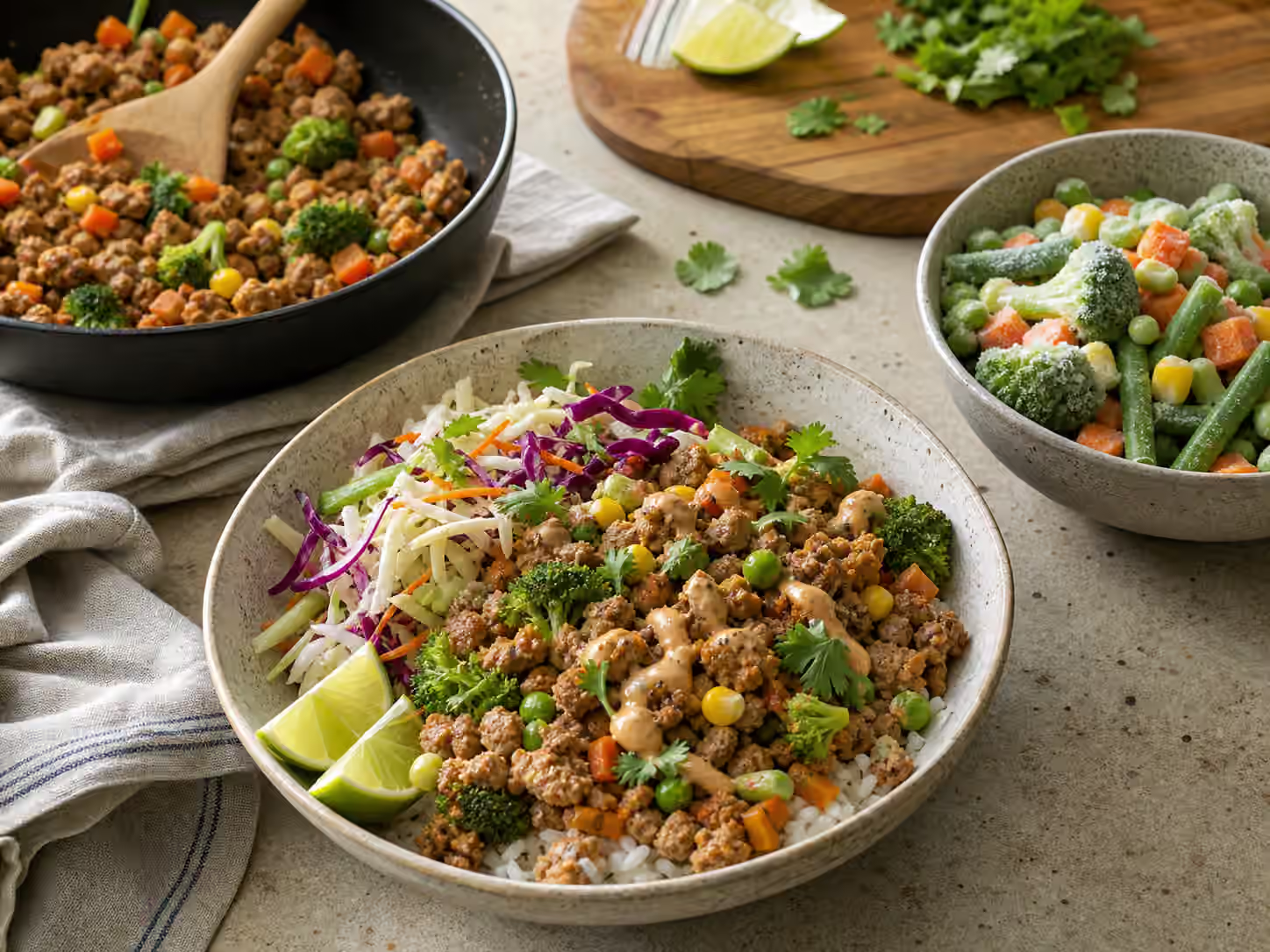
For example, a skillet of turkey with garlic, salt, and a little soy can become rice bowls with cucumber and chili sauce, tortillas with slaw and yogurt, or eggs and leftovers the next morning. Beans can become bowls, quesadillas, or a brothy meal. Rice can be used hot, fried, or turned into a quick lunch. The batch stays useful because it is not already locked into one finished container.
The tiny-kitchen test is whether the system makes tomorrow easier without making tonight harder. If prep creates a tower of dishes, steals the fridge, and makes everyone avoid the counter, it failed even if the food is technically ready. If it gives you two or three calm meals from one manageable cooking session, it is doing its job.
Make the finish small and deliberate
A tiny kitchen does not need a huge topping bar. It needs one or two finishing moves that make the bowl feel chosen. Slaw, pickles, lime, herbs, yogurt sauce, salsa, hot sauce, toasted seeds, crushed chips, cucumber, or a fried egg can all work. The finish should be compact, quick, and easy to clean up.
This is where simple food becomes livable. A bowl of rice and browned protein can feed you, but a bowl with cold crunch, acid, and a sauce you actually like feels less like compromise. The advice from Sauces and Toppings That Save Boy Kibble from Sadness becomes even more important in a small kitchen because you may not have room for complicated cooking. The finish carries variety without expanding the footprint.
Tiny-kitchen boy kibble succeeds when it respects limits without worshiping them. Use one active cooking job. Keep ingredients compact. Control strong smells. Clean during the rhythm. Store a batch that leaves room for other food. Finish each bowl with something fresh, sharp, creamy, or crisp. The result is not a lesser version of cooking. It is cooking shaped to the room you actually have.