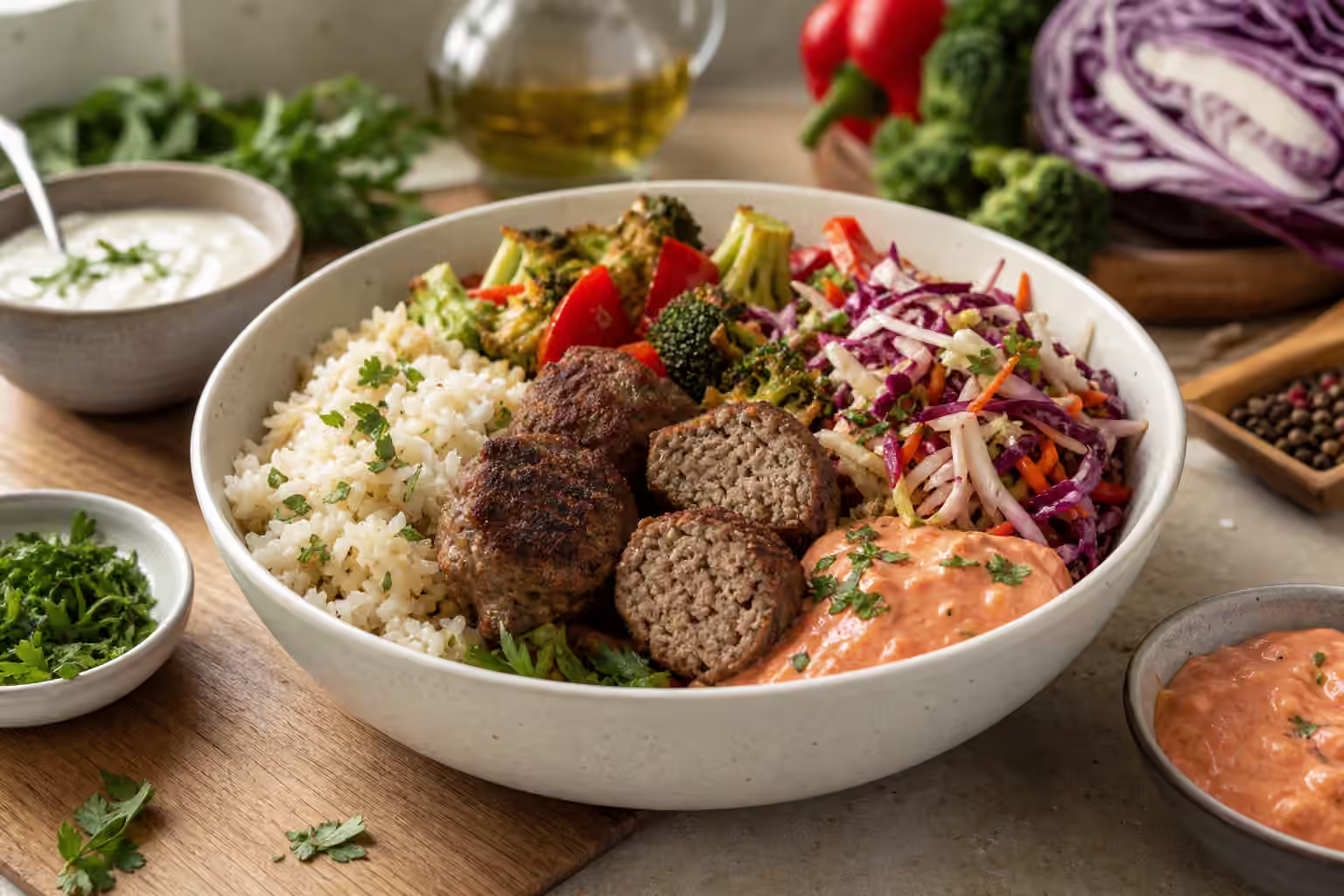
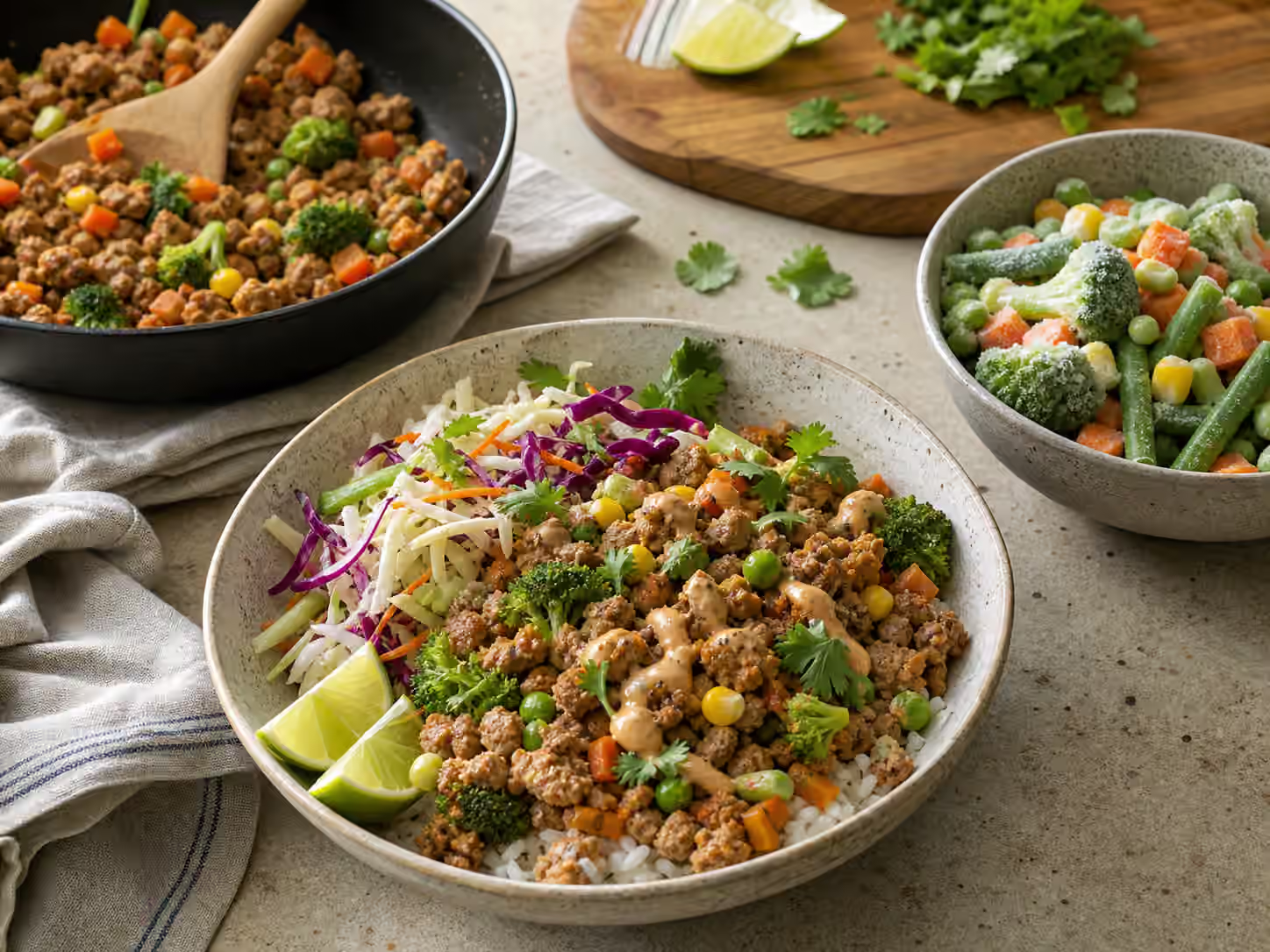
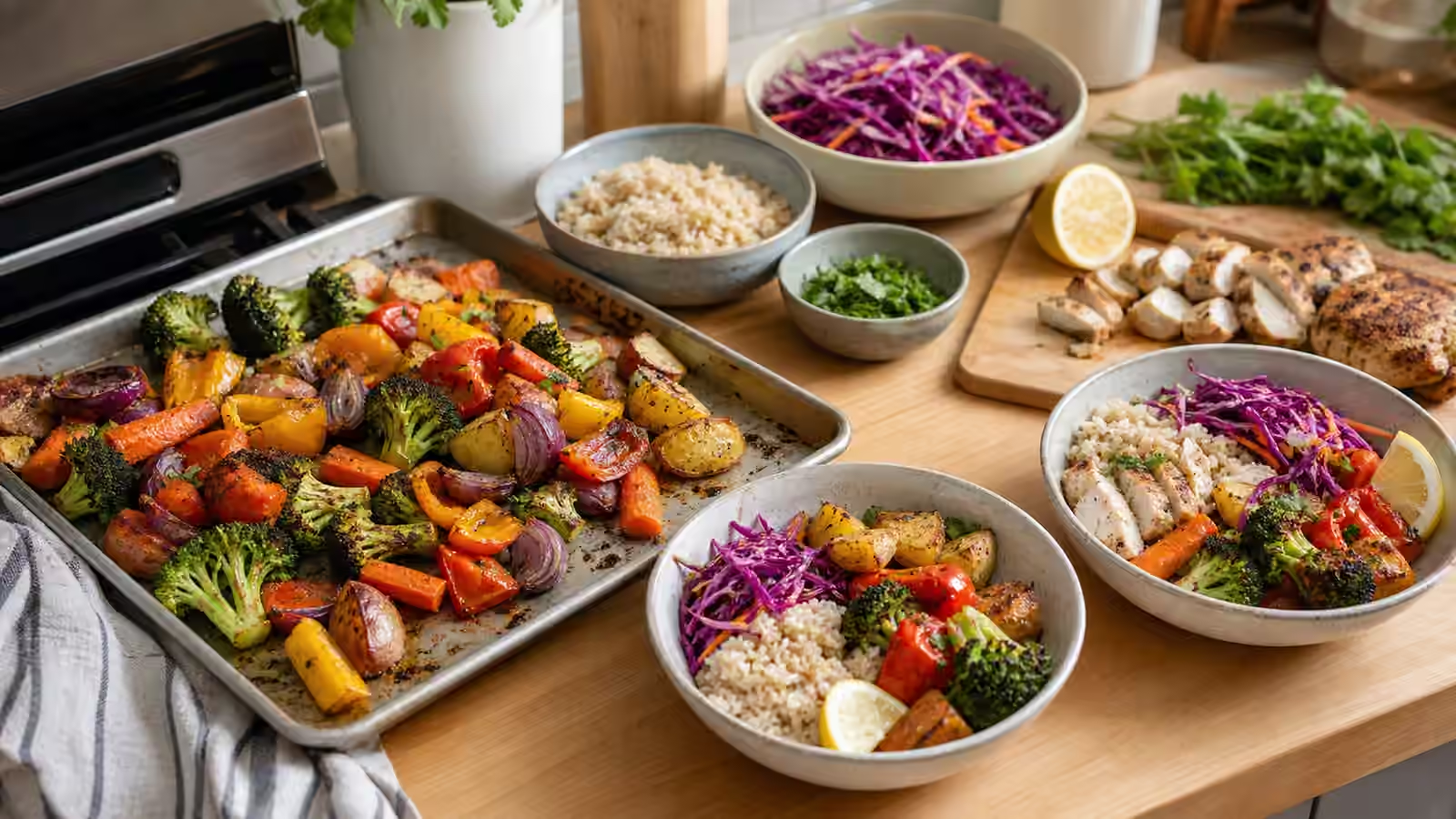
Taco boy kibble is one of the easiest ways to make the basic meat-and-rice idea feel like an actual dinner system. The flavor lane is familiar, the groceries overlap well, and the finish can change from bowl to wrap to skillet without asking you to learn a new meal every night. That makes it especially useful when the basic version from Boy Kibble Quickstart has started doing its job but not much else.
The point is not to imitate a proper taco plate in a bowl. The point is to borrow the parts that help simple food stay lively: seasoned protein, a sturdy base, beans or vegetables for body, something crisp, something acidic, and a sauce that adds moisture without turning the whole container into soup. Taco-style bowls are forgiving because they can handle beef, turkey, chicken, pork, tofu, eggs, beans, rice, potatoes, tortillas, cabbage, lettuce, corn, salsa, and hot sauce without feeling random.
Build the Flavor Into the Pan
The best taco-style bowl starts before salsa appears. Ground beef, turkey, chicken, or crumbled tofu should taste good from the pan. If the protein is plain and the salsa is asked to do all the work, the first bites may taste bright while the center of the bowl still feels like unseasoned filler.
Salt, garlic, chili powder, cumin, black pepper, onion powder, smoked paprika, or a prepared taco seasoning can all work. The exact mix matters less than the timing. Let the protein brown, then give the seasoning a little heat so it smells cooked rather than dusty. If the pan is dry, a splash of water, broth, tomato, or salsa can loosen the spices and help them cling. If you are stretching meat with beans, add the beans while the seasoning is still active so they join the same flavor lane.
That is the same foundation described in How to Season Boy Kibble Before the Sauce Goes On . Taco bowls reward that habit more than almost any other version because the finishing ingredients are so loud. Salsa, lime, hot sauce, pickles, and yogurt sauce can sharpen a bowl, but they cannot make plain meat taste browned after the fact.
Let Beans Carry More Than Budget
Black beans and pinto beans are not just stretch ingredients here. They make the bowl eat better. They add moisture, fiber, chew, and enough body that a smaller amount of meat can still feel like a complete meal. They also help leftovers avoid the dry rice problem because beans hold sauce and seasoning in a way plain cooked meat often does not.
The useful move is to warm the beans with the protein or season them separately instead of treating them like a cold topping. Rinsed canned beans can be added to the pan with a little salt, chili powder, cumin, garlic, and a splash of water. If there is salsa or tomato in the pan, let the beans simmer briefly until the liquid thickens. The result should not be watery chili. It should be a seasoned mixture that can sit over rice without leaking everywhere.
If beans are the main protein, the bowl still needs contrast. A bean-heavy taco bowl with rice, salsa, and nothing else can become soft quickly. Cabbage, lettuce, raw onion, pickles, radish, corn, toasted seeds, crushed chips, or a small amount of cheese can give the bowl a second texture. Beans and Lentils for Boy Kibble covers the larger legume logic, but taco-style bowls are one of the simplest places to practice it.
Choose the Base Around the Week
Rice is the obvious base because it catches sauce, stores well, and keeps the bowl cheap. It is also neutral enough that the same protein can become something else later. A taco rice bowl on Monday can become fried rice, a brothy bowl, or a wrap filling by Wednesday if the base is not drowned too early.
Potatoes are better when dinner needs to feel heavier and more grounded. Roasted cubes or skillet potatoes work especially well with beef, eggs, cabbage, salsa, and yogurt sauce. Tortillas matter because they give the batch an exit. If another rice bowl sounds dull, the same taco components can become a wrap, quesadilla, folded flatbread, or messy skillet plate. That kind of format change is not a gimmick. It is how a simple batch stays edible when appetite changes.
Boy Kibble Bases is worth reading if every meal defaults to rice by habit. Taco-style food is flexible enough to use rice most of the time, but it becomes more sustainable when potatoes and tortillas are part of the rotation.
Protect the Cold Finish
The cold finish is what keeps taco boy kibble from becoming hot, brown, and heavy. Shredded cabbage is the most reliable choice because it survives the fridge, handles sauce, and stays useful in wraps. Lettuce is fresher but more fragile. Cucumber is not traditional in every taco lane, but it can cool a spicy bowl. Pickled onions, jalapenos, radishes, lime, cilantro, and salsa all bring brightness.
The important part is timing. Do not trap delicate finishes inside a hot container for three days and expect them to rescue lunch. Pack the hot base separately when possible. Add cabbage, lettuce, lime, herbs, yogurt sauce, or crunchy toppings after reheating. If you need a fully packed lunch, put sturdier ingredients like cabbage and beans near the base and keep wetter salsa or creamy sauce controlled so the rice does not absorb everything before noon.
This is where Packable Boy Kibble and Cold Boy Kibble connect naturally. Taco bowls can be hot, cold, or room-temperature friendly, but they need the crisp and wet parts handled with intention.
Keep the Sauce Sharp, Not Flooded
Salsa is useful because it brings acid, salt, vegetable flavor, and moisture at once. It can also make meal prep soggy if it goes into every container too early. A better habit is to season the hot base, then add salsa at serving or keep it in a controlled layer.
Yogurt sauce can make the bowl feel fuller without relying only on cheese or mayo. A spoon of plain yogurt with lime, salt, garlic, and hot sauce can cool spicy meat and help dry rice. Hot sauce works best as a finish, not a marinade for the whole batch. Lime should usually come late so its brightness remains noticeable. Cheese is useful in small amounts when the bowl needs richness, but it should not be the only thing making the meal satisfying.
If the bowl tastes flat, ask what kind of flat. Bland protein needs seasoning. Heavy beans need acid. Dry rice needs moisture. Soft leftovers need crunch. A taco lane gives you easy answers, but only if each ingredient is allowed to solve the right problem.
Use Leftovers in Different Shapes
Taco boy kibble is strong because leftovers do not have to remain bowls. The base can become a breakfast bowl with eggs, a fried-rice-style skillet with corn and cabbage, a potato bowl with pickles and hot sauce, or a tortilla wrap with yogurt sauce. If the protein is still good but the rice is tired, move the protein to potatoes. If the beans are thick, loosen them with broth and make a soupier bowl. If everything is a little dry, use salsa and a fresh finish instead of reheating harder.
That flexibility matters more than novelty. A person who can turn the same seasoned batch into three formats is less likely to abandon the food on day three. Leftover Boy Kibble is built around that exact idea. The batch does not need to be exciting forever. It needs enough exits that eating it still feels like a choice.
The Practical Version
The practical taco bowl is simple. Season the protein properly. Let beans or vegetables carry volume. Use rice, potatoes, or tortillas as the base that matches the week. Keep cabbage, salsa, lime, and sauce from getting tired before serving. Change the format before boredom becomes the main flavor.
When those pieces are in place, taco boy kibble becomes more than an easy variation. It becomes a dependable lane for shopping, cooking, packing lunch, and rescuing leftovers. It stays cheap without feeling thin, flavorful without becoming complicated, and familiar enough that a tired person can still build dinner without negotiating with a recipe.