The easiest way to ruin a good batch is to demand that it become six identical meals. Boy kibble is built for repetition, but repetition does not have to mean sameness. One cooked base can become several bowls if it is seasoned with restraint, stored with a little flexibility, and finished in different directions at serving.
Split-batch boy kibble is the middle path between cooking a new dinner every night and eating the exact same container until morale collapses. It takes the logic from 7 Easy Boy Kibble Variations and makes it more practical for meal prep. Instead of inventing a new bowl from scratch, you cook one neutral anchor and decide later whether it becomes spicy, fresh, creamy, crunchy, bigger, lighter, hot, cold, or wrapped.
The Base Should Have Direction, Not a Final Costume
A split batch fails when the base is either too bland or too specific. Plain unseasoned meat and rice leaves every finished bowl doing rescue work. A heavily sauced taco batch leaves no room for soy-ginger, burger, tomato, or lemon-herb directions. The useful base sits between those extremes.
Season the protein enough that it tastes cooked. Salt, pepper, garlic, onion, mild chile, ginger, or a small amount of tomato paste can be useful depending on the planned directions. Cook vegetables that can tolerate several futures, such as cabbage, broccoli, peppers, onions, carrots, mushrooms, spinach, or corn. Keep the strongest identity markers for later. Big pours of salsa, heavy cheese, chili crisp, sweet sauce, curry paste, or creamy dressing can wait until the portion knows what it wants to be.
This does not mean the base should taste neutral in the sad sense. How to Season Boy Kibble Before the Sauce Goes On still applies. The base should be edible before finishing. It should simply leave enough room for the last moves to matter.
Split by Sauce First
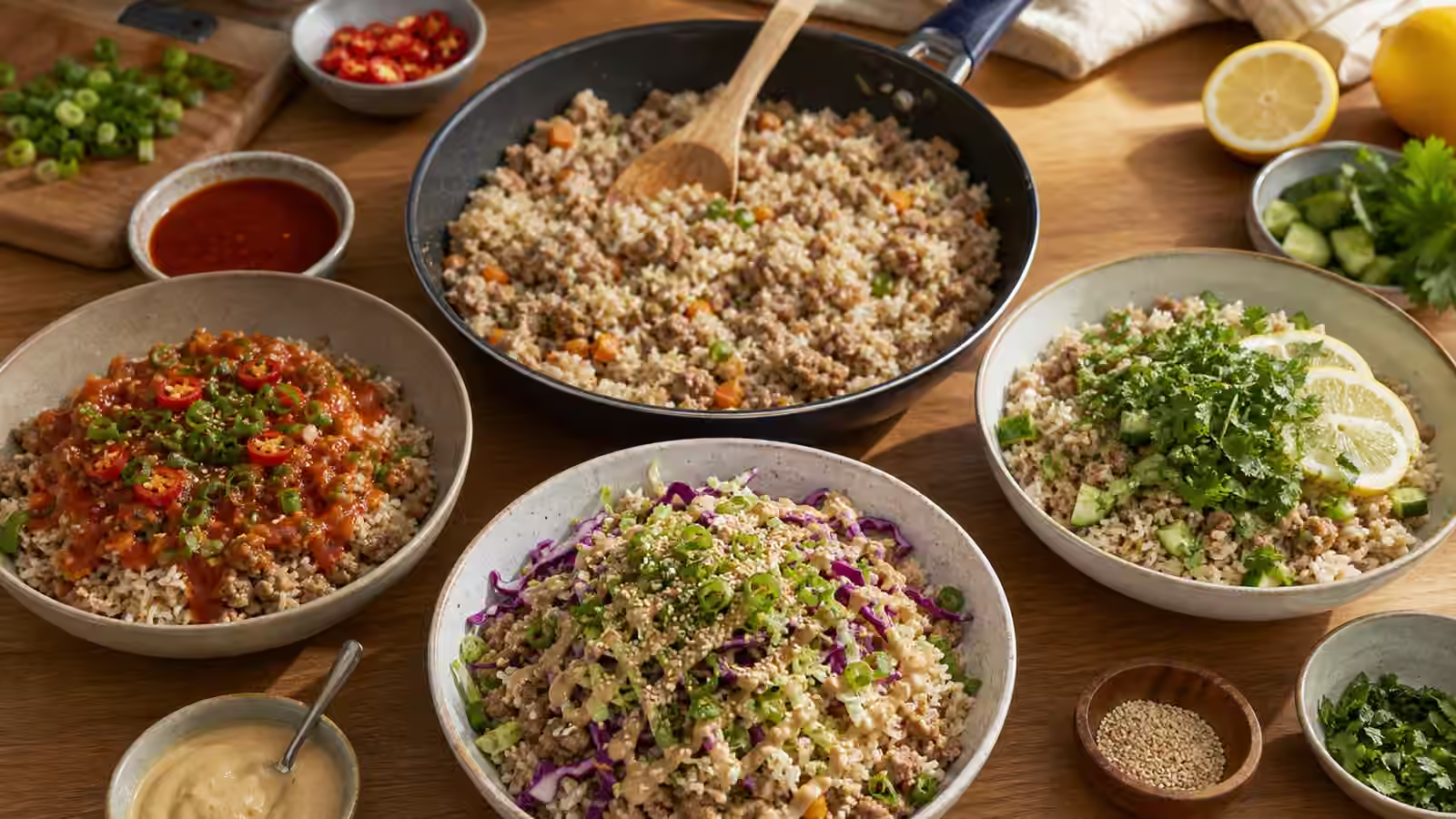
Sauce is the easiest way to split one batch. A rice, turkey, and vegetable base can become a tomato-chili bowl with red sauce, beans, cabbage, and lime. The same base can become a soy-ginger bowl with cucumber, scallions, sesame, and chili crisp. Another portion can become a lemon-herb bowl with tahini, herbs, greens, and roasted vegetables. The cooked anchor stays familiar; the finish changes the meal.
The trick is to avoid mixing all the sauce into the whole batch. Sauce in the serving bowl gives you control. Sauce in every storage container turns the batch into one flavor and one texture. That may be fine when you truly want one flavor for the week. It is less useful when different appetites, schedules, or cravings are involved.
Sauces and Toppings That Save Boy Kibble from Sadness becomes a split-batch tool when sauces are treated as endings. Keep one bright sauce, one creamy or rich sauce, and one spicy or savory sauce available. The same container of cooked food can then move through several moods without requiring another full cooking session.
Split by Texture Next
Different bowls can also come from texture. One portion can be hot and soft with extra sauce because it is dinner at home. Another can be packed with cabbage, cucumber, and sauce separate because it is lunch. Another can become a tortilla meal because the thought of another spoon bowl is not appealing. Another can be crisped in a skillet because leftover rice has dried enough to become an asset.
Texture splitting is often more effective than adding new ingredients. A bowl with cold slaw and herbs eats differently from the same base reheated with broth. A wrap eats differently from a bowl. A skillet-crisped portion feels different from a microwave portion. Better Boy Kibble Texture explains why this matters: boredom is often soft-on-soft repetition wearing a flavor costume.
This is why the fresh finish should stay separate when possible. Slaw, cucumber, pickles, herbs, seeds, lettuce, and crunchy toppings lose their power when they are trapped in hot storage. A split batch protects them until they can do their job.
Split by Appetite Without Making Separate Meals
One person may want a larger rice portion. Another may want more vegetables. One night may need a filling dinner, while the next day needs a lighter lunch. Split-batch cooking lets the cooked base stay shared while the bowl size changes around it.
The easiest way to do this is to store the anchor separately from at least one flexible base or finish. Rice, potatoes, tortillas, greens, beans, and slaw can change the size of the meal without changing the cooked protein. Portioning Boy Kibble is helpful here because portions are not only about calories or containers. They are about whether the meal fits the moment.
For a bigger dinner, add rice, beans, potatoes, or a fried egg. For a lighter lunch, use greens, cabbage, cucumber, and a sharper sauce. For a cold packed meal, choose ingredients that still taste intentional without reheating. For a late meal, use a smaller base and a strong finish so the bowl does not feel like a heavy obligation.
Split by Heat Tolerance and Preference
Heat is another reason batches become difficult. One person wants chili crisp and hot sauce. Another wants mild yogurt sauce or lemon. A batch made spicy from the start gives the mild eater no path. A batch made bland gives the spicy eater a bottle-shaped solution but not always a good meal.
Keep the shared base moderate. Add heat at serving through hot sauce, chili crisp, jalapenos, pepper flakes, spicy salsa, curry oil, or a hot seasoning finish. Add cooling through cucumber, cabbage, avocado, yogurt sauce, tahini, herbs, or lime depending on the bowl. This keeps the batch useful without forcing everyone into the same tolerance level.
The same idea applies to strong flavors beyond heat. Fish, smoked spices, curry, garlic, and vinegar can all dominate a batch. They may be better as portion-level choices in some households or shared kitchens. Low-Odor Boy Kibble is the shared-space version of this principle: the best flavor is the one that fits the people and room around the meal.
Store for Options, Not Display
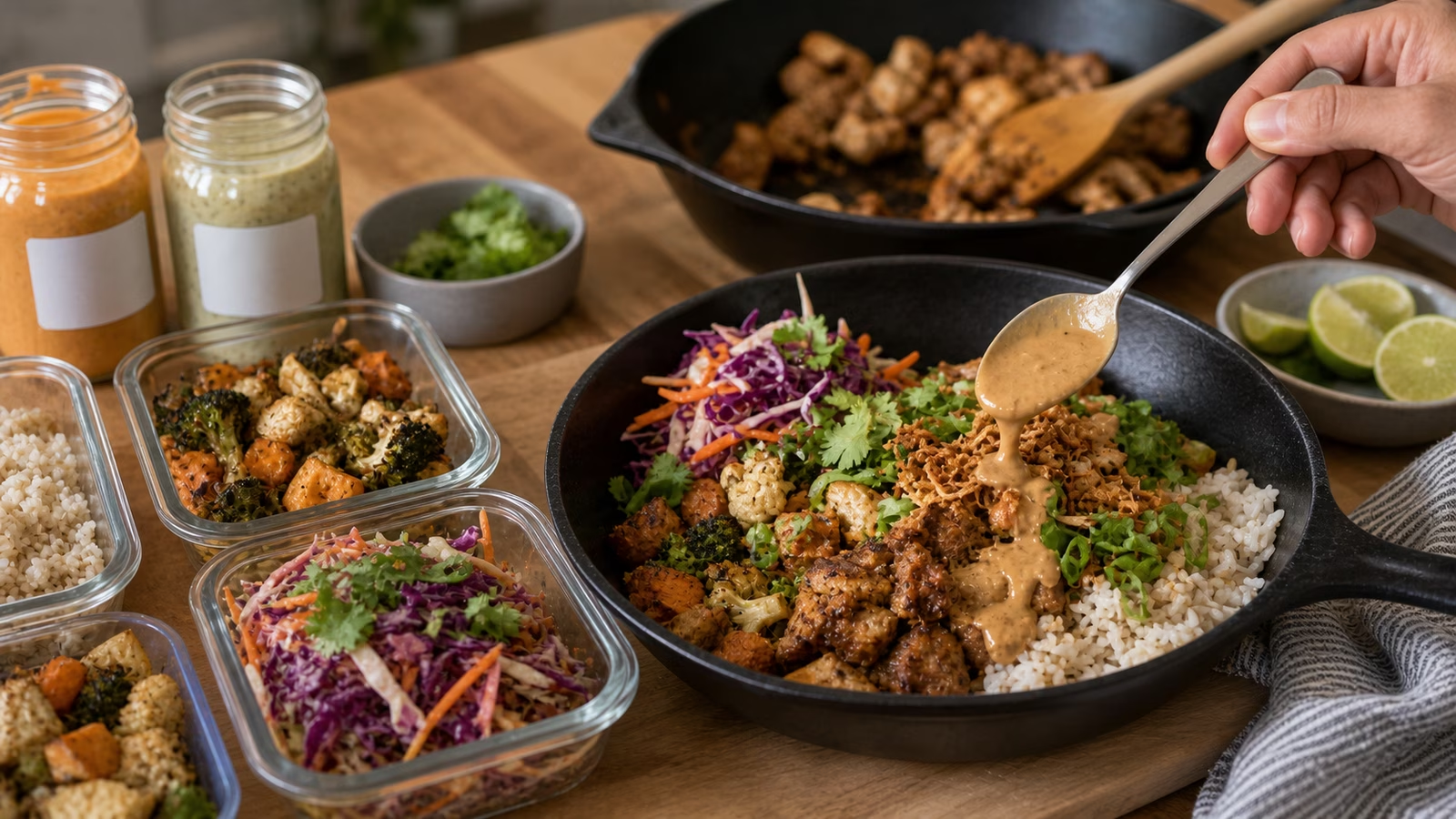
Beautiful rows of identical containers can look organized and still fail the week. A split batch may look less tidy because components are stored separately: cooked protein and vegetables in one container, rice in another, slaw in its bag, sauce in a jar, beans ready to add, tortillas waiting. That is not disorder if it makes meals easier to assemble.
The storage plan should answer the next likely use. If most portions will be lunches, pre-portion the base but keep sauce and crunch separate. If dinners are unpredictable, keep a larger cooked anchor and assemble fresh. If some of the batch may freeze, freeze the saucy or sturdy part rather than the whole finished bowl. How to Meal Prep Boy Kibble Without Hating It by Wednesday and Freezer Boy Kibble both reward this kind of component thinking.
Labeling can be simple if the batch might be forgotten. The important part is visibility. If the anchor is hidden behind jars, it will not become dinner. If the fresh finish is buried, it will wilt unused. Keep the split-batch pieces where they can be seen and combined quickly.
Let One Batch Be Enough Without Being Identical
Split-batch boy kibble works because it respects two truths at once. Cooking once is easier than cooking from zero every night. Eating the same bowl repeatedly can still get old. The solution is not always more recipes. Often it is a base with enough seasoning, a few finishing lanes, and storage that keeps choices alive.
Cook the anchor well. Hold back the strongest sauces. Keep crunch and acid available. Change the base when needed. Adjust heat at serving. Let one portion be lunch and another be dinner. Turn the last bit into a wrap, fried rice, brothy bowl, or tomato-chili bowl if that is what keeps it useful.
That is the practical promise inside boy kibble. Simple food can stay simple without becoming narrow. One base can feed several moods when the final bowl is allowed to make a few decisions of its own.