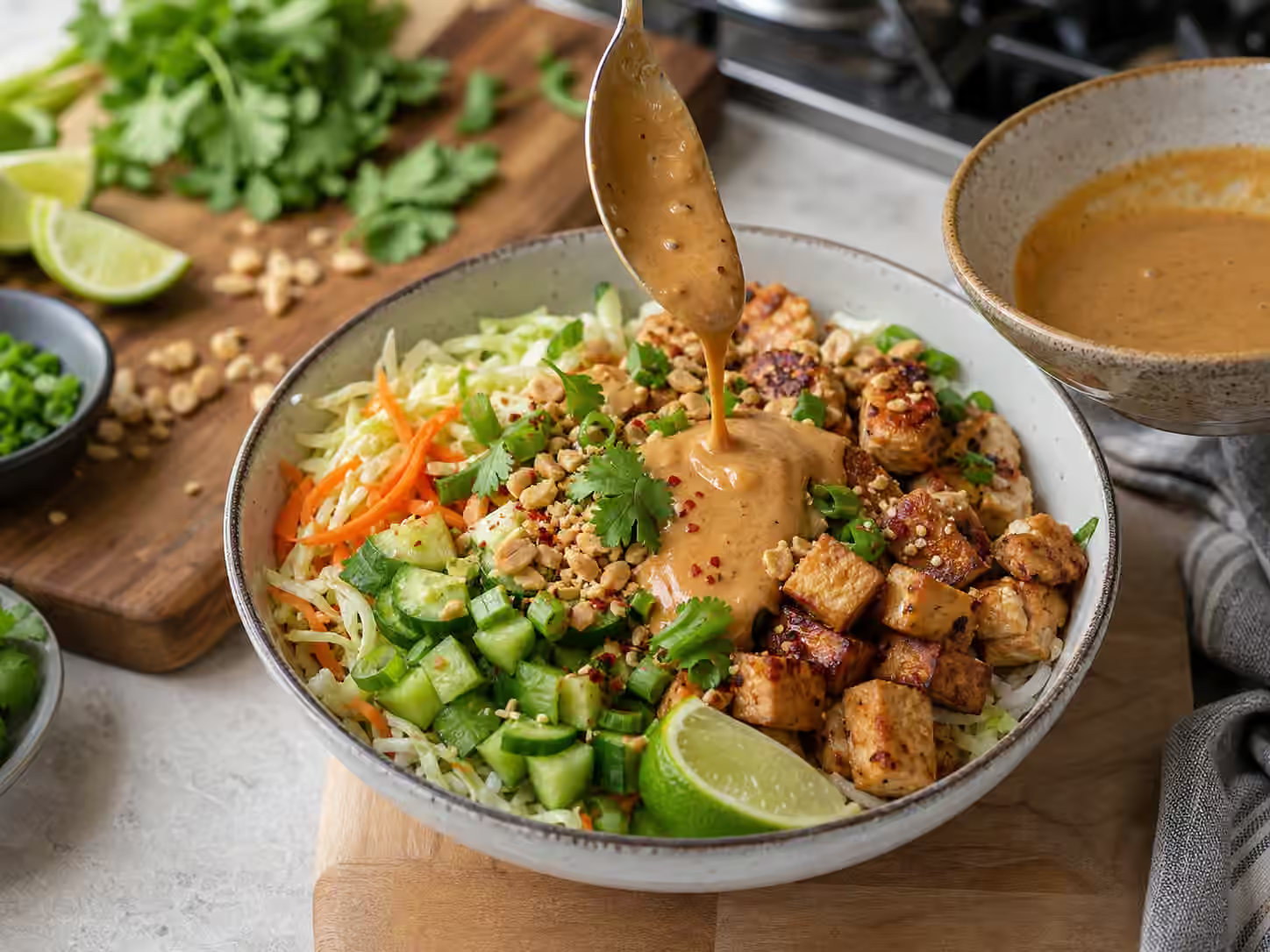
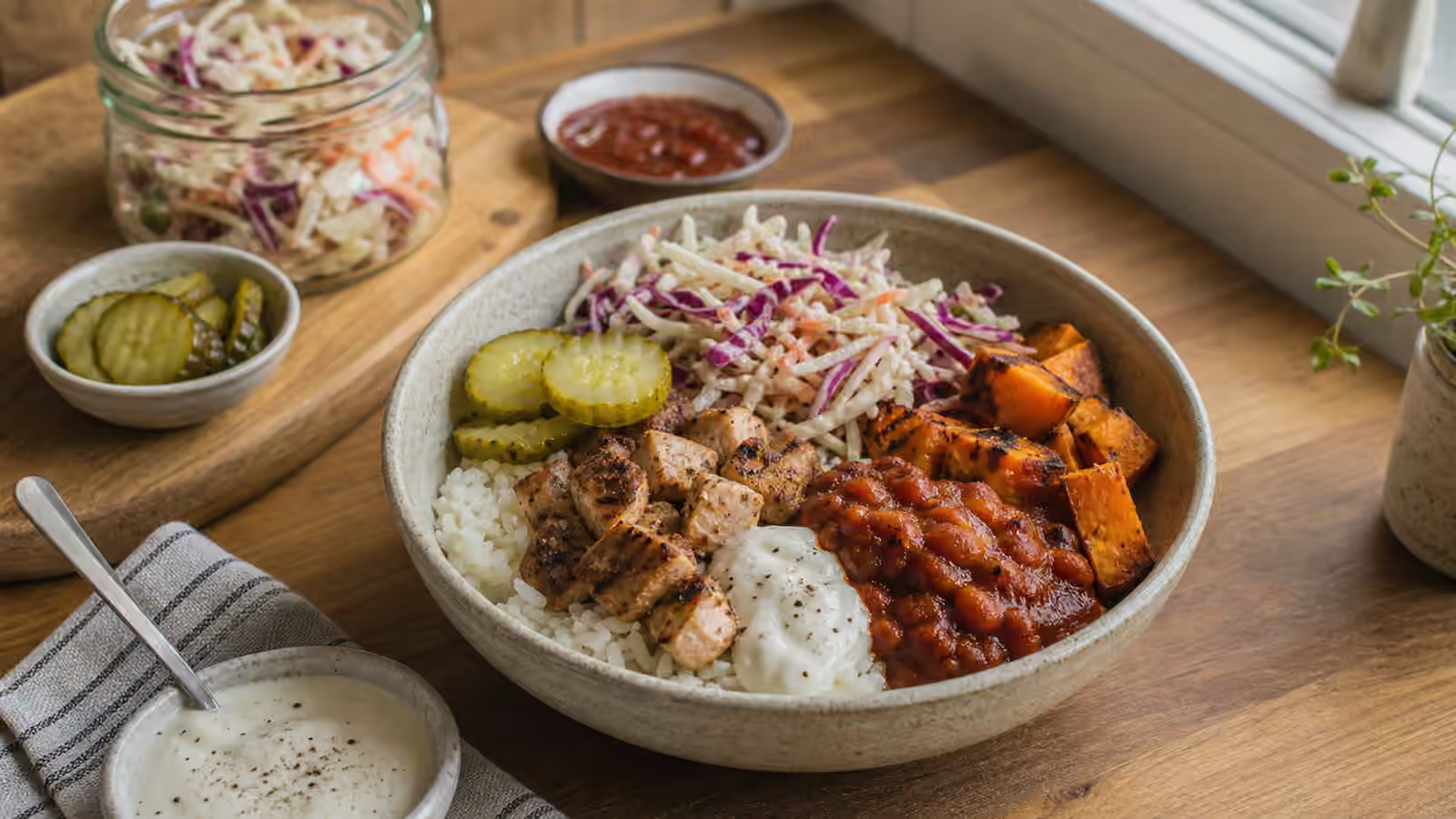
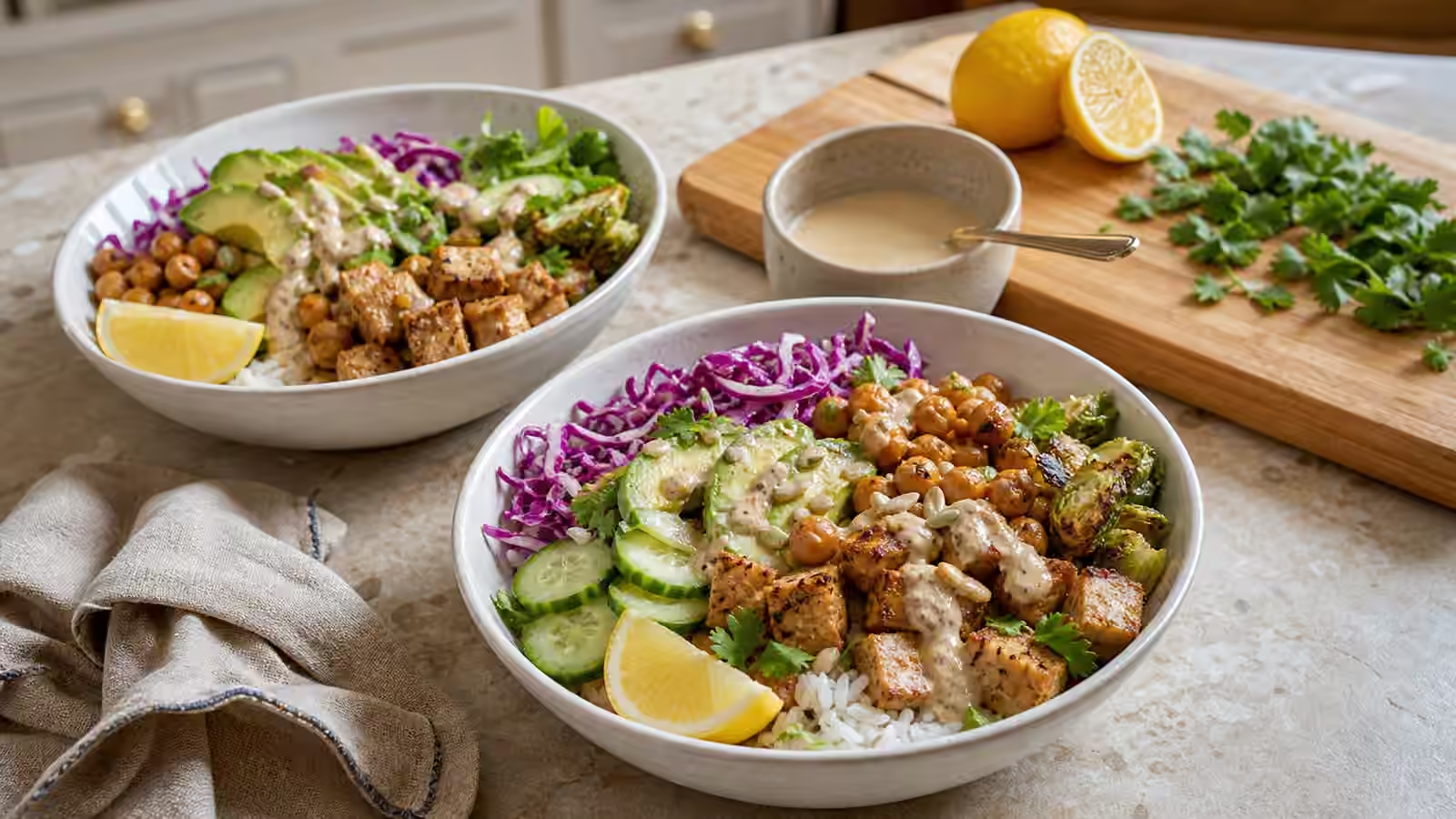
Soy-ginger boy kibble is the lane to use when the bowl needs savory depth, quick vegetables, and a finish that can be bright, spicy, or crisp without much extra cooking. It works with chicken, tofu, turkey, beef, eggs, shrimp, rice, noodles, broccoli, cabbage, cucumber, and leftover vegetables. That flexibility makes it one of the strongest answers to the problem that simple bowls can become too sweet, too creamy, or too much like the same taco bowl again.
The flavor lane is also practical because a small number of pantry ingredients can carry many meals. Soy sauce or tamari, ginger, garlic, rice vinegar or another mild acid, sesame oil if you like it, chili crisp or hot sauce, and scallions can make rice, protein, and vegetables feel connected. The bowl still follows the usual Boy Kibble Quickstart formula. The difference is that the seasoning is more savory and aromatic than cheesy, tomato-based, or creamy.
Start With a Savory Base
Soy sauce is powerful, but it should not be the only flavor. If every part of the bowl tastes like straight soy sauce, the meal becomes salty and flat at the same time. Ginger and garlic give the seasoning shape. A little acid keeps it from feeling heavy. A small amount of sweetness can help browning or balance heat, but the bowl does not need to become sticky.
For ground turkey or chicken, cook off moisture and let the meat brown before adding a soy-ginger mixture. Lean meat can taste thin if sauce is added too early and boiled into the pan. For chicken thighs, slice or chop the cooked meat so the sauce can cling to edges. For tofu, dry the surface and brown it first so the sauce has somewhere to land. For beef, use a lighter hand with soy sauce because the meat already brings richness and needs vegetables to balance it.
This is a practical extension of How to Season Boy Kibble Before the Sauce Goes On . A soy-ginger bowl should taste seasoned in the hot components, not only dressed on top.
Match the Protein to the Texture You Want
Tofu is especially good in this lane because soy, ginger, garlic, sesame, chili crisp, cucumber, and cabbage all support it. The biggest mistake is treating tofu as a soft sponge and expecting sauce to fix everything. Browned tofu gives the bowl chew and edges. Crumbled tofu can behave more like ground meat when it is cooked until some moisture leaves the pan. Tofu Boy Kibble gives that method more room, but the soy-ginger lane is the most natural place to use it.
Chicken works when the bowl wants a familiar protein that will not fight the sauce. Ground chicken is fast but needs browning and enough seasoning to avoid tasting quiet. Chicken thighs bring better leftover texture and can handle stronger ginger, garlic, and chili. Shrimp can work beautifully for a fresh bowl, though it is less pleasant as a big reheated batch. Eggs can rescue leftover rice and vegetables when the main protein is gone.
The useful question is not which protein is best. It is what texture the week needs. Crumbles mix through rice. Sliced chicken feels more like a dinner bowl. Tofu cubes give distinct bites. Eggs make leftovers softer and richer. Pick the protein for the reheating situation, not for a theoretical perfect bowl.
Give Vegetables Real Work
Broccoli is the obvious vegetable because it loves soy-leaning sauces and reheats reasonably well when it is not waterlogged. Frozen broccoli can be useful, but it needs enough heat for extra moisture to leave the pan. If it goes straight from freezer to container with sauce, it can make rice damp and dull. Let it cook until it tastes like part of dinner.
Cabbage is the second anchor. It can be cooked briefly with the protein or kept raw for crunch. Raw cabbage or slaw gives soy-ginger bowls the same kind of lift that lettuce gives burger bowls and lime gives taco bowls. Cucumber is best added cold at the end. It cools chili crisp, adds water and snap, and makes leftover rice taste less heavy. Green onion, sesame seeds, kimchi-style vegetables, pickles, edamame, peas, carrots, and spinach can all work if they match the amount of heat and sauce in the bowl.
Vegetables for Boy Kibble is useful here because this lane depends on vegetables for more than nutrition. They control moisture, texture, and the feeling that the bowl is fresh rather than just salty.
Rice Is Reliable, Noodles Need Timing
Rice is the most forgiving base for soy-ginger boy kibble. It absorbs sauce, reheats well, and can become fried rice if the leftovers firm up. Day-old rice is not a problem here. It may even be useful because it can be reheated in a skillet with protein, vegetables, and a controlled amount of sauce.
Noodles are good when dinner is immediate. They make the bowl feel more like comfort food, but they are less forgiving in containers. Noodles sitting in sauce can swell, dry, or clump depending on the type. If you want noodle leftovers, keep sauce controlled and add a little moisture when reheating. Noodle Boy Kibble covers that base choice in more detail.
The key is to avoid drowning either base. A soy-ginger bowl should be glossy and seasoned, not floating. If the rice or noodles are dry, add a small splash of water, broth, or sauce and heat gently. If they are wet, cook uncovered for a minute before adding delicate vegetables.
Finish With Crunch, Heat, and Acid
The finish is where this bowl becomes lively. Chili crisp, hot sauce, toasted sesame seeds, sliced scallions, cucumber, cabbage, lime, rice vinegar, pickled vegetables, or a spoon of yogurt in a more fusion-leaning bowl can all work. The finish should answer what the bowl lacks. If it is salty, add acid and cucumber. If it is soft, add cabbage or sesame. If it is mild, add chili crisp. If it is dry, add a small amount of sauce or broth.
Chili crisp is useful but easy to overuse. It brings oil, crunch, heat, and savory bits, which means it can make a bowl feel complete quickly. It can also make every bowl taste the same if it becomes the only move. Use it as a finish rather than the whole seasoning system. Let ginger, garlic, soy, vegetables, and the protein do their work first.
Sauces and Toppings That Save Boy Kibble from Sadness is still relevant, but soy-ginger bowls prove that toppings are most effective when the base has a clear direction already.
Make Leftovers Cleaner, Not Louder
Soy-ginger leftovers can be excellent if the sauce is controlled. The common mistake is packing everything wet and hoping the rice stays pleasant. It is better to store a seasoned base and add cold finishes later. Rice, protein, and sturdy vegetables can share a container. Cucumber, scallions, cabbage, chili crisp, and extra sauce are better added at eating time when possible.
If the leftovers feel dry, do not punish them with more heat. Add a splash of water or broth, cover briefly, then finish with sauce. If they feel dull, add acid and fresh crunch rather than more soy sauce. If they feel too salty, add rice, cucumber, cabbage, or a soft egg. The fix depends on the problem.
Soy-ginger boy kibble earns its place because it is easy to repeat without tasting like the same bowl. It can be chicken and broccoli, tofu and cabbage, turkey and rice, shrimp and cucumber, or egg fried rice with leftover vegetables. The pantry supports it, the vegetables make sense, and the finish can stay simple. When the seasoning is built into the pan and the fresh parts are protected, this lane gives the boy kibble system a clean savory center that holds up through real weeknight use.