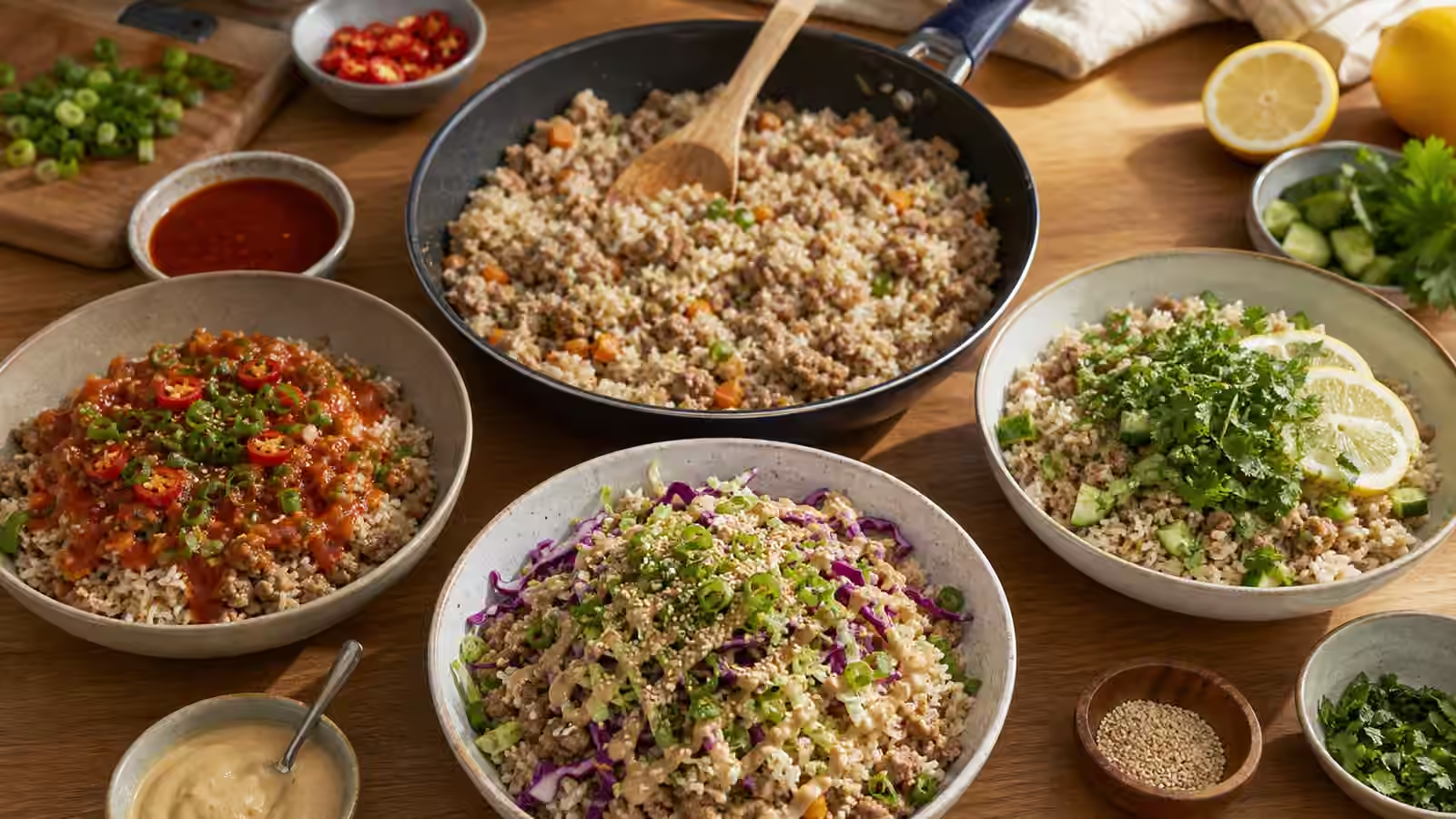
Small-batch boy kibble is for the person who likes the formula but does not want four identical containers staring back from the refrigerator. Most advice around simple bowls assumes that bigger prep is automatically smarter. Cook more rice. Brown more meat. Portion the week. Future you will be grateful. Sometimes that is true, and How to Meal Prep Boy Kibble Without Hating It by Wednesday covers that version well. But cooking for one has a different failure mode. The food does not disappear fast enough, the batch gets emotionally old before it gets physically unsafe, and the easiest dinner starts to feel like a sentence.
The small-batch version keeps the useful part of boy kibble: protein, starch, plant, sauce, and a finish. It simply changes the scale. Instead of trying to solve the entire week in one pan, it solves the next one or two meals while leaving enough raw material and pantry backup for later. That gives you the speed of a system without the boredom of full-week commitment.
The Real Problem Is Not Portion Size
Cooking for one is not just a math problem where every recipe gets divided by four. Small amounts of food behave differently. A tiny skillet of ground turkey can overcook before it browns. A half bag of slaw can wilt if it is dressed too early. A pot of rice can feel like too much work for one bowl, while a full pot can turn into three days of obligation. The hard part is not knowing how much a person eats. The hard part is building a rhythm that keeps dinner easy without letting leftovers pile up in a way that makes the whole system feel stale.
That is why small-batch boy kibble works best when you separate ingredients by flexibility. Some foods are worth cooking once and using twice. Some are better kept raw, frozen, canned, or sealed until the moment you need them. Some should be bought in small quantities even if the larger package looks cheaper, because waste and resentment are costs too.
The goal is not to make a perfect single-serving recipe. The goal is to keep enough momentum that cooking for one still feels like cooking, not like managing a tiny food warehouse.
Cook the Anchor, Not the Whole Week
For a solo bowl, the anchor is the cooked part that takes the most effort or creates the most dishes. Usually that means protein, rice, potatoes, beans, or a roasted vegetable. The rest of the meal can stay modular. If you brown a modest amount of ground beef or turkey, cook enough for dinner and one easy leftover. If you make rice, cook enough for two or three meals only if you already know where those meals are going. If you roast potatoes, accept that they will be best tonight and softer tomorrow, then plan the second meal around that texture instead of pretending they will stay crisp.
This is different from batch prep. Batch prep tries to make future meals nearly automatic. Small-batch cooking tries to reduce tonight’s work while preserving tomorrow’s choice. A pound of meat can still make sense for one person, but it does not all need to become finished bowls. Some can be cooked plainly and frozen in a flat portion. Some can stay raw if you split the package safely when you get home. Some can become a sauce-heavy dinner tonight and a different format tomorrow.
The best anchor has enough seasoning to taste intentional but not so much that every future use is trapped. Turkey seasoned with salt, pepper, garlic, and a little soy can become a rice bowl, a tortilla filling, a fried rice base, or a brothy bowl. Turkey drowned in one sweet sauce can still taste good, but it has fewer exits. That same logic appears in How to Season Boy Kibble Before the Sauce Goes On : build flavor early, but leave room for the finish to steer the meal.
Let the Finish Change the Meal
Small-batch cooking is much more pleasant when the fresh part changes often. A solo cook usually does not need three proteins in one week. One good protein can work if the finish changes. Salsa and slaw make the bowl feel like tacos. Pickles and a creamy sauce push it toward a burger bowl. Soy sauce, cucumber, green onion, and chili crisp turn the same base in another direction. Yogurt, lemon, herbs, and cabbage make it feel lighter.
This is where the site advice on Sauces and Toppings That Save Boy Kibble from Sadness becomes especially useful. A full batch of finished bowls asks you to like the same flavor repeatedly. A small-batch setup asks you to keep two or three finishes ready so the cooked anchor can move. The sauce is not there to hide old food. It is there to make the second meal feel chosen.
The finish should also protect texture. Do not dress the whole bag of cabbage because tonight’s bowl needs crunch. Pull out what you need and leave the rest dry. Do not mix pickles into a container that will be reheated. Add them cold. Do not pack yogurt sauce into hot rice unless you want the whole container to taste tired tomorrow. Small-batch cooking gives you the chance to assemble closer to eating time, and that is one of its biggest advantages over heavy meal prep.
Buy Ingredients With Exit Routes
Solo groceries should have exits. Rice can become a bowl, fried rice, soupier leftovers, or a side. Tortillas can turn the same components into a wrap or quesadilla. Eggs can rescue leftover rice, beans, potatoes, or slaw. Cabbage can be crunch, a quick skillet vegetable, or a cold base. Beans can stretch meat or become the main protein. Frozen vegetables can be used by the handful instead of demanding immediate attention.
The weak grocery move is buying several fragile ingredients that only make sense in one imagined bowl. A single cucumber is easy to finish. A large box of delicate greens, a bundle of herbs, a sauce that only matches one protein, and a fresh vegetable that requires careful prep may become a burden unless you already have a plan. What to Buy for Boy Kibble argues for overlap, and that matters even more when only one person is eating the results.
Small packages are not always wasteful. Sometimes they are what make the food usable. A smaller bag of slaw that gets eaten is better than a larger bargain bag that melts in the drawer. A few microwave rice cups can be reasonable if they keep weeknight dinner from collapsing, even if dry rice is cheaper. The point is not to optimize one ingredient in isolation. The point is to make the whole routine repeatable.
Use Leftovers as Ingredients, Not Assigned Meals
The fastest way to resent solo meal prep is to label every container as a future lunch before you know what you will want. Leftovers are easier to face when they are ingredients. A container of cooked beef is not “Tuesday’s exact bowl.” It is beef that can become rice, potatoes, a tortilla, eggs, noodles, or a brothy bowl. A container of rice is not a mandate. It is a base. A handful of roasted broccoli can be reheated with the protein or eaten cold with sauce.
This shift sounds small, but it changes the emotional math. You are not falling behind if you do not eat the planned bowl. You are adapting the components. Leftover Boy Kibble is useful here because the second meal usually needs a new texture, a little moisture, and a sharper finish. The small-batch cook has an advantage: the leftovers are not a mountain. They are a starting point.
If the cooked base is clearly more than you want in the next day or two, freeze a portion early. Do not wait until you are already tired of it. A flat, small frozen portion of cooked meat or beans can become a future emergency bowl without carrying the psychological weight of a half-full refrigerator container. Freezing is not only for huge batches. For one person, it is often the cleanest way to avoid both waste and boredom.
Keep the Pan Size Honest
Small-batch cooking fails when the equipment does not match the food. A very wide pan can dry out a small amount of lean protein before it browns nicely. A tiny crowded pan can steam everything. The useful middle is a skillet that lets the protein spread enough to brown without losing all moisture. If you are cooking only a small portion, pay attention sooner. It will move from done to dry faster than a big batch.
Rice has a similar issue. A rice cooker may not handle very small amounts well unless it is designed for them. If your cooker makes a better two-cup batch than a tiny batch, use the extra intentionally. Cool it, refrigerate it, and plan a fried rice or cold bowl. If you do not want extra rice around, microwave rice, leftover potatoes, tortillas, noodles, or beans may be the better base that night. Boy Kibble Bases is helpful because the base is not a loyalty test. It is the part that should fit the week.
Vegetables should be scaled with the same honesty. Frozen vegetables are excellent for one person because you can use a handful and return the rest. Cabbage and carrots last longer than tender greens. Cucumbers are best when you know you will use them soon. Herbs are wonderful, but they need a second purpose if you do not want them to become compost with good intentions.
A Good Small Batch Leaves You Options
The best small-batch boy kibble session ends with dinner, one useful leftover, and no feeling that tomorrow has been over-scripted. Tonight’s bowl might be turkey, rice, broccoli, slaw, pickles, and sauce. Tomorrow the remaining turkey can go into a tortilla with cabbage, or into eggs, or over rice with a different finish. If you are already tired of it, a small portion can go to the freezer and dinner can shift to beans, tuna, tofu, or eggs.
That flexibility is the point. Cooking for one does not have to mean cooking from scratch every night, and it does not have to mean accepting a fridge full of duplicate containers. Small-batch boy kibble sits between those extremes. It respects the fact that one person still needs convenience, variety, cleanup control, and food that feels worth eating.
Make the anchor. Keep the finish alive. Buy ingredients with exits. Freeze before resentment sets in. Let the second meal become something else. That is enough structure to make simple bowls work for one without turning your own leftovers into a roommate you did not ask for.