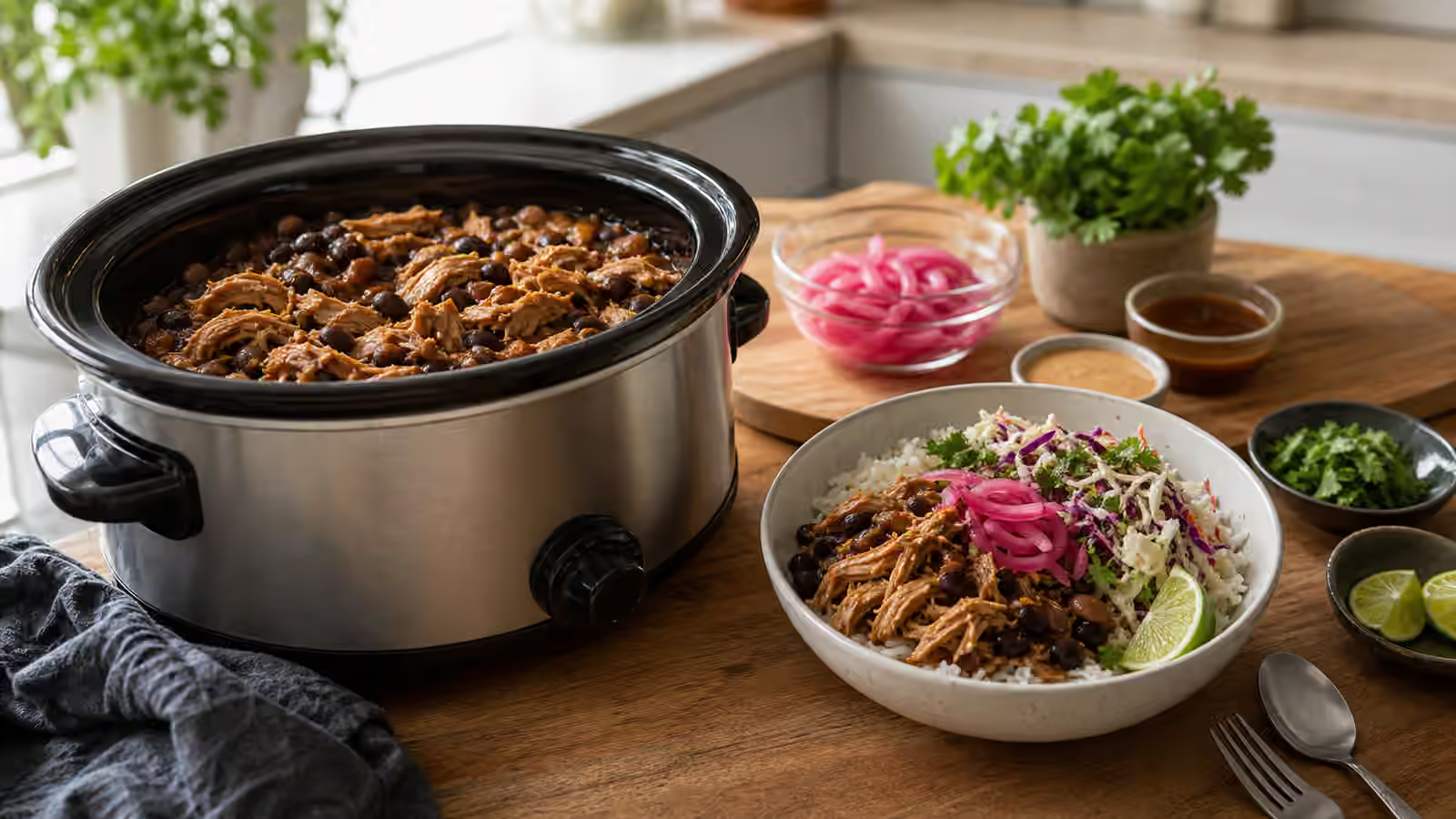
Slow-cooker boy kibble is not the fastest version of the meal. That is the wrong job for the tool. The slow cooker is useful when attention is the scarce ingredient, not when dinner needs to happen in ten minutes. It lets a cheap protein, a pot of beans, or a saucy base cook while you are working, sleeping, cleaning, commuting, or simply refusing to stand over a skillet after a long day.
That makes it different from Rice Cooker Boy Kibble or Air-Fryer Boy Kibble . A rice cooker solves the base. An air fryer solves crispness. A slow cooker solves bulk and tenderness. Used well, it gives you a container of seasoned protein or beans that can become rice bowls, potato bowls, wraps, freezer portions, and last-minute dinners. Used badly, it gives you a wet pile of soft food that needs rescue at every meal.
The useful version starts by accepting the slow cooker’s limits. It is excellent at gentle heat, long cooking, and holding moisture. It is poor at browning, crisping, and keeping delicate vegetables lively. If you ask it to make a complete finished bowl, it will probably make the whole bowl taste the same. If you ask it to make one strong component, then build the bowl around that component later, it becomes one of the easiest meal-prep tools in the system.
Cook the Anchor, Not the Whole Bowl
The slow cooker should usually make the anchor of the bowl. That might be shredded chicken, beef, turkey, pork, lentils, beans, chickpeas, or a mixed meat-and-bean base. The rice, potatoes, slaw, sauce, herbs, pickles, cucumbers, and crunchy toppings can happen separately. This is the same component logic behind How to Meal Prep Boy Kibble Without Hating It by Wednesday : the more fragile the ingredient, the later it should enter.
Shredded chicken is the obvious starting point because it tolerates long cooking and accepts many flavor directions. Tomato, salsa, broth, garlic, chili powder, cumin, soy sauce, ginger, curry paste, barbecue-style seasoning, or a simple salt-and-pepper base can all work. The trick is not to drown it. Enough liquid should help the cooker do its job, but the finished protein should not be swimming unless you intend to serve it like a stew. If every bowl begins with a ladle of thin cooking liquid, the rice absorbs it, the toppings wilt, and the meal turns heavy fast.
Beans and lentils may be even better for this method because they benefit from time. The guide to Beans and Lentils for Boy Kibble covers the budget and texture side, but the slow cooker adds a practical advantage: it makes a large batch without asking you to watch a pot. Beans can become the main protein, stretch meat, or sit under shredded chicken as a base that brings more body than rice alone. They still need seasoning. Slow cooking plain beans and expecting sauce to fix them later is how a good tool becomes a disappointment.
Ground meat is more complicated. A slow cooker can hold cooked ground beef, turkey, or chicken in sauce, but it does not brown it for you. If you want the flavor of browned meat, use a skillet first, drain if needed, then move the meat into the slow cooker with seasoning, beans, tomatoes, broth, or another sauce base. That extra pan may feel annoying, but it gives the batch depth. Without browning, ground meat can taste steamed and loose, especially after a few days in containers.
Liquid Control Is the Whole Game
Most slow-cooker mistakes are liquid mistakes. Too little liquid can dry the edges or make beans cook unevenly. Too much liquid turns a bowl component into soup. The correct amount depends on the ingredient, the appliance, and the length of cooking, so the better habit is to think about the finished use. A rice bowl wants a moist protein that can be spooned over the base without flooding it. A wrap wants a thicker filling. A freezer portion wants enough sauce to protect the food during reheating, but not so much that it thaws into a puddle.
This is where a small amount of concentration after cooking can help. If the protein tastes good but the liquid is thin, remove the lid for a short finish if your cooker allows it, or transfer the liquid to a pan and reduce it until it coats a spoon. You can also shred the meat and let it sit in just enough cooking liquid to reabsorb flavor. The point is not to create a restaurant sauce. It is to make the component behave inside a bowl.
Acid and salt should be handled with attention. Long cooking can dull bright flavors, so lime, vinegar, hot sauce, yogurt sauce, pickles, herbs, or salsa often taste better at assembly than after hours in the cooker. Salt matters from the beginning, but the final bowl may still need a fresh finish. The seasoning foundation from How to Season Boy Kibble Before the Sauce Goes On still applies here. The slow cooker does not remove the need for a coherent flavor lane.
Vegetables Need Better Timing
A slow cooker can handle sturdy vegetables, but that does not mean every vegetable belongs there. Onions, peppers, carrots, potatoes, squash, corn, and tougher greens can work when they are part of the cooked base. Broccoli, cucumbers, lettuce, slaw, scallions, herbs, and many leafy greens usually do better outside the cooker. They bring freshness precisely because they were not cooked for hours.
That distinction matters for boy kibble because the formula already leans soft. A slow-cooked protein over rice with slow-cooked vegetables and a creamy sauce can be comforting on the first bite and dull by the sixth. A slow-cooked protein over rice with cabbage, cucumber, pickled onions, herbs, lime, and crunch feels like an assembled meal. The guide to Vegetables for Boy Kibble makes the same point from the vegetable side: the plant part should have a job. In slow-cooker bowls, that job is often contrast.
Frozen vegetables can still be useful, especially if the slow-cooker base is rich. Microwave peas, corn, broccoli, spinach, or mixed vegetables separately and season them before assembly. This keeps the cooked core practical without making the whole batch taste like one pot. It also lets different meals go in different directions. The same shredded chicken can become a salsa bowl with cabbage one day, a soy-ginger bowl with broccoli and cucumber the next, and a potato bowl with pickles and yogurt sauce after that.
Build the Bowl After the Cooker Finishes
The best slow-cooker boy kibble usually comes together in layers. The cooker makes the anchor. The base comes from rice, potatoes, pasta, beans, tortillas, greens, or another option from Boy Kibble Bases . The plant adds bulk or freshness. The sauce finishes the direction. The topping gives the meal a reason to keep being interesting.
That sounds like more work than dumping everything in one appliance, but it is usually less work across the week. A finished one-pot bowl gives you one meal repeated several times. A cooked anchor gives you options. If the slow cooker made salsa chicken, it can go over rice with corn and slaw, into a quesadilla with beans, over potatoes with pickles, or onto greens with yogurt sauce and crushed chips. If it made seasoned lentils, they can sit under eggs, wrap in tortillas, carry hot sauce and cabbage, or stretch a small amount of meat. Variety comes from assembly, not from cooking four different recipes.
Texture needs special attention. Slow-cooked food is tender by design, which is useful but incomplete. Add a crisp or fresh finish almost every time. Slaw, cabbage, cucumber, pickles, toasted seeds, crushed tortilla chips, roasted chickpeas, scallions, herbs, radishes, or a quick pan-crisped tortilla can change the whole meal. This is the slow-cooker version of Better Boy Kibble Texture : do not try to solve softness with more sauce when the bowl needs contrast.
Storage Is Part of the Recipe
A large slow-cooker batch can be a gift or a trap. If everything goes into one deep container and sits in the fridge, it becomes harder to cool, harder to portion, and easier to resent. Shallow containers are more practical. Portion some for the next few meals, keep some unsauced or lightly sauced if you want flexibility, and freeze extra portions before the batch becomes a burden.
For ordinary home cooking, follow your appliance manual and standard food-safety habits: start with properly stored ingredients, cook foods thoroughly, do not leave finished food sitting out for long periods, cool leftovers in practical portions, and reheat until the food is hot throughout. Those habits are not the exciting part of cooking, but they are what make batch cooking dependable.
The freezer can be a strong partner here. Saucy shredded meat, beans, lentils, and chili-like bases often freeze better than fully assembled rice bowls. Rice can freeze too, but keeping the anchor separate gives you more control later. Freezer Boy Kibble is useful if you want backup meals that do not turn into dry blocks. The slow cooker gives you the batch; the freezer keeps the batch from demanding that you eat the same thing for every meal.
Where the Slow Cooker Fits
The slow cooker is best when you know future you will need help. It is for a Sunday batch, a busy workday, a shared kitchen where stovetop time is awkward, a freezer refill, or a week when the choice is likely to be takeout unless something is already cooked. It is not the right answer for every bowl. A skillet is better when browning matters most. A rice cooker is better when the base is the bottleneck. A microwave is better when the meal has to happen in a room with no real kitchen. A slow cooker earns its counter space when it quietly makes the hardest part of several meals before the meal exists.
The bowl still needs judgment at the end. Taste the anchor before storing it. Adjust salt, acid, and thickness. Keep fresh pieces separate. Add crunch after reheating. Change the base when repetition starts to feel heavy. Use the slow cooker to reduce attention, not to erase the difference between ingredients.
That is the practical promise of slow-cooker boy kibble. It turns one low-attention batch into several simple meals, as long as the cooker is asked to do what it does well. Let it make the tender, seasoned core. Let other tools handle the base, freshness, and texture. Dinner will still be simple, but it will not taste like everything surrendered into the same pot.